
The role of wholefoods in recovery: a 2026 guide
TL;DR:
- Wholefoods are minimally processed, nutrient-dense foods that enhance physical and mental recovery through nutrient synergy. They support cellular repair, reduce inflammation, stabilize blood sugar, and rebuild brain chemistry more effectively than supplements. Incorporating daily servings of leafy greens, nuts, whole grains, and colorful fruits promotes long-term resilience and overall healing.
Wholefoods are minimally processed, nutrient-dense foods that form the foundation of effective recovery from both physical and mental exertion. The role of wholefoods in recovery extends far beyond simple calorie replacement. They deliver nutrient synergy, meaning compounds like polyphenols, magnesium, B vitamins, and amino acids work together in ways that isolated supplements cannot replicate. Dr. William Li describes food as parallel therapy alongside medical treatment, amplifying healing at the molecular level. University of Bristol research confirms that people on whole-food diets consume 50% more food volume yet average 330 fewer calories daily. That finding alone reframes how you should think about eating for recovery.
How do wholefoods support physical recovery?
Wholefoods accelerate physical recovery by delivering nutrients that work together at the cellular level. Nutrient synergy in wholefoods boosts bioavailability and supports cellular repair through complex compound interactions that no single supplement can match. This matters because your body rebuilds tissue, restores glycogen, and repairs muscle fibres using a cascade of interdependent nutrients, not one ingredient in isolation.
Inflammation is the primary obstacle to physical recovery. Polyphenols found in berries, leafy greens, and seeds act as cellular signals that reduce systemic inflammation and modulate enzyme activity. Less inflammation means faster tissue repair and a stronger immune response during the recovery window.
Energy metabolism is another critical factor. Whole grains, nuts, and seeds provide complex carbohydrates and healthy fats that support mitochondrial function. Mitochondria are the energy-producing units inside your cells. When they are well nourished, your body recovers faster and fatigue lifts sooner.
Key wholefoods that directly support physical recovery include:
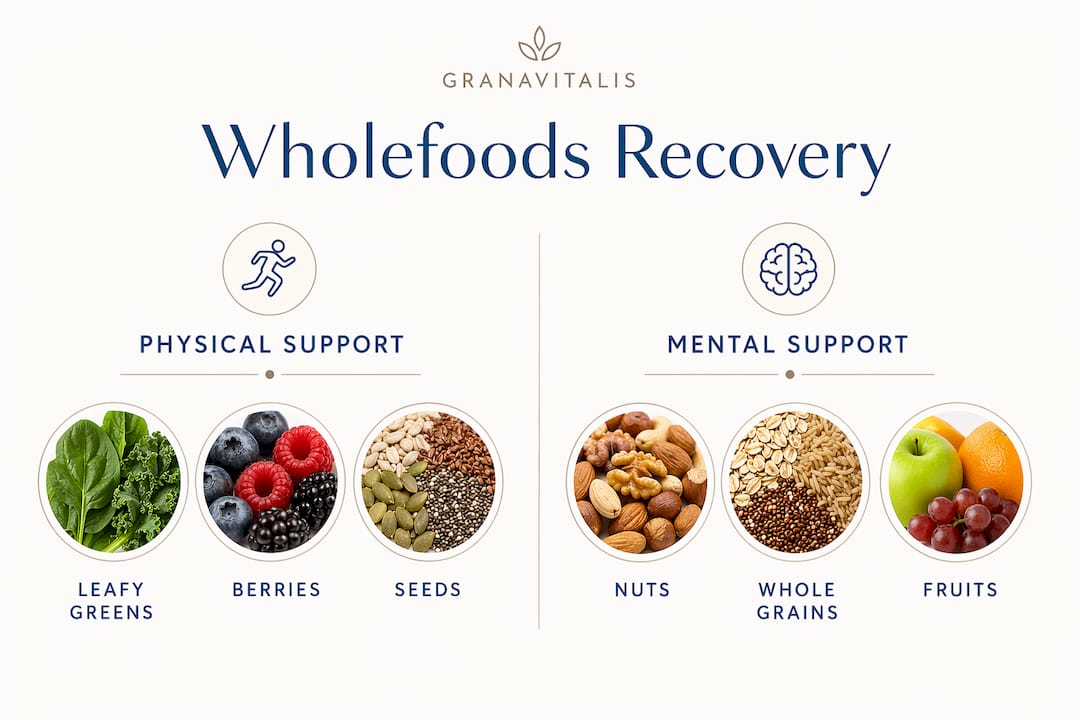
- Leafy greens (spinach, kale): rich in magnesium and folate, both critical for muscle function and red blood cell production
- Nuts and seeds (walnuts, flaxseed, hemp seeds): provide omega-3 fatty acids and zinc for tissue repair and immune support
- Whole grains (oats, quinoa, brown rice): deliver sustained energy and B vitamins for metabolic restoration
- Legumes (lentils, chickpeas): supply plant-based amino acids needed for muscle protein synthesis
- Brightly coloured vegetables (beetroot, sweet potato, red pepper): loaded with antioxidants that neutralise exercise-induced free radicals
A useful detail from food science: processed almonds retain intact cell walls that limit fat and calorie absorption, illustrating how less processed foods deliver high nutrient density without excess caloric load. That is the nutritional benefit of wholefoods in its most concrete form.
Pro Tip: Prioritise fibre-rich wholefoods such as oats, lentils, and flaxseed during recovery. Fibre fermentation in the gut produces short-chain fatty acids, which are anti-inflammatory compounds that reduce systemic inflammation and support immune function. Better gut health directly accelerates physical healing.
In what ways do wholefoods influence mental recovery?
Wholefoods directly shape brain chemistry by supplying the raw materials for neurotransmitter production. Magnesium, B vitamins, omega-3 fatty acids, and amino acids support neurochemical balance, reduce cravings, and help restore brain function after periods of mental stress or substance use. Without these nutrients, the brain struggles to produce adequate dopamine and serotonin, the two neurotransmitters most associated with mood stability and motivation.
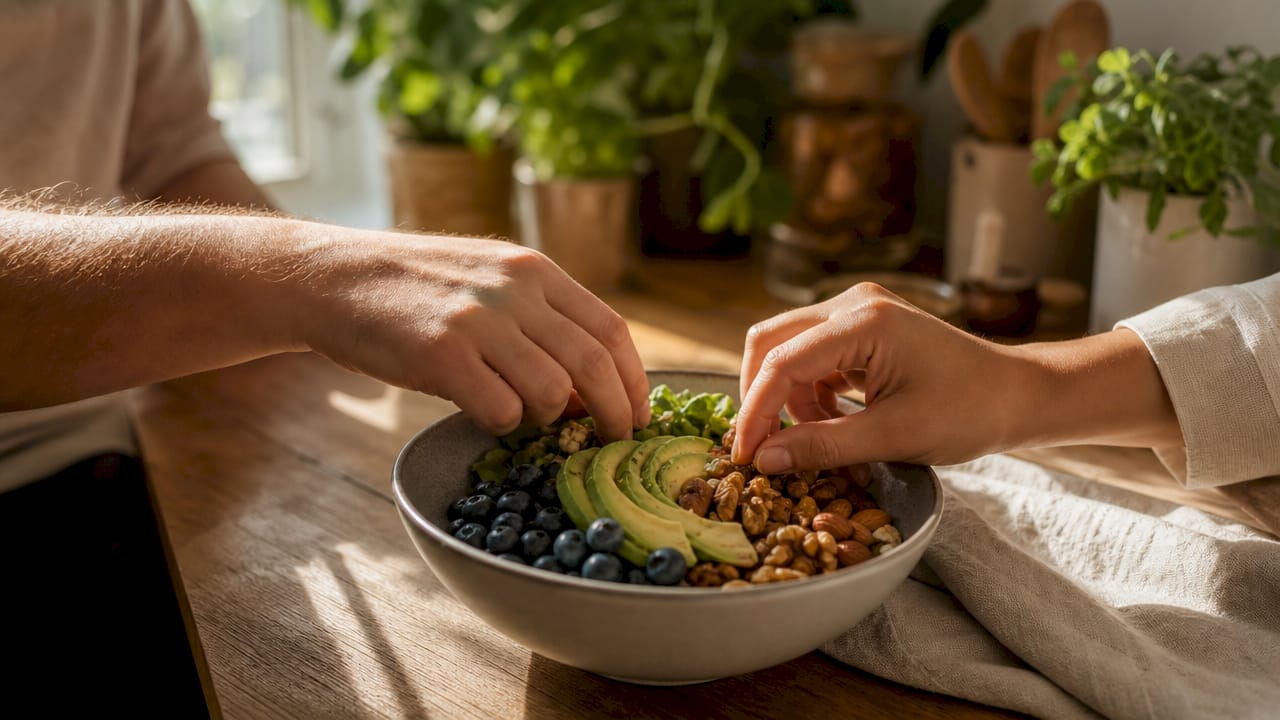
Ultra-processed foods actively undermine this process. High intake of ultra-processed foods correlates with increased impulsive decision-making and lower remission odds in substance use recovery. That correlation is not coincidental. Additives, refined sugars, and artificial flavourings disrupt the gut-brain axis and amplify cravings, making sustained recovery harder.
Wholefoods stabilise blood sugar, and that stability matters enormously for mental recovery. Balanced blood sugar reduces mood fluctuations, anxiety, and irritability that undermine sustained recovery. Complex carbohydrates from whole grains release glucose slowly, keeping your brain fuelled without the spikes and crashes that trigger cravings.
Key wholefoods for neurological and mental recovery include:
- Walnuts and hemp seeds: rich in plant-based omega-3s that reduce neuroinflammation
- Dark leafy greens: provide folate, which supports serotonin synthesis
- Oats and brown rice: complex carbohydrates for steady blood glucose and stable mood
- Pumpkin seeds: high in zinc and magnesium, both linked to reduced anxiety
- Berries: concentrated polyphenols that cross the blood-brain barrier and reduce oxidative stress in neural tissue
Practitioners also note that wholefoods repair nutrient deficiencies caused by chronic stress and substance use, deficiencies that biologically drive fatigue, brain fog, and cravings. Addressing those deficiencies through food rather than supplements delivers the full spectrum of cofactors the brain needs.
Pro Tip: Eat a wide variety of brightly coloured fruits and vegetables every day. Different colours signal different antioxidant compounds. Red, orange, purple, and dark green produce each target different inflammatory pathways in the brain, so variety maximises your neurological recovery.
What are the practical ways to incorporate wholefoods into a recovery diet?
A structured approach works better than gradual substitution. A 1-week dietary reset focused on removing ultra-processed foods while prioritising leafy greens, quality plant proteins, and mineral-rich wholefoods restores metabolic balance and gut health within days. The reset does not require calorie restriction. It requires replacing processed items with whole alternatives, one meal at a time.
Follow this sequence to build a recovery-focused wholefood diet:
- Audit your current diet. Identify the three most frequently eaten ultra-processed foods and replace each with a whole alternative. Swap crisps for mixed nuts and seeds. Replace sugary cereals with oats topped with berries.
- Build every meal around a plant protein. Lentils, chickpeas, hemp seeds, and whole grain products provide amino acids for muscle repair without the inflammatory compounds found in processed meat alternatives.
- Add a leafy green to every meal. Spinach in a morning smoothie, kale in a lunchtime salad, or steamed broccoli at dinner. Consistency matters more than quantity.
- Use nuts and nut butters as recovery snacks. They deliver magnesium, healthy fats, and protein in a format that requires no preparation. Granavitalis sources nutrient-dense nut butters with minimal processing to preserve exactly these compounds.
- Hydrate with whole-food support. Add chia seeds or flaxseed to water or smoothies. Both provide fibre and omega-3s that support the gut and reduce inflammation simultaneously.
The table below summarises key wholefood categories and their primary recovery benefits:
| Wholefood category | Key nutrients | Primary recovery benefit |
|---|---|---|
| Leafy greens | Magnesium, folate, vitamin K | Muscle function, red blood cell support |
| Nuts and seeds | Omega-3s, zinc, vitamin E | Tissue repair, immune support, anti-inflammation |
| Whole grains | B vitamins, complex carbs, fibre | Sustained energy, metabolic restoration |
| Legumes | Amino acids, iron, folate | Muscle protein synthesis, fatigue reduction |
| Berries and coloured fruits | Polyphenols, vitamin C, anthocyanins | Antioxidant protection, neurological support |
Meal prep sustainability is the deciding factor for long-term success. Batch-cook whole grains and legumes at the start of the week. Keep a selection of raw nuts and seeds accessible at all times. The importance of wholefoods in diet comes down to consistency, not perfection.
What common misconceptions exist about wholefoods and recovery?
The most persistent myth is that wholefood diets are calorie-restrictive and leave you hungry. The evidence says the opposite. People on whole-food diets consume 330 fewer calories daily while eating significantly more food by volume. The body self-regulates when it receives the fibre, water content, and nutrient density that wholefoods provide. Hunger is not a feature of this approach.
A second misconception is that all calories are equal. Molecular nutrition science disproves this directly. Polyphenols and plant compounds act as cellular signals that influence inflammation and enzyme activity, effects that a calorie from refined sugar simply does not produce. The source of a calorie determines its biological impact on recovery.
Common misconceptions worth addressing directly:
- “Wholefoods are too expensive.” Oats, lentils, brown rice, and frozen vegetables are among the most affordable foods available. Cost is not a barrier when you prioritise staples over premium branded products.
- “You need supplements to recover properly.” Wholefood nutrient synergy delivers bioavailability that isolated supplements cannot match. Food-first is the evidence-based approach.
- “Wholefoods are restrictive.” A wholefood diet includes thousands of ingredients across every cuisine. Restriction is a feature of ultra-processed diets, not whole-food ones.
Pro Tip: Be cautious of “clean eating” frameworks that create anxiety around food choices. Orthorexia, an obsessive focus on dietary purity, can cause nutritional imbalance and psychological stress. A sustainable wholefood approach is flexible, varied, and free from guilt. Aim for 80% whole foods and allow room for real life.
Key takeaways
Wholefoods support recovery by delivering nutrient synergy, reducing inflammation, stabilising blood sugar, and restoring the neurochemical balance that physical and mental exertion depletes.
| Point | Details |
|---|---|
| Nutrient synergy over supplements | Wholefoods deliver compounds that work together, producing bioavailability no supplement can replicate. |
| Eat more, not less | Whole-food diets provide 50% more food volume while averaging 330 fewer calories daily. |
| Mental recovery requires real food | Magnesium, B vitamins, and polyphenols restore neurotransmitter balance and reduce cravings. |
| Start with a 1-week reset | Remove ultra-processed foods and prioritise leafy greens, plant proteins, and whole grains for seven days. |
| Consistency beats perfection | Batch cooking and accessible wholefood snacks sustain the dietary habits that drive long-term recovery. |
Why I think most recovery nutrition advice misses the point
Most recovery nutrition advice focuses on what to add: protein shakes, electrolyte drinks, vitamin D capsules. After years of watching people cycle through supplements without lasting results, I am convinced the real work happens when you remove ultra-processed foods rather than layer products on top of them.
The gut-brain connection is the most underestimated factor in recovery. When I started paying attention to fibre intake and food quality rather than macronutrient ratios, the shift in mental clarity was faster than any supplement had ever produced. Brain fog lifted within days. That is not placebo. That is short-chain fatty acids from fibre fermentation doing their job.
The other thing most guides ignore is the psychological dimension of eating wholefoods. Preparing real food, handling whole ingredients, and cooking from scratch creates a relationship with nourishment that ultra-processed convenience food destroys. Recovery, whether from injury, burnout, or substance use, requires rebuilding that relationship. Food is not just fuel. It is a daily act of care for your own body.
My honest recommendation: do not wait until you feel ready to overhaul your diet. Start with plant-based recovery principles and build from there. One meal at a time is enough.
— Jarrod
Granavitalis and wholefood recovery nutrition
Recovery nutrition works best when quality ingredients are genuinely accessible. Granavitalis sources ancient grains, premium nuts, seeds, and clean plant proteins with minimal processing, preserving the nutrient density that makes wholefoods effective.

The organic nut and seed butter selection from Granavitalis is a practical starting point for anyone building a recovery-focused diet. Each butter delivers magnesium, healthy fats, and plant-based protein in a format that requires no preparation. For a single-origin option, the raw organic pecan butter provides a concentrated source of polyphenols and zinc. Every product is transparently sourced and crafted to meet the nutritional standards that genuine recovery demands.
FAQ
What are wholefoods and why do they matter for recovery?
Wholefoods are minimally processed foods that retain their natural nutrient profile, including fibre, vitamins, minerals, and polyphenols. They support recovery by delivering nutrient synergy that isolated supplements cannot replicate, accelerating cellular repair and reducing inflammation.
How do wholefoods help with mental health during recovery?
Wholefoods supply magnesium, B vitamins, and amino acids that support neurotransmitter production, including dopamine and serotonin. They also stabilise blood sugar, which directly reduces mood fluctuations, anxiety, and cravings during recovery.
Can wholefoods replace supplements in a recovery diet?
Wholefoods provide nutrient synergy and bioavailability that isolated supplements cannot match. A food-first approach addresses the root deficiencies driving fatigue and brain fog more effectively than supplementation alone.
How quickly can a wholefood diet improve recovery outcomes?
A structured 1-week reset focused on removing ultra-processed foods and prioritising leafy greens, plant proteins, and whole grains can restore metabolic balance and improve gut health within days.
Are wholefood diets practical for people with busy schedules?
Batch cooking whole grains and legumes at the start of the week, combined with accessible wholefood snacks like nuts and nut butters, makes a recovery-focused wholefood diet sustainable without significant daily preparation time.