
Origin plant protein: benefits, risks, and key insights
Plant-based proteins are everywhere right now, and the marketing is convincing. Clean. Pure. Sustainable. But what if the tub you’re scooping from every morning contains hidden fillers, gums, and even traces of heavy metals? Recent independent testing has exposed some uncomfortable truths about popular plant protein powders, including those marketed under the ‘origin’ label. Whether you’re blending post-workout shakes or fortifying your morning porridge, understanding what’s actually inside your protein powder is one of the most important steps you can take for your long-term wellness.
Table of Contents
- What is origin plant protein and why is it popular?
- Key ingredients and additives in popular plant protein powders
- Are plant protein powders always safe? Examining contaminants and quality
- Ancient grains, protein digestibility, and missing ingredients
- How origin plant protein compares with other protein options
- Smart tips for choosing your plant protein blend
- Explore clean plant protein and ancient grain options
- Frequently asked questions
Key Takeaways
| Point | Details |
|---|---|
| Ingredient transparency matters | Always check plant protein labels for fillers and unnecessary additives that may affect digestibility and health. |
| Safety isn’t a given | Lab reports are crucial since many plant proteins may contain unsafe heavy metal levels despite healthy branding. |
| Ancient grains boost nutrition | Including ancient grains enhances protein digestibility and offers additional health benefits missing in many blends. |
| Not all blends suit all needs | Compare protein type, content, and dietary fit to choose the blend matching your wellness goals. |
What is origin plant protein and why is it popular?
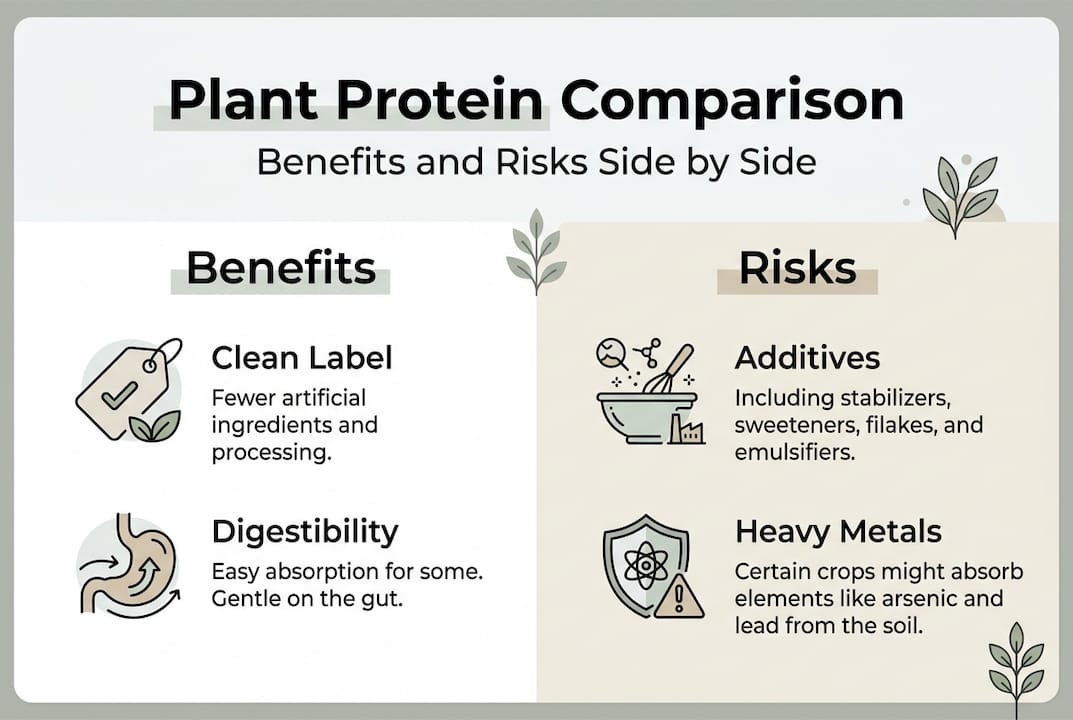
The term ‘origin plant protein’ doesn’t refer to a single brand. It’s a broad descriptor used across the plant-based supplement space to signal that protein comes from whole, plant-derived sources rather than animal products. Brands like Owyn and Orgain sit within this category, drawing on ingredients such as pea protein, brown rice protein, and chia seeds.
The appeal is real. Plant proteins align with vegan and vegetarian lifestyles, carry a lower environmental footprint than whey, and suit the growing number of Europeans prioritising sustainable nutrition. For health-conscious individuals aged 25 to 45, they feel like the obvious choice.
Here’s what draws people to origin plant protein:
- Sustainable sourcing: Lower carbon footprint compared to animal-based proteins
- Vegan and allergen-friendly: No dairy, no lactose, no animal by-products
- Versatile use: Works in smoothies, baking, porridge, and savoury dishes
- Perceived cleanliness: Marketed as natural and minimally processed
- Protein density: Products like Orgain deliver 21g per serving from a pea, rice, and chia blend, though fillers are often present
“Not all plant proteins are created equal. The source matters, but so does everything else in the formula.”
The common misunderstanding is that plant automatically means clean. It doesn’t. To understand why, you need to look at the full ingredient list, not just the front-of-pack claims. Our plant protein nutrition guide breaks this down further, and if you’re watching calories, our low-calorie plant proteins guide is worth a read too.
Key ingredients and additives in popular plant protein powders
Understanding why people choose plant protein, it’s vital to know what you’re really getting in the tub. Most origin-style plant proteins lead with pea protein isolate, followed by brown rice protein. These are solid, functional ingredients. The problems often start further down the label.
Fillers and texture agents are extremely common. Orgain, for example, contains rice dextrin, guar gum, and xanthan gum, earning it a protein quality score of just 68 out of 100. These additives improve mouthfeel and shelf life, but they can reduce digestibility and add unnecessary bulk to your serving.

Pro Tip: Flip the tub and read from the bottom of the ingredient list upward. That’s where the fillers hide. If you see more than two or three gums or starches, consider a cleaner alternative.
Here’s how some popular plant proteins compare on ingredients and quality:
| Product | Protein per serving | Key additives | Quality score |
|---|---|---|---|
| Orgain Organic | 21g | Rice dextrin, guar gum, xanthan gum | 68/100 |
| Owyn | 20g | Flaxseed oil, pea protein isolate | 82/100 |
| Garden of Life | 22g | Probiotics, minimal gums | 79/100 |
| Vega Sport | 30g | Tart cherry, bromelain | 75/100 |
Formulas that include digestive enzymes or ancient grain components tend to score higher because they support how your body actually absorbs the plant protein ingredients. Fewer fillers means more of what you paid for actually reaches your muscles.
Are plant protein powders always safe? Examining contaminants and quality
Once you know what’s inside, it’s time to tackle the crucial question: is it actually safe for regular use? The short answer is: not always, and the evidence is sobering.
Heavy metals including lead, arsenic, cadmium, and mercury are a documented risk in plant-based proteins. Plants absorb minerals from soil, and when protein is concentrated through processing, so are any contaminants present. A 2025 Consumer Reports test found that 14 out of 15 popular plant protein products failed daily safety thresholds for at least one heavy metal.
14 out of 15 plant protein products tested in 2025 failed at least one daily heavy metal safety threshold.
That’s not a fringe finding. That’s a systemic issue across the category.
| Brand | Lead concern | Arsenic concern | Independent lab tested? |
|---|---|---|---|
| Orgain | Moderate | Low | No public report |
| Owyn | Low | Low | Partial |
| Garden of Life | Low | Moderate | Yes |
| Vega Sport | High | Moderate | No public report |
So how do you identify a trustworthy brand? Look for these markers of plant protein safety:
- Third-party lab testing: Published certificates of analysis (COAs) available on request or online
- NSF or Informed Sport certification: Independent quality verification
- Transparent sourcing: Named ingredient origins, not just generic ‘pea protein’
- Low heavy metal claims backed by data: Not just marketing copy
- Short, readable ingredient lists: Fewer ingredients usually means less risk of contamination pathways
Ancient grains, protein digestibility, and missing ingredients
With quality and safety in mind, let’s address a key element often overlooked by many brands: ancient grains and digestibility. Most mainstream plant protein powders, including Origin-style products, skip ancient grains entirely. That’s a significant nutritional gap.
Grains like quinoa, amaranth, and teff are nutritional powerhouses. Quinoa in particular is one of the few plant foods that provides all nine essential amino acids, and it boosts protein digestibility when included in blends. Without them, you may be getting protein quantity without the full nutritional picture.
Here’s what ancient grains bring to a plant protein blend:
- Complete amino acid profiles: Quinoa and amaranth cover all essential amino acids
- Improved digestibility: Natural enzymes and fibre support absorption
- Micronutrient density: Iron, magnesium, zinc, and B vitamins in meaningful amounts
- Gut health support: Prebiotic fibre feeds beneficial gut bacteria
- Lower glycaemic impact: Slower energy release compared to refined starches
Pro Tip: If your current protein powder lacks ancient grains, pair it with a small serving of cooked quinoa or amaranth. You’ll fill the amino acid gaps and add real food nutrition that no additive can replicate.
Learn more about why these ingredients matter in our guide to the benefits of ancient grains, and get the full picture with our ancient grains explained resource.
How origin plant protein compares with other protein options
Now you know the nutritional extras: let’s see how origin plant protein measures up to its main rivals. Ratings and protein content tell part of the story, but the full picture includes digestibility, additives, and what’s missing.
| Product | Protein per serving | Rating | Digestive enzymes | Ancient grains |
|---|---|---|---|---|
| Origin Plant Protein | 25g | 4.8/5 | No | No |
| Ora Organic | 22g | 4.1/5 | Yes | No |
| Myprotein Whey Origin | 30g | 4.5/5 | No | No |
| Garden of Life Sport | 30g | 4.3/5 | Yes | No |
Origin scores impressively on taste and protein density, but Ora edges ahead on digestive support with added enzymes. Whey options like Myprotein deliver higher protein per serving but fall outside plant-based diets entirely.
When choosing between types, consider these factors:
- Dietary requirements: Vegan or lactose-intolerant? Plant protein is non-negotiable
- Digestibility: Enzyme-enhanced formulas or ancient grain blends absorb more efficiently
- Contamination risk: Always check for independent lab results before committing
- Ingredient transparency: Fewer additives means a cleaner nutritional profile
- Environmental values: Plant proteins carry a significantly lower carbon footprint than whey
For a detailed look at how calories stack up across blends, our calorie comparison in protein blends guide gives you the numbers you need.
Smart tips for choosing your plant protein blend
With all the scientific insight, here’s how to put it into practice for better choices every day. The supplement market is crowded and the labelling can be misleading. These steps cut through the noise.
- Read the full ingredient list: Not just the front panel. Look for gums, starches, and artificial sweeteners
- Request or find a COA: A certificate of analysis from an independent lab confirms heavy metal levels
- Choose enzyme-enhanced formulas: Digestive enzymes like protease and bromelain improve protein uptake
- Pair with ancient whole foods: Add quinoa, amaranth, or teff to meals alongside your protein powder
- Avoid proprietary blends: These hide individual ingredient quantities behind vague labels
- Check for certifications: NSF Certified for Sport or Informed Sport logos signal third-party verification
Pro Tip: Demand transparency. If a brand won’t share its lab results when asked directly, that tells you something important about how much they trust their own product.
The most important factors are safety first, then digestibility, then protein content. A powder with heavy metal contamination risk isn’t worth the protein, no matter how impressive the macros look. Our ancient grain nutrition guide gives you a solid framework for building a genuinely nutrient-dense plant-based diet.
Explore clean plant protein and ancient grain options
Armed with all this knowledge, here’s how to take your plant-based nutrition journey further. At Granavitalis, we believe your protein choices should come with full ingredient transparency and a genuine nutritional story behind every scoop, spoonful, and handful.
We source ancient grains, premium nuts, seeds, and clean plant proteins with minimal processing and maximum integrity. Whether you’re upgrading your smoothie base, enriching your baking, or building a high-protein meal plan rooted in real food, our range gives you options you can actually trust. Explore our organic pecan butter for a protein-rich, wholefood addition to your daily routine, or browse our nut and seed butter selection for clean, flavour-packed nutrition. Our nibbed hazelnuts are a brilliant topping for protein bowls and porridge alike. Simple ingredients. Real nutrition. No shortcuts.
Frequently asked questions
Does origin plant protein contain heavy metals?
Many commercial plant proteins, including Origin-style products, can carry elevated heavy metals. 14 out of 15 products failed daily safety thresholds in 2025 testing, so always request independent lab reports before buying.
Are there fillers or gums in origin plant protein?
Yes, common additives like rice dextrin, guar gum, and xanthan gum appear regularly in plant protein formulas. Check the full ingredient list, not just the headline claims on the front of the packaging.
Why are ancient grains important in plant protein blends?
Ancient grains like quinoa improve amino acid completeness and boost protein digestibility, yet most mainstream blends including Origin omit them entirely, leaving a meaningful nutritional gap.
How does origin plant protein rate compared to other brands?
Origin scores 4.8 out of 5 for overall rating, higher than Ora’s 4.1 out of 5, but Ora includes digestive enzymes that Origin lacks, making it a stronger choice for those with absorption concerns.
Recommended
- Understanding plant protein: complete nutrition guide – Granavitalis
- Types of Plant Proteins – Vital Nutrition for Modern Life – Granavitalis
- Examples of vegetable protein for balanced diets – Granavitalis
- Plant-Based Protein Isolate: Wellness And Recovery – Granavitalis
- Plant-Based Supplements: Benefits for Wellness Seekers