
Types of Plant Proteins – Vital Nutrition for Modern Life
Most british adults are surprised to learn that over 50 percent of daily protein can come from plants without sacrificing nutrition or taste. Plant proteins are breaking old myths and reshaping what balanced eating looks like in the United Kingdom and beyond. Understanding how legumes, grains, seeds, and nuts stack up against animal sources helps you make smarter choices for health, variety, and sustainability without missing out on key nutrients or flavour.
Table of Contents
- Plant Proteins Defined: Nutrition and Misconceptions
- Key Categories: Legumes, Grains, Seeds, Nuts
- Protein Quality: Amino Acids and Digestibility
- Real-World Uses: Breakfasts, Powders, Ancient Grains
- Comparing Plant and Animal Protein Sources
- Risks, Allergies, and Informed Choices
Key Takeaways
| Point | Details |
|---|---|
| Nutritional Equality | Modern research confirms that plant proteins can be as effective as animal proteins for supporting muscle growth and overall health. |
| Diverse Sources | Combining different plant protein sources ensures a complete amino acid profile, making plant-based diets nutritionally robust. |
| Broader Benefits | Plant proteins offer additional advantages, including higher fibre content, lower saturated fat, and reduced environmental impact. |
| Personalised Approach | Consider individual health needs and potential sensitivities when incorporating plant proteins into the diet. |
Plant Proteins Defined: Nutrition and Misconceptions
Plant proteins represent a nutritional powerhouse that challenges traditional meat-centric dietary assumptions. Unlike outdated perceptions, modern research reveals plant proteins are remarkably comparable to animal-based proteins in supporting muscle growth and overall health. These protein sources derive from diverse botanical origins like legumes, grains, nuts, and seeds, each offering unique nutritional profiles that contribute to comprehensive dietary needs.
The landscape of protein understanding has dramatically transformed, with scientific evidence dismantling long-standing misconceptions. For instance, studies have comprehensively debunked myths surrounding plant protein’s amino acid completeness. Contrary to popular belief, strategic combination of plant protein sources can provide all essential amino acids required for optimal human nutrition. Proteins from sources like quinoa, hemp seeds, and soy are particularly noteworthy for their comprehensive amino acid composition.
Understanding plant proteins requires recognising their multifaceted benefits beyond mere protein content. These nutritional powerhouses often bring additional advantages such as:
- Higher fibre content
- Lower saturated fat levels
- Rich micronutrient profiles
- Lower environmental impact
- Enhanced digestibility
By embracing plant proteins, individuals can support personal health while contributing to more sustainable nutritional practices. The key lies in diversifying protein sources and understanding that plant-based nutrition can be both delicious and nutritionally complete.
Key Categories: Legumes, Grains, Seeds, Nuts
Plant proteins encompass a diverse range of nutritional sources that offer remarkable health benefits. According to research from the University of Nottingham, these protein categories are distinguished by their unique nutritional profiles and exceptional versatility in supporting human dietary needs.

Legumes stand out as protein powerhouses, including beans, lentils, chickpeas, and peas. These botanical wonders provide not just protein, but also essential minerals, complex carbohydrates, and significant dietary fibre. Whole grains like quinoa, amaranth, and brown rice complement legumes by offering additional protein diversity, complete amino acid profiles, and sustained energy release.
Seeds and nuts represent another critical protein category, delivering concentrated nutritional value. Consider these nutritional champions:
- Chia seeds: High omega-3 content
- Almonds: Rich in vitamin E
- Pumpkin seeds: Excellent zinc source
- Hemp seeds: Complete protein profile
- Walnuts: Brain-supporting nutrients
Diverse plant protein sources can be strategically combined to create comprehensive nutrition, demonstrating that plant-based diets can be both delicious and nutritionally robust. The key is understanding each category’s unique strengths and incorporating them thoughtfully into daily meals.
Protein Quality: Amino Acids and Digestibility
Protein quality represents a complex interplay of nutritional components that determines how effectively our bodies can utilise plant-based proteins. Research examining amino acid profiles reveals the intricate nature of protein bioavailability, challenging traditional assumptions about plant protein effectiveness.
Understanding protein quality requires a deep dive into amino acid composition. Comparative studies between animal and plant proteins highlight critical differences in nutritional and functional properties. While animal proteins have historically been considered complete proteins, plant-based sources can achieve similar nutritional profiles through strategic combination. Quinoa, for instance, offers a complete amino acid profile, while combining beans with rice creates a complementary protein source that delivers all essential amino acids.
Digestibility emerges as another crucial factor in protein quality. Different plant proteins demonstrate varying levels of digestibility and absorption, influenced by factors such as:
- Protein processing methods
- Presence of anti-nutritional factors
- Protein structure and complexity
- Individual metabolic differences
- Preparation techniques
The key to maximising plant protein nutrition lies in understanding these nuanced factors. Diverse protein sources can be combined and prepared strategically to enhance digestibility, ensuring optimal nutrient absorption and supporting overall health and wellness.
Real-World Uses: Breakfasts, Powders, Ancient Grains
Plant proteins have revolutionised modern nutrition, offering versatile solutions for diverse dietary needs. Research from the University of Birmingham demonstrates the remarkable potential of vegan protein supplements in supporting muscle health and overall wellness, challenging traditional protein consumption methods.
Breakfast represents a prime opportunity for integrating plant-based proteins. Ancient grains like quinoa, amaranth, and teff provide substantial protein content while delivering complex carbohydrates and essential nutrients. These grains can be transformed into nutritious porridges, overnight oats, and energising breakfast bowls that sustain energy levels throughout the morning.
Protein powders have emerged as a convenient nutrition strategy for individuals seeking quick, efficient protein intake. Different plant-based options offer unique benefits:
- Pea protein: Easily digestible
- Hemp protein: Rich in omega fatty acids
- Brown rice protein: Hypoallergenic
- Soy protein: Complete amino acid profile
- Mixed plant protein blends: Comprehensive nutrition
Ancient grains provide an excellent foundation for high-protein breakfast routines, enabling individuals to craft meals that are both nutritionally dense and remarkably delicious. The key lies in understanding each protein source’s unique characteristics and integrating them strategically into daily nutrition.
Comparing Plant and Animal Protein Sources
Protein sources represent a complex nutritional landscape with nuanced differences between plant and animal origins. Comprehensive research challenges long-standing misconceptions about protein quality and completeness, revealing that plant proteins can be equally effective in meeting human dietary requirements.
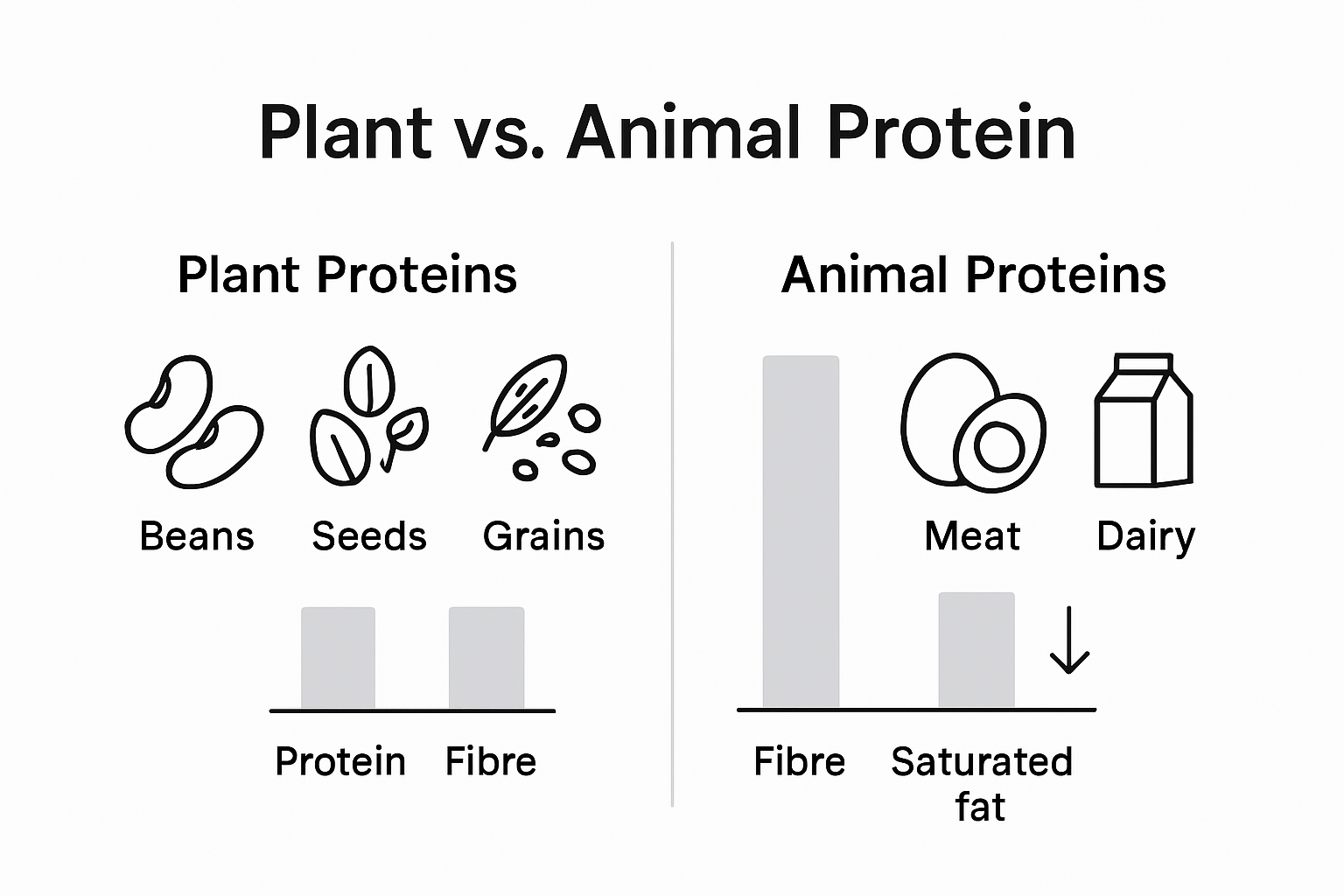
Nutritional comparisons highlight critical distinctions between animal and plant protein profiles, extending beyond simple protein content. While animal proteins traditionally provide a more straightforward amino acid profile, plant proteins offer additional benefits such as lower saturated fat content, higher fibre levels, and reduced environmental impact. Strategic combinations of plant proteins can create complete amino acid profiles that rival animal-based sources.
Key comparative aspects between plant and animal proteins include:
- Amino acid composition
- Digestibility rates
- Nutrient density
- Environmental sustainability
- Inflammatory potential
- Micronutrient content
Plant-based protein sources demonstrate remarkable nutritional versatility, offering individuals a comprehensive approach to meeting dietary protein requirements. The future of nutrition lies in understanding and leveraging the unique strengths of diverse protein sources, moving beyond traditional dietary paradigms.
Risks, Allergies, and Informed Choices
Plant protein consumption requires careful consideration of individual health needs and potential sensitivities. Dietary research highlights the importance of understanding potential histamine-related reactions, particularly for individuals with specific digestive or immunological vulnerabilities.
Plant-based protein sources present unique allergen profiles that differ from traditional animal proteins, necessitating a nuanced approach to dietary selection. Common plant protein allergens include soy, nuts, and legumes, which can trigger immune responses in sensitive individuals. Careful ingredient examination and gradual introduction of new protein sources can help mitigate potential adverse reactions.
Key considerations for managing plant protein risks include:
- Individual allergy testing
- Gradual dietary introduction
- Comprehensive ingredient analysis
- Understanding cross-reactivity potential
- Consulting healthcare professionals
- Monitoring personal physiological responses
Navigating plant-based protein choices requires informed, personalised nutrition strategies, emphasising the importance of individual health assessment and tailored dietary approaches. The goal is not elimination, but intelligent, mindful integration of diverse protein sources that support overall wellness.
Embrace Vital Nutrition with Granavitalis for Modern Life
The article highlights common challenges in adopting effective plant protein nutrition such as understanding amino acid completeness, digestibility, and balancing diverse sources like legumes, seeds, and ancient grains. Many readers seek reliable, nutrient-dense options that support strength, recovery, energy and balance without compromising on purity or taste. Granavitalis answers this need by offering naturally sourced plant-based proteins and ancient grains rooted in tradition but tailored for today’s active lifestyles.
Discover how you can harness the power of clean, wholefood vitality with our premium range that respects the unique qualities of plant proteins. From gluten-free ancient grain flours to high-impact vegan proteins and flavourful nut butters, every product is thoughtfully crafted to provide maximal integrity, superior performance and true wellness. Let us be your partner in building a nutrient-dense foundation for mindful living and nourishing your body with simplicity and clarity.
Explore our carefully selected collection and start your journey to smart energy and sustainable nutrition today. Visit Granavitalis to experience the difference of foods that fuel your day and honour the past.
Fuel your daily strength with nature’s finest plant proteins.
Ready to transform your nutrition with ancient grains and clean plant proteins Choose Granavitalis for food that supports your ambitions and nurtures your wellbeing now. Learn more at Granavitalis and elevate your meals with mindful power-ups crafted for modern life.
Frequently Asked Questions
What are the main types of plant proteins?
The main types of plant proteins include sources from legumes (such as beans, lentils, and chickpeas), whole grains (like quinoa and brown rice), seeds (such as chia and hemp seeds), and nuts (such as almonds and walnuts). Each category offers distinct nutritional profiles and health benefits.
How can I ensure I get all essential amino acids from plant proteins?
To derive all essential amino acids from plant proteins, you can strategically combine different sources, such as pairing beans with rice or consuming quinoa, which provides a complete amino acid profile on its own. This approach ensures that you meet your body’s amino acid needs effectively.
What are the health benefits of consuming plant proteins over animal proteins?
Plant proteins typically offer higher fibre content, lower saturated fat levels, and a richer micronutrient profile compared to animal proteins. Additionally, they may have a lower environmental impact and contribute to optimal digestive health.
How can I incorporate plant proteins into my breakfast?
You can incorporate plant proteins into your breakfast by using ancient grains like quinoa or amaranth in porridge, adding nut butters or seeds to smoothies, or using plant-based protein powders in overnight oats or protein shakes.
Recommended
- Complete Guide to the Role of Plant Based Proteins – Granavitalis
- Top 10 Vegan Sources of Protein for Your Diet – Granavitalis
- Why Choose Plant-Based Protein? Understanding Its Benefits – Granavitalis
- 7 Plant-Based Protein Sources You Need to Try – Granavitalis
- Complete Guide to Benefits of Plant-Based Pre-Workout – Interval