
Why minimal processing nutrition matters for your health
TL;DR:
- Minimal processing in nutrition involves techniques like washing, freezing, drying, and fermenting that preserve a food’s natural nutrients without artificial additives.
- Eating minimally processed foods leads to greater weight loss and fewer cravings compared to ultra-processed diets, due to better satiety hormone response and nutrient retention.
- Choosing recognizable ingredients and minimally processed methods ensures better nutrient stability, energy regulation, gut health, and overall long-term health benefits.
Minimal processing in nutrition is defined as any technique, such as washing, freezing, drying, pasteurising, or fermenting, that alters a food’s form without stripping its original nutritional structure or adding artificial substances. The NOVA classification places these foods in Group 1, recognising them as the gold standard for nutrient integrity. Why minimal processing nutrition deserves your attention comes down to one measurable fact: people eating minimally processed diets lost nearly twice as much weight and reported 50% fewer cravings compared to those eating ultra-processed diets. That is not a marginal difference. It is a structural one, rooted in how your body responds to food that has been left largely intact.
How does minimal processing differ from ultra-processing in nutritional impact?
The gap between minimal and ultra-processing is not simply a matter of degree. It is a difference in biological outcome. Minimally processed foods retain their cellular structure, fibre matrix, and micronutrient profile. Ultra-processed foods (NOVA Group 4) are industrially reformulated with refined starches, sweeteners, dyes, emulsifiers, and flavour enhancers that your body does not recognise as whole food.
The physiological consequences are significant. Ultra-processed foods suppress Peptide YY, the satiety hormone that signals fullness to your brain. When Peptide YY is chronically suppressed, hunger returns faster and portion control becomes genuinely harder. This is not a willpower problem. It is an engineered one.
Heat intensity is another dividing line. Ultra-processing uses high-temperature extrusion, hydrogenation, and repeated refining that degrade heat-sensitive vitamins like vitamin C and B1, and denature protein structures. Minimal processing, by contrast, uses household-level thermal treatment or cold methods that preserve micronutrients and support mineral absorption.
| Feature | Minimally processed | Ultra-processed |
|---|---|---|
| Ingredient list | Short, recognisable | Long, chemical additives |
| Nutrient retention | High | Significantly reduced |
| Satiety hormone response | Supports Peptide YY | Suppresses Peptide YY |
| Calorie intake effect | Regulated | 500+ extra calories daily |
| Processing method | Washing, freezing, fermenting | Extrusion, hydrogenation, refining |
Pro Tip: When reading an ingredient label, count the ingredients and ask whether you recognise each one. A label with five familiar items, such as oats, water, salt, and honey, signals minimal processing. A label with 20 items including maltodextrin, carrageenan, or modified starch signals ultra-processing.
What are the scientifically proven health benefits of minimally processed nutrition?
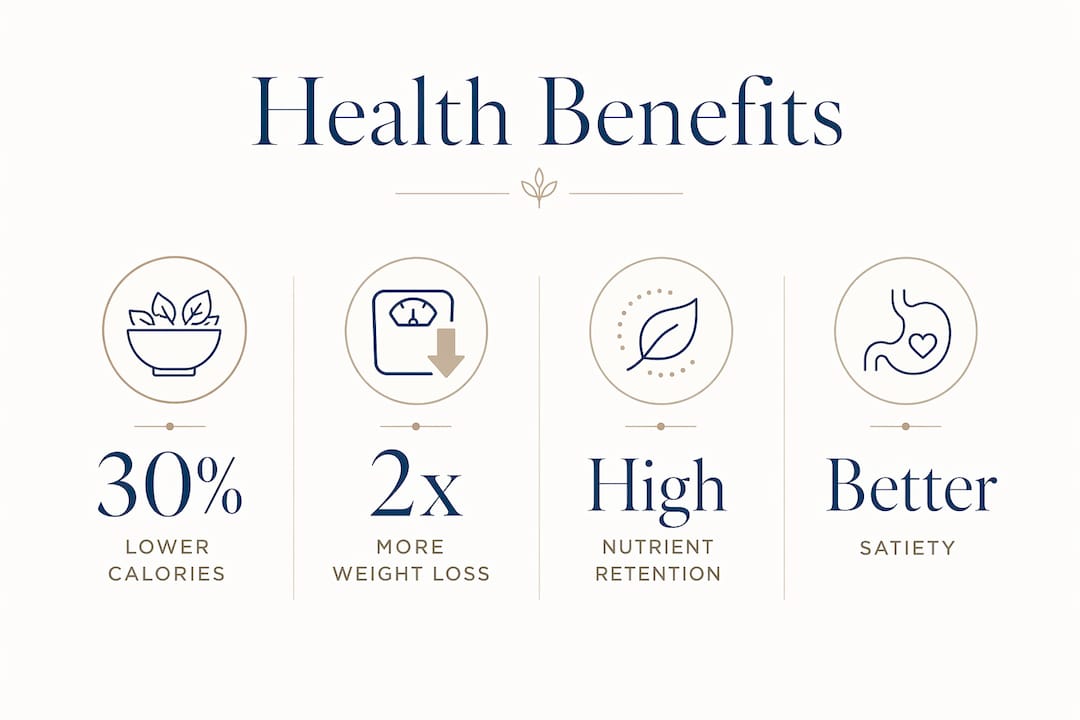
The evidence base for whole food, minimally processed diets has strengthened considerably in 2026. A meta-analysis of over 140,000 subjects found that higher consumption of coarse minimally processed cereals correlated with lower body fat percentage. Ultra-processed food intake, by comparison, increased obesity risk by approximately 7% for every 10% rise in caloric contribution from those foods. These are population-level signals that dietary pattern matters as much as individual food choices.
The mechanisms behind these outcomes are well understood. Minimally processed foods preserve fibre, which slows glucose absorption and supports stable energy levels throughout the day. They retain the nutrient bioavailability that drives hormonal regulation, immune function, and metabolic efficiency. When your food arrives with its original matrix intact, your digestive system extracts more from less.
Documented health benefits of minimally processed nutrition include:
- Sustained satiety: Intact fibre and protein structures slow digestion, keeping hunger at bay for longer periods.
- Reduced cravings: Without engineered flavour intensity, appetite signals normalise over time.
- Gradual, stable weight loss: Participants on minimally processed diets consumed significantly fewer calories without deliberate restriction.
- Improved metabolic markers: Reduced exposure to refined sugars and additives supports insulin sensitivity and lipid profiles.
- Better energy regulation: Slower glucose release prevents the energy spikes and crashes associated with ultra-processed snacks.
- Enhanced gut health: Fermented and fibre-rich minimally processed foods feed beneficial gut bacteria.
“Fearmongering around processing leads to disordered eating; focusing on overall dietary patterns with flexibility and balance is key for sustainable health.” — UPMC HealthBeat
This perspective matters. The goal is not to treat every processed food as toxic. It is to shift the balance of your diet towards foods that work with your biology rather than against it.
Which minimal processing techniques preserve the most nutrients?
Not all minimal processing techniques are equal in their effect on nutrient retention, and understanding the differences helps you make smarter choices at every stage, from shopping to cooking.
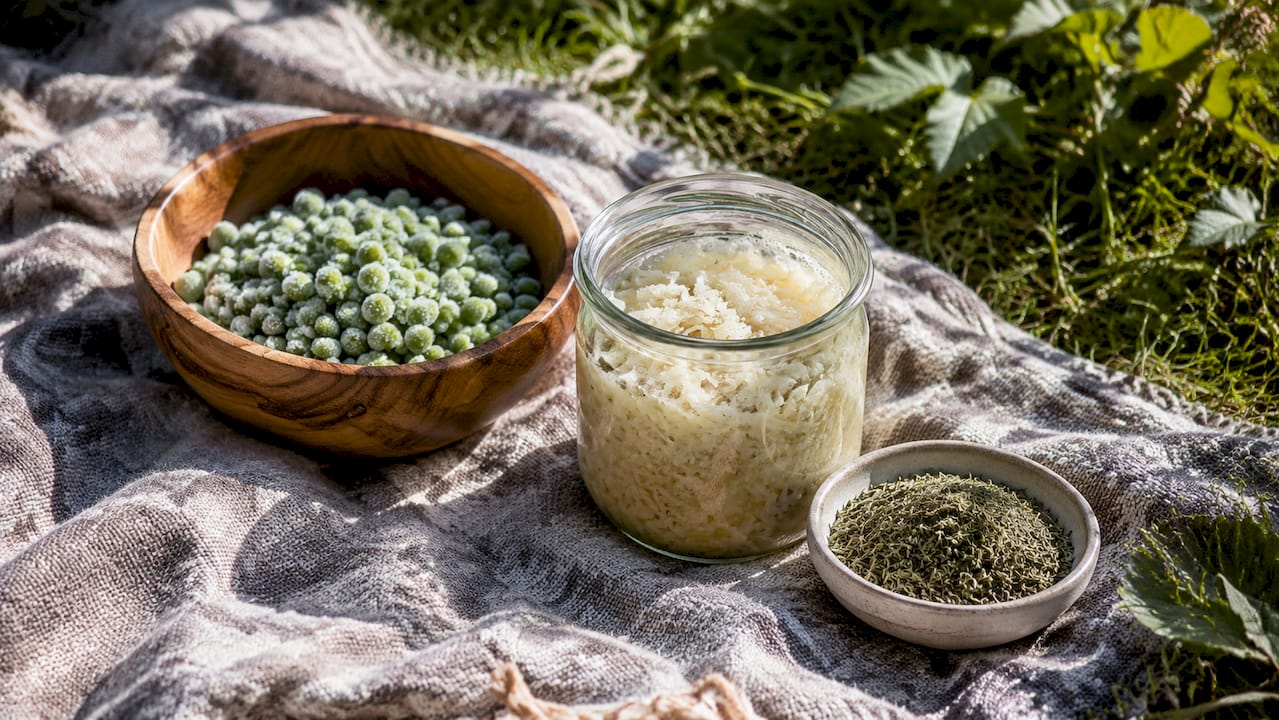
Freezing is one of the most misunderstood techniques. Many people assume fresh is always superior, but frozen vegetables often preserve more nutrients than fresh produce transported and stored for several days. Freezing locks in vitamins and minerals at peak ripeness, before oxidation and cellular breakdown begin. Choosing frozen spinach, peas, or berries is not a compromise. It is often the smarter nutritional choice.
Fermentation and soaking are traditional techniques with a measurable biochemical benefit. Fermentation reduces phytates and oxalates in whole grains and legumes, antinutrients that would otherwise bind to minerals like iron, zinc, and calcium and prevent absorption. Sourdough bread, fermented oats, and soaked lentils are practical examples where ancient food preparation directly improves what your body can actually use. Granavitalis draws on exactly this principle, sourcing grains that honour traditional preparation methods rather than industrial shortcuts.
Non-thermal technologies represent the frontier of minimal processing. High-Pressure Processing (HPP) preserves heat-sensitive vitamins and phytochemicals that conventional thermal methods destroy. Cold-pressed nut butters and HPP-treated juices retain bioactive compounds that would be lost in standard pasteurisation. Understanding how processing affects nutrient integrity helps you evaluate products beyond their marketing claims.
| Technique | Key nutrients preserved | Notes |
|---|---|---|
| Freezing | Vitamins C, A, folate | Best when frozen at peak ripeness |
| Fermentation | Minerals (iron, zinc, calcium) | Reduces antinutrients; improves absorption |
| Cold pressing | Phytochemicals, vitamin E | Avoids heat degradation of oils and butters |
| High-Pressure Processing | Vitamin C, B1, phytochemicals | Superior to thermal for labile vitamins |
| Drying/dehydration | Minerals, some B vitamins | Vitamin C losses occur; minerals concentrate |
Pro Tip: Steam rather than boil vegetables wherever possible. Boiling leaches water-soluble vitamins like vitamin C and folate directly into the cooking water. Steaming retains up to 50% more of these nutrients in the food itself.
How can you practically choose minimally processed foods every day?
Shifting towards a minimally processed diet does not require a complete overhaul of your kitchen. It requires a shift in how you read, shop, and prioritise. The benefits of unprocessed grains and whole foods are well documented, but the practical barriers, cost, time, and habit, are real. Here is how to address them directly.
Start with ingredient labels. Short, recognisable ingredient lists are the clearest signal of minimal processing. If you cannot picture an ingredient growing in a field or being produced in a kitchen, it is likely an industrial additive. Five ingredients or fewer is a useful working rule for packaged foods.
Balance convenience with quality. Frozen produce, tinned legumes in water, and plain rolled oats are all minimally processed and genuinely convenient. They are not inferior alternatives. They are practical tools for eating well without spending hours in the kitchen. Pairing these with sustainable home preparation methods like batch cooking, soaking grains overnight, or fermenting simple foods compounds the nutritional benefit over time.
Processed culinary ingredients, including salt, cold-pressed olive oil, and raw honey, sit in NOVA Group 2 and are not the enemy. Used in moderation alongside minimally processed foods, they enhance both flavour and diet quality without the risks associated with ultra-processed products.
Practical swaps to start this week:
- Replace breakfast cereals with rolled oats, ancient grain porridge, or soaked muesli.
- Swap flavoured yoghurt for plain whole-milk yoghurt with fresh fruit.
- Choose whole nuts and seeds over roasted, salted, or coated snack mixes.
- Use frozen vegetables freely. They are nutritionally equivalent or superior to long-stored fresh.
- Read labels on nut butters. The ingredient list should read: nuts. Nothing else.
- Explore wholefood nutrition tips for building a diet around real, recognisable ingredients.
Key takeaways
Minimally processed foods preserve the nutritional structure, satiety hormones, and bioavailability that ultra-processed foods systematically dismantle, making them the most reliable foundation for long-term health.
| Point | Details |
|---|---|
| Minimal processing defined | Techniques like freezing, fermenting, and drying preserve food structure without chemical additives. |
| Satiety and weight outcomes | Minimally processed diets produce twice the weight loss and 50% fewer cravings versus ultra-processed diets. |
| Nutrient bioavailability | Fermentation and cold pressing enhance mineral absorption and preserve heat-sensitive vitamins. |
| Freezing is underrated | Frozen produce often retains more nutrients than fresh items stored for several days post-harvest. |
| Label reading as a tool | Ingredient lists with five or fewer recognisable items reliably indicate minimal processing. |
What I have learned from years of watching people eat better
The most common mistake I see is treating minimal processing as an all-or-nothing philosophy. People read about ultra-processed foods, panic, and either go to extremes or give up entirely because the standard feels unachievable. Neither response serves them.
What actually works is simpler than the debate suggests. When you build your diet around foods that still look like what they were when they came out of the ground, or off the tree, or out of the fermentation jar, your body responds. Not dramatically, not overnight, but consistently. The cravings reduce. The energy stabilises. The hunger becomes easier to read and respond to.
The science on coffee processing and minimal intervention mirrors what we see in food more broadly: the less you interfere with the original material, the more of its character survives. That principle holds whether you are talking about a green coffee bean or a whole grain.
What I find most telling is the satiety data. The fact that ultra-processed diets lead to 500 or more extra calories per day without people feeling fuller is not a personal failing. It is a design outcome. The foods are engineered to keep you eating. Recognising that removes the guilt and replaces it with a practical framework: choose foods that your body can actually read.
Perfection is not the point. A diet that is 80% minimally processed and 20% flexible is vastly better than a diet that swings between rigid restriction and abandonment. Start with one meal. Get that right. Build from there.
— Jarrod
Real food, ready to go: Granavitalis products built on minimal processing

Granavitalis sources and crafts products that put minimal processing at the centre of every ingredient decision. The Immune Booster Superfood Bundle brings together a curated selection of minimally processed superfoods, chosen for nutrient density and clean sourcing, to support immunity, energy, and daily resilience. For a genuinely simple, nutrient-intact addition to your mornings, the Raw Organic Pecan Butter by RAWGORILLA is cold-pressed from raw organic pecans with a single-ingredient list. No additives, no refined oils, no compromise. Both products reflect the Granavitalis commitment: purity, performance, and purpose in every bite.
FAQ
What is minimal processing in food?
Minimal processing refers to techniques such as washing, freezing, drying, pasteurising, and fermenting that preserve a food’s original nutritional structure without adding chemical additives. The NOVA classification defines these as Group 1 foods, the closest to their natural state.
Why are minimally processed foods better for weight management?
People on minimally processed diets consumed over 500 fewer calories per day and lost nearly twice as much weight compared to those eating ultra-processed diets, largely because intact fibre and protein support satiety hormone function rather than suppressing it.
Does freezing reduce the nutritional value of food?
No. Freezing is a form of minimal processing that locks in nutrients at peak ripeness. Frozen vegetables frequently preserve more vitamins and minerals than fresh produce that has been transported and stored for several days.
How do I identify a minimally processed food on a supermarket shelf?
Check the ingredient list. Five or fewer recognisable ingredients, with no emulsifiers, sweeteners, or chemical additives, is a reliable indicator of minimal processing. If you cannot picture the ingredient in its natural form, it likely does not belong in a minimally processed product.
Are all processed foods harmful?
No. Processed culinary ingredients like cold-pressed olive oil, salt, and raw honey sit in NOVA Group 2 and support diet quality when used in moderation. The concern is with ultra-processed Group 4 foods engineered with industrial additives, not with every food that has been touched before it reaches your plate.