
Why avoid hybridised grains: health and nutrition guide
TL;DR:
- Hybridised grains are artificially crossbred crops designed for yield and durability, often sacrificing nutritional value and ecological balance. Consuming modern hybrid grains can increase allergenicity, mineral deficiencies, and digestive issues due to modified gluten structures and lower micronutrient content. Choosing heritage, non-hybrid grains supports personal health, soil vitality, and seed sovereignty, contributing to a more sustainable food system.
Hybridised grains are man-made crossbreeds engineered primarily for yield and industrial efficiency, not nutritional completeness. Understanding why avoid hybridised grains matters starts with recognising that modern wheat, for example, bears little resemblance to the emmer or einkorn from which it descended. The breeding process that created today’s dominant grain varieties prioritised shelf life, pest resistance, and harvest volume. What it sacrificed, often quietly, was mineral density, digestive compatibility, and ecological balance. The term “hybridised grains” is the informal descriptor; the recognised agricultural term is selective cross-breeding, and the health implications of this process are now the subject of serious nutritional scrutiny in 2026.
Why avoid hybridised grains: what they are and how they differ
Hybridisation and genetic modification are not the same process, though both share chemical-intensive farming practices that affect health. Hybridisation is conventional cross-breeding between two plant varieties to produce offspring with selected traits. Genetic modification (GMO) involves splicing genes from unrelated species. The confusion between the two is understandable, but the distinction matters when you are choosing grains for digestive health and long-term wellness.
Modern hybrid wheat was bred throughout the 20th century to produce shorter stalks, faster growth cycles, and higher yields per hectare. Ancient grains such as Spelt, Fonio, Teff, and Einkorn were never subjected to this industrial redesign. They retain their original gluten structures, mineral profiles, and fibre compositions. The nutritional density of ancient grains reflects thousands of years of co-evolution with human digestive systems, not decades of laboratory selection.
| Trait | Hybridised grains | Ancient and traditional grains |
|---|---|---|
| Breeding method | Industrial cross-breeding for yield | Natural selection or minimal human intervention |
| Gluten structure | Modified, higher gluten content | Original, lower or more digestible gluten |
| Mineral density | Reduced iron, magnesium, zinc | Higher trace mineral content |
| Seed reproduction | Cannot reliably self-reproduce | Open-pollinated, seed-saving possible |
| Chemical dependency | High herbicide and pesticide use | Lower synthetic input requirements |
The structural differences in gluten are particularly significant. Hybrid wheat contains gluten proteins that differ from those in heritage varieties, and this modification is directly linked to the rise in gluten-related disorders over the past five decades.
What are the health risks of consuming hybridised grains?
The health risks of hybrid grains include increased allergenicity, mineral deficiencies, and digestive disruption. Research links the intense hybridisation of wheat to heightened gluten-related sensitivities and celiac-like reactions, driven by the modified gluten protein structures present in modern varieties. Hybrid soybeans show the same pattern, with measurably increased allergenicity compared to ancestral varieties.
Mineral deficiencies are a consistent finding across nutritional analyses of hybridised grains. Hybrid grains contain lower levels of iron, magnesium, and zinc compared to traditional varieties. These are not minor trace elements. Magnesium alone is involved in over 300 enzymatic reactions in the human body, and its deficiency is associated with fatigue, muscle cramps, and impaired glucose metabolism.
Dr Sebi’s nutritional philosophy, which has influenced a growing segment of alkaline and plant-based nutrition communities, holds that hybridised grains disrupt mineral balance and contribute to mucus formation and digestive stress. The higher starch content in hybrid grains, combined with lower life-sustaining micronutrients, creates a nutritional profile that burdens rather than supports the body. This perspective aligns with broader concerns about the impact of hybrid grains on health and inflammation.
The chemical exposure dimension adds another layer of concern. HB4 wheat, a GMO variety tolerant to the herbicide glufosinate, has recently received US approval despite significant health objections. Glufosinate is 166 times more toxic than glyphosate in long-term exposure studies and is linked to reproductive health issues including birth defects. The EU has banned it. The fact that residues of this compound now enter the food supply through approved grain crops is a direct argument for choosing non-hybrid alternatives.
Key health concerns associated with hybridised grain consumption:
- Gluten sensitivity and celiac-like reactions driven by modified protein structures in hybrid wheat
- Iron, magnesium, and zinc deficiencies from lower trace mineral content in hybrid varieties
- Digestive stress and mucus formation linked to high starch and low micronutrient profiles
- Herbicide residue exposure from glufosinate and glyphosate used in hybrid and GMO grain farming
- Increased allergenicity observed in hybrid soy and wheat compared to ancestral varieties
- Chronic inflammation associated with regular consumption of chemically farmed hybrid grains
Pro Tip: If you are experiencing unexplained digestive discomfort, fatigue, or skin issues, consider trialling a two-week switch to ancient grain alternatives such as Teff or Spelt before seeking a formal intolerance diagnosis. Many people notice measurable improvements before any clinical test confirms a sensitivity.
Why do hybridised grains pose ecological and economic challenges?
Hybrid crops reduce biodiversity and increase ecosystem vulnerability by creating monocultures that require heavy pesticide use to survive. When a single hybrid variety dominates millions of hectares, a single pathogen or climate shift can devastate an entire harvest. The Irish Potato Famine is the historical lesson the agricultural industry has repeatedly failed to apply to grain production.
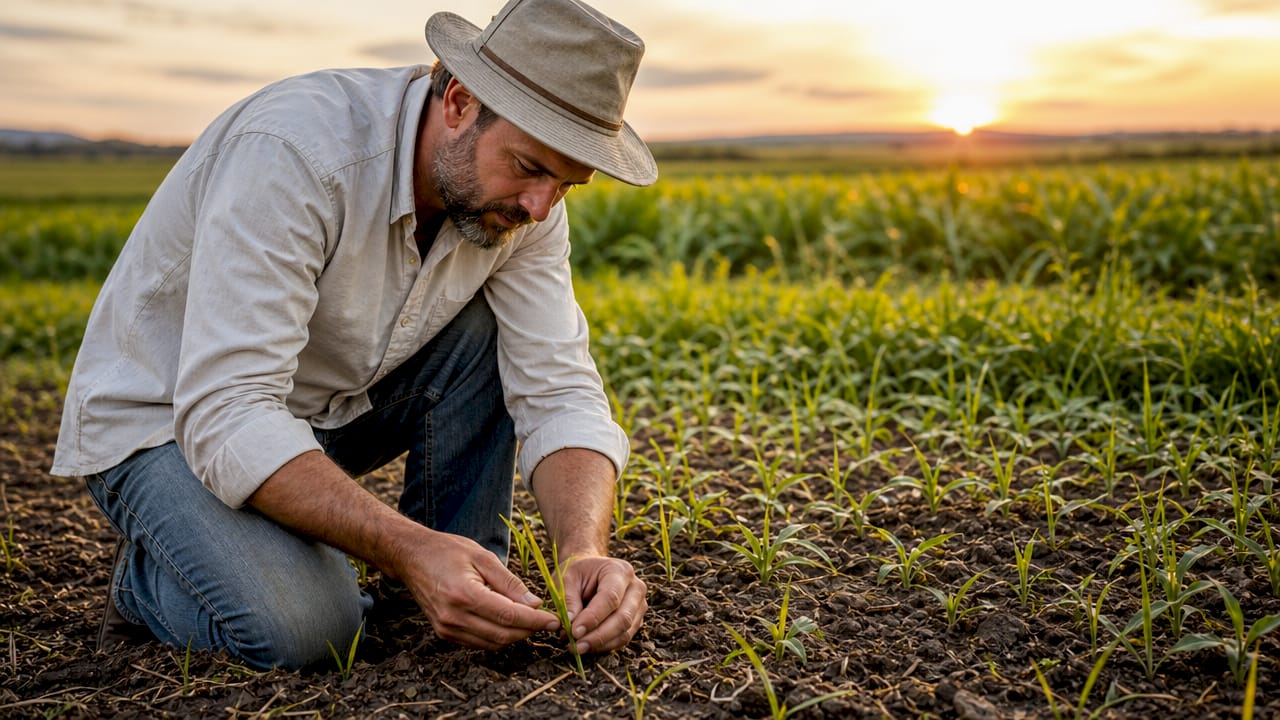
The economic trap for farmers is equally damaging. Hybrid seeds degrade in second-generation plants, which means farmers cannot save seeds from one harvest to plant the next. They must purchase new seeds each season from the same corporate suppliers. Ancient grains, by contrast, are open-pollinated and maintain yield consistency and nutrient richness without this dependency. Seed sovereignty, the right of farmers to save and replant their own seeds, is effectively eliminated by the hybrid seed model.
The approval of HB4 GMO wheat compounds this problem. Industrial agriculture’s drive for hybrid wheat is economically motivated to sustain chemical dependencies that benefit agrochemical corporations, not farmers or consumers. Soil ecosystems suffer as a result. Repeated herbicide application degrades microbial diversity in topsoil, reducing the natural fertility that traditional farming methods preserved for centuries.
Pro Tip: Support grain farmers who practise seed sovereignty by purchasing from certified heritage grain producers or community-supported agriculture (CSA) schemes. Look for labels indicating open-pollinated or heritage variety status, not just “organic,” which does not guarantee non-hybrid status.
The sustainability of ancient grains offers a direct contrast. Varieties like Fonio and Spelt thrive in varied environments without synthetic fertilisers, reducing the chemical burden on surrounding ecosystems while delivering superior nutritional profiles.
How do hybrid grains compare nutritionally to organic and non-hybrid grains?
The nutritional gap between hybridised and non-hybrid grains is not theoretical. Ancient grains maintain nutrient richness precisely because they have not been engineered for hybrid vigour at the expense of mineral content. Teff, for example, contains more calcium per 100g than most dairy products. Fonio provides all eight essential amino acids. Einkorn wheat retains significantly higher levels of lutein, a carotenoid linked to eye health, than modern hybrid wheat.
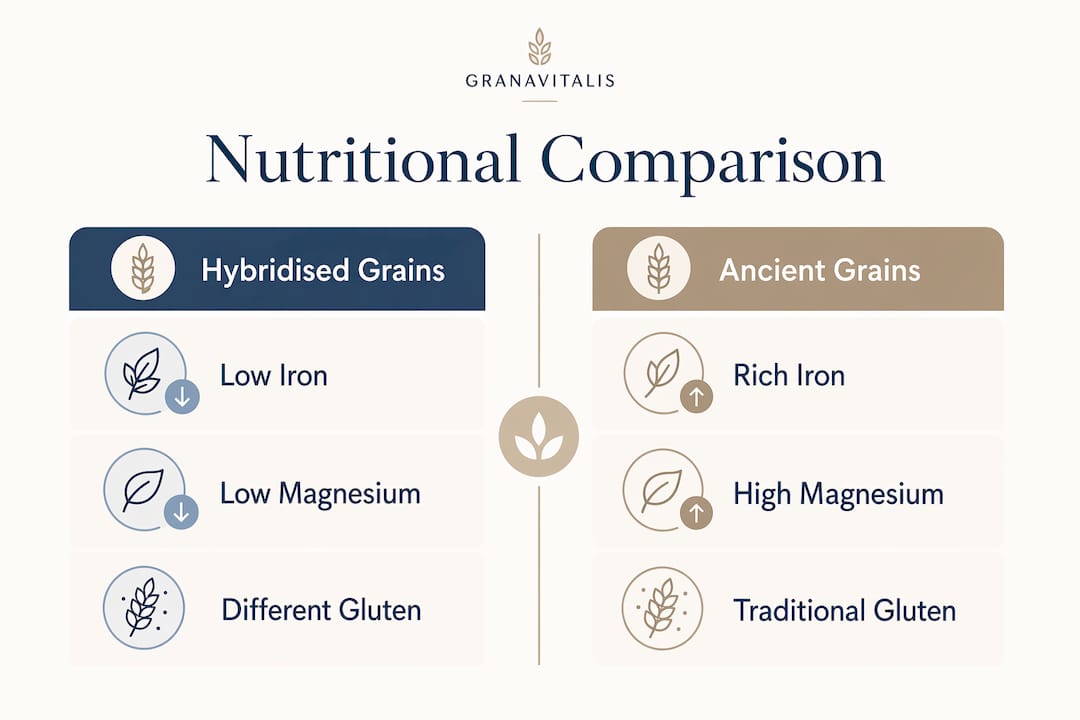
| Grain | Iron (mg/100g) | Magnesium (mg/100g) | Protein (g/100g) | Gluten type |
|---|---|---|---|---|
| Modern hybrid wheat | 3.5 | 22 | 13 | Modified, high |
| Einkorn | 4.7 | 65 | 18 | Original, lower reactivity |
| Spelt | 4.4 | 55 | 15 | Traditional, more digestible |
| Teff | 7.6 | 184 | 13 | Gluten-free |
| Fonio | 8.5 | 90 | 9 | Gluten-free |
The protein and gluten structure variations carry real wellness implications. Ancient grains like Fonio and Spelt are more resilient to varied environments and provide mineral-rich nutrition without the synthetic inputs that hybrid farming demands. Their gluten, where present, is structurally closer to what the human digestive system evolved alongside, making it more tolerable for many people who react to modern wheat.
Practical guidance for sourcing quality non-hybrid grains:
- Choose grains labelled heritage, heirloom, or ancient variety rather than simply organic
- Purchase from specialist mills such as Shipton Mill or Doves Farm in the UK, which stock certified heritage varieties
- Look for single-origin sourcing information, as single-origin grain profiles reveal more about mineral diversity and farming practices than blended products
- Prioritise whole grain forms over flour where possible, as processing reduces mineral availability further
What practical steps can you take to avoid hybridised grains?
Transitioning away from hybridised grains does not require an overnight overhaul of your diet. A gradual approach reduces digestive discomfort, as ancient grains are higher in fibre and minerals that your gut microbiome needs time to adapt to. The hidden cost of modern grains is well documented, and the transition to heritage alternatives is more accessible than most people assume.
Common hybridised grains to phase out first:
- Modern bread wheat (most supermarket flour and bread)
- Hybrid sweetcorn (distinct from traditional maize varieties)
- Conventional oats (often cross-contaminated with hybrid wheat residues)
- Standard white rice varieties bred for yield rather than nutrition
Practical steps for making the switch:
- Start with one meal per day. Replace your morning porridge with Teff or replace sandwich bread with Spelt sourdough. Small substitutions build lasting habits.
- Shop at farmers’ markets and specialist health stores. Ask suppliers directly whether their grains are open-pollinated or heritage varieties.
- Adjust your cooking ratios. Ancient grains often absorb more water than hybrid equivalents. Spelt flour typically requires 10 to 15% more liquid in baking recipes.
- Read labels critically. “Wholegrain” does not mean non-hybrid. Look for specific variety names such as Einkorn, Emmer, Kamut, Teff, or Fonio.
- Introduce fermentation. Sourdough fermentation using ancient grain flours pre-digests phytic acid, significantly improving mineral absorption and digestive tolerance.
- Allow four to six weeks for gut adaptation. Increased fibre from ancient grains temporarily increases bloating in some people. This resolves as the microbiome adjusts.
My honest view on grain choices and long-term wellness
The conversation around hybridised grains often gets polarised into either dismissing all concerns as pseudoscience or treating every hybrid grain as a toxin. Neither position serves you well. What the evidence actually shows is a consistent pattern: modern hybrid grains deliver less nutritional value per calorie, carry a higher chemical burden, and create structural conditions in agriculture that undermine both farmer independence and soil health.
What I find most compelling is not any single study but the convergence of evidence. Nutritional data, ecological research, and the lived experience of people who switch to heritage grains all point in the same direction. The improvements in digestion, energy, and satiety that people report when they move to Einkorn, Teff, or Spelt are not placebo effects. They reflect a genuine difference in what these grains deliver to the body.
The ancestral diet principle is not about romanticising the past. It is about recognising that the human digestive system co-evolved with specific plant structures over millennia, and that disrupting those structures in the space of 50 years has consequences. Avoiding hybridised grains is not an extreme position. It is a precautionary one, grounded in the same logic that leads you to choose whole foods over ultra-processed ones.
The broader ecological argument reinforces the personal health case. Every time you choose a heritage grain, you are voting against monoculture farming, chemical dependency, and seed monopolies. That is a meaningful act, not a marginal one.
— Jarrod
Explore Granavitalis wholefood alternatives to hybrid grains
Granavitalis was built on exactly this principle: that real nutrition comes from foods unchanged by industrial redesign. If you are reducing hybridised grains in your diet, the gap in your nutrition needs to be filled with genuinely dense, clean alternatives.
The RAWGORILLA Organic Nut and Seed Butter Selection Box from Granavitalis offers a range of raw, organic nut and seed butters that deliver the healthy fats, minerals, and plant proteins your body needs without any grain-based fillers or hybrid crop derivatives. For a single standout option, the Raw Organic Pecan Butter provides magnesium, zinc, and oleic acid in a minimally processed form that hybrid grain products simply cannot match. Every product in the Granavitalis range is transparently sourced, naturally effective, and rooted in the same wholefood philosophy this article is built on.
FAQ
What are hybridised grains?
Hybridised grains are crops produced through selective cross-breeding of two or more plant varieties to achieve specific traits such as higher yield, pest resistance, or uniform appearance. They differ from GMO crops in method but often share the same chemical-intensive farming practices.
Are hybridised grains the same as GMO grains?
No. Hybridisation uses conventional cross-breeding between compatible plant species, while GMO involves direct gene splicing from unrelated organisms. Both processes can result in crops that require heavy herbicide use, but they are distinct agricultural techniques.
Which grains are considered non-hybrid alternatives?
Ancient grains including Teff, Fonio, Einkorn, Emmer, Spelt, and Kamut are widely recognised as non-hybrid or minimally hybridised alternatives. They retain their original genetic structures and typically offer higher mineral density than modern hybrid wheat.
Can switching to ancient grains improve digestive health?
Many people report measurable improvements in digestion after switching from modern hybrid wheat to ancient grain varieties. The modified gluten structures in hybrid wheat are linked to increased sensitivity and celiac-like reactions, while ancient grain gluten is structurally closer to what the human gut evolved to process.
Is organic wheat the same as non-hybrid wheat?
No. Organic certification confirms that a grain was grown without synthetic pesticides or fertilisers, but it does not guarantee that the variety is non-hybrid. Always look for specific heritage or heirloom variety labelling alongside organic certification when choosing grains for nutritional quality.