
Antioxidant-rich seeds: the top six for your diet in 2026
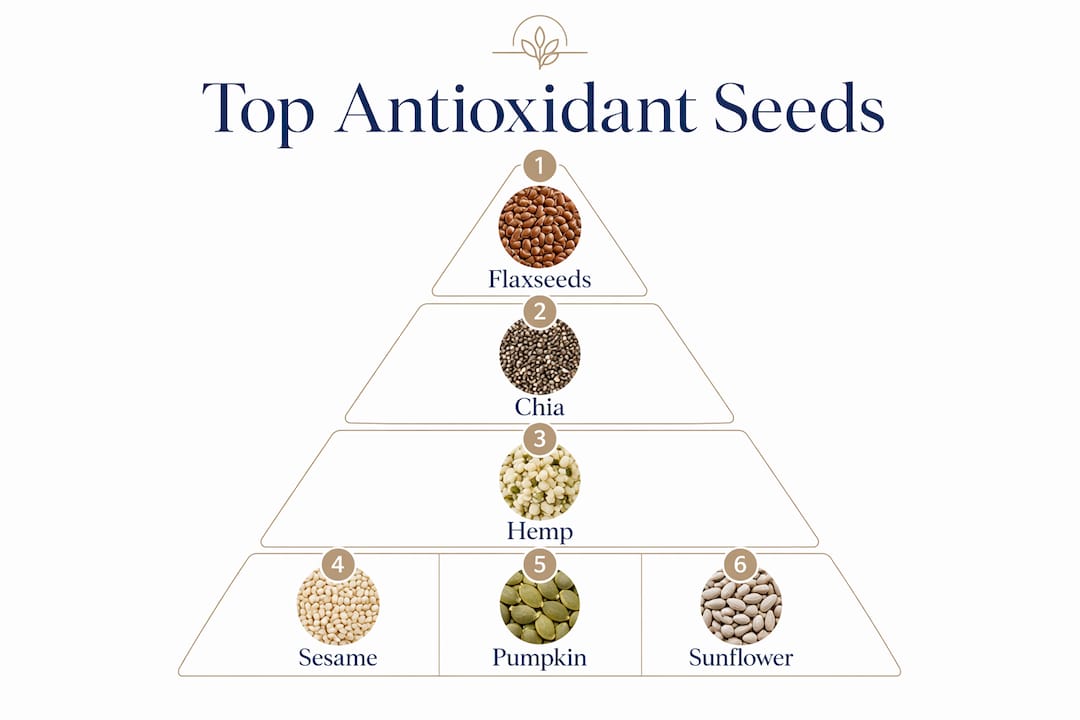
Flaxseeds, chia seeds, hemp seeds, sesame seeds, pumpkin seeds, and sunflower seeds are the most studied antioxidant-rich seeds you can add to your diet, reflecting the organic coffee advantages and science-backed benefits of plant-based antioxidants. Each one carries a distinct set of bioactive compounds, from lignans and polyphenols to carotenoids and vitamin E, that work alongside fibre, healthy fats, and minerals to reduce oxidative stress and support long-term health. That combination of nutrients in a single whole food is what makes seeds genuinely useful rather than just fashionable.
Here is a quick reference for what each seed brings to the table:
- Flaxseeds: secoisolariciresinol diglycoside (SDG) lignans, omega-3 fatty acids, phenolic acids
- Chia seeds: omega-3 fats, polyphenols, neuroprotective antioxidants
- Hemp seeds: polyphenols, terpenoids, gamma-linolenic acid
- Sesame seeds: sesamin, sesamol, lignans with anti-ageing and lipid-lowering properties
- Pumpkin seeds: tocopherols, carotenoids, kaempferol, zinc, selenium
- Sunflower seeds: vitamin E (alpha-tocopherol), phenolic acids, selenium
The antioxidants in these seeds do not act in isolation. Their synergy with fibre and fats improves bioavailability, meaning your body absorbs and uses these compounds more effectively when you eat the whole seed rather than an isolated extract.
Seed profiles: what makes each one a high antioxidant source?
Flaxseeds
Flaxseeds carry one of the highest lignan concentrations of any plant food. The primary compound, secoisolariciresinol diglycoside (SDG), has demonstrated cardiovascular and anti-cancer effects in mechanistic studies, acting through antioxidant and anti-inflammatory pathways. Their omega-3 content adds cardioprotective benefit on top of that. One practical catch: whole flaxseeds often pass through the gut undigested, so grinding flaxseeds before eating is the only reliable way to access their nutrients.
Chia seeds
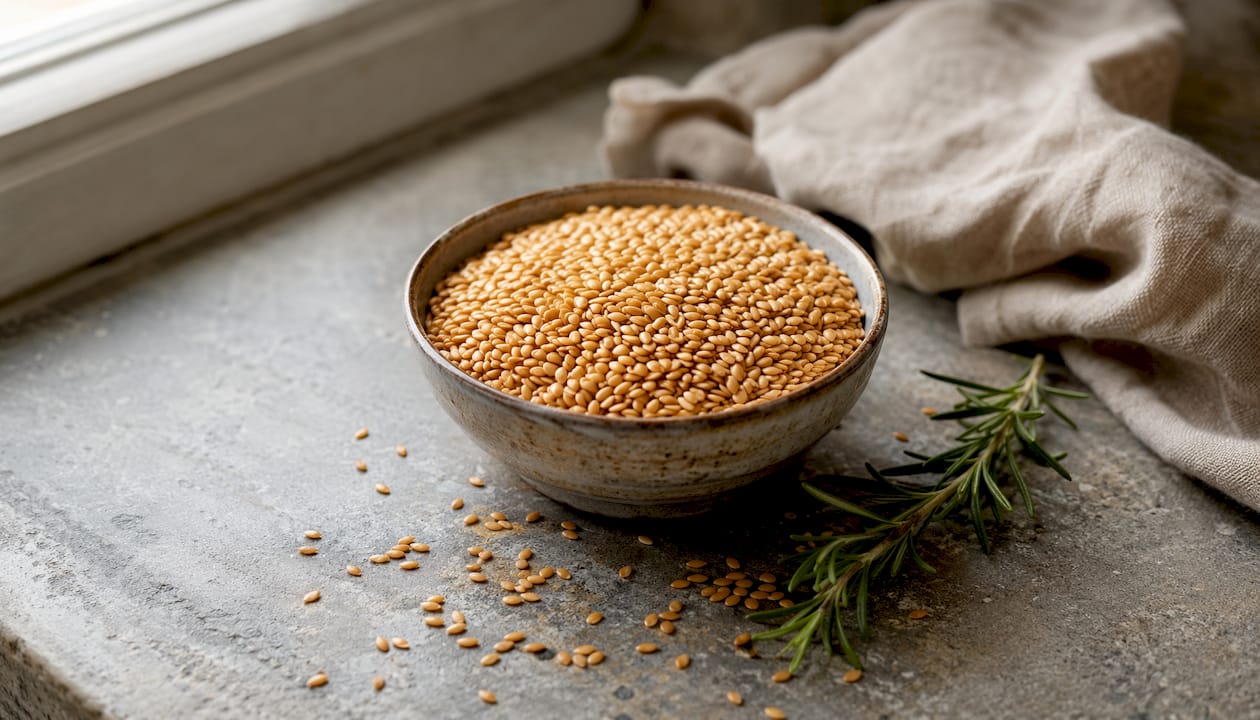
Chia seeds deliver omega-3 fatty acids alongside a range of polyphenols that researchers associate with neuroprotection and reduced inflammation. Studies have shown chia seed extracts can reduce intracellular reactive oxygen species and protect DNA against oxidative damage. Their gel-forming fibre also slows digestion, which helps moderate blood glucose responses after meals.
Hemp seeds
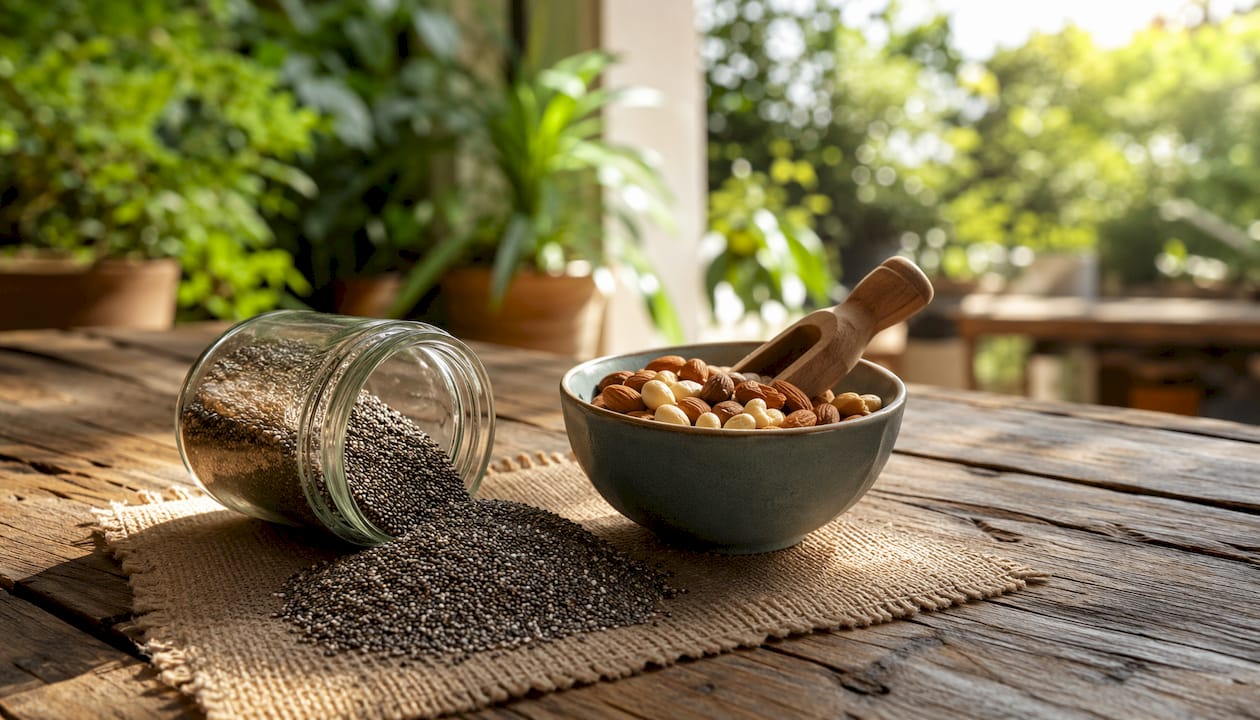
Hemp seeds contain polyphenols and terpenoids that contribute meaningfully to their antioxidant and anti-inflammatory profile. They are also one of the few plant sources to supply gamma-linolenic acid (GLA), an omega-6 fatty acid with anti-inflammatory properties. The combination of these compounds with hemp’s complete amino acid profile makes them a genuinely nutritionally dense seed worth rotating into your diet regularly.
Sesame seeds
Sesame seeds stand out for sesamol, a lignan compound with antioxidative, anti-ageing, anti-inflammatory, and chemopreventive effects. Sesamol regulates key signal transduction pathways including NF-kB and PI3K/AKT, which are directly involved in oxidative stress responses and tumour suppression. Sesamin, the other principal lignan, has demonstrated lipid-lowering properties in clinical studies, making sesame seeds particularly relevant for cardiovascular health.
Pumpkin seeds
Pumpkin seeds pack tocopherols, carotenoids, phytosterols, and kaempferol, all of which contribute to their antioxidant and anti-inflammatory capacity. Their mineral profile, particularly zinc and selenium, supports immune function and helps neutralise reactive oxygen species. Bioactive compounds in pumpkin seeds also support reduced LDL cholesterol and blood pressure control through their effect on inflammatory signalling pathways.
Sunflower seeds
A 30g serving of sunflower seeds supplies over 50% of the recommended daily intake for vitamin E, making them one of the most efficient dietary sources of this fat-soluble antioxidant. Vitamin E protects cell membranes from lipid peroxidation, a key mechanism in cardiovascular and age-related disease. Sunflower seeds also work well as a nut-free alternative for people with tree nut allergies, with sunflower seed butter delivering comparable antioxidant support.
Antioxidant compound comparison
| Seed | Primary antioxidant compounds | Notable nutrients |
|---|---|---|
| Flaxseeds | SDG lignans, phenolic acids | Omega-3 (ALA), fibre, magnesium |
| Chia seeds | Polyphenols, flavonoids | Omega-3 (ALA), calcium, fibre |
| Hemp seeds | Polyphenols, terpenoids | GLA, complete protein, magnesium |
| Sesame seeds | Sesamin, sesamol, lignans | Calcium, iron, zinc |
| Pumpkin seeds | Tocopherols, carotenoids, kaempferol | Zinc, selenium, magnesium |
| Sunflower seeds | Vitamin E (alpha-tocopherol), phenolic acids | Selenium, B vitamins, copper |
How to add antioxidant-rich seeds to your meals every day
Getting these seeds into your diet does not require a complete overhaul of how you eat. Small, consistent additions across different meals are all it takes.
- Grind flaxseeds fresh and stir them into porridge, yoghurt, or smoothies. Whole seeds offer little nutritional return; ground seeds deliver the lignans and omega-3s your body can actually use.
- Sprinkle chia seeds over overnight oats or mix them into water with lemon for a simple hydrating drink. They absorb liquid quickly, so they work well as a thickener in puddings too.
- Add hemp seeds to salads or blend them into plant-based protein shakes. Their mild, nutty flavour means they disappear into almost any dish.
- Toast sesame seeds lightly and use them as a finishing garnish on roasted vegetables, stir-fries, or grain bowls. Tahini (sesame paste) is another easy route to consistent intake.
- Snack on pumpkin seeds raw or lightly roasted. They also work well pressed into homemade energy bars or scattered over soups.
- Use sunflower seed butter as a spread or dip. It is a practical, allergy-friendly vitamin E source for those who cannot eat nut butters.
Storage matters more than most people realise. Ground flaxseeds oxidise quickly at room temperature; keep them in an airtight container in the freezer and they retain their nutrient profile for months. Whole seeds generally store well in a cool, dark cupboard, but hemp seeds benefit from refrigeration once opened.
Pro Tip: Rotate through at least three different seeds each week rather than relying on one. Each seed brings a different antioxidant compound, and variety is the most reliable way to cover a broad spectrum of protective phytochemicals.
How seed antioxidants protect your body from oxidative stress
Antioxidants are molecules that neutralise free radicals, unstable compounds produced by normal metabolism, pollution, and UV exposure. When free radicals accumulate faster than the body can clear them, oxidative stress develops, a state linked to cardiovascular disease, type 2 diabetes, neurodegeneration, and certain cancers.
Seeds are potent functional foods containing phenolic acids, carotenoids, and flavonoids that directly neutralise free radicals and regulate pathways related to inflammation, hypertension, and metabolic disorders. This is not just antioxidant activity in a test tube. Mechanistic studies show these compounds act on molecular targets including NF-kB, MAPK, and PI3K/AKT pathways, which control inflammatory responses and cell survival.
The synergy between antioxidants and other seed nutrients amplifies these effects. Healthy fats improve the absorption of fat-soluble antioxidants like vitamin E and carotenoids, while fibre supports the gut microbiome, which in turn influences systemic inflammation. Eating the whole seed, rather than an isolated supplement, captures this interaction.
How do seeds compare to other antioxidant-rich foods? Laboratory testing shows some seeds, including sunflower, may have higher antioxidant activity than staple grains, partly because of compounds like vitamin E and squalene that are rare in common cereals. Seeds are not a replacement for vegetables and fruit, but they are a concentrated, practical complement to a plant-rich diet. Rotating seed varieties, as experts advise, ensures you draw on the full range of antioxidant mechanisms rather than relying on a single compound.
Why eating antioxidant-rich seeds regularly is worth it
The case for including high antioxidant seeds in your daily diet comes down to a few clear points:
- Disease prevention: seed antioxidants regulate pathways linked to cardiovascular disease, diabetes, hypertension, and cancer at a molecular level.
- Heart health: compounds such as SDG lignans, sesamin, phytosterols, and vitamin E collectively support lower LDL cholesterol, reduced blood pressure, and protection against lipid oxidation.
- Immune support: zinc, selenium, and carotenoids in seeds like pumpkin directly strengthen immune defences and reduce oxidative damage to immune cells.
- Nutritional density: seeds deliver protein, fibre, omega-3 fats, and micronutrients alongside their antioxidants, so a single tablespoon contributes across multiple nutritional needs at once.
- Accessibility: seeds are inexpensive, widely available, and require no preparation beyond grinding or soaking in some cases.
The health benefits of seeds come from the combined effect of their nutrients, not from any one compound working alone. Rotating flaxseeds, chia, hemp, sesame, pumpkin, and sunflower seeds across your week gives you a genuinely broad antioxidant spectrum. That variety, sustained consistently, is what translates into long-term well-being rather than short-term novelty.
If you want an easy way to start, Granavitalis’s Organic Nut & Seed Butter Selection Box brings together a range of seed-derived butters in one box, a practical starting point for building variety into your diet without having to source each seed separately.

Key takeaways
Seeds rich in antioxidants, including flaxseeds, chia, hemp, sesame, pumpkin, and sunflower, deliver phenolic acids, lignans, vitamin E, and carotenoids that regulate oxidative stress and support cardiovascular, metabolic, and immune health.
| Point | Details |
|---|---|
| Vitamin E in sunflower seeds | A 30g serving supplies over 50% of the recommended daily intake for vitamin E. |
| Grind flaxseeds for absorption | Whole flaxseeds pass undigested; grinding unlocks their lignans and omega-3s. |
| Rotate seed varieties | Eating at least three different seeds weekly covers a broader antioxidant spectrum. |
| Whole seeds outperform extracts | Synergy between antioxidants, fibre, and healthy fats improves bioavailability. |
| No single seed is sufficient | Variety alongside other plant foods achieves the most comprehensive antioxidant intake. |