
What is a high protein vegetarian diet: your 2026 guide
Many assume vegetarians struggle to meet their protein needs, yet evidence shows this belief is fundamentally flawed. High protein vegetarian diets not only support muscle building and recovery but also deliver impressive metabolic and cardiovascular benefits. This guide explains what a high protein vegetarian diet truly involves, how to plan balanced meals using ancient grains and plant proteins, and why these dietary patterns are endorsed by leading nutrition authorities worldwide. You’ll discover practical strategies for meeting your protein requirements while enjoying diverse, nutrient-dense wholefoods that fuel your health goals in 2026 and beyond.
Table of Contents
- Understanding Protein Requirements On A Vegetarian Diet
- Sources Of High-Quality Protein For Vegetarians
- Health Benefits And Metabolic Impacts Of Plant Protein
- Planning And Applying A High Protein Vegetarian Diet In Daily Life
- Discover High Protein Vegetarian Products At Granavitalis
- FAQ
Key takeaways
| Point | Details |
|---|---|
| Protein sufficiency | Vegetarians easily meet protein needs with well-planned diets requiring about 0.8 grams per kilogram daily |
| Deficiency myth | Protein deficiency among vegetarians in developed countries is extremely rare when calorie intake is adequate |
| Plant protein quality | Plant proteins may need 20-40% higher intake but this is simple to achieve with proper meal planning |
| Health advantages | Plant-based proteins contribute positively to metabolic health markers and reduce cardiometabolic risk |
| Expert endorsement | Leading dietetic associations confirm balanced vegetarian diets with diverse proteins support optimal health |
Understanding protein requirements on a vegetarian diet
Protein intake recommendations vary based on your activity level and health goals. The minimum recommended dietary allowance sits at 0.8 grams per kilogram of body weight daily for general health maintenance. Active adults and those building muscle typically benefit from higher intakes between 1.6 and 2.2 grams per kilogram. High-protein vegetarian diets can effectively meet protein needs for muscle building and overall health.
The persistent myth that vegetarians face protein deficiency crumbles under scientific scrutiny. Protein deficiency is rare in developed countries among vegetarians and vegans if calorie intake is adequate. This fact surprises many who’ve absorbed outdated nutritional advice. The real issue isn’t protein availability but rather ensuring sufficient overall energy intake.
Adequate calorie consumption naturally provides enough protein on vegetarian diets. When you eat enough wholefood calories from varied plant sources, protein takes care of itself. This principle holds true whether you’re maintaining current fitness or actively building muscle mass.
“Vegetarian diets, when properly planned with diverse protein sources, meet or exceed protein requirements for all life stages including athletic performance and muscle development.”
Leading nutrition organisations worldwide confirm the sufficiency of vegetarian protein. The Academy of Nutrition and Dietetics, British Dietetic Association, and Dietitians of Canada all endorse well-planned vegetarian diets as nutritionally adequate. These aren’t fringe opinions but mainstream scientific consensus based on decades of research.
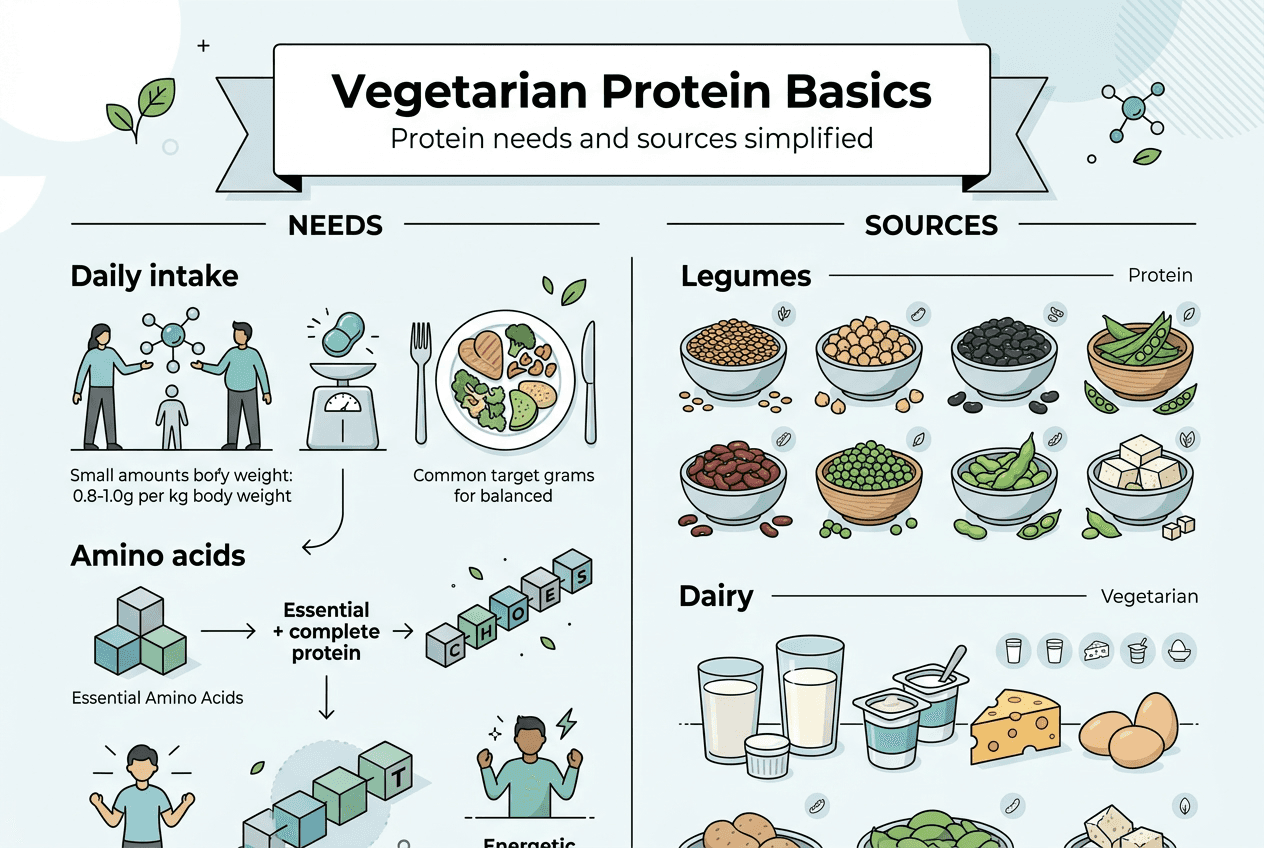
For practical guidance on obtaining protein naturally, explore ways to get protein as a vegetarian naturally which details accessible food combinations and meal strategies that work in real life.
Key protein intake guidelines for vegetarians:
- General health maintenance requires 0.8 grams per kilogram body weight daily
- Muscle building and athletic performance benefit from 1.6 to 2.2 grams per kilogram
- Total daily calories matter more than protein percentage for preventing deficiency
- Variety across plant sources ensures complete amino acid profiles over time
Sources of high-quality protein for vegetarians
Plant-based protein sources deliver impressive nutritional profiles when you know where to look. Legumes including lentils, chickpeas, and black beans provide substantial protein alongside fibre and essential minerals. Tofu and tempeh offer complete proteins with all essential amino acids in optimal ratios. Ancient grains such as quinoa, amaranth, and teff contribute both protein and unique micronutrients often missing from modern wheat.
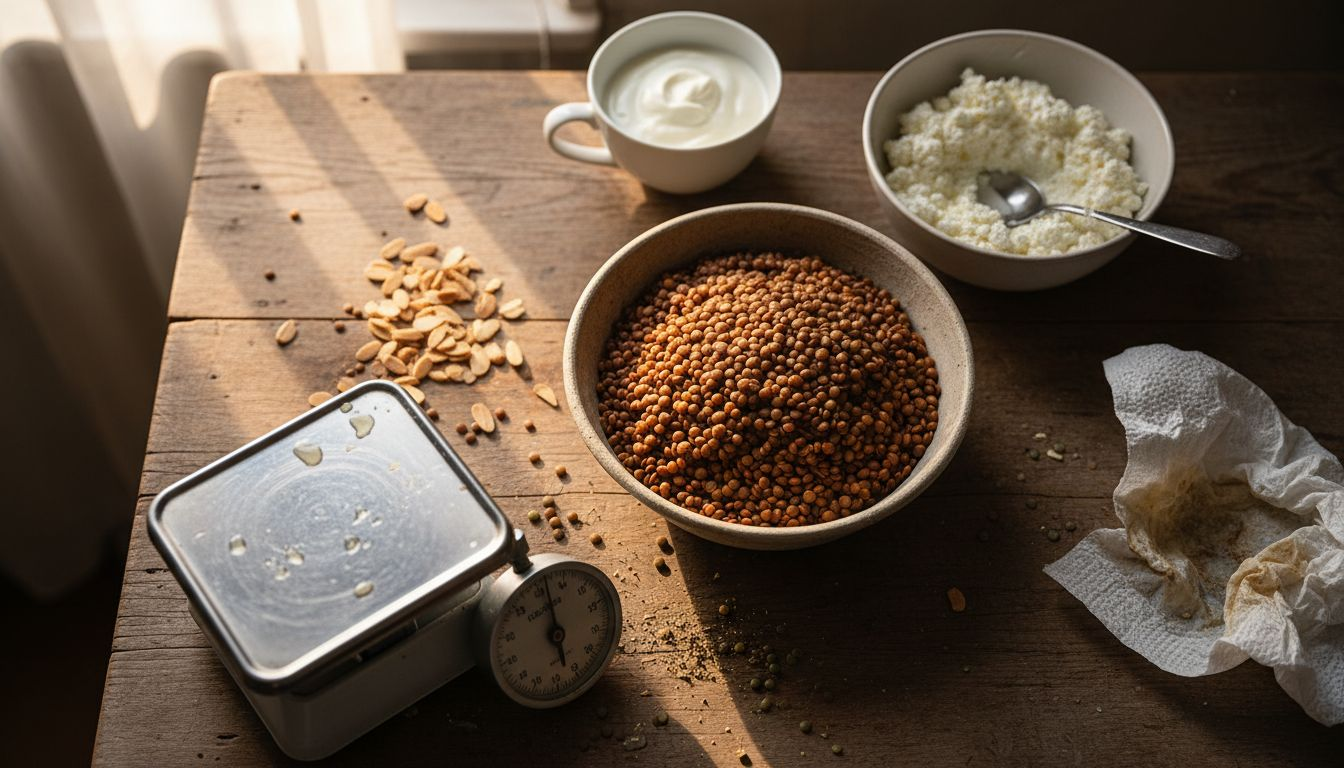
Essential amino acids deserve attention because your body cannot synthesise them independently. While some plant proteins contain lower amounts of specific amino acids like lysine or methionine, this poses no practical problem. Plant-based proteins may require 20-40% higher consumption compared to animal proteins to achieve similar essential amino acid profiles, but this is easily achievable with proper meal planning.
Complementary protein combining was once considered essential at every meal. Current nutrition science shows this isn’t necessary. Your body maintains an amino acid pool, drawing from various foods consumed throughout the day. Eating diverse protein sources across meals naturally provides complete amino acid coverage without meticulous pairing.
Pro Tip: Including nuts and seeds like hazelnuts and pecan butter boosts both protein content and healthy fats whilst adding satisfying texture and flavour to meals naturally.
| Protein source | Protein per 100g | Key benefits |
|---|---|---|
| Lentils (cooked) | 9g | High fibre, iron, folate |
| Chickpeas (cooked) | 8.9g | Versatile, zinc, B vitamins |
| Quinoa (cooked) | 4.4g | Complete protein, gluten-free |
| Tofu (firm) | 8.2g | Complete protein, calcium |
| Tempeh | 19g | Fermented, probiotic benefits |
| Pecan butter | 9.2g | Healthy fats, vitamin E |
| Hazelnut butter | 15g | Magnesium, antioxidants |
Practical portion examples help translate numbers into meals. A 200-gram serving of cooked lentils delivers 18 grams of protein. One cup of cooked quinoa provides roughly 8 grams. A 150-gram block of firm tofu contributes about 12 grams. Two tablespoons of pecan butter add approximately 5 grams whilst enhancing breakfast porridge or smoothies.
For comprehensive lists and creative meal ideas, visit top 10 vegan sources of protein which ranks options by protein density and practical application. Additionally, examples of vegetable protein balanced diets demonstrates how to structure daily menus that hit protein targets effortlessly.
Diverse plant protein sources to incorporate regularly:
- Legume family: lentils, chickpeas, black beans, kidney beans, split peas
- Soy products: tofu, tempeh, edamame, unsweetened soy milk
- Ancient grains: quinoa, amaranth, teff, kamut, spelt
- Nuts and seeds: almonds, hazelnuts, pumpkin seeds, hemp seeds, chia seeds
- Nut butters: pecan, hazelnut, almond, providing concentrated protein and healthy fats
Health benefits and metabolic impacts of plant protein
Plant proteins influence metabolic health through multiple biological pathways. Recent research reveals that increasing plant protein in the diet induces changes in the plasma metabolome that may be beneficial for metabolic health. These changes affect how your body processes nutrients, regulates blood sugar, and manages inflammation.
Cardiometabolic risk factors respond favourably to plant protein consumption. Studies demonstrate that dietary shifts replacing animal protein with plant protein sources lower cardiometabolic risk markers including blood pressure, cholesterol profiles, and inflammatory biomarkers. This doesn’t mean animal proteins are inherently harmful, but rather that plant proteins offer distinct advantages for heart and metabolic health.
Metabolic syndrome, characterised by elevated blood pressure, blood sugar, and cholesterol, affects millions globally. Clinical trials show both plant- and animal-based protein diets improve metabolic syndrome components but benefits of ratio remain under study. The takeaway is that adequate protein matters regardless of source, though plant proteins show particular promise.
“Plasma metabolome analysis reveals that four weeks of increased plant protein intake creates measurable shifts in metabolic markers associated with improved glucose regulation and reduced cardiovascular risk.”
These metabolic improvements stem partly from the nutritional package surrounding plant proteins. Legumes and whole grains deliver protein alongside fibre, resistant starch, and polyphenols. This combination influences gut microbiome composition, which in turn affects metabolic signalling throughout your body.
Longevity research increasingly points toward plant-forward dietary patterns. Populations consuming higher ratios of plant to animal protein show reduced mortality rates and lower incidence of chronic diseases. Whilst correlation doesn’t prove causation, the consistency across multiple large-scale studies suggests genuine protective effects.
Balanced approaches yield best results. Extreme restriction of any macronutrient or food group often backfires. Including diverse plant proteins whilst maintaining adequate overall nutrition supports both immediate performance and long-term health outcomes. For UK-specific high protein options, explore vegetarian high protein options UK which highlights locally available products and meal strategies.
Metabolic and cardiovascular benefits of plant protein:
- Improved insulin sensitivity and blood glucose regulation
- Reduced LDL cholesterol and improved lipid profiles
- Lower systemic inflammation markers
- Enhanced gut microbiome diversity supporting metabolic health
- Reduced cardiovascular disease risk across multiple population studies
Planning and applying a high protein vegetarian diet in daily life
Calculating personal protein needs starts with your body weight and activity level. Multiply your weight in kilograms by 0.8 for baseline needs or by 1.6 to 2.2 for muscle building goals. A 70-kilogram person requires 56 grams daily for maintenance or 112 to 154 grams for active muscle development. Vegetarians can easily meet their protein needs through well-planned diets needing about 0.8 grams per kilogram daily.
Meal planning ensures variety whilst covering nutritional bases systematically:
- Calculate your daily protein target based on weight and goals
- Divide this target across three to five meals and snacks
- Select diverse protein sources for each meal from different plant families
- Include complementary foods like whole grains with legumes naturally throughout the day
- Add nut butters or seeds to boost protein content in breakfast and snacks
- Track intake for one week to establish sustainable patterns
- Adjust portions based on hunger, energy levels, and progress towards goals
Nut butters and superfood mixes provide convenient protein boosts without extensive preparation. Two tablespoons of pecan or hazelnut butter stirred into morning porridge adds 5 to 7 grams of protein plus healthy fats that improve satiety. Superfood powders containing spirulina, hemp, or pea protein blend seamlessly into smoothies for quick nutrition.
Pro Tip: Avoid overly restrictive diets that risk calorie deficiency, which is the actual cause of protein deficiency rather than protein availability in plant foods.
| Food comparison | Protein density | Fibre content | Fat profile | | — | — | — | | Lentils | High (9g/100g) | Very high | Very low | | Tofu | Moderate (8g/100g) | Low | Moderate, mostly unsaturated | | Quinoa | Moderate (4g/100g) | Moderate | Low, healthy fats | | Pecan butter | Moderate (9g/100g) | Moderate | High, mostly unsaturated | | Chickpeas | High (9g/100g) | Very high | Low |
Building a typical daily high protein vegetarian menu demonstrates practical application. Breakfast might include porridge made with soy milk, topped with pecan butter and chia seeds, delivering 20 grams. Lunch could feature a quinoa bowl with chickpeas, roasted vegetables, and tahini dressing for another 25 grams. Dinner of lentil curry with brown rice and a side of steamed greens contributes 30 grams. Two snacks of fruit with almond butter and vegetable sticks with hummus add 15 grams. This sample day totals 90 grams of protein from entirely plant-based sources.
For those seeking lower-fat options whilst maintaining high protein, visit high protein foods vegetarian low fat which focuses on lean plant proteins suitable for various dietary preferences and health goals.
Common pitfalls to avoid include relying on a single protein source repeatedly, neglecting overall calorie intake, or assuming supplements are necessary. Variety prevents both nutritional gaps and taste fatigue. Adequate calories ensure your body uses protein for building and repair rather than energy. Whole food sources provide protein alongside vitamins, minerals, and phytonutrients that isolated supplements cannot replicate.
Discover high protein vegetarian products at Granavitalis
Transitioning to or optimising a high protein vegetarian diet becomes simpler with quality ingredients that deliver both nutrition and flavour. Granavitalis offers carefully sourced plant-based products that align perfectly with your protein goals whilst honouring traditional wholefood nutrition.
Our raw organic pecan butter provides rich, satisfying protein and healthy fats in their most natural form. Spread it on wholegrain toast, blend it into smoothies, or stir it through porridge for an instant nutritional upgrade. The organic nut & seed butter selection box offers variety to prevent taste fatigue whilst ensuring you’re getting diverse amino acid profiles from different sources.
For additional micronutrient support, the Superfoods MIX immunity combines nutrient-dense botanicals with protein-rich ingredients to support your overall wellness alongside your protein intake. These products exemplify our commitment to purity, performance, and purpose, delivering wholefood vitality rooted in nutritional heritage.
FAQ
Is a high protein vegetarian diet suitable for muscle building?
Yes, research confirms vegetarians can meet protein requirements for muscle growth with intakes between 1.6 and 2.2 grams per kilogram body weight daily. This approach proves both sustainable and effective when combined with progressive resistance training. Plant proteins support muscle protein synthesis comparably to animal sources when total intake and amino acid diversity are adequate.
Can vegetarians get all essential amino acids from plants alone?
Yes, consuming varied sources including legumes, whole grains, nuts, and seeds provides all essential amino acids your body needs. Proper meal planning across the day ensures completeness without difficulty or meticulous food combining at each meal. Your body maintains an amino acid pool that draws from foods eaten throughout the day.
Are plant proteins better for long-term cardiometabolic health?
Studies link higher plant protein intake to improved metabolic markers and lower cardiometabolic risk factors including blood pressure and cholesterol. Balanced diets contribute to health regardless of protein source, but plant proteins show promising benefits for heart health and metabolic function. The fibre and phytonutrients accompanying plant proteins likely contribute to these advantages.
How much protein do most vegetarians really need daily?
Most vegetarians require approximately 0.8 grams per kilogram of body weight daily to meet baseline nutritional needs. Athletes and individuals focused on muscle building benefit from higher amounts between 1.6 and 2.2 grams per kilogram. A 65-kilogram person needs roughly 52 grams for maintenance or 104 to 143 grams for active muscle development.
Recommended
- Good Protein for Vegetarians: Building Strength – Granavitalis
- 6 Effective Ways to Get Protein as a Vegetarian – Granavitalis
- Complete Guide to High Protein Foods Vegetarian Low Fat – Granavitalis
- Vegetarian High Protein – Smart Energy For Active Lives – Granavitalis
- How to detox naturally: safe steps for wellness in 2026
- vegan - HUBY INNOVATION