
Ten vegetables that pack in both protein and fibre
Peas, lentils, chickpeas, edamame, broccoli, spinach, Brussels sprouts, mushrooms, asparagus and sweet corn top the list of vegetables that deliver meaningful protein alongside fibre. Protein slows digestion and fibre feeds satiety signals in the gut, so pairing them in the same food is a genuine shortcut to feeling fuller for longer.
- Legumes (peas, lentils, chickpeas, edamame) lead on protein per 100g.
- Brassicas (broccoli, Brussels sprouts) and spinach lead on fibre relative to their calorie count.
- Mushrooms, asparagus and sweet corn round out the list with useful, if smaller, contributions.
The Scientific Advisory Committee on Nutrition sets the adult fibre target at 30g a day, a figure most people in the UK fall well short of. Vegetables from this list are one of the most direct ways to close that gap while adding usable protein at the same time.
Key Takeaways
Vegetables such as lentils, chickpeas, edamame and peas deliver protein and fibre together, which drives satiety more effectively than either nutrient alone.
| Point | Details |
|---|---|
| Lentils lead on protein | Cooked lentils provide around 9g protein and 8g fibre per 100g, among the highest combined figures on the list. |
| Fibre target sits at 30g daily | SACN recommends 30g of fibre a day for adults, a level most people do not reach. |
| Combining proteins isn’t required | BDA guidance confirms variety across the day, not every meal, meets essential amino acid needs. |
| Rinse canned pulses | Draining and rinsing tinned chickpeas or lentils cuts excess sodium and reduces bloating. |
| Increase fibre gradually | Raise intake over several weeks with 1.5 to 2 litres of water daily to avoid digestive discomfort. |
Table of Contents
- Vegetables high in protein and fiber worth building meals around
- Simple swaps to raise protein and fibre through the day
- What your daily protein and fibre targets actually look like
- Getting your gut used to more fibre without the discomfort
- Why the conventional advice on plant protein misses the point
- Sources
Vegetables high in protein and fiber worth building meals around
Here are the ten vegetables and pulses that consistently show up as strong dual sources of protein and fibre, with figures drawn from USDA FoodData Central and typical UK portion sizes.
1. Lentils
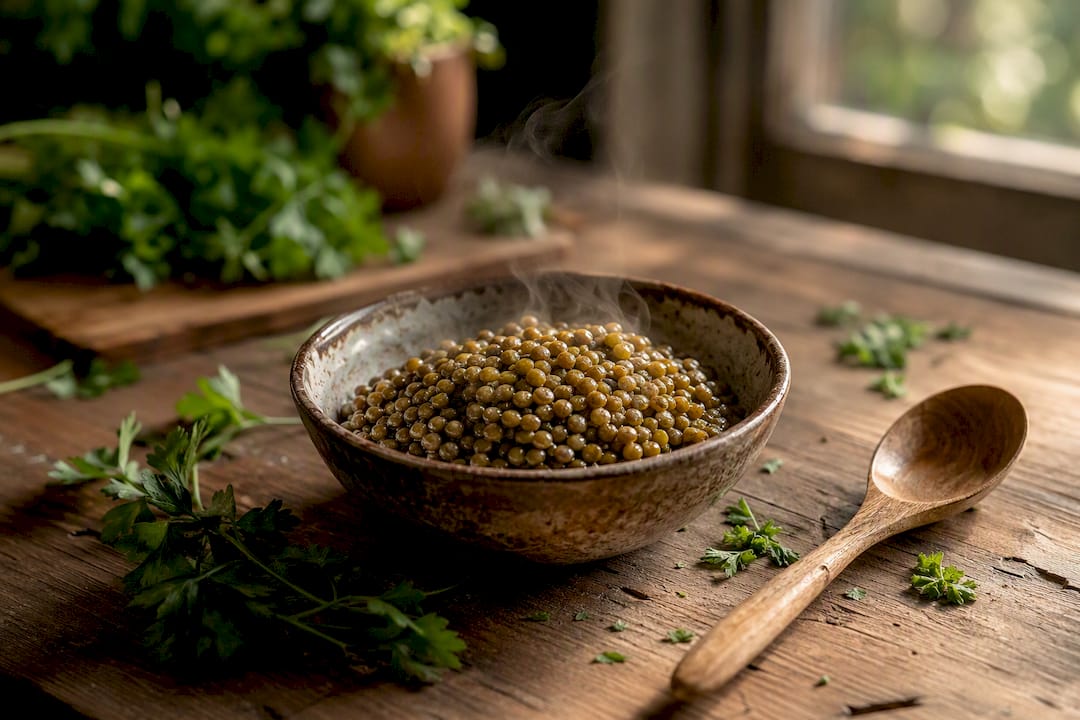
Cooked lentils carry around 9g of protein and 8g of fibre per 100g, making them arguably the single best answer to what plant has the most protein among everyday vegetables and pulses. A 150g cooked portion (roughly a small ladle in a bowl) delivers around 13.5g of protein and 12g of fibre. Best for: soups, dahls, and bulking out a bolognese without anyone noticing.
2. Chickpeas
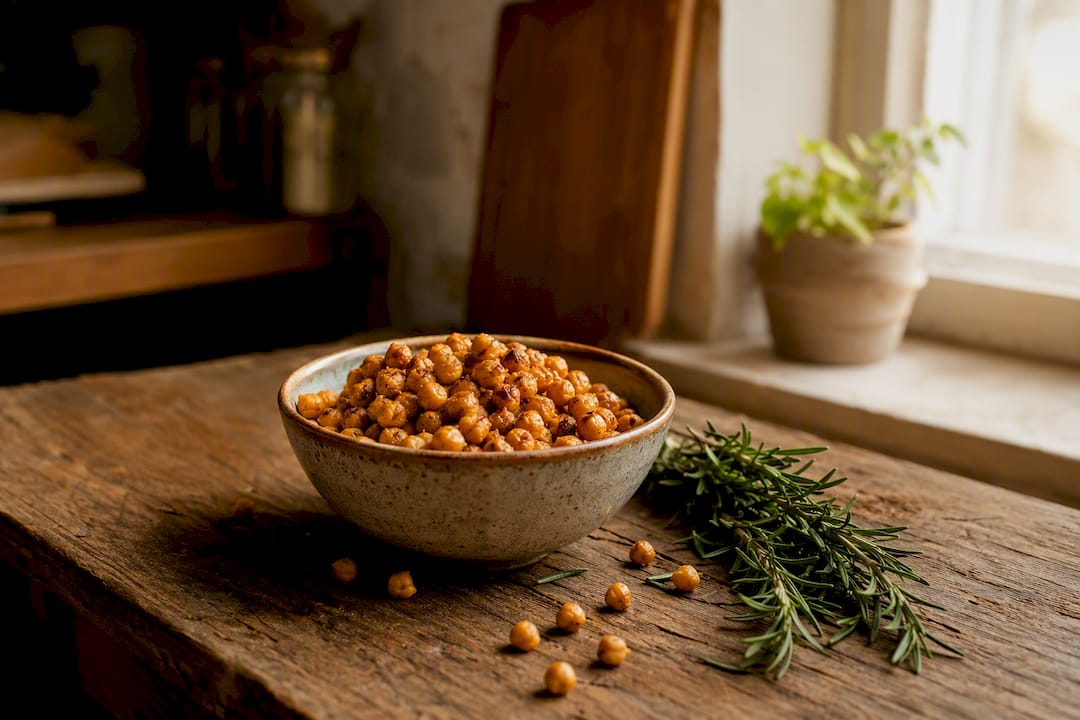
Chickpeas offer about 8g of protein and 7g of fibre per 100g cooked. A typical 120g serving, the amount in a decent portion of hummus or a curry, works out to roughly 9.6g of protein and 8.4g of fibre. Best for: roasting whole for a crunchy snack, or blitzing into hummus for a fibre-rich dip.
3. Edamame
Steamed edamame beans deliver an impressive 11g of protein and 5g of fibre per 100g, making them one of the highest-protein vegetables on any shelf, fresh or frozen. A 100g bowl, a common snack-sized serving, gives you that full figure in one sitting. Best for: a standalone snack, or tossed cold into noodle salads.
4. Green peas
Fresh or frozen peas provide around 5g of protein and 5g of fibre per 100g, a genuinely strong ratio for a vegetable most people treat as an afterthought side dish. Add a 100g cup to a curry or risotto and you have added a fifth of your daily fibre target in one spoonful. Best for: stirring into risottos, blending into soup, or scattering over pasta.
5. Broccoli
Broccoli holds about 2.8g of protein and 2.6g of fibre per 100g raw, figures that climb slightly on cooking as water content drops. A 150g portion, roughly two decent florets, provides close to 4.2g of protein and 3.9g of fibre. Best for: steaming as a side, or chopping raw into slaws for extra crunch.
6. Spinach
Raw spinach contains around 2.9g of protein and 2.2g of fibre per 100g, but because it wilts down so dramatically when cooked, a 100g cooked portion (which started life as several handfuls raw) is easy to eat in one go. Best for: wilting into curries, blending into smoothies, or layering into a lasagne.
7. Brussels sprouts
Brussels sprouts pack roughly 3.4g of protein and 3.8g of fibre per 100g, among the highest fibre-to-calorie ratios of any vegetable on this list. A 100g serving, about eight small sprouts, is an easy target for a Sunday roast or a quick pan-fry with bacon lardons swapped for smoked almonds. Best for: shredding raw into salads, or roasting until the edges catch.
8. Mushrooms
Mushrooms are not a fibre powerhouse, offering around 3.1g of protein and 1g of fibre per 100g, but their savoury depth and meaty texture make them invaluable for stretching other high-fibre ingredients further in a dish. A 150g portion sautéed with garlic adds close to 4.6g of protein at almost no calorie cost. Best for: bulking out mince dishes, or grilling whole as a burger substitute.
9. Asparagus
Asparagus provides about 2.2g of protein and 2.1g of fibre per 100g, a modest but useful contribution best paired with a higher-protein pulse in the same meal. A 100g serving, roughly six spears, works well steamed or grilled alongside lentils or chickpeas. Best for: griddling as a starter, or chopping into a spring risotto.
10. Sweet corn
Sweet corn contains around 3.4g of protein and 2g of fibre per 100g, figures that hold up well whether it comes tinned, frozen, or fresh off the cob. A 100g serving stirred through a bean salad adds welcome sweetness and texture. Best for: bulking out Mexican-style bowls, or adding to a chickpea and pepper salad.
Simple swaps to raise protein and fibre through the day
Turning this list into daily habit does not require a meal-plan overhaul, just a handful of consistent swaps.
- Breakfast: swap sugary cereal for a lentil or chickpea porridge-style bowl, or stir a spoonful of frozen peas into scrambled eggs.
- Lunch: build an edamame and sweet corn salad with a wholegrain base, or add spinach to a wrap instead of iceberg lettuce.
- Dinner: replace half the mince in a bolognese or chilli with lentils or mushrooms, and roast Brussels sprouts or broccoli as the side.
- Snacks: keep roasted chickpeas or edamame in the cupboard instead of crisps.
Frozen peas, spinach and edamame lose almost none of their fibre or protein content compared with fresh, so keeping a stocked freezer is a legitimate strategy, not a compromise. Canned chickpeas and lentils work the same way, provided you drain and rinse them first, which the NHS notes cuts unnecessary sodium left over from the tin’s brine.
Pro Tip: Batch-cook a big pot of lentils or chickpeas on a Sunday and freeze in portioned tubs. Defrosting one straight into a soup or curry on a weeknight removes the only real barrier most people have: time.
What your daily protein and fibre targets actually look like
Most UK adults already eat enough protein overall, according to British Dietetic Association guidance, but the quality and source of that protein matters more than most diets reflect. Shifting even a portion of it towards vegetables and pulses adds fibre and cuts saturated fat, without needing to hit any complicated combining rule.
- The 30g a day fibre target set by SACN remains the benchmark most adults miss, often by a wide margin.
- You do not need to combine complementary proteins (rice with beans, for example) in the same meal. Variety across a full day covers essential amino acid needs.
- Adding a portion of lentils to just one meal a day can significantly close a large chunk of the average fibre shortfall.
- The British Nutrition Foundation points out that different fibre types behave differently in the gut, so relying on one vegetable, however impressive its numbers, is worse than eating a rotating handful.
Getting your gut used to more fibre without the discomfort
Jumping from a low-fibre diet to five daily portions of pulses is the fastest way to guarantee bloating puts you off the whole idea. Increase fibre gradually over several weeks, and drink around 1.5 to 2 litres of water a day as you do, advice that mirrors the BDA’s guidance for people moving towards plant-based eating.
Soaking dried lentils and chickpeas overnight, then discarding that water before cooking, measurably reduces the oligosaccharides responsible for most of the gas. Rinsing tinned pulses under a running tap for thirty seconds achieves a similar, smaller effect. Frozen vegetables are not a lesser option nutritionally; they are frozen at peak ripeness and often retain fibre and protein as reliably as fresh.
Gut adaptation is not about willpower. It is about pacing, hydration, and a soak-and-rinse habit that takes seconds but changes how a meal sits with you for the rest of the day.
Pro Tip: If a new pulse leaves you uncomfortable, halve the portion for a week rather than cutting it out entirely. Your gut microbiome adjusts to fibre with repeated, smaller exposure.
Why the conventional advice on plant protein misses the point
Most lists of high-protein vegetables treat protein and fibre as two separate boxes to tick, when the real value sits in how they work together inside your gut. A vegetable with 9g of protein but no fibre satisfies differently than lentils, which offer both at once and keep hunger signals quiet for hours rather than minutes.
The bigger failure in conventional advice is obsessing over combining proteins at every meal, a rule that has little basis once you look at how the BDA actually frames plant protein guidance. Variety across a week matters more than precision at any single dinner. If you take one thing from this list, make it lentils and chickpeas in regular rotation, backed by frozen peas and edamame for the days you cannot be bothered to cook from scratch. That combination, done consistently, does more for satiety and fibre intake than any single “superfood” ever will.
— Jarrod
For readers who want extra reliable ways to build protein and fibre into breakfasts without relying on vegetables alone, a spoon of Granavitalis’s chia based superfood mix stirred into porridge or yoghurt adds meaningful fibre alongside plant protein, and pairs naturally with the lentil and pea based breakfasts covered above. For a pantry that supports this kind of eating long term, the Immune Booster Superfood Bundle covers seeds and blends worth keeping stocked alongside your frozen peas and tinned pulses. Those looking for further meal inspiration built around plant proteins can also see how Granavitalis approaches vegan protein sources across a full diet, or browse high-fibre vegan recipes for meal ideas that put this list into practice. For inspiration on featuring these vegetables in more elaborate dishes, Wild Foodz’s plant-based menu ideas offer a useful seasonal reference.
Sources
- Practical guide: nutritional considerations re protein — British Dietetic Association
- Carbohydrates and health — SACN
- How to get more fibre into your diet — NHS
- Fibre — British Nutrition Foundation
- USDA FoodData Central — food nutrient details