
The role of heritage foods in wellness
TL;DR:
- Heritage foods are traditional ingredients and recipes that provide superior nutrition and support overall well-being. They contain higher protein, more fiber, and antioxidants than modern refined grains, which are often extensively processed. Incorporating these foods through simple habitual swaps can enhance diet quality and reinforce cultural and mental health benefits.
Heritage foods are traditional ingredients, grains, and recipes that deliver measurably superior nutrition and support physical and mental well-being in ways that modern processed alternatives cannot replicate. The role of heritage foods in wellness extends far beyond nostalgia. Ancient wheats like einkorn contain 21.27% protein and show slower starch digestibility than common wheat, which directly improves glycaemic response. Across cultures, from African grain porridges to Asian fermented staples, traditional diets provide fibre, antioxidants, and bioactive compounds that regulate blood sugar and support cardiometabolic health. Granavitalis was built on exactly this principle: that foods rooted in tradition deliver the nutritional integrity that modern diets so often lack.
What nutritional benefits do heritage foods offer?
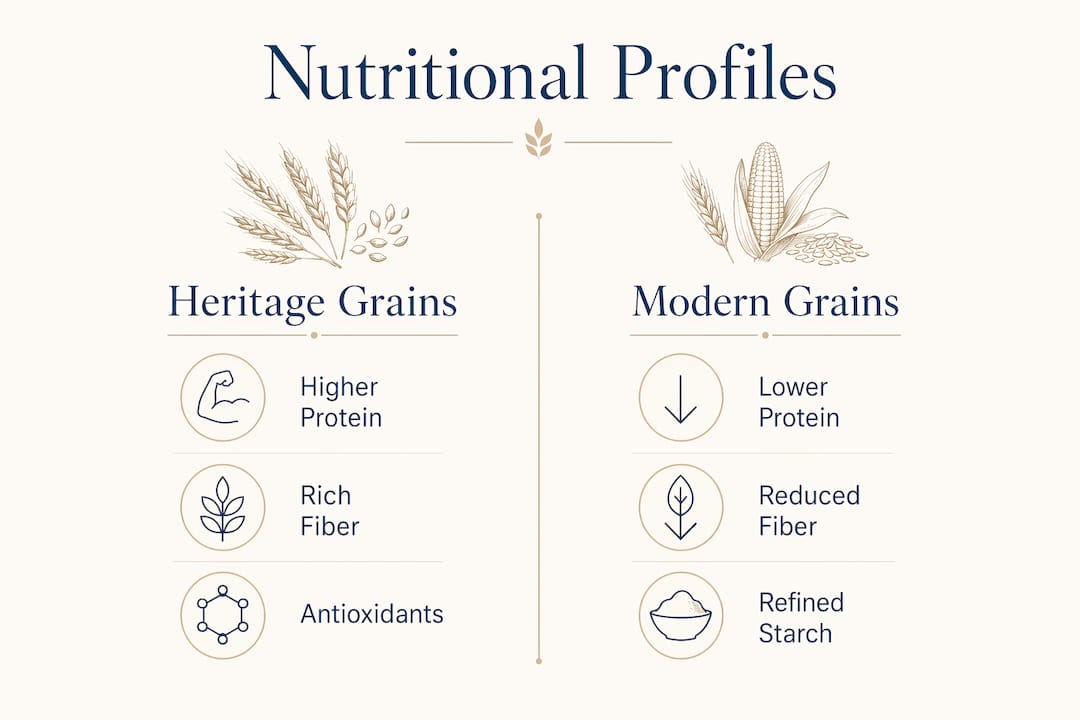
Heritage grains carry a fundamentally different nutritional profile from their modern counterparts. Ancient wheat species contain grain protein levels ranging from 12.5% to 16.3%, compared to the lower figures typical of industrially bred modern cultivars. Higher protein density means better satiety, stronger muscle repair signals, and a more stable energy curve across the day.
The fibre content in heritage wholegrains is equally significant. A 2026 review of 17 studies links wholegrain intake to reduced risk of colorectal, pancreatic, and oesophageal cancers, as well as improved metabolic regulation. That is not a marginal finding. It places heritage wholegrains among the most evidence-backed dietary choices available.
Antioxidant density is another clear advantage. Heritage varieties retain their bran and germ layers, which is precisely where polyphenols, vitamins, and minerals concentrate. Modern milling strips these layers to extend shelf life, removing the very compounds that make grains nutritionally worthwhile.
| Nutrient attribute | Heritage grains | Modern refined grains |
|---|---|---|
| Protein content | 12.5%–16.3% | Generally lower |
| Starch digestibility | Slower (lower glycaemic impact) | Faster (higher glycaemic impact) |
| Fibre retention | High (bran and germ intact) | Low (bran and germ removed) |
| Antioxidant compounds | Rich in polyphenols and minerals | Significantly reduced |
| Processing level | Minimal | Extensive |
Pro Tip: When buying heritage grain flours, look for stone-milled or wholegrain labels. These terms indicate the bran and germ are intact, preserving the nutritional compounds that matter most.
For a closer look at one of the most studied ancient wheats, the einkorn grain guide from Granavitalis covers its ancestral profile and practical uses in detail.
How do traditional dietary patterns support holistic wellness?
The wellness benefits of heritage cuisine go well beyond what a nutrient panel can capture. Traditional heritage diets combining whole ingredients provide fibre, plant proteins, minerals, and antioxidants that work together to regulate blood sugar and support heart health. African heritage meals built around cowpeas, sorghum, and leafy greens, and Asian diets centred on fermented soy, brown rice, and vegetables, demonstrate this pattern consistently.
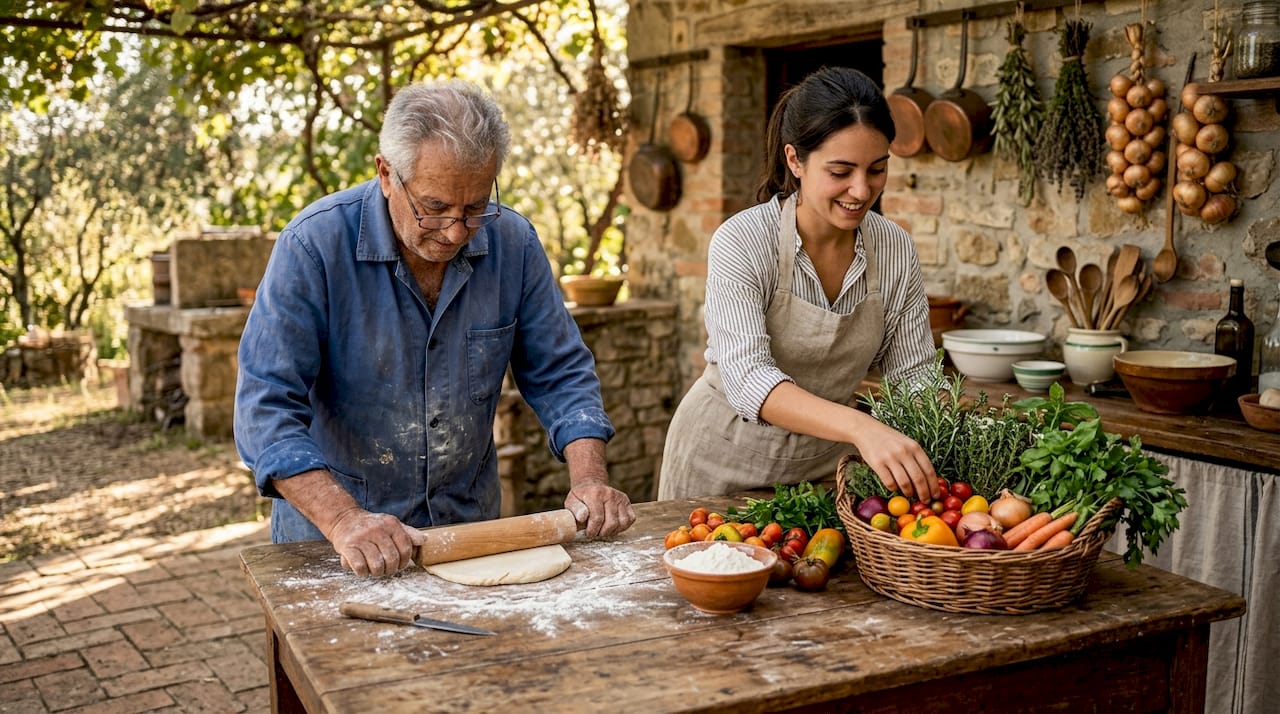
The cultural and psychological dimensions of traditional food practices for well-being are equally real. Preparing and sharing heritage meals creates social bonds, reinforces cultural identity, and encourages mindful eating. These are not soft benefits. Research in nutritional psychology links social eating and cultural food connection to lower rates of anxiety and improved dietary adherence over time.
Heritage foods play a dual role in wellness: biochemical benefits that support metabolism, and psychosocial benefits that foster mindful eating and social bonds. That dual role is what separates traditional dietary patterns from any single superfood trend.
The holistic benefits of heritage food traditions include:
- Metabolic regulation through fibre-rich, low-glycaemic ingredients that slow glucose absorption
- Gut health support via fermented foods such as miso, kefir, and traditionally prepared legumes
- Mental well-being through the ritual and social context of preparing and sharing meals
- Cultural identity and a sense of belonging that research links to psychological resilience
- Dietary variety that naturally covers a broader range of micronutrients than repetitive modern diets
Understanding local gastronomy and its connection to nutrient density adds another layer to why culturally familiar foods consistently outperform imported superfoods in long-term dietary adherence.
Are there limitations in the wellness claims of heritage foods?
Heritage foods are not a universal solution, and the evidence demands nuance. Not all heritage grains are nutritionally superior in every measurable way. Emmer wheat, for example, shows lower protein digestibility than some modern wheat varieties, which means the protein it contains is not always fully absorbed. Individual metabolic responses vary considerably, and a grain that performs well for one person may not deliver the same benefit for another.
Farmers and food scientists caution that heritage foods’ primary value lies in biodiversity, resilience, and sensory qualities rather than guaranteed clinical outcomes. Treating any single food as a cure-all is a mistake regardless of its heritage status. Long-term dietary habits, variety, and overall dietary pattern matter far more than any individual ingredient.
The role of ethnobotany in wellness research supports this view. Traditional plant knowledge systems consistently emphasise dietary diversity over reliance on any single crop. Heritage foods work best as part of a varied, minimally processed diet, not as replacements for medical care or as marketed superfoods.
Pro Tip: Treat heritage foods as foundational ingredients rather than supplements. Rotate between einkorn, spelt, emmer, and other ancient grains across the week to benefit from their different nutrient profiles without over-relying on any single variety.
How can you incorporate heritage foods into your everyday diet?
Practical integration is where the impact of heritage diets on wellness becomes real. The Grandmother Test offers a reliable starting point: if your grandmother would recognise the food in its current form, it is likely minimally processed and worth including. This heuristic cuts through superfood marketing and keeps the focus on genuinely traditional, whole ingredients.
Heritage grains, legumes, and fermented foods are the three most accessible categories to start with. Swapping refined white flour for an ancient grain flour in baking is one of the simplest changes with measurable nutritional impact. Lentils, chickpeas, and black-eyed peas all have deep heritage roots across multiple cultures and deliver fibre, plant protein, and iron in one ingredient.
Fermented foods deserve particular attention. Traditionally fermented products such as sourdough bread, miso paste, and live-culture yoghurt support gut microbiome diversity in ways that pasteurised or ultra-processed equivalents cannot. The fermentation process itself increases bioavailability of certain minerals, making the nutrients in heritage ingredients easier for the body to absorb.
Follow these steps to build heritage foods into your weekly routine:
- Swap one grain per week. Replace white rice or refined pasta with a heritage grain such as spelt, farro, or einkorn. Cook it in the same way and note the difference in flavour and satiety.
- Add one fermented food daily. A tablespoon of miso in soup, a portion of live yoghurt at breakfast, or a slice of genuine sourdough covers your fermented food base without requiring major meal changes.
- Cook one heritage legume dish per week. Lentil dal, black bean stew, or chickpea tagine all draw on traditional food practices and deliver substantial fibre and plant protein.
- Source locally where possible. Heritage varieties grown in your region carry the added benefit of freshness and lower processing time between harvest and your kitchen.
- Pass the knowledge on. Maintaining heritage food traditions at home is the single most effective way to sustain their wellness benefits across generations. Cook with family members, share recipes, and keep the culinary knowledge active.
For a practical overview of which ancient grains to prioritise, Granavitalis has compiled seven ancient grain examples with guidance on how each contributes to a balanced diet.
Integrating heritage foods into regular home cooking also connects naturally to meal planning for busy households, where batch-cooking heritage grains and legumes saves time without sacrificing nutritional quality.
Key takeaways
Heritage foods deliver measurable nutritional advantages over modern refined alternatives, and their wellness impact is strongest when they form the foundation of a varied, minimally processed diet practised consistently at home.
| Point | Details |
|---|---|
| Protein and fibre advantage | Ancient wheats contain 12.5%–16.3% protein and retain bran and germ, unlike refined modern grains. |
| Holistic wellness impact | Heritage foods support both metabolic health and mental well-being through cultural connection and mindful eating. |
| Nuance is necessary | Not all heritage grains are superior in every measure; variety and individual response both affect outcomes. |
| Practical integration | Swapping one grain, adding one fermented food, and cooking one legume dish weekly builds a strong heritage food foundation. |
| Domestic practice matters | Keeping heritage food traditions alive at home sustains their wellness benefits far more effectively than restaurant trends. |
Why I think heritage foods deserve more than trend status
I have spent years watching food trends arrive with enormous claims and leave quietly when the evidence fails to support them. Heritage foods are different, and not because they are ancient. They are different because the evidence for their nutritional value is grounded in both biochemistry and centuries of lived dietary practice across cultures.
What strikes me most is the dual role these foods play. The fibre in emmer wheat and the antioxidants in black-eyed peas are measurable. The act of preparing a traditional meal with family, or eating a dish tied to your cultural identity, is equally real in its effect on mental well-being. Nutrition science is only beginning to quantify what traditional food cultures have always known.
The caution I would offer is this: do not let the wellness label do the work that the food itself should do. Heritage grains are not medicine. They are excellent, nutrient-dense ingredients that work best within a varied diet and a consistent cooking practice. The moment any single food becomes a cure-all in your thinking, you have left the territory of nutrition and entered the territory of marketing.
The most sustainable approach I have seen is the simplest. Cook from scratch with recognisable ingredients. Rotate your grains. Ferment something. Share the meal. That is the full picture of what traditional food practices for well-being actually look like in practice, and it is far more effective than any supplement or superfood claim.
— Jarrod
Granavitalis: heritage nutrition for everyday life
Granavitalis sources ingredients that carry the nutritional integrity of traditional food practices into modern kitchens. Every product reflects the same principle that makes heritage foods worth eating: minimal processing, recognisable ingredients, and genuine nutritional value.
The Raw Organic Pecan Butter from Granavitalis delivers the natural fats, minerals, and plant compounds that heritage nut traditions have always provided, with no additives or industrial processing. For those who want variety, the Organic Nut & Seed Butter Selection Box brings together a range of heritage-inspired nut and seed butters that cover different nutritional profiles in one practical box. These are not supplements. They are real foods, rooted in tradition, and ready for your daily routine.
FAQ
What are heritage foods?
Heritage foods are traditional ingredients, grains, legumes, and recipes that have been cultivated or prepared across generations with minimal industrial modification. They are defined by their cultural roots and nutritional integrity rather than modern breeding or processing.
Are ancient grains better for you than modern wheat?
Ancient wheats like einkorn contain higher protein levels and slower-digesting starches than refined modern wheat, which supports better glycaemic response. The nutritional advantage depends on the variety and how minimally it has been processed.
How do heritage diets support mental well-being?
Traditional food practices foster mindful eating, social connection, and cultural identity, all of which research links to lower anxiety and stronger psychological resilience. The wellness benefits of heritage cuisine are both physical and psychological.
Is every heritage food nutritionally superior?
No. Some heritage varieties, such as emmer wheat, show lower protein digestibility than certain modern wheats. The value of heritage foods lies in dietary variety and minimal processing, not in blanket superiority over every modern alternative.
How do I start eating more heritage foods?
Swap one refined grain for an ancient grain each week, add a fermented food daily, and cook one heritage legume dish per week. Consistency and variety matter more than perfection in any single meal.