
What Is Einkorn? Complete Guide to Ancestral Grain
Over 10,000 years ago, einkorn became one of the very first grains cultivated by humans, shaping the course of agriculture and civilization itself. This ancient wheat variety stands apart from modern grains with its unique genetics, higher protein content, and potentially easier-to-digest proteins. As more people seek nutrient-dense, traditional foods, einkorn’s rich history and distinctive qualities make it a fascinating choice for those who care about both nutrition and heritage.
Table of Contents
- Einkorn Grain Defined And Historical Origins
- Nutritional Profile And Key Health Benefits
- Einkorn Varieties And How It Differs From Wheat
- How To Use Einkorn In Modern Diets
- Risks, Allergies, And Storage Considerations
Key Takeaways
| Point | Details |
|---|---|
| Einkorn’s Historical Significance | Einkorn is one of the oldest wheat varieties, cultivated since 8000 BC, marking a pivotal shift from hunter-gatherer societies to agriculture. |
| Nutritional Advantages | Einkorn offers higher protein and essential minerals, potentially providing health benefits and being more digestible for individuals with mild gluten sensitivities. |
| Differences from Modern Wheat | Einkorn’s diploid genetic structure (14 chromosomes) leads to distinct protein and gluten compositions, requiring different culinary techniques and processing methods. |
| Storage Considerations | Proper storage in cool, dry conditions is essential to preserve einkorn’s nutritional integrity and prevent spoilage. |
Einkorn Grain Defined and Historical Origins
Einkorn represents one of humanity’s most ancient wheat varieties, offering a remarkable window into our agricultural past. According to en.wikipedia.org, this remarkable grain derives its name from the German term meaning ‘single grain’, encompassing both wild (Triticum boeoticum) and domesticated (Triticum monococcum) wheat species.
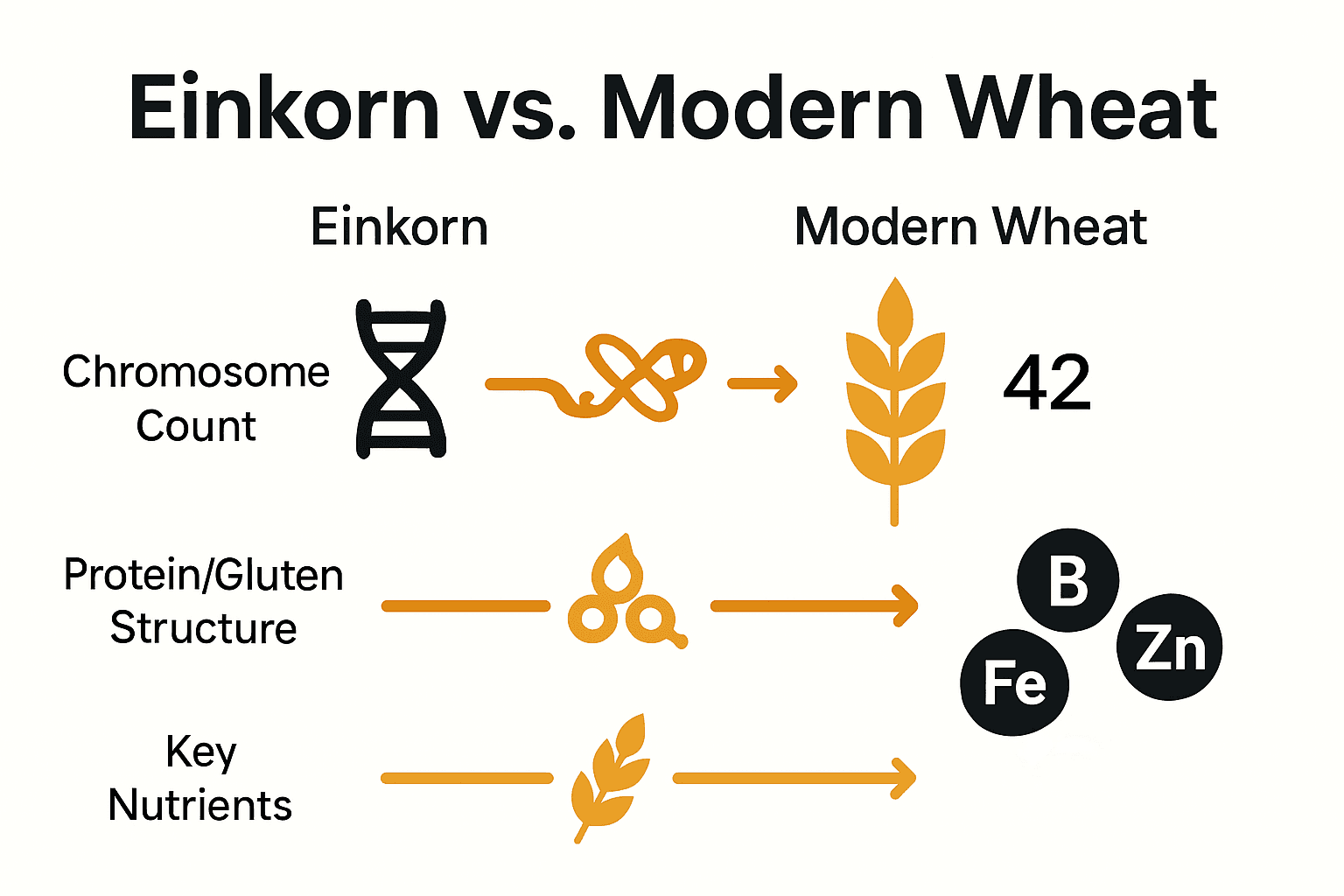
As a diploid wheat species, einkorn stands distinctly different from contemporary wheat varieties. With just 14 chromosomes compared to modern wheat’s 42, this ancient grain carries genetic characteristics that trace back to the earliest human agricultural experiments. plantscience.psu.edu notes that einkorn’s cultivation records date back to 8000 BC, marking it among the first plants domesticated by human societies.
The historical significance of einkorn cannot be overstated. Its domestication represented a pivotal moment in human development, transforming nomadic hunter-gatherer communities into settled agricultural societies within the Fertile Crescent. This transition wasn’t merely about food production - it fundamentally reshaped human social structures, enabling more stable communities and setting the stage for complex civilisations.
Beyond its historical importance, einkorn offers nutritional advantages that make it particularly intriguing for modern consumers. Compared to contemporary wheat varieties, this ancient grain boasts a higher protein content and potentially less toxic protein structures. Some research suggests its gliadin proteins might be more digestible for individuals with mild gluten sensitivities, though more comprehensive studies are needed to conclusively confirm these potential benefits.
Key characteristics of einkorn include:
- Oldest known wheat variety
- Diploid genetic structure (14 chromosomes)
- Originated in the Fertile Crescent
- Higher protein content than modern wheat
- Potentially more digestible protein profile
Nutritional Profile and Key Health Benefits
Einkorn grain emerges as a nutritional powerhouse, offering a remarkable profile that sets it apart from conventional wheat varieties. link.springer.com reveals a comparative study demonstrating that ancient wheats like einkorn are significantly richer in critical nutritional components, including protein, lipids, crude fiber, and mineral content.
The mineral composition of einkorn is particularly impressive. According to research, this ancient grain boasts higher levels of essential minerals such as potassium, magnesium, and calcium compared to standard wheat varieties. These minerals play crucial roles in supporting bone health, muscle function, and overall cellular metabolism.
Diversifood highlights einkorn’s exceptional nutrient density, noting its abundant levels of key vitamins and compounds including:
- Protein
- Essential fatty acids
- Phosphorus
- Potassium
- Vitamin B6
- Lutein
- Beta-carotene
These nutrients contribute to a range of potential health benefits, from immune system support to enhanced eye health. Interestingly, einkorn’s lower gluten content might make it more digestible for individuals with mild gluten sensitivities, though it remains unsuitable for those diagnosed with celiac disease. Its unique nutritional profile positions einkorn as a compelling alternative for health-conscious individuals seeking nutrient-rich, traditional grain options.

Nutritionists are increasingly recognising einkorn’s potential as a functional food. Its rich micronutrient composition and potential reduced gluten toxicity make it an intriguing option for those looking to diversify their diet with ancient, nutrient-dense grains. For individuals exploring alternative wheat varieties, einkorn offers a promising combination of historical significance and modern nutritional value.
Einkorn Varieties and How It Differs From Wheat
Einkorn wheat represents a fascinating chapter in grain evolution, distinctly different from modern wheat varieties in multiple crucial aspects. en.wikipedia.org highlights its unique genetic structure, with einkorn being a diploid species possessing just 14 chromosomes, compared to contemporary wheat’s 42 chromosomes. This fundamental genetic difference profoundly impacts the grain’s protein composition, gluten structure, and overall nutritional profile.
Plantscience.psu.edu emphasises another critical distinction: einkorn is a hulled grain, meaning its kernels are tightly enclosed in a protective husk. This characteristic requires additional processing steps before milling, setting it apart from more commonly cultivated wheat species. The hulled nature, combined with lower crop yields, makes einkorn a more labour-intensive and specialized grain.
The structural differences between einkorn and modern wheat extend beyond genetics and processing. Einkorn grains are characteristically smaller, with a more robust exterior that reflects its ancient lineage. Its kernels remain encased in a tough protective covering, a trait that has survived from its wild ancestral forms. This natural protection likely contributed to the grain’s survival through millennia of agricultural evolution.
Key differences between einkorn and modern wheat include:
- Chromosome count (14 vs 42)
- Protein composition
- Gluten structure
- Grain size and shape
- Processing requirements
- Yield potential
For culinary enthusiasts and health-conscious individuals, these distinctions are more than academic curiosities. They translate into unique nutritional characteristics and potential digestive benefits. While einkorn requires more careful cultivation and processing, its distinctive qualities offer a glimpse into humanity’s agricultural heritage and provide an intriguing alternative to standardized modern wheat varieties.
How to Use Einkorn in Modern Diets
Einkorn flour offers a versatile and nutritious addition to contemporary cooking, bringing ancient grain traditions into modern kitchens. Diversifood highlights its remarkable potential, noting that einkorn can be incorporated into diets through various forms including whole grains, flour, pasta, and bread. Its distinctive nutty flavor and high protein content make it particularly appealing for artisanal baking enthusiasts.
The culinary versatility of einkorn extends across multiple food preparation methods. Wikipedia reveals that in regions like northern Provence, France, traditional dishes such as bulgur and porridge have long featured this ancient grain. However, bakers and home cooks should be aware that einkorn’s lower gluten content requires recipe modifications to achieve desired textures in baked goods.
Practical applications for einkorn in modern diets include:
- Homemade bread and pastries
- Pasta and noodle production
- Breakfast porridges
- Pancakes and waffles
- Artisan pizza crusts
- Crackers and flatbreads
One particularly intriguing characteristic of einkorn is its visual appeal. The flour’s high beta-carotene content naturally imparts a beautiful yellowish hue to baked products, making dishes not just nutritionally rich but visually stunning. For those seeking to experiment, start by substituting a portion of standard wheat flour with einkorn, gradually adjusting recipes to accommodate its unique properties.
Whether you’re a health-conscious cook, a culinary experimenter, or someone interested in reconnecting with ancient food traditions, einkorn offers a delicious pathway to diversifying your diet. Its rich nutritional profile and distinctive flavor make it more than just an alternative grain it’s a celebration of agricultural heritage on your plate.
Risks, Allergies, and Storage Considerations
Gluten sensitivity remains a critical consideration for individuals exploring einkorn wheat. Diversifood highlights that while einkorn contains gluten, its protein structure differs from modern wheat, potentially offering improved digestibility for those with mild gluten sensitivities. However, it is crucial to understand that individuals with celiac disease cannot safely consume einkorn, as it still contains gluten proteins.
Wikipedia emphasises the importance of proper storage to maintain einkorn’s nutritional integrity. The grain’s natural tough husk provides some protection against environmental factors, but careful storage remains essential. Improper storage conditions can lead to rapid quality degradation and potential spoilage.
Key storage recommendations for einkorn include:
- Store in cool, dry environments
- Maintain temperatures below 20°C
- Use airtight containers
- Protect from direct sunlight
- Monitor humidity levels
- Check for signs of moisture or pest intrusion
Nutritional preservation is particularly critical for einkorn, given its unique nutrient profile. The grain’s high carotenoid content is especially sensitive to environmental conditions. For maximum nutritional benefit, consumers should invest in proper storage solutions that protect the grain’s delicate composition. This might include vacuum-sealed containers, cool pantry storage, or refrigeration for longer-term preservation.
Beyond storage, potential consumers should be aware of individual health considerations. While einkorn may be more digestible for some, it is not a universal solution for those with wheat-related dietary restrictions. Consulting with a healthcare professional remains the most reliable approach for individuals with specific dietary concerns or known grain sensitivities.
Discover the Timeless Benefits of Einkorn with Granavitalis
If you have been intrigued by the unique nutritional profile and rich heritage of einkorn as an ancient grain this is the perfect moment to bring its benefits into your kitchen. Its higher protein content and potential for improved digestibility make it an excellent choice for those seeking wholesome nourishment that honours tradition and supports wellbeing.
Explore our carefully selected range in All Flours – Granavitalis where einkorn flour and other premium ancient grains await your culinary creativity. At Granavitalis, we are passionate about delivering food with purpose, crafting options that energise your mornings and build a healthier future. Start your journey today to rediscover nourishment rooted in ancestral wisdom and modern health needs.
Frequently Asked Questions
What is einkorn grain?
Einkorn is one of the oldest known wheat varieties, a diploid grain with 14 chromosomes, distinguished from modern wheat which has 42 chromosomes. It was first cultivated around 8000 BC and played a key role in the evolution of agricultural societies.
What are the nutritional benefits of einkorn?
Einkorn grain is rich in protein, essential fatty acids, vitamins, and minerals like potassium and magnesium. Its unique nutritional profile may support bone health and overall cellular metabolism, making it a compelling choice for those interested in healthy eating.
How can I incorporate einkorn into my diet?
Einkorn can be used in various culinary applications, including bread, pasta, pancakes, and breakfast porridges. Due to its lower gluten content, recipe adjustments may be necessary to achieve desired textures in baked goods.
How should einkorn be stored to maintain its quality?
To maintain einkorn’s nutritional integrity, it should be stored in cool, dry environments in airtight containers, away from direct sunlight. Monitoring humidity levels and checking for signs of moisture or pest intrusion is also important for proper storage.