
How to choose the best plant protein powder for women
TL;DR:
- Choose plant protein powders with 20-27g of complete protein per serving and minimal additives.
- Verify third-party testing and avoid products with artificial sweeteners and long ingredient lists.
- Prioritize wholefood nutrition and use protein powders as supplements, not main dietary sources.
The plant protein powder market has exploded, and with it comes a dizzying array of tubs, blends, and bold claims. For women focused on fitness, recovery, or simply eating cleaner, the options feel overwhelming. Not every powder delivers what it promises, and some carry hidden quality concerns that most labels won’t flag. This guide cuts through the noise. Whether you’re building muscle, managing weight, or supporting everyday wellness, you’ll learn exactly what separates a genuinely great plant protein powder from one that’s merely well-marketed.
Table of Contents
- Understand what makes a plant protein powder ideal for women
- Get prepared: what to look for on labels and ingredient lists
- Step-by-step: how to choose (and use) your plant protein powder
- Avoiding pitfalls: contaminants, safety and wholefood balance
- Our perspective: why the best plant protein powder is personal
- Go further: support your plant-based nutrition
- Frequently asked questions
Key Takeaways
| Point | Details |
|---|---|
| Quality is key | Choose third-party tested powders with transparent ingredient lists for safety and effectiveness. |
| Tailor to your needs | The best powder matches your goals, taste, and tolerance—there is no universal best. |
| Balance is best | Use protein powder as a supplement, not a substitute for wholefood nutrition. |
| Watch for contaminants | Plant-based powders can contain heavy metals, so opt for brands with published testing results. |
Understand what makes a plant protein powder ideal for women
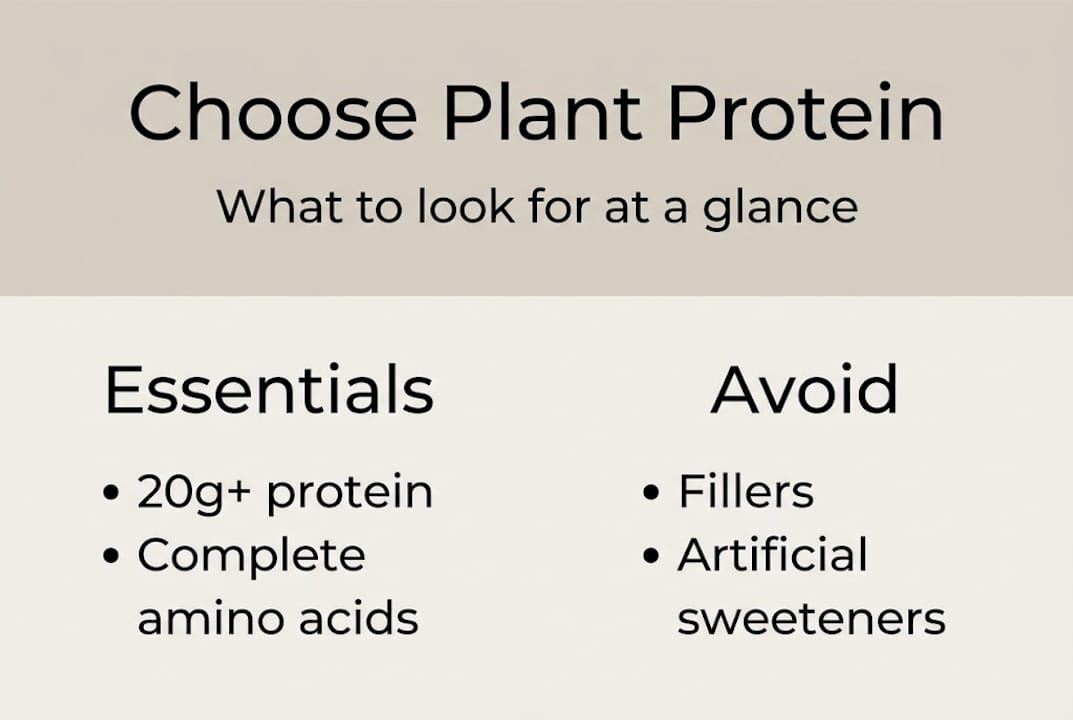
The best plant protein powders do more than hit a protein number. They deliver a nutritionally complete, digestible, and lifestyle-compatible product that fits your body and your goals. Before you reach for any tub, it helps to understand the four criteria that matter most.
Protein content and completeness are your starting points. A quality powder should provide 20 to 27g of protein per serving and ideally contain all nine essential amino acids. Single-source plant proteins, such as pea protein alone, can fall short on certain amino acids like methionine. Blended formulas, combining pea and rice for instance, tend to offer a more complete profile.
Digestibility matters more than most women realise. Plant proteins can be harder for the gut to process than whey, particularly if you have sensitivities to legumes or grains. Powders that include digestive enzymes or use fermented protein sources are worth prioritising if bloating has been an issue for you in the past.
Ingredient integrity is where many products fall short. Fillers, gums, artificial sweeteners, and synthetic flavourings are common in lower-quality powders. A short, recognisable ingredient list is always a good sign.
For a broader overview of best plant based protein options available to women, it’s worth exploring how different sources compare in practice. You can also learn more about the types of vegan protein powders to understand which base suits your digestion and goals.
When it comes to standout products, Vogue’s 2026 roundup names Ritual Essential Protein as the best overall vegan protein for women, citing its clean pea-based formula and transparent sourcing. For women in the UK specifically, The Independent’s review identifies Free Soul as the best UK blend for women, noting its formulation is designed with women’s hormonal and nutritional needs in mind.
| Feature | What to look for | Red flag |
|---|---|---|
| Protein per serving | 20 to 27g | Under 15g |
| Amino acid profile | Complete or blended | Single source only |
| Sweetener | None or natural (stevia) | Sucralose, aspartame |
| Certification | Third-party tested | No certification listed |
| Ingredients | Short, recognisable list | Lengthy filler-heavy list |
Here’s a quick checklist of what a genuinely good powder should offer:
- At least 20g protein per serving
- A blended or complete amino acid source
- No artificial sweeteners or synthetic additives
- Third-party testing certification
- Flavours and formats that suit your lifestyle (unflavoured, chocolate, vanilla)
“The best protein powder is the one you’ll actually use consistently, that agrees with your digestion, and that you can trust is what it says it is.”
Get prepared: what to look for on labels and ingredient lists
Reading a protein powder label confidently is a skill, and it’s one worth building before you spend money. The front of the tub is marketing. The back is where the truth lives.
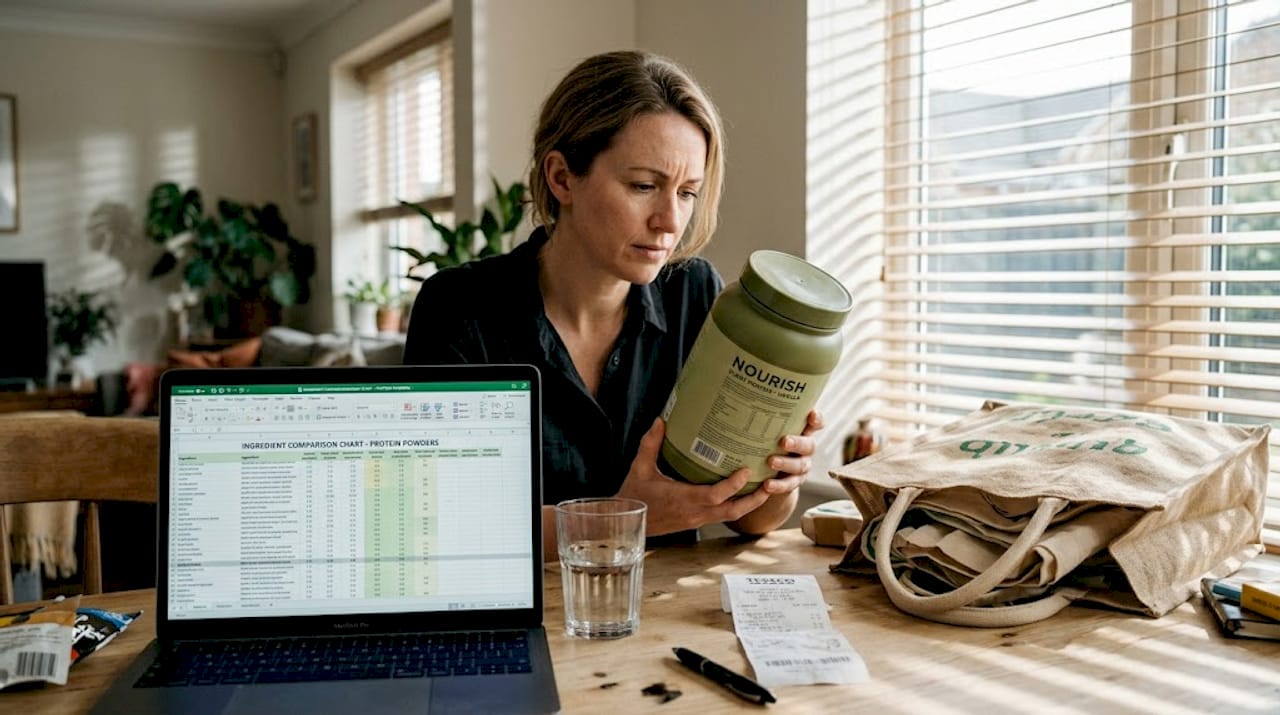
Start with the nutrition panel. You want 20 to 27g of protein per serving. Anything lower and you’re paying a premium for a product that won’t move the needle on your fitness or wellness goals. Check the serving size too. Some brands inflate their numbers by using a 50g scoop when most competitors use 30g.
Next, look at the protein source. Pea protein is the most common and well-researched plant source. Rice protein pairs well with pea to complete the amino acid profile. Hemp offers a naturally broader nutrient range but lower protein density. Multi-blend formulas typically outperform single-source options for women with active lifestyles.
The cleanest plant protein powders consistently share one trait: short ingredient lists with nothing you can’t pronounce. If you see more than a handful of ingredients, ask yourself what each one is doing there.
Third-party testing is non-negotiable for safety. Look for labels that carry NSF Certified for Sport, Informed Sport, or Informed Protein certification. These programmes verify that what’s on the label is actually in the product, and that no banned substances or contaminants are present. Harvard Health’s guidance is clear that quality and safety hinge on third-party testing and clean ingredients.
Here’s a step-by-step approach to label reading:
- Check protein grams per serving (aim for 20 to 27g)
- Identify the protein source (pea, rice, hemp, or blend)
- Scan the sweetener used (natural is preferable, none is best)
- Look for a third-party certification logo
- Count the total ingredients (fewer is generally better)
- Check for allergen warnings relevant to your needs
For women focused on wholefood nutrition, exploring complete vegan protein powders that prioritise minimal processing is a smart next step.
Pro Tip: If a brand doesn’t publish its third-party test results publicly, that’s a reason to pause. Reputable brands make this information easy to find on their website.
| Ingredient type | Good sign | Avoid |
|---|---|---|
| Sweetener | Stevia, monk fruit, none | Sucralose, acesulfame-K |
| Thickener | Sunflower lecithin | Carrageenan, xanthan gum |
| Flavouring | Natural flavours, cocoa | Artificial flavours |
| Protein source | Pea, rice, hemp blend | Unnamed “plant blend” |
Step-by-step: how to choose (and use) your plant protein powder
Knowing what to look for is one thing. Putting it into practice is another. Here’s a clear process to help you select and integrate a plant protein powder that actually works for your life.
Step 1: Define your primary goal. Are you using protein powder to support muscle building after strength training? To replace a rushed breakfast? To hit your daily protein target on a plant-based diet? Your goal shapes everything from the protein content you need to the format that suits you best.
Step 2: Shortlist based on your label criteria. Using the checklist from the previous section, narrow your options to two or three products that meet your non-negotiables. Don’t buy a full-size tub until you’ve tried a sample or smaller size.
Step 3: Run a tolerance trial. Digestibility and tolerance are decisive factors in long-term adherence to a powder. Try your chosen product for five to seven days, noting any bloating, digestive discomfort, or energy changes. If it doesn’t agree with you, that’s useful data, not failure.
Step 4: Assess taste and mixability. A powder you dread drinking won’t become a habit. Test it in water, in oat milk, and blended into a smoothie. Some powders taste great in shakes but turn gritty in porridge. Know how you’ll use it before committing.
Step 5: Integrate it consistently. Protein powder works best as a complement to whole food meals, not a replacement for them. Aim to use it at the same time each day, whether that’s post-workout, at breakfast, or as an afternoon snack.
For practical ideas on how to use it creatively, these tips for using plant protein cover everything from baking to smoothie prep. If managing calories is part of your goal, low-calorie protein blends offer options that don’t compromise on nutrition.
Pro Tip: Stir unflavoured plant protein into savoury dishes like soups or lentil stews. It’s one of the easiest ways to boost your protein intake without adding another shake to your day.
- Post-workout: within 30 to 60 minutes of training
- Morning: blended into a smoothie or stirred into porridge
- Afternoon: mixed with oat milk as a filling snack
- Baking: added to energy balls, pancakes, or protein bars
Avoiding pitfalls: contaminants, safety and wholefood balance
Even a well-chosen protein powder carries risks if you’re not careful about sourcing and usage. This is the part most brands prefer you skip over.
Contamination is a real and documented concern. The Clean Label Project findings from their Protein Study 2.0 revealed that plant-based powders were the most contaminated, sometimes containing five times more cadmium than other protein types. Heavy metals like lead, arsenic, and cadmium can accumulate in plant crops, particularly in root systems, and processing doesn’t always remove them.
This doesn’t mean plant protein powders are dangerous. It means the source and testing of your powder matters enormously. Here’s what to look out for:
- Cadmium and lead contamination, especially in single-source plant powders
- BPA from plastic packaging leaching into the product
- Undisclosed additives or proprietary blends that mask ingredient quantities
- Exaggerated protein claims not verified by independent testing
“Supplements are not regulated the same way as food or medicine. That gap is where quality problems hide.”
The hidden dangers of protein powders are well documented, and Harvard Health is clear that powders should supplement whole food nutrition, not replace it. Relying heavily on protein powder as your primary protein source is a nutritional shortcut that comes with trade-offs.
For a deeper look at how plant protein compares to whey on safety and performance, the vegan vs whey protein safety breakdown is worth reading.
Practical steps to reduce your risk:
- Rotate between two or three trusted brands rather than relying on one product daily
- Check if the brand publishes batch-specific test results on their website
- Choose products with Informed Sport or NSF certification
- Prioritise whole food protein sources (lentils, tempeh, quinoa, nuts) as your foundation
The wholefood-first principle matters. A protein powder is a tool, not a dietary cornerstone. Use it to fill gaps, not to build your entire nutrition strategy around.
Our perspective: why the best plant protein powder is personal
Here’s something the best-of lists won’t tell you: there is no universally best plant protein powder. The product that earns top marks in a lab test or a glossy magazine review might leave you bloated, bored, or reaching for something else by week two.
At Granavitalis, we’ve seen this play out consistently. Women who thrive on pea protein blends struggle with hemp-based formulas, and vice versa. Flavour fatigue is real. Digestive tolerance is deeply individual. What works brilliantly for your training partner may do nothing useful for you.
The most important variable isn’t the amino acid score. It’s adherence. A powder you use consistently, that you enjoy, and that your body responds well to will always outperform the “best” option you abandon after a fortnight.
Our honest advice: start with your digestion, not the hype. Trial small. Listen to your body. And explore best vegan blends for women with curiosity rather than pressure to find the one perfect answer. Wellness is built on patterns, not single products.
Go further: support your plant-based nutrition
Protein powder is one piece of the puzzle. The women who see the best results are those who support their protein intake with genuinely nutrient-dense whole foods across the rest of their day.
At Granavitalis, we’ve built our range around exactly that principle. Our Lean & Green® superfood blend pairs beautifully with a morning protein shake, adding greens, botanicals, and micronutrients that no protein powder alone can provide. For healthy fats and a natural protein boost, our pecan butter for protein is a wholefood staple worth adding to your rotation. Real nutrition is built layer by layer, and we’re here to help you build it well.
Frequently asked questions
What is the best plant-based protein powder for women in the UK?
Free Soul vegan protein blend is highly rated for UK women, with a formula specifically designed to support women’s hormonal and nutritional needs.
Are plant-based protein powders safe for daily use?
Most are safe when third-party tested for purity, but the Clean Label Project’s testing found significant contaminant levels in some plant-based products, so certification matters.
Which ingredients should women avoid in plant protein powder?
Avoid artificial sweeteners like sucralose, excessive gums and fillers, and any product without a clear certification for purity from an independent testing body.
How does plant protein compare to whey protein for women?
Plant proteins can support fitness goals as effectively as whey when you choose blends with complete amino acid profiles, making them a strong choice for vegan and wholefood lifestyles alike.
Recommended
- Best vegan protein powder for women: 2026 guide – Granavitalis
- Best plant based protein powder for women 2026 – Granavitalis
- 7 Best Plant Based Protein Powders for Every Need – Granavitalis
- Choose the cleanest plant based protein powder in 2026 – Granavitalis
- How to Choose Supplements for Peak Performance Results – ElevateSupplements