
Best plant based protein powder for women 2026
Best plant based protein powder for women 2026
Finding a plant-based protein powder that supports your fitness goals without triggering bloating or digestive upset can feel impossible. Many women cycle through products that promise complete nutrition but deliver gritty textures, hormonal disruption from hidden additives, or incomplete amino acid profiles. This guide will show you how to select powders tailored to women’s unique nutritional needs, covering protein types, micronutrient support, label reading, usage strategies, and realistic timelines for results.
Table of Contents
- Understanding Plant-Based Protein Types And Benefits
- Nutritional Considerations For Women
- How To Choose High-Quality Protein Powders
- Selecting Protein Powders With Digestive Support
- How To Use Plant-Based Protein Powder Effectively
- Common Mistakes And Warnings
- Expected Outcomes And Timelines
- Explore Quality Plant-Based Nutrition From Granavitalis
Key takeaways
| Point | Details |
|---|---|
| Complete protein blends | Combining pea, rice, hemp, and seed proteins delivers all essential amino acids for muscle recovery. |
| Digestive support matters | Prebiotics and enzymes reduce bloating by over 65% and improve nutrient absorption. |
| Avoid harmful additives | Sucralose and maltodextrin disrupt digestion and hormonal balance. |
| Optimal serving timing | Consume 20-30g post-workout and distribute protein evenly throughout the day. |
| Expect results in weeks | Consistent use yields noticeable muscle recovery and energy improvements within 2 to 4 weeks. |
Understanding plant-based protein types and benefits
Plant proteins come from diverse sources, each offering unique nutritional advantages. Pea protein delivers high leucine content for muscle synthesis. Rice protein provides smooth digestibility. Hemp offers omega-3 fatty acids alongside protein. Pumpkin seed protein supplies magnesium and zinc for hormonal balance. Soy protein, though controversial for some, remains a complete protein source.
Single-source plant proteins often lack one or more essential amino acids. This is where blends shine. Complete amino acid profiles are achievable by blending pea, rice, hemp, and seed proteins. These combinations mimic the amino acid distribution found in animal proteins without the hormonal disruption some women experience from whey or casein.
For muscle building, leucine stands out as the key trigger for muscle protein synthesis. Women aiming to build lean muscle need adequate leucine alongside other branched-chain amino acids. Blended plant proteins overcome the incomplete profiles of single sources by:
- Delivering all nine essential amino acids in optimal ratios
- Providing sufficient leucine to activate muscle growth pathways
- Supporting recovery without dairy-related inflammation or hormonal interference
- Offering diverse micronutrients from multiple plant sources
Choosing understanding types of vegan protein powders helps you recognise which combinations work best for your body. Reading plant protein powder reviews from verified users reveals real-world performance beyond marketing claims.
Nutritional considerations for women
Women’s bodies require specific micronutrients to maintain hormonal balance, energy production, and bone health. Magnesium regulates over 300 enzymatic reactions, including those controlling cortisol and oestrogen metabolism. Zinc supports immune function, wound healing, and reproductive health. Many women run chronically low on both minerals.

Pumpkin seed protein is rich in magnesium and zinc supporting hormonal health. This makes pumpkin seed blends particularly valuable for women experiencing PMS symptoms, irregular cycles, or energy crashes. Sufficient zinc intake has been linked to reduced menstrual cramping and improved mood stability during hormonal fluctuations.
Prebiotic fibres deserve equal attention. These non-digestible carbohydrates feed beneficial gut bacteria, improving digestion and reducing inflammation. A balanced gut microbiome enhances nutrient absorption, strengthens immunity, and even influences mood through the gut-brain axis. Women who struggle with bloating often find relief when using powders containing prebiotic fibres like inulin or acacia fibre.
Micronutrient deficiencies in magnesium and zinc can silently undermine your fitness progress, hormonal balance, and daily energy levels. Choosing protein powders that address these gaps supports whole-body wellness, not just muscle recovery.
Avoid these common additives that interfere with women’s health:
- Artificial sweeteners like sucralose, which may alter gut bacteria composition
- Maltodextrin, a high-glycaemic filler that spikes blood sugar
- Synthetic vitamins that lack the bioavailability of whole-food nutrients
- Carrageenan, linked to digestive inflammation in sensitive individuals
Exploring the role of protein in vegan diets reveals how plant proteins support overall nutrition beyond muscle building. Understanding beneficial micronutrients for women helps you prioritise powders that address multiple nutritional needs simultaneously.
How to choose high-quality protein powders
Label reading separates effective products from expensive disappointments. Start with the ingredient list. Fewer ingredients usually signal better quality. You want to see recognisable plant protein sources listed first, followed by natural flavours and minimal additives.
Select powders with minimal artificial sweeteners and preservatives. Sucralose and acesulfame potassium appear frequently in budget brands. These artificial sweeteners may disrupt gut bacteria and trigger digestive discomfort. Natural alternatives like stevia or monk fruit offer sweetness without the metabolic interference.
Maltodextrin deserves special scrutiny. This corn-derived filler adds bulk cheaply but spikes blood sugar rapidly. Women managing insulin sensitivity or trying to maintain stable energy should avoid powders listing maltodextrin in the first five ingredients.
Third-party testing provides peace of mind. Look for certifications from:
- NSF Certified for Sport, ensuring purity and label accuracy
- Informed Sport, testing for banned substances
- USDA Organic, guaranteeing pesticide-free sourcing
- Non-GMO Project Verified, confirming genetic modification absence
Pro Tip: Purchase single-serving sachets or small containers before committing to bulk sizes. Taste preferences vary wildly, and what works beautifully for one woman may taste chalky or overly sweet to another. Testing tolerance prevents wasting money on large tubs you won’t finish.
Check protein content per serving. Aim for at least 20 grams per scoop. Lower amounts require consuming more powder to meet daily targets, increasing exposure to any additives present. Compare the vegan protein powders comparison to understand quality differences across brands. Consult the forbes protein powder guide for expert evaluations of popular options.
Selecting protein powders with digestive support
Digestive comfort makes or breaks consistent protein powder use. Many women abandon plant proteins after experiencing bloating, gas, or stomach cramping. These issues often stem from poor formulation rather than inherent problems with plant proteins themselves.
Digestive enzymes like protease, amylase, and lipase help break down proteins, carbohydrates, and fats. Adding these enzymes to protein powders improves nutrient absorption and reduces the digestive burden on your system. Prebiotics and enzymes reduce bloating and digestive distress; added fibre improves digestive comfort in over 65% of users.
Women prone to irritable bowel syndrome or food sensitivities benefit enormously from powders containing both enzymes and prebiotics. This combination supports complete protein breakdown while feeding beneficial gut bacteria that crowd out problematic strains.
| Protein Powder Feature | Digestive Support | Benefit |
|---|---|---|
| Digestive enzymes | Protease, amylase | Breaks down proteins and carbs, reducing bloating |
| Prebiotic fibre | Inulin, acacia | Feeds gut bacteria, improves regularity |
| Fermented proteins | Sprouted grains | Enhances bioavailability, easier digestion |
| Probiotic strains | Lactobacillus | Balances microbiome, reduces gas |
Pro Tip: Introduce new protein powders gradually. Start with half servings mixed into smoothies for three to five days. Monitor your digestion during this period. If you experience no discomfort, increase to full servings. Rushing this process overwhelms your digestive system and makes identifying problem ingredients difficult.
Fermented or sprouted plant proteins offer another digestive advantage. The fermentation process partially breaks down proteins and reduces anti-nutrients like phytic acid that interfere with mineral absorption. Women with sensitive digestion often tolerate fermented proteins better than standard varieties.
Explore top vegan protein sources to understand how whole foods complement powder supplementation. Learn more about digestive support in protein powders to make informed purchasing decisions.
How to use plant-based protein powder effectively
Timing and dosing determine whether protein powders deliver results or waste money. The post-workout window offers prime opportunity for muscle recovery. Consume 20-30g protein servings post-workout to optimise recovery and distribute intake evenly throughout the day.
Muscle protein synthesis operates on a use-it-or-lose-it basis. Flooding your body with 60 grams at dinner doesn’t compensate for skipping protein at breakfast and lunch. Your muscles can only process about 20 to 30 grams per meal for building and repair. Exceeding this amount gets converted to energy or stored as fat.
Follow these steps for optimal results:
- Measure 20-30 grams per serving using the scoop provided or a kitchen scale for accuracy
- Consume within 30 to 60 minutes post-workout when muscles are primed for nutrient uptake
- Distribute remaining daily protein across breakfast, lunch, and snacks for sustained muscle support
- Mix with unsweetened plant milk or water using a blender bottle to eliminate clumps
- Experiment with adding frozen fruit, nut butter, or greens to improve taste and nutrition
Texture matters more than most women expect. Gritty, chalky powders sit abandoned in cupboards because drinking them feels like a chore. Smooth-mixing powders with neutral or mildly sweet flavours encourage daily compliance. Vanilla and chocolate remain popular because they blend well into both sweet and savoury recipes.
Consistent daily use amplifies benefits. Sporadic consumption delivers sporadic results. Your body adapts to regular protein intake by optimising muscle repair processes and improving protein utilisation efficiency. Check out the best plant protein powder for muscle to understand muscle-building formulations. Review protein dosing guidelines from sports nutrition experts for personalised recommendations.
Common mistakes and warnings
Even quality protein powders fail when used incorrectly. The most common mistake is treating powders as meal replacements rather than supplements. Whole foods provide fibre, phytonutrients, and satiety that isolated protein cannot match. Relying solely on powders creates nutritional gaps and undermines long-term health.
Ignoring serving sizes causes problems at both extremes. Under-dosing fails to trigger muscle protein synthesis. Overdosing taxes kidneys unnecessarily and wastes money. Stick to recommended servings unless a registered dietitian advises otherwise based on your specific training intensity and body composition goals.
Avoid protein powders containing sucralose and maltodextrin due to digestion and hormonal risks. Sucralose alters gut bacteria populations, potentially triggering inflammation and metabolic dysfunction. Maltodextrin spikes blood sugar, promoting fat storage and energy crashes. Both additives appear frequently in budget products, making label reading non-negotiable.
Other critical mistakes include:
- Mixing powders with hot liquids, which denatures proteins and creates unpleasant textures
- Storing opened containers in humid environments, causing clumping and spoilage
- Combining multiple supplements without understanding potential interactions
- Expecting powders to compensate for inadequate sleep or poor training programmes
Protein powder enhances a solid nutrition foundation; it cannot replace whole foods, adequate hydration, quality sleep, or consistent training. Roughly 40% of users report issues stemming from unrealistic expectations or improper use rather than product quality.
Women taking medications should consult healthcare providers before adding protein powders. Some plant proteins interact with thyroid medications or blood thinners. Pregnant and breastfeeding women need medical guidance to ensure supplementation supports rather than complicates their unique nutritional needs. Learn about warnings on vegan protein powders from independent testing organisations.
Expected outcomes and timelines
Realistic expectations prevent disappointment and encourage consistency. Protein powders are not magic bullets. They work synergistically with training, sleep, and overall nutrition to deliver results over weeks and months, not days.
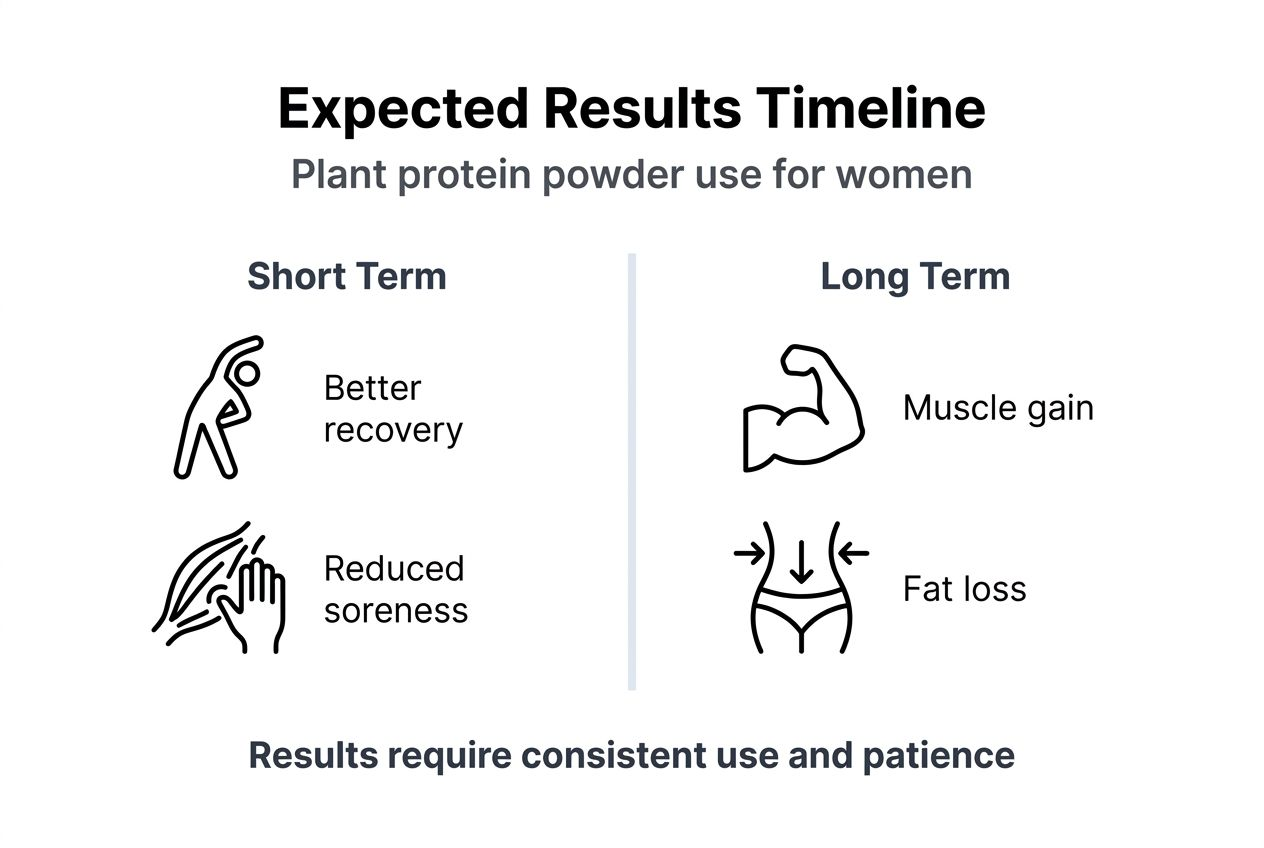
Users typically see reduced muscle soreness and better recovery within 2-4 weeks of consistent powder use with fitness routines. About 70% of women report noticeable improvements in workout recovery during this timeframe. Muscles feel less sore after training sessions. Energy levels stabilise throughout the day. Sleep quality often improves as the body repairs more efficiently.
Digestive improvements follow a similar timeline. Women using powders with prebiotics and enzymes typically notice reduced bloating within two to three weeks as gut bacteria populations rebalance. Regularity improves. Post-meal discomfort decreases.
Realistic milestones include:
- Week 1-2: Adjusting to taste and texture, monitoring digestion, establishing routine
- Week 3-4: Reduced muscle soreness, improved workout recovery, stable energy
- Week 5-8: Visible muscle definition improvements, enhanced strength gains, better body composition
- Week 9-12: Sustained energy, consistent performance, established healthy habits
Body composition changes require patience. Fat loss and muscle gain happen simultaneously but slowly. Expect visible changes in muscle tone and definition after eight to twelve weeks of consistent use combined with resistance training. Women who track measurements rather than relying solely on scale weight see progress more clearly.
Consistent intake matters more than perfect timing. Missing occasional servings won’t derail progress, but erratic use prevents your body from adapting and optimising protein metabolism. Explore plant protein powder user outcomes to understand real-world experiences beyond marketing promises.
Explore quality plant-based nutrition from Granavitalis
Supporting your fitness and wellness goals requires more than protein alone. Granavitalis offers nutrient-dense whole foods that complement your supplementation routine. Their organic nut and seed butter selection provides healthy fats, minerals, and sustained energy perfect for pre-workout fuel or post-training snacks.
Boosting immunity and recovery becomes simpler with their immune booster superfood bundle, combining ancient grains and power-ups rooted in traditional nutrition. These products embody the Granavitalis philosophy: purity, performance, and purpose in every ingredient. Explore their range to build a complete nutrition strategy supporting your active lifestyle and long-term wellbeing.
Frequently asked questions
What makes a plant-based protein powder ideal specifically for women?
Women benefit most from blended plant proteins delivering complete amino acid profiles, especially leucine for muscle synthesis. Ideal powders also contain magnesium and zinc to support hormonal balance, prebiotics for digestive comfort, and avoid artificial sweeteners that disrupt gut health.
Can plant-based protein powders cause digestive issues and how do I prevent them?
Yes, some powders cause bloating and gas, usually due to incomplete digestion or gut bacteria imbalance. Choose products with digestive enzymes and prebiotic fibres, which reduce these issues in over 65% of users. Introduce new powders gradually, starting with half servings to assess tolerance.
How much protein should women consume per serving for optimal results?
Consume 20-30 grams per serving, particularly post-workout when muscles actively repair. Distribute protein evenly across meals rather than loading one meal, as your body can only process about 20-30 grams per sitting for muscle building. Consistent daily intake matters more than occasional large doses.
Are artificial sweeteners safe in protein powders?
No, avoid sucralose and similar artificial sweeteners. These additives alter gut bacteria composition, potentially causing digestive upset and hormonal disruption. Choose powders sweetened with stevia, monk fruit, or minimal natural sweeteners. Read labels carefully, as budget brands frequently include problematic additives.
How soon can I expect benefits from using a plant-based protein powder regularly?
Most women notice reduced muscle soreness and improved recovery within 2-4 weeks of consistent use alongside regular exercise. Digestive improvements from prebiotic-containing powders appear in a similar timeframe. Visible body composition changes require 8-12 weeks of combined supplementation, training, and proper nutrition.
Recommended
- 7 Best Plant Based Protein Powders for Every Need – Granavitalis
- Choose the cleanest plant based protein powder in 2026 – Granavitalis
- Best plant protein powder to build muscle: 25g per serve 2026 – Granavitalis
- Low-Calorie Plant Protein: 20g Blends Fuel Muscle & Wellness – Granavitalis
- bell
- Best Supplement Reviews & Rankings 2026 | RankOfSupplements