
High protein plant based protein powder: 2026 guide
TL;DR:
- High-quality plant-based protein powders deliver 20 grams or more of protein per serving with improved absorption through advanced technologies like ioPEA™ SMOOTH. Selecting a formula depends on goals such as muscle recovery, weight management, and digestive comfort, emphasizing bioavailability, amino acid completeness, and ingredient purity. Prioritizing absorption and texture ensures effective use of protein and consistent intake for optimal health and performance.
A high protein plant based protein powder is defined as a vegan supplement delivering 20 grams or more of protein per serving from sources such as pea, rice, or pumpkin seed, with absorption efficiency comparable to dairy-based alternatives. The industry term is “plant protein isolate” or “plant protein blend,” and understanding the distinction matters because not all powders are equal in how much protein your body actually uses. Technologies like ioPEA™ SMOOTH have changed the conversation entirely, with clinical studies showing up to 300% better amino acid absorption than standard pea protein. For anyone focused on muscle recovery, weight management, or clean daily nutrition, the gap between a mediocre powder and a genuinely high quality plant based protein powder is significant.
What makes a high protein plant based powder worth buying
Choosing the right powder means looking past the marketing and into the formulation. These are the criteria that separate the top plant protein powders from the rest.
- Protein content per serving. A quality serving delivers 20 to 27 grams of protein, depending on the blend and processing method. Anything below 20 grams per serving is a meal supplement, not a protein powder.
- Amino acid completeness. Plant proteins are often low in one or more essential amino acids. Pairing pea protein with rice peptides creates a full amino acid profile including BCAAs and leucine, which is the trigger amino acid for muscle protein synthesis.
- Absorption efficiency. Protein grams on a label mean nothing if your body cannot absorb them. Standard pea protein has lower bioavailability than whey, but enzyme blends and peptides can raise absorption significantly and reduce digestive upset.
- Digestive comfort. FODMAP-friendly certified powders and hydrolysed blends are formulated to avoid the bloating that puts many people off plant protein entirely. If you have a sensitive gut, this certification is non-negotiable.
- Texture and mixability. Traditional plant proteins are gritty, chalky, or earthy. Modern hydrolysed and isolated formulations have closed this gap considerably. A powder you will not drink consistently is a powder that does not work.
- Ingredient cleanliness. The best all natural vegan protein powder contains no artificial sweeteners, no fillers, and no proprietary blends that obscure dosing. Short ingredient lists are a mark of quality.
- Certifications. Vegan, organic, and FODMAP certifications signal that a product has been independently verified. They are not guarantees of quality, but they are useful filters.
Pro Tip: Check the amino acid profile on the product page, not just the total protein grams. A powder with 25g of protein but poor leucine content will underperform a 22g powder with a complete profile.
1. ioPEA™ SMOOTH pea protein blend
This is the benchmark for absorption in the plant protein category. ioPEA™ SMOOTH uses a bio-optimised pea protein technology that delivers up to 300% better amino acid absorption than standard pea protein, placing it close to whey in terms of bioavailability. For muscle recovery, that difference is material. You are not just consuming more protein; you are actually using more of it.
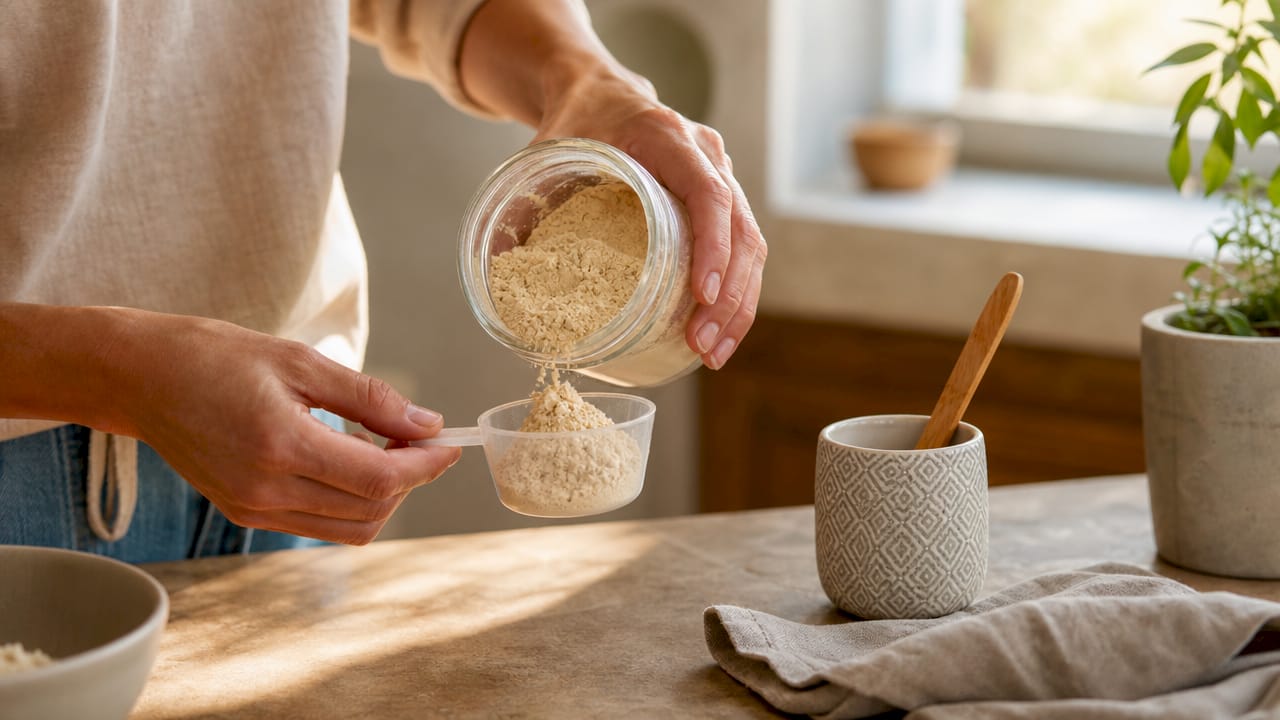
The formula pairs ioPEA™ SMOOTH with rice protein peptides to cover the full essential amino acid spectrum, including the BCAAs your muscles need post-training. It is FODMAP-friendly certified and dairy-free, making it one of the most digestively accessible options available. Texture is smooth and mixes cleanly, which addresses the single biggest complaint about plant protein historically.
2. Pea, brown rice, and pumpkin seed blend
This three-source blend is the most popular format among top rated plant based protein powders because it distributes the amino acid load across multiple plants. Pea protein is high in lysine but lower in methionine. Brown rice covers methionine. Pumpkin seed adds zinc, magnesium, and a secondary protein source that rounds out the micronutrient profile.
The result is a powder that functions as a near-complete food rather than a single-ingredient supplement. Protein content typically sits between 22 and 25 grams per serving. The texture is earthier than ioPEA™ SMOOTH formulations, but brands using cold-processed or hydrolysed versions of these ingredients have improved palatability considerably. This format suits people who want plant protein sources that mirror whole-food nutrition.
3. Hydrolysed plant protein blend
Hydrolysed proteins are pre-digested, meaning the protein chains are broken into smaller peptides before you consume them. This speeds absorption and virtually eliminates the digestive discomfort associated with traditional plant powders. Hydrolysed or isolated plant proteins mimic whey’s solubility and mouthfeel more closely than any other plant-based processing method.
For anyone who has tried plant protein and found it bloating or gritty, a hydrolysed blend is the format to try next. The trade-off is cost. Hydrolysis is an expensive process, so these powders sit at the premium end of the market. The performance justification is strong for serious athletes or anyone with digestive sensitivity.
4. Low-calorie high-protein blend for weight management
Weight-focused users need a different calculation: maximum protein per calorie rather than maximum protein per serving. The best options in this category deliver 20 grams of protein at under 120 calories per serving, with minimal fat and carbohydrate. This makes them effective for satiety without disrupting a calorie deficit.
Granavitalis recommends looking at low-calorie plant protein formulations that use pea isolate as the primary source, since isolates have had most of the fibre and carbohydrate removed during processing. The result is a cleaner macronutrient split. Avoid powders that compensate for low calories by adding artificial sweeteners, which can increase cravings and disrupt gut bacteria.
5. FODMAP-certified clean ingredient powder
FODMAP certification means a product has been tested and verified to contain fermentable carbohydrates below the threshold that triggers IBS-type symptoms. For the significant portion of the population with gut sensitivity, this is the most practical filter for choosing a plant protein. Switching to FODMAP-friendly blends can virtually eliminate the bloating that makes many people abandon plant protein altogether.
Clean ingredient powders in this category typically contain five to eight ingredients total. They use natural sweeteners such as stevia or monk fruit, avoid gums and thickeners, and source protein from certified organic crops. This is the format that best fits the Granavitalis philosophy of purity over complexity.
6. Plant protein with added coconut MCT oil powder
MCT oil powder changes the texture profile of a plant protein shake in a way that no other additive matches. Coconut MCT oil powder contributes creaminess and a satisfying mouthfeel that makes the shake feel closer to a meal replacement than a supplement. It also adds a source of rapidly available energy, which suits pre-workout or morning use.
The addition of MCT oil does increase the calorie count, so this format is better suited to muscle building and energy goals than strict weight management. Look for powders where MCT oil is listed as a secondary ingredient rather than a primary one, which keeps the protein-to-calorie ratio favourable.
7. Muscle-focused powder with high leucine content
Leucine is the amino acid that directly triggers muscle protein synthesis, and its concentration in a serving matters more than total protein grams for muscle building. The best vegan plant based protein powder for muscle recovery contains at least 2.5 grams of leucine per serving. Pea protein naturally contains around 1.8 grams per 25-gram serving, so building muscle with plant protein requires either a higher-dose serving or a blend that concentrates leucine from multiple sources.
Some brands now fortify their blends with added L-leucine to hit the 2.5-gram threshold without increasing total serving size. This is a legitimate and effective approach. If muscle recovery is your primary goal, check the amino acid breakdown on the label rather than relying on total protein alone.
Comparison of top plant-based protein powders
| Powder type | Protein per serving | Absorption technology | Digestive support | Best for |
|---|---|---|---|---|
| ioPEA™ SMOOTH blend | 22 to 25g | Bio-optimised, 300% better absorption | FODMAP-certified, dairy-free | Absorption and recovery |
| Pea, rice, pumpkin blend | 22 to 25g | Standard or cold-processed | Moderate, fibre-balanced | Whole-food nutrition |
| Hydrolysed plant blend | 20 to 24g | Pre-digested peptides | Excellent, minimal bloating | Sensitive digestion |
| Low-calorie pea isolate | 20 to 22g | Isolate processing | Good, low fibre | Weight management |
| FODMAP-certified clean | 20 to 23g | Standard isolate | Certified low-FODMAP | Gut sensitivity |
| MCT-enhanced blend | 20 to 24g | Standard or hydrolysed | Good with MCT support | Energy and texture |
| High-leucine muscle blend | 24 to 27g | Fortified amino acids | Variable | Muscle building |
How to choose the right powder for your goals
Your goal determines which features to prioritise. Here is a direct breakdown.
- Muscle recovery and building. Choose a powder with a complete amino acid profile, at least 2.5g of leucine, and a protein content of 24g or above per serving. ioPEA™ SMOOTH blends and high-leucine formulations are the strongest options. The Granavitalis guide on types of vegan protein powders covers the source differences in detail.
- Weight management. Prioritise protein per calorie over protein per serving. A pea isolate delivering 20g of protein at under 120 calories is more useful than a 27g serving at 200 calories when you are managing a deficit.
- Digestive sensitivity. FODMAP certification and hydrolysed processing are your two non-negotiable filters. Do not compromise on either if bloating has been a problem with previous powders.
- Everyday nutrition and convenience. A three-source blend (pea, rice, pumpkin) with a clean ingredient list covers your bases without requiring specialist knowledge. Add it to oats, smoothies, or baked goods for flexible daily use.
- Budget. Standard pea and rice blends offer the best value. Premium hydrolysed and ioPEA™ SMOOTH formulations cost more but deliver measurably better absorption. If budget is tight, a higher serving of a standard blend can partially compensate, though not fully.
Pro Tip: Buy a single-serving sample before committing to a 1kg bag. Texture and flavour preferences are highly individual, and the highest quality powder is useless if you find it unpalatable.
Key takeaways
The highest quality plant protein powder combines superior amino acid absorption, a complete essential amino acid profile, and digestive comfort. Protein grams on a label are only meaningful if your body can actually absorb and use them.
| Point | Details |
|---|---|
| Absorption over grams | ioPEA™ SMOOTH delivers up to 300% better absorption than standard pea protein. |
| Complete amino acids | Pairing pea with rice peptides covers all essential amino acids including leucine and BCAAs. |
| Digestive comfort | FODMAP-certified and hydrolysed blends eliminate bloating for sensitive users. |
| Goal-specific selection | Muscle building needs leucine focus; weight management needs protein-to-calorie ratio. |
| Texture is solvable | Hydrolysed and MCT-enhanced formulations have closed the gap with whey on mouthfeel. |
Why absorption is the metric most people ignore
I have reviewed plant protein powders for years, and the single most consistent mistake I see is people choosing a powder based on the protein number on the front of the pack. A 30-gram protein serving from a poorly processed standard pea powder may deliver less usable protein to your muscles than a 22-gram serving from an ioPEA™ SMOOTH formulation. That is not a minor difference. It is the difference between a product that works and one that does not.
The texture improvements in modern powders have also been genuinely significant. The gritty, chalky experience that defined plant protein five years ago is no longer the standard. Hydrolysed blends and MCT-enhanced formulations now produce shakes that are genuinely pleasant to drink. That matters for adherence, and adherence is what produces results.
My honest recommendation is to start with a FODMAP-certified, absorption-optimised blend and assess how your body responds over four weeks. If digestion is comfortable and recovery feels supported, you have found your baseline. From there, you can adjust protein content and leucine levels based on your specific training demands. For women with specific nutritional considerations, the Granavitalis plant protein guide for women is worth reading alongside this article.
— Jarrod
Complete your plant nutrition with Granavitalis
A high quality plant based protein powder covers your amino acid needs, but whole-plant nutrition goes further than protein alone. Healthy fats from nuts and seeds support hormone balance, joint health, and sustained energy across the day. Granavitalis stocks the RAWGORILLA range of organic, raw nut butters that pair directly with plant protein shakes and post-workout meals. The organic nut and seed butter selection box gives you a range of options including pecan, hazelnut, and mixed seed butters, all cold-processed to preserve nutritional integrity. Add a tablespoon to your protein shake for healthy fats, or spread it on oats for a complete recovery meal. You can also explore the raw organic pecan butter as a standalone addition to your daily nutrition routine.
FAQ
What is plant based protein?
Plant based protein refers to protein derived from non-animal sources such as peas, brown rice, hemp, pumpkin seed, and soy. In powder form, these sources are processed into concentrates or isolates to deliver a high protein content per serving.
How much protein should a plant powder contain per serving?
A quality plant protein powder delivers between 20 and 27 grams of protein per serving. Anything below 20 grams per serving is unlikely to meet the threshold needed for muscle protein synthesis after training.
Why does plant protein cause bloating?
Bloating from plant protein is caused by high fibre content and poor processing, not by plant protein itself. FODMAP-certified and hydrolysed blends are specifically formulated to remove the fermentable compounds that trigger digestive discomfort.
Is pea protein a complete protein?
Standard pea protein is low in methionine, making it incomplete on its own. Combining it with rice protein peptides creates a full essential amino acid profile, which is why the best vegan plant based protein powders use blended sources rather than a single ingredient.
Does absorption technology really make a difference?
Yes. Standard pea protein has significantly lower bioavailability than whey, but technologies like ioPEA™ SMOOTH close that gap by up to 300%. You may need roughly three times as much standard pea protein to absorb the equivalent amino acids from one serving of an ioPEA™ SMOOTH formulation.