
Why Use Vegan Protein Powders for Everyday Wellness
Most advice about vegan protein powders misses a crucial point for the british audience. Recent studies show that plant-based proteins can match animal proteins in effectiveness, overturning a long-standing nutritional myth. With growing interest across the United Kingdom in sustainable and ethical choices, understanding vegan protein options matters more than ever. This guide dives into the science, clears up confusion, and reveals why many british consumers are rethinking their approach to daily nutrition.
Table of Contents
- Vegan Protein Powders Explained and Debunked
- Types of Plant-Based Proteins Compared
- Nutritional Benefits for Active Lifestyles
- Eco-Friendly Impact of Vegan Proteins
- Common Pitfalls and How to Avoid Them
Key Takeaways
| Point | Details |
|---|---|
| Nutritional Value of Vegan Protein Powders | Modern research shows that plant-based proteins can be as effective as animal proteins, making them legitimate alternatives for wellness. |
| Diverse Protein Sources | Combining different plant protein sources maximises amino acid profiles and nutritional benefits, adapting to individual dietary needs. |
| Active Lifestyle Benefits | Vegan protein powders support muscle recovery and provide essential amino acids for active individuals. |
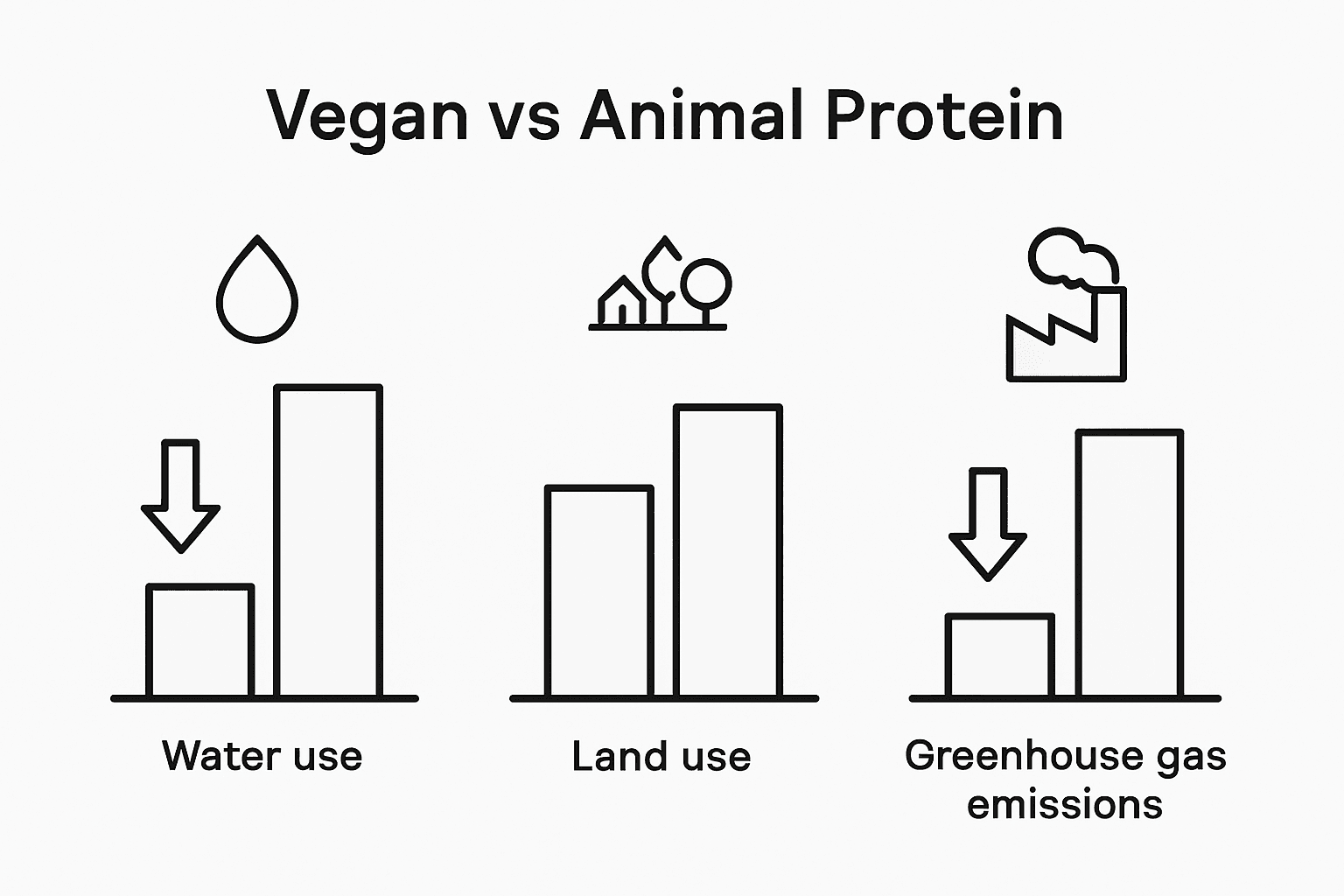
| Sustainability Factors | Plant-based proteins offer significant environmental advantages, including reduced water use and lower greenhouse gas emissions compared to animal proteins. |
Vegan Protein Powders Explained and Debunked
Vegan protein powders represent a powerful nutritional strategy for individuals seeking plant-based protein alternatives that support overall wellness. These nutrient-dense supplements offer a comprehensive approach to protein intake, particularly for those avoiding animal-derived products. Modern nutritional research has demonstrated that plant-based proteins can be equally effective as traditional animal proteins, challenging previous misconceptions about their nutritional value.
Scientific investigations are increasingly validating the potential of vegan protein powders. A groundbreaking study from the University of Westminster revealed that plant-based protein shakes made from potato and rice can effectively manage appetite and control blood glucose levels, making them particularly beneficial for individuals managing metabolic conditions. These powders are not merely supplements but sophisticated nutritional tools designed to support diverse health goals.
The protein composition of vegan powders varies significantly, offering multiple sources such as pea, rice, hemp, and quinoa. Each source provides unique amino acid profiles and additional nutritional benefits. For instance, research from the University of Birmingham is currently evaluating how combined pea and rice protein supplements support muscle health, indicating the nuanced potential of these plant-based alternatives. The key is understanding that vegan protein powders are not one-size-fits-all but rather a sophisticated range of nutritional tools adaptable to individual wellness needs.
Pro Nutrition Strategy: Select a vegan protein powder with multiple protein sources to ensure a complete amino acid profile and maximise nutritional absorption.
Types of Plant-Based Proteins Compared
Plant-based proteins offer a diverse and nutritionally rich alternative to traditional animal protein sources, providing health-conscious individuals with multiple options for meeting their dietary requirements. Comprehensive research from Heriot-Watt University explores an extensive range of plant protein sources, highlighting the incredible variety available including soy, pea, lentil, quinoa, and amaranth proteins.
Each plant protein source brings unique nutritional characteristics to the table. Soy proteins are renowned for their complete amino acid profile, while pea proteins offer excellent digestibility and muscle recovery properties. Quinoa and amaranth stand out as pseudocereals providing additional micronutrients beyond basic protein content. Advanced extraction technologies are now enabling researchers to develop more sophisticated plant-based protein products, transforming how we understand and utilise these nutritional powerhouses.

The nutritional landscape of plant proteins extends far beyond simple protein content. Legumes, cereals, and seeds each contribute distinct functional properties that make them valuable additions to modern dietary strategies. Some proteins excel in protein concentration, while others offer superior digestibility or additional health benefits like improved heart health or reduced inflammation. This complexity means consumers can select protein sources that align precisely with their individual wellness goals.
Pro Nutrition Strategy: Mix multiple plant protein sources in your diet to ensure a comprehensive amino acid profile and maximise nutritional diversity.
Here is a comparison of common plant-based protein sources, highlighting their key nutritional strengths:
| Protein Source | Amino Acid Profile | Digestibility | Notable Micronutrients |
|---|---|---|---|
| Pea | Incomplete, rich in lysine | High | Iron, magnesium |
| Rice | Low in lysine | Very high | B vitamins, zinc |
| Soy | Complete protein | High | Iron, calcium |
| Quinoa | Complete protein | Moderate | Magnesium, manganese |
| Hemp | Nearly complete | Moderate | Omega-3, zinc |
| Amaranth | Complete protein | Moderate | Phosphorus, manganese |
Nutritional Benefits for Active Lifestyles
Vegan protein powders have emerged as a game-changing nutritional resource for individuals maintaining active lifestyles, offering a comprehensive approach to muscle recovery and sustained energy. Cutting-edge research from the University of Birmingham explores how plant-based protein supplements can effectively support muscle health, providing critical insights into their role in athletic performance and recovery.
For fitness enthusiasts and active individuals, plant-based proteins deliver remarkable benefits beyond traditional nutritional expectations. They provide essential amino acids crucial for muscle repair, support metabolic processes, and offer rapid absorption rates that rival animal-based protein sources. Pea, rice, and hemp protein combinations have demonstrated exceptional capacity to support muscle protein synthesis, making them increasingly popular among athletes seeking clean, sustainable nutrition strategies.
Nutritional diversity remains key when incorporating vegan proteins into an active lifestyle. Health nutrition experts recommend strategically combining different plant protein sources to ensure complete amino acid profiles. This approach not only supports muscle development but also provides additional micronutrients like iron, magnesium, and zinc, which are critical for maintaining high-performance physiological functions. By diversifying protein sources, active individuals can optimise their nutritional intake while supporting sustainable dietary practices.
Pro Nutrition Strategy: Rotate between different plant protein sources weekly to ensure comprehensive amino acid intake and prevent potential nutritional monotony.
Eco-Friendly Impact of Vegan Proteins
Vegan protein sources represent a transformative approach to sustainable nutrition, offering significant environmental benefits that extend far beyond individual dietary choices. Pioneering research from the University of Leeds is exploring innovative alternative protein sources like duckweed and yeast-based proteins, which can grow in diverse environments and dramatically reduce the ecological footprint associated with traditional protein production.
The environmental advantages of plant-based proteins are substantial and multifaceted. Compared to animal protein production, vegan protein sources require significantly less water, generate lower greenhouse gas emissions, and utilise land more efficiently. Legumes, quinoa, and other plant proteins can be cultivated with minimal environmental disruption, creating a more sustainable nutritional ecosystem that supports global ecological balance.
Scientific innovations are further enhancing the potential of plant-based proteins by developing advanced processing techniques, such as protein microgels that improve texture and consumer acceptance. These technological advancements not only make plant-based proteins more appealing but also reduce reliance on resource-intensive animal protein production, supporting a more environmentally conscious approach to nutrition.
Pro Sustainability Strategy: Choose plant-based protein sources that are locally grown and minimally processed to maximise environmental benefits and reduce transportation emissions.
To better understand their environmental impact, below is a summary of the sustainability features of key vegan protein sources:
| Protein Source | Water Use Efficiency | Land Use Efficiency | Greenhouse Gas Emissions |
|---|---|---|---|
| Legumes | Very efficient | High | Very low |
| Soy | Efficient | Moderate | Low |
| Quinoa | Moderate | Moderate | Very low |
| Pea | Efficient | High | Low |
| Hemp | Moderate | Efficient | Very low |
Common Pitfalls and How to Avoid Them
Plant-based protein nutrition requires strategic planning to ensure comprehensive dietary balance and optimal nutrient intake. Health nutrition experts recommend carefully addressing potential nutritional gaps when transitioning to vegan protein sources, highlighting the importance of deliberate and informed dietary choices.
One of the most significant challenges in vegan protein consumption involves achieving complete protein profiles and maintaining adequate amino acid intake. Many individuals mistakenly rely on a single protein source, which can lead to nutritional deficiencies. Successful plant-based protein strategies involve diversifying protein sources, combining complementary proteins like legumes with grains, and incorporating protein supplements that offer comprehensive amino acid profiles. Quinoa, hemp seeds, and complete vegan protein blends can help mitigate potential protein absorption limitations.
Careful allergen management is crucial when exploring diverse protein alternatives, as many plant-based proteins are derived from nuts, seeds, and legumes that may trigger sensitivities. Individuals with known allergies should meticulously review ingredient lists, consult nutritional professionals, and conduct gradual dietary introductions to identify potential reactive ingredients. Understanding individual physiological responses and potential cross-reactivity becomes paramount in developing a safe and sustainable vegan protein nutrition strategy.
Pro Nutritional Strategy: Rotate protein sources weekly and maintain a food diary to track your body’s response to different plant-based protein combinations.
Unlock Everyday Wellness with Vegan Protein Powders from Granavitalis
The article highlights the importance of selecting diverse, plant-based protein sources to achieve a complete amino acid profile while supporting muscle health and overall wellness. If you are challenged by the need to balance nutrition, recovery, and sustainable choices in your diet, Granavitalis offers carefully crafted vegan protein powders designed to meet these exact goals. Our range reflects the article’s emphasis on combining multiple plant proteins such as pea, rice, and hemp to fuel your body efficiently without compromise.
Explore our Vegan Protein Powders – Granavitalis collection and experience nutrition rooted in tradition yet tailored for modern wellness needs. Start your journey with Granavitalis today at granavitalis.com and fuel your strength, recovery, and energy with purity and purpose. Elevate your everyday nutrition now with plant-based powders focused on clean performance and sustained vitality.
Frequently Asked Questions
What are the benefits of using vegan protein powders?
Vegan protein powders provide essential amino acids for muscle recovery, support metabolic processes, and offer rapid absorption rates. They are also rich in micronutrients that promote overall wellness and energy levels.
How do I choose the right vegan protein powder for my needs?
Select a vegan protein powder that combines multiple sources, such as pea, rice, and hemp, to ensure a complete amino acid profile and maximise nutritional absorption according to your dietary needs.
Can vegan protein powders support muscle development effectively?
Yes, research indicates that vegan protein powders, especially those combining pea, rice, and hemp proteins, can effectively support muscle protein synthesis, making them suitable for individuals with active lifestyles.
Are there any nutritional gaps to be aware of when using vegan protein powders?
Yes, focusing solely on one protein source can lead to deficiencies. It’s essential to diversify your protein sources and consider combining complementary proteins, such as legumes with grains, to achieve a balanced amino acid profile.