
Vegan Protein Powders: Choosing the Best for UK Wellness
More than 1 in 10 British adults are choosing plant-based diets, which is driving a surge in interest for vegan protein powders. This shift goes beyond just avoiding animal products and connects to broader goals like muscle recovery, health, and sustainability. If you are curious about what sets these powders apart and how they compare to traditional options, understanding their core facts can help you find the right fit for your lifestyle.
Table of Contents
- What Are Vegan Protein Powders? Core Facts
- Types: Pea, Hemp, Rice, Ancient Grain Proteins
- Nutritional Value and Amino Acid Profiles
- Sourcing, Processing, and Ingredient Purity
- Comparing Sustainability and Allergen Considerations
- How to Choose: Common Mistakes and Key Tips
Key Takeaways
| Point | Details |
|---|---|
| Vegan Protein Powders Offer Diversity | These supplements provide essential amino acids and nutrition, catering to various dietary needs and promoting overall health. |
| Sourcing and Processing Matter | Selecting proteins from sustainable sources and employing minimal processing ensures high nutritional value and purity. |
| Combining Protein Sources Enhances Nutrition | Mixing different plant-based proteins helps achieve a complete amino acid profile, supporting optimal muscle recovery and metabolic functions. |
| Be Mindful of Allergens and Sustainability | Evaluate protein powders for allergenic potential and environmental impact, thus aligning choice with personal health and ecological responsibility. |
What Are Vegan Protein Powders? Core Facts
Vegan protein powders are plant-based nutritional supplements designed to provide essential amino acids and protein without using animal-derived ingredients. These powders offer a strategic nutritional solution for individuals following plant-based diets, those with dairy sensitivities, or anyone seeking alternative protein sources. Vegan protein sources are increasingly becoming a mainstream nutritional strategy for supporting muscle recovery, overall health, and dietary flexibility.
Typically crafted from diverse plant sources like peas, hemp, rice, and legumes, these powders undergo specialised processing to extract and concentrate protein compounds. Each source brings unique nutritional profiles: pea protein offers robust amino acid content, hemp provides omega fatty acids, and rice protein delivers easily digestible nutrients. These plant proteins are carefully extracted to maintain nutritional integrity while eliminating animal products, making them suitable for vegans, vegetarians, and those with lactose intolerance.
The core benefits of vegan protein powders extend beyond dietary restrictions. They provide comprehensive nutritional support, delivering crucial amino acids required for muscle synthesis, tissue repair, and metabolic functions. Unlike traditional whey proteins, these plant-based alternatives often include additional micronutrients, fibre, and antioxidants that contribute to holistic wellness. Protein supplements derived from plant sources can effectively support diverse nutritional goals, from athletic performance to everyday health maintenance.
Pro Tip: Select a Vegan Protein Powder: When choosing your plant-based protein, sample different brands and varieties to find a flavour and texture that suits your palate, ensuring you’ll consistently integrate this nutritional supplement into your diet.
Types: Pea, Hemp, Rice, Ancient Grain Proteins
Vegan protein powders encompass a diverse range of plant-based sources, each offering unique nutritional benefits. Different types of plant proteins provide varied nutritional profiles, allowing individuals to select powders that best match their dietary needs and wellness goals. The primary protein varieties include pea, hemp, rice, and ancient grain proteins, each bringing distinctive characteristics to nutritional supplementation.
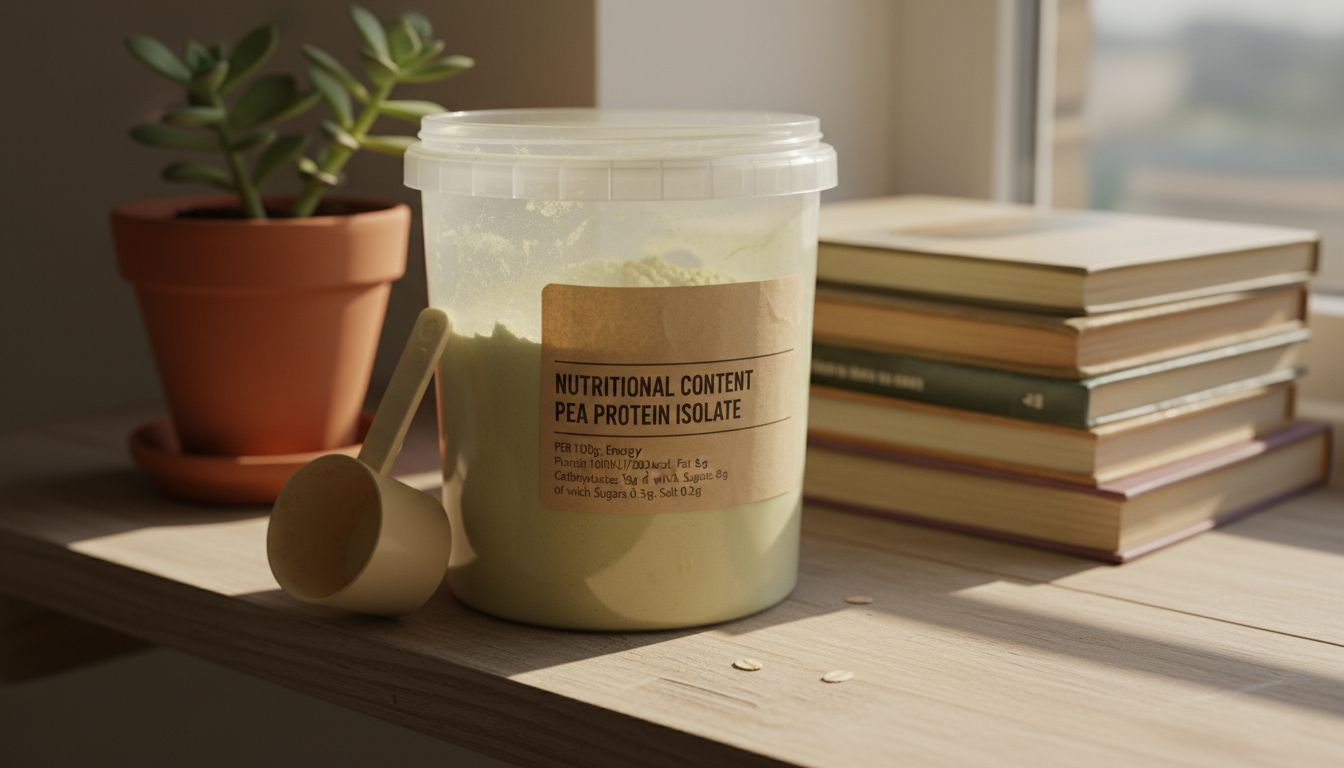
Pea Protein stands out as a powerhouse among plant proteins. Extracted from yellow split peas, this protein source is exceptionally rich in essential amino acids and provides a robust amino acid profile comparable to animal-based proteins. It is particularly notable for its high digestibility, rapid absorption, and impressive muscle-building potential. Athletes and fitness enthusiasts frequently choose pea protein for its quick recovery support and minimal digestive discomfort.
Hemp Protein offers a comprehensive nutritional package beyond traditional protein supplementation. Derived from hemp seeds, this protein contains not only complete protein but also beneficial omega-3 and omega-6 fatty acids. Its unique composition supports heart health, reduces inflammation, and provides essential minerals. Rice protein, another popular option, delivers easily digestible protein with a mild flavour profile, making it an excellent choice for those with sensitive digestive systems. Ancient Grain Proteins, such as quinoa and amaranth-based powders, represent a emerging category that connects nutritional innovation with traditional wholefood principles, offering complex carbohydrates alongside protein content.
Pro Tip: Protein Powder Sampling: Experiment with small quantities of different plant protein powders to discover which texture, flavour, and digestibility work best for your individual nutritional preferences and lifestyle.
Here’s a concise comparison of popular vegan protein sources:
| Protein Source | Key Nutritional Strengths | Best For |
|---|---|---|
| Pea | High in lysine, easily digested | Muscle growth, quick recovery |
| Hemp | Omega-3 & omega-6, minerals | Heart health, anti-inflammation |
| Rice | Gentle on digestion, mild flavour | Sensitive stomachs, hypoallergenic |
| Ancient Grains | Complex carbohydrates, minerals | Energy, overall wellness |
Nutritional Value and Amino Acid Profiles
Understanding the nutritional composition of vegan protein powders requires a nuanced examination of their amino acid profiles and overall nutritional potential. Protein powders demonstrate significant variations in their essential amino acid content, making it crucial for individuals to select sources that provide comprehensive nutritional support.
Amino Acid Completeness is a critical consideration in vegan protein selection. While animal proteins traditionally offer complete amino acid profiles, plant-based proteins require strategic combination to achieve similar nutritional effectiveness. Pea protein emerges as a standout, rich in branched-chain amino acids and particularly high in lysine. Hemp protein provides a more balanced profile, offering not just protein but additional beneficial fatty acids that support overall metabolic function. Rice protein, though typically lower in lysine, can be effectively combined with other plant proteins to create a more comprehensive nutritional package.
The nutritional diversity of plant proteins extends beyond basic amino acid composition. Different protein sources contribute unique micronutrients, with hemp protein delivering omega fatty acids, pea protein providing iron and arginine, and ancient grain proteins offering complex carbohydrates and additional minerals. This multifaceted nutritional approach means that vegan protein powders can potentially provide more holistic nutrition compared to traditional single-source protein supplements. Careful selection and combination of protein sources can help individuals create a personalised nutritional strategy that supports muscle development, metabolic health, and overall wellness.
Pro Tip: Protein Profile Matching: Rotate between different plant protein powders to ensure you receive a comprehensive range of amino acids and prevent potential nutritional monotony in your diet.
Sourcing, Processing, and Ingredient Purity
Vegan protein powder production represents a sophisticated intersection of agricultural sourcing, advanced processing techniques, and stringent quality control measures. While no specific research source was available, the principles of ingredient purity demand meticulous attention to every stage of protein powder development, from seed selection to final packaging.
Sourcing Quality begins with selecting premium plant sources cultivated through sustainable agricultural practices. Optimal protein powders originate from organically grown crops, carefully harvested to preserve nutritional integrity. This means prioritising plants grown without synthetic pesticides, cultivated in nutrient-rich soils, and processed with minimal environmental impact. The geographical origin of ingredients plays a crucial role, with regions maintaining traditional agricultural practices often producing more nutritionally dense plant proteins.
The Processing Methodology significantly influences a protein powder’s final nutritional profile and purity. Sophisticated extraction techniques like cold pressing, water extraction, and mechanical separation help maintain the intrinsic nutritional value of plant proteins. These methods prevent protein denaturation, preserve essential amino acids, and minimise the use of chemical solvents. Advanced processing also involves rigorous testing for potential contaminants, ensuring that the final product meets strict nutritional standards and remains free from heavy metals, pesticide residues, and microbiological impurities.
Pro Tip: Protein Powder Scrutiny: Always review the detailed sourcing and processing information on protein powder packaging, looking for certifications that indicate organic cultivation, minimal processing, and comprehensive quality testing.
Comparing Sustainability and Allergen Considerations
Navigating the complex landscape of vegan protein powders requires careful consideration of both environmental impact and individual dietary sensitivities. Sustainable protein choices can significantly influence both personal health and ecological wellness, making it crucial to evaluate these critical factors comprehensively.
Sustainability represents a fundamental concern in modern protein powder selection. Hemp protein emerges as an exemplary sustainable option, requiring minimal water resources and capable of growing in diverse agricultural environments with limited pesticide intervention. Pea protein similarly demonstrates impressive environmental credentials, with crop cultivation contributing nitrogen back to soil systems and requiring substantially lower carbon emissions compared to animal protein production. The environmental footprint of plant-based proteins extends beyond immediate cultivation, encompassing water usage, land requirements, and overall ecological disruption.
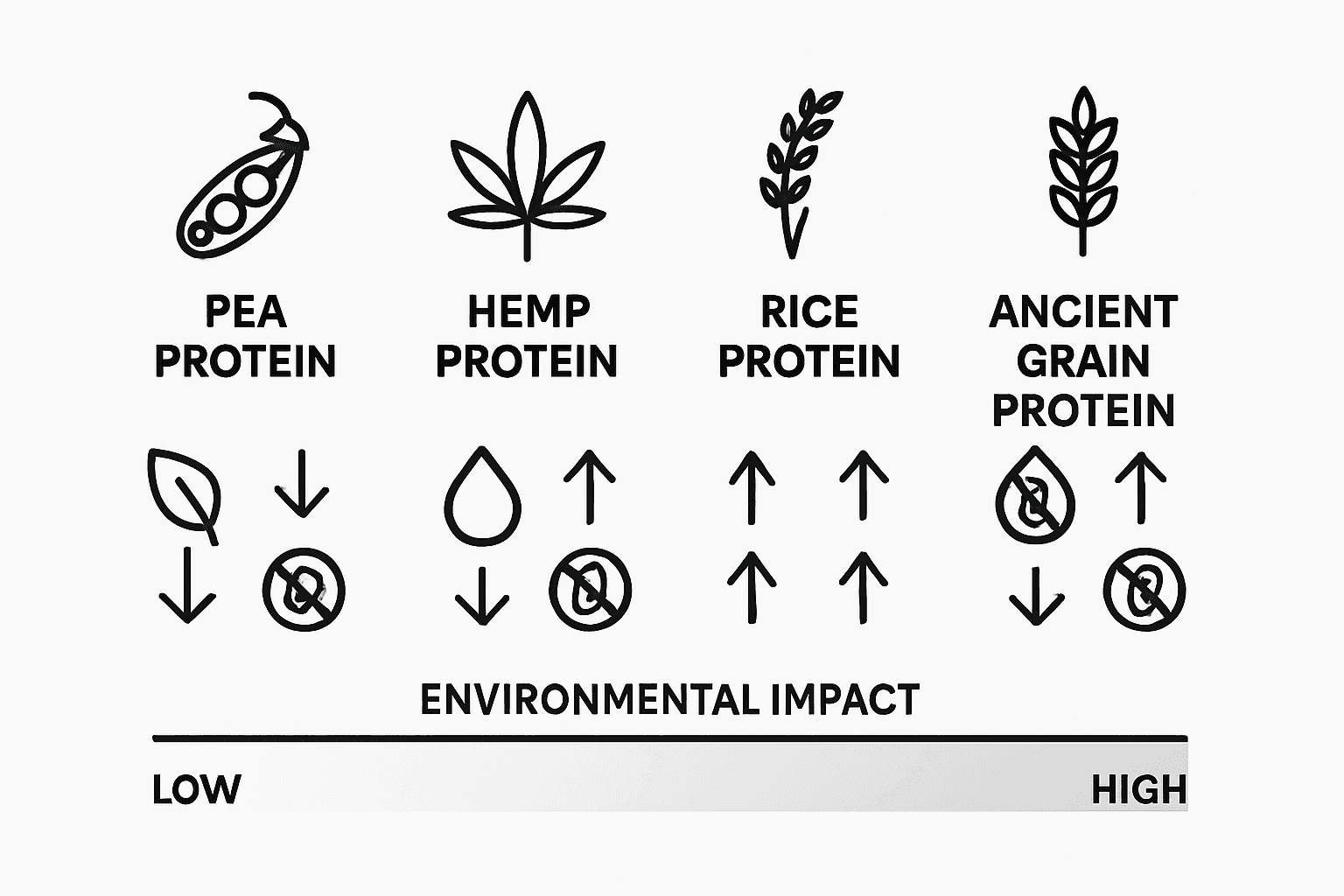
Allergen Considerations play an equally significant role in protein powder selection. While plant-based proteins are generally considered more hypoallergenic than animal proteins, individual sensitivities vary dramatically. Pea protein stands out as particularly accommodating, presenting minimal allergenic potential and offering robust nutritional profiles for individuals with complex dietary restrictions. Rice protein provides another hypoallergenic alternative, typically free from common allergens like gluten, soy, and dairy. Advanced protein powders now incorporate strategic blending techniques, combining multiple plant sources to create comprehensive nutritional profiles while minimising potential allergenic responses.
Pro Tip: Allergen and Sustainability Check: Always review ingredient lists meticulously, cross-referencing protein sources with your personal health requirements and conducting patch testing for new protein supplements to ensure complete compatibility.
How to Choose: Common Mistakes and Key Tips
Selecting the ideal vegan protein powder requires more nuanced consideration than simply picking the first option available. Thoughtful selection involves understanding potential pitfalls and critical evaluation criteria, ensuring you invest in a supplement that genuinely supports your nutritional goals.
Common Selection Mistakes frequently undermine protein powder effectiveness. Many individuals impulsively choose products based on marketing claims or price point, overlooking crucial factors like ingredient transparency, protein source quality, and potential allergen risks. Artificial sweeteners, unnecessary fillers, and heavily processed protein sources represent significant red flags. Consumers often neglect comprehensive label reading, failing to scrutinise the complete ingredient profile, amino acid composition, and potential contaminants that could compromise nutritional value.
Key selection strategies demand a holistic approach to protein powder evaluation. Prioritise supplements with transparent sourcing, third-party testing certifications, and minimal processed ingredients. Consider your specific dietary requirements, whether muscle building, weight management, or general nutritional support. Protein powders should complement your existing diet, not replace whole food nutrition. Advanced consumers understand the importance of protein diversity, rotating between different plant protein sources to ensure a comprehensive amino acid profile and prevent potential nutritional monotony. Taste and mixability also play crucial roles in long-term supplement adherence, making sensory evaluation equally important as nutritional content.
This table highlights practical factors for choosing an optimal vegan protein powder:
| Decision Factor | Importance | What to Check |
|---|---|---|
| Ingredient Transparency | Ensures no hidden additives | Full label review |
| Allergen Suitability | Avoids adverse reactions | Allergen statements, blend content |
| Processing Quality | Maintains nutritional value | Cold-pressed or minimal methods |
| Sustainability | Lower environmental footprint | Organic, low-impact sourcing |
Pro Tip: Protein Powder Detective: Always conduct a ‘three-strike’ ingredient check by examining protein source quality, processing method, and additional ingredients, eliminating options that fail to meet your strict nutritional standards.
Discover Clean, Powerful Vegan Protein Solutions for Your Wellness Journey
Choosing the best vegan protein powder can be overwhelming with so many options and considerations like amino acid profiles, ingredient purity, and sustainability. Granavitalis understands these challenges and offers a thoughtfully curated selection of Vegan Protein Powders – Granavitalis designed to support your muscle recovery, energy, and overall balance without compromise. Our products focus on transparency and quality so you can avoid hidden additives and allergen concerns.
Fuel your body with plant-based proteins that honour tradition and excel in performance. Explore the full range of clean, minimally processed supplements at Granavitalis and take the first step towards sustained wellbeing. Act now to embrace nutritional clarity and experience real food strength tailored for modern life.
Frequently Asked Questions
What are vegan protein powders made from?
Vegan protein powders are crafted from a variety of plant sources such as peas, hemp, rice, and legumes, providing essential amino acids and protein without animal-derived ingredients.
How do I choose the right vegan protein powder for my needs?
To select the best vegan protein powder, consider factors like ingredient transparency, amino acid profiles, allergen suitability, and whether it aligns with your dietary goals, such as muscle building or general health.
What are the benefits of using vegan protein powders compared to whey protein?
Vegan protein powders offer comprehensive nutritional support, often containing additional micronutrients, fibre, and antioxidants, and are suitable for those with dairy sensitivities or those following plant-based diets.
How can I combine different plant proteins for optimal nutrition?
To achieve a complete amino acid profile, rotate between different plant protein powders, such as combining pea and rice protein, to ensure you receive a balanced range of essential nutrients.