
Complete vegan protein powder: your 2026 buying guide
TL;DR:
- A complete vegan protein powder provides all nine essential amino acids from plant-based sources. Blends like pea and rice or naturally complete options like soy and hemp ensure full amino acid profiles. Always check labels for certification, serving size, and price per gram to choose a quality, effective product.
A complete vegan protein powder delivers all nine essential amino acids your body cannot produce on its own, sourced entirely from plants. Most adults know protein matters for muscle repair and energy. Fewer realise that the source and amino acid profile of that protein determines how well the body actually uses it. This guide cuts through the marketing noise to explain what makes a plant-based powder genuinely complete, which blends work best, and exactly what to check on the label before you buy.
What makes a complete vegan protein powder?
A complete protein contains all nine essential amino acids: histidine, isoleucine, leucine, lysine, methionine, phenylalanine, threonine, tryptophan, and valine. Animal proteins naturally provide all nine. Most single plant sources do not.
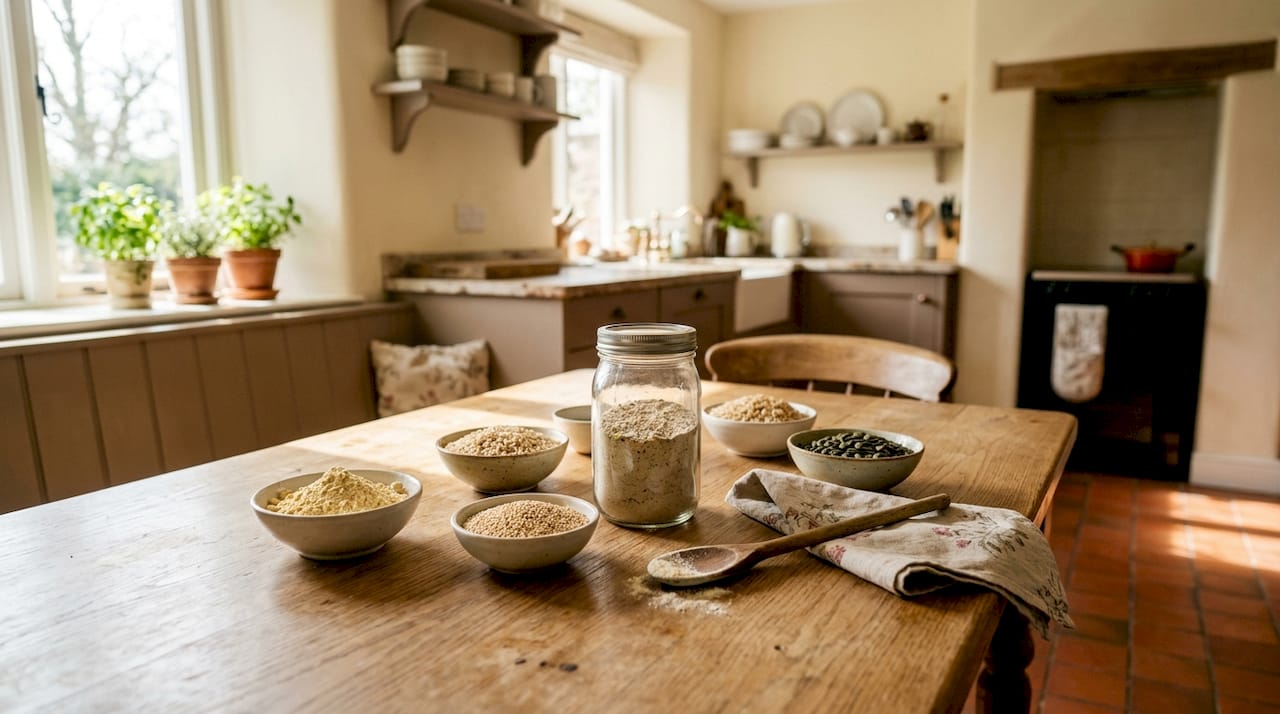
The good news is that single-source plant proteins like pea or rice alone are incomplete, but blending them creates a full amino acid profile comparable to whey. Pea protein is rich in lysine but low in methionine. Brown rice protein is the opposite. Together, they cover every essential amino acid at meaningful levels.
Pea and rice blends offer approximately 70–80g of protein per 100g of powder with high digestibility. That digestibility figure matters because a protein your gut cannot absorb efficiently is protein you are paying for but not using.
Two plant sources are naturally complete without blending. Soy protein contains all essential amino acids at adequate amounts and supports muscle building effectively. Hemp protein also provides all nine, though at lower overall protein content per gram. Soy has a strong flavour and remains debated for phytoestrogen content, though research has found no significant hormonal effects in adults consuming normal dietary amounts.
Pro Tip: Look for powders that state “complete amino acid profile” on the label, or that list a complementary blend such as pea and brown rice. A single-source powder with no fortification is unlikely to be complete.
| Plant protein source | Complete? | Strength | Weakness |
|---|---|---|---|
| Pea protein | No (alone) | High lysine, iron-rich | Low methionine |
| Brown rice protein | No (alone) | High methionine | Low lysine |
| Pea + rice blend | Yes | Full amino profile, digestible | Texture can be gritty |
| Soy protein | Yes | All amino acids, muscle-building | Strong flavour, phytoestrogen debate |
| Hemp protein | Yes | Omega-3 fatty acids included | Lower protein per gram |
| Pumpkin seed protein | No (alone) | Zinc and magnesium content | Low lysine and threonine |
## 1. Pea and brown rice blend
The pea and brown rice combination is the most widely used complete plant protein blend on the market. Pea protein contributes up to 35% of daily iron intake per serving, making it particularly valuable for plant-based eaters who often run low on this mineral. Brown rice fills the methionine gap that pea protein leaves. The result is a powder that rivals whey in amino acid coverage and sits well with most digestive systems.
## 2. Pea and pumpkin seed blend
Pumpkin seed protein adds zinc, magnesium, and a nuttier flavour to a pea base. The combination improves the overall mineral density of the powder beyond protein alone. Pumpkin seed is low in lysine and threonine, so this blend works best when the pea protein content is dominant. For adults focused on recovery and sleep quality, the magnesium contribution from pumpkin seed is a genuine bonus.
## 3. Soy protein isolate
Soy protein isolate is the most protein-dense naturally complete plant option available. It delivers a full amino acid profile in a single source, which simplifies formulation and label reading. The flavour is stronger than pea or rice, and some adults prefer to mix it with oat milk or fruit to balance the taste. For those without soy sensitivity, it remains one of the most cost-effective complete protein options for vegans.
## 4. Hemp protein powder
Hemp protein is naturally complete and brings omega-3 fatty acids and fibre alongside its amino acids. The trade-off is a lower protein percentage per gram compared to pea or soy. A typical hemp powder delivers around 50g of protein per 100g, which means you need a larger serving to hit the 20–40g post-workout target that nutrition experts recommend. Hemp works well blended with pea protein to raise the overall protein content while keeping the nutritional breadth.
Pro Tip: For fitness goals, check the protein per serving rather than the protein percentage on the label. A 40g serving of a 50% protein powder delivers the same 20g as a 25g serving of an 80% powder.
## 5. Pea, rice, and quinoa blend
Quinoa is one of the few grains that is naturally complete. Adding it to a pea and rice base raises the leucine content, which is the amino acid most directly linked to triggering muscle protein synthesis. This three-source blend also adds a slightly earthy flavour that many adults find more palatable than plain pea or rice alone. If you are comparing vegan protein blends for both taste and nutritional depth, a pea, rice, and quinoa formula is worth prioritising.
## 6. Fortified single-source powders
Some manufacturers take a single plant protein, typically pea, and fortify it with the missing amino acids, most commonly l-methionine. This approach produces a technically complete powder from a single source. The advantage is a cleaner, simpler flavour. The disadvantage is that you are relying on the manufacturer’s fortification accuracy, which makes third-party testing even more important for these products.
## 7. Sacha inchi protein
Sacha inchi is a South American seed gaining traction in plant-based nutrition. It is naturally complete and delivers a notably high omega-3 content alongside its protein. The flavour is mild and slightly nutty, which makes it one of the more palatable single-source complete options. It remains less widely available than pea or soy, but its nutritional profile makes it worth seeking out if you want variety in your plant protein sources.
What to check on labels when choosing vegan protein
Label reading is the single most important skill for choosing a quality plant-based powder. The front of the pack is marketing. The back is the truth.
Ingredient list length. Shorter ingredient lists with natural sweeteners like monk fruit and no artificial additives signal a cleaner product. Avoid powders listing aspartame, acesulfame potassium, or synthetic thickeners like carrageenan near the top of the list.
Third-party certification. Third-party testing is more critical for plant-based proteins than for animal-based ones, because plants absorb heavy metals from soil more readily. Look for NSF Certified for Sport, Informed Choice, or Clean Label Project certification. These bodies test for contaminants and verify that the label matches what is actually in the tub.
Price per gram of protein. Measuring cost by price per gram of protein reveals true value. A cheaper tub with a lower protein percentage often costs more per gram of actual protein than a premium product. Divide the price by the total grams of protein in the tub, not by the number of servings.
Protein per serving. Nutrition experts recommend at least 20g of protein per serving to support fitness and recovery goals. Powders delivering less than this may include unnecessary fillers or calories to bulk out the serving size.
Certifications to look for:
- NSF Certified for Sport
- Informed Choice
- Clean Label Project
- Certified organic (for ingredient purity)
- Non-GMO verified
How to use plant-based protein powders effectively
Protein timing matters, but not in the rigid way fitness culture once insisted. The body does not require protein within a 30-minute post-workout window. What matters is hitting your total daily protein target across meals.
- Set a daily protein target. A common starting point for active adults is 1.6g of protein per kilogram of bodyweight per day. Distribute this across three to four meals rather than concentrating it in one shake.
- Use powder as a supplement, not a replacement. Whole food plant proteins such as lentils, chickpeas, edamame, and tofu provide fibre, micronutrients, and phytonutrients that powders do not. Powder fills gaps; it does not replace meals. Pairing your shake with seasonal plant-based foods adds variety and nutritional breadth.
- Mix with nutrient-dense liquids. Blending your powder with oat milk, almond milk, or a small amount of nut butter adds healthy fats and improves the absorption of fat-soluble nutrients. A tablespoon of raw nut butter also improves texture and flavour significantly.
- Watch total calorie load. A 40g serving of protein powder can carry 160–200 calories before you add liquid, fruit, or nut butter. If weight management is a goal, account for the shake in your daily calorie intake rather than treating it as a free addition.
- Rotate your sources. Using the same powder every day limits your amino acid and micronutrient variety. Alternating between a pea and rice blend and a hemp or sacha inchi powder across the week broadens your nutritional base. For a detailed comparison of low-calorie plant protein blends, the serving size and protein density figures are worth reviewing before committing to a single product.
Key takeaways
The most effective plant-based protein powder combines complementary sources such as pea and brown rice to deliver all nine essential amino acids, third-party certification, and at least 20g of protein per serving.
| Point | Details |
|---|---|
| Blends beat single sources | Pea and brown rice together create a complete amino acid profile that single-source powders cannot match alone. |
| Aim for 20g+ per serving | Nutrition experts recommend 20–40g of protein per serving to support muscle synthesis and recovery. |
| Third-party testing is non-negotiable | NSF Certified for Sport, Informed Choice, and Clean Label Project certifications verify purity and label accuracy. |
| Price per gram reveals true value | Divide the total price by grams of protein in the tub, not by the number of servings, to compare products fairly. |
| Powder supplements whole food | Use plant protein powder to fill daily gaps, not to replace lentils, chickpeas, tofu, and other whole food sources. |
Why quality always beats marketing claims
The plant protein market is crowded, and the gap between what a label promises and what a product delivers can be significant. I have seen powders with impressive front-of-pack claims that, on closer inspection, deliver 15g of protein per serving with a filler-heavy ingredient list and no third-party certification. That is not a supplement. That is an expensive flavoured powder.
The classification of proteins as “complete” or “incomplete” is also more nuanced than most marketing suggests. Total daily protein intake drives muscle protein synthesis, not the completeness of any single meal or shake. This means a day of varied plant eating, including lentils at lunch and a pea and rice shake post-workout, is nutritionally sound even if neither source is complete on its own.
What I find genuinely underrated is the iron contribution of pea protein. Adults on plant-based diets frequently run low on iron, and a pea-based powder that covers a meaningful portion of daily iron needs is doing double duty. That is a nutritional benefit worth factoring into your choice, not just the amino acid profile.
My advice: ignore the flavour names and the athlete endorsements. Read the ingredient list, check the certification, calculate the price per gram of protein, and choose a blend that matches your actual daily protein target. The best complete vegan protein powder for you is the one you will use consistently, that your gut tolerates well, and that fits your budget over the long term.
— Jarrod
Granavitalis and clean plant-based nutrition
Granavitalis is built on the principle that real nutrition comes from real ingredients. Every product in the range is selected for purity, nutritional density, and transparency of sourcing, with no shortcuts and no unnecessary additives.
For adults building a plant-based nutrition foundation, the Immune Booster Superfood Bundle brings together a curated selection of organic, nutrient-dense foods that complement a high-quality protein routine. Pairing your daily protein powder with a raw nut butter such as the Organic Nut and Seed Butter Selection Box adds healthy fats, natural flavour, and additional plant protein to every shake. Visit Granavitalis to browse the full range of clean, whole-food nutrition products built for everyday performance.
FAQ
What is a complete vegan protein powder?
A complete vegan protein powder contains all nine essential amino acids in sufficient quantities, sourced entirely from plants. Most achieve this through complementary blends such as pea and brown rice, or by using naturally complete sources like soy or hemp.
Is pea protein alone a complete protein?
Pea protein alone is not complete because it is low in methionine. Blending it with brown rice protein, which is rich in methionine, creates a full amino acid profile comparable to animal-based proteins.
How much protein should a vegan powder deliver per serving?
Nutrition experts recommend at least 20g of protein per serving to support muscle synthesis and recovery, with an optimal post-workout range of 20–40g. Powders delivering less than 20g per serving may contain unnecessary fillers.
Why does third-party certification matter for plant protein powders?
Plants absorb heavy metals from soil more readily than animal sources, making contamination a genuine risk. Certifications from NSF Certified for Sport, Informed Choice, or Clean Label Project verify that the product is free from harmful contaminants and that the label is accurate.
Can I get enough complete protein from food without powder?
Yes. Varied plant eating across the day, combining sources like lentils, chickpeas, tofu, edamame, and whole grains, provides all essential amino acids without powder. Powder is a convenient supplement for hitting daily targets, not a dietary requirement.