
Why eat high-protein breakfast for energy and recovery
Many UK adults skip breakfast or grab a low-protein option on the go, only to find themselves battling mid-morning hunger pangs and energy crashes. A high-protein breakfast can support sustained energy and better appetite control throughout the day. This guide explores why protein matters at breakfast, how much you need, and practical wholefood options to fuel your mornings.
Table of Contents
- Understanding The Role Of Breakfast In Daily Nutrition
- Why Protein Matters At Breakfast: Physiological Benefits
- Optimal Protein Intake: How Much Protein Should You Eat In The Morning?
- Common Misconceptions About High-Protein Breakfasts
- Choosing High-Protein Wholefood Breakfast Options
- Bridging Science To Daily Life: Benefits You Can Expect From High-Protein Breakfasts
- Explore Granavitalis’s High-Protein Wholefood Options
Key takeaways
| Point | Details |
|---|---|
| Protein stabilises blood sugar and boosts energy | Starting your day with protein prevents mid-morning crashes and supports sustained mental clarity. |
| Aim for 20 to 30 grams of protein at breakfast | This optimal range enhances satiety, supports muscle repair, and regulates metabolism effectively. |
| Wholefood protein sources support well-being | Eggs, nuts, seeds, ancient grains, and plant-based options provide clean, nutrient-dense nutrition. |
| Common breakfast myths can mislead you | Skipping breakfast or fearing plant proteins may undermine your health and performance goals. |
| Practical breakfast ideas fit busy lifestyles | Meal prepping and choosing versatile options help you meet protein targets consistently. |
Understanding the role of breakfast in daily nutrition
Breakfast breaks the overnight fast, enabling nutrient supply to your brain and muscles after hours without food. Skipping breakfast or consuming low-protein breakfasts can lead to poor concentration, increased hunger, and unstable blood sugar during the day. A well-balanced breakfast supports concentration, mood, and energy, setting the tone for productive hours ahead.
Protein at breakfast supports growth, muscle maintenance, and hormone balance. Your body needs amino acids to repair tissues and synthesise neurotransmitters that govern focus and mood. Breakfast timing influences hunger regulation and subsequent nutrient intake, making this meal a strategic opportunity to align your nutrition with wellness goals.
Consider these breakfast benefits:
- Restores energy after overnight fasting
- Supports cognitive function and mood stability
- Regulates hunger hormones for better appetite control throughout the day
- Provides building blocks for muscle repair and hormone production
Combining protein with fibre-rich ancient grains benefits your overall nutrient intake, creating a foundation for sustained well-being and metabolic health.
Why protein matters at breakfast: physiological benefits
Protein stabilises blood sugar preventing energy crashes. When you eat carbohydrates alone, blood glucose spikes and drops rapidly, leaving you tired and hungry. Protein slows glucose absorption, creating steady energy release.
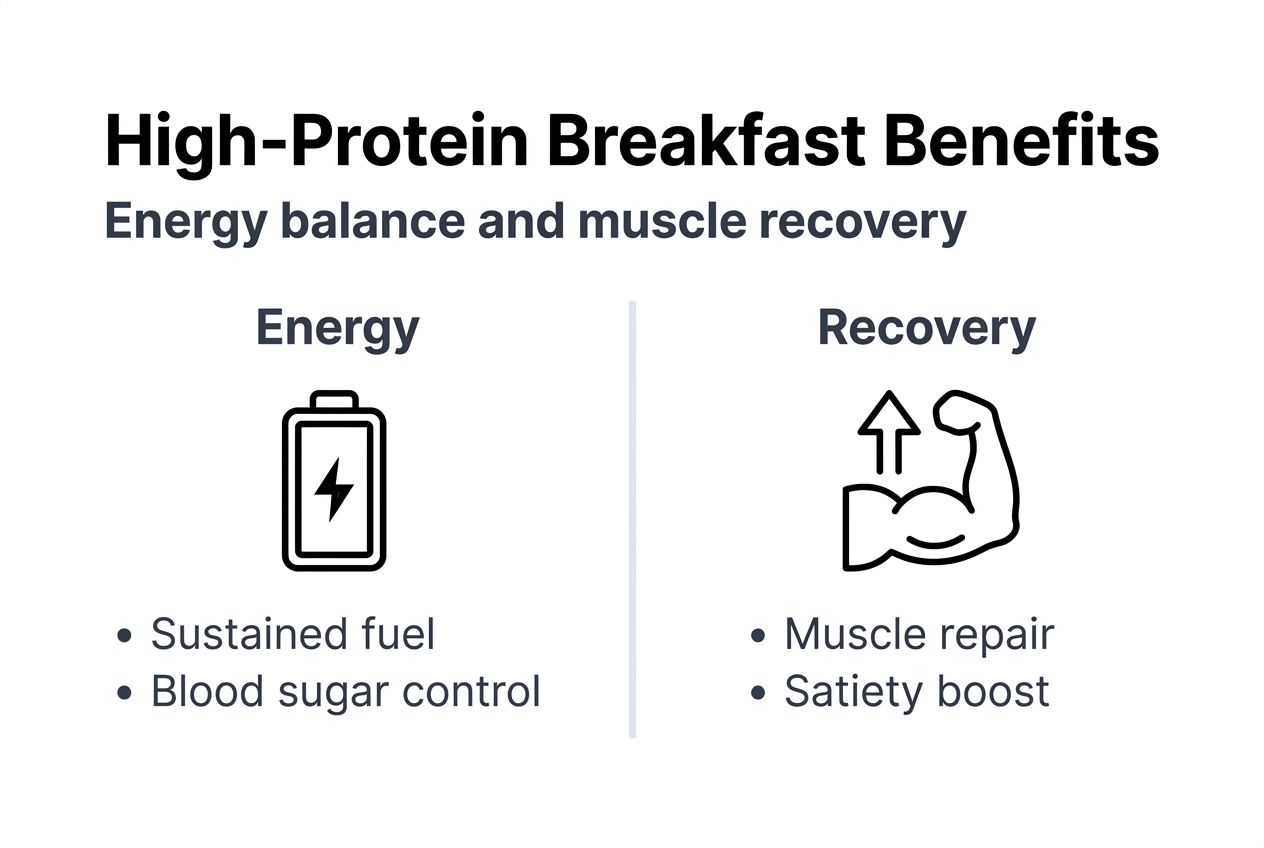
Protein increases satiety hormones like peptide YY and GLP-1 whilst decreasing ghrelin, the hunger hormone. This hormonal shift reduces cravings and helps you feel satisfied longer. You’ll find yourself reaching for fewer snacks before lunch.
Protein supports muscle protein synthesis and recovery. After hours without food, your muscles need amino acids to repair and grow. Morning protein intake jumpstarts this process, particularly important if you exercise or lead an active lifestyle.

Amino acids from protein help neurotransmitter synthesis improving cognition and mood. Tryptophan converts to serotonin, supporting positive mood. Tyrosine becomes dopamine and noradrenaline, enhancing focus and motivation. These benefits compound when you prioritise protein first thing.
Protein has a high thermic effect, increasing calorie burn post-meal. Your body expends more energy digesting protein compared to fats or carbohydrates, subtly boosting metabolism throughout the morning.
Key physiological advantages include:
- Enhanced satiety lasting three to four hours
- Improved muscle recovery and maintenance
- Better cognitive performance and mental clarity
- Increased metabolic rate through thermic effect
- Stable blood sugar preventing energy dips
“Protein at breakfast transforms how your body manages energy, hunger, and recovery, setting a positive metabolic tone for the entire day.”
Pairing protein with high protein egg breakfasts creates a practical template for consistent morning nutrition.
Optimal protein intake: how much protein should you eat in the morning?
A balanced high-protein breakfast should provide 20 to 30 grams to enhance satiety, regulate metabolism, and optimise hormonal benefits. This range supports muscle protein synthesis whilst keeping you satisfied until your next meal.
Protein can come from eggs, dairy, legumes, nuts, seeds, and ancient grains. Two large eggs provide roughly 12 grams, Greek yoghurt offers 15 to 20 grams per serving, and 30 grams of nuts contribute about 6 grams. Combining sources helps you reach the target easily.
Combining protein with fibre and healthy fats improves fullness and nutrient uptake. Fibre slows digestion, fats provide sustained energy, and protein delivers amino acids. Together, they create a balanced meal that powers your morning without leaving you sluggish.
| Protein source | Protein per serving | Additional benefits |
|---|---|---|
| Two large eggs | 12g | Rich in choline, vitamin B12, selenium |
| Greek yoghurt (150g) | 15g | Contains probiotics, calcium, vitamin D |
| Almonds (30g) | 6g | Provides vitamin E, magnesium, healthy fats |
| Cooked quinoa (100g) | 4g | Complete protein, high in fibre, gluten-free |
| Chia seeds (2 tbsp) | 4g | Omega-3 fatty acids, fibre, antioxidants |
Balancing different protein sources supports sustained energy and variety. Plant proteins offer fibre and phytonutrients, whilst animal proteins provide complete amino acid profiles. Alternating between options prevents monotony and broadens your nutrient intake.
Pro Tip: Prepare overnight oats with Greek yoghurt, chia seeds, and nut butter the night before to hit your 20 to 30 gram target effortlessly in the morning.
Exploring ancient grains and wellness can diversify your breakfast routine whilst maintaining high protein standards.
Common misconceptions about high-protein breakfasts
Skipping breakfast leads to poor concentration, increased hunger, and unstable blood sugar during the day. Many believe intermittent fasting makes breakfast unnecessary, but research shows morning nutrition supports cognitive performance and metabolic health for most people. Missing breakfast often triggers overeating later.
Protein intake timing at breakfast aids appetite control despite total daily protein needs being equal regardless of meal timing. Some argue it doesn’t matter when you eat protein, but frontloading intake at breakfast uniquely reduces hunger and cravings throughout the day. This strategic timing helps with adherence to healthy eating patterns.
Plant proteins, when consumed adequately, support muscle synthesis like animal proteins. Critics claim plant proteins are inferior, but combining sources like beans, nuts, seeds, and grains provides all essential amino acids. Vegetarians and vegans successfully build and maintain muscle with thoughtful plant-based choices.
High-protein breakfasts typically reduce overall calorie intake and support weight management. Some fear extra protein means extra calories and weight gain, but satiety from protein often leads to eating less later. Studies show high-protein breakfasts improve body composition without increasing total daily energy intake.
Key myths debunked:
- Breakfast skipping doesn’t improve metabolism or support weight loss
- Protein timing does matter for appetite regulation and energy
- Plant proteins adequately support muscle health when varied
- High-protein meals promote satiety, not weight gain
“Understanding the science behind breakfast protein helps you make informed choices rather than following outdated nutrition myths.”
Choosing high-protein wholefood breakfast options
High-protein breakfast options from wholefoods support sustained well-being with clean, minimally processed nutrition. Wholefood options include eggs with spinach and mushrooms, Greek yoghurt with seeds and berries. These combinations provide protein alongside vitamins, minerals, and antioxidants your body needs.
Ancient grains and premium nuts and seeds boost protein quality and nutrient density. Quinoa, amaranth, and spelt offer complete or near-complete proteins plus fibre. Almonds, walnuts, pumpkin seeds, and chia seeds add healthy fats, magnesium, and omega-3 fatty acids to your morning plate.
Plant-based choices like tofu scramble and nut butters provide variety and balance. Firm tofu contains about 10 grams of protein per 100 grams and absorbs flavours beautifully. Nut butters deliver protein, healthy fats, and satisfaction in a convenient spread.
Meal prepping simple recipes aids regular high-protein breakfast habits. Batch-cook egg muffins, prepare overnight oats, or portion nut butter and seed mixes in advance. These strategies remove morning decision-making and ensure consistent nutrition.
| Protein type | Example sources | Protein per 100g | Key nutritional advantage |
|---|---|---|---|
| Animal protein | Eggs, Greek yoghurt, cottage cheese | 12 to 20g | Complete amino acids, vitamin B12 |
| Plant protein | Tofu, tempeh, legumes | 8 to 15g | High fibre, phytonutrients, lower saturated fat |
| Nuts and seeds | Almonds, chia, hemp seeds | 18 to 30g | Healthy fats, vitamin E, minerals |
| Ancient grains | Quinoa, amaranth | 4 to 6g | Gluten-free options, complex carbs, iron |
Practical breakfast ideas:
- Scrambled eggs with sautéed spinach and cherry tomatoes
- Greek yoghurt topped with mixed berries, chia seeds, and almond butter
- Tofu scramble with turmeric, peppers, and mushrooms
- Overnight oats made with protein powder, flaxseeds, and walnut pieces
Pro Tip: Keep a jar of mixed seeds in your fridge and sprinkle two tablespoons on any breakfast for an instant protein and nutrient boost.
Discover more egg breakfast options and learn about ancient grains for energy to expand your morning repertoire.
Bridging science to daily life: benefits you can expect from high-protein breakfasts
Sustained morning energy reduces mid-morning hunger pangs and energy crashes. When you start with adequate protein, blood sugar remains stable, preventing the rollercoaster of spikes and dips that derail productivity. You’ll notice clearer thinking and steadier energy until lunch.
Improved muscle recovery and metabolic support come with consistent protein intake. Whether you exercise regularly or simply want to maintain lean tissue as you age, morning protein provides amino acids when your body needs them most. This supports strength, mobility, and overall vitality.
Better blood sugar control and enhanced focus follow throughout the morning. Protein’s effect on glucose metabolism means fewer cravings for sugary snacks. Mental clarity improves, helping you tackle demanding tasks with sharper concentration.
Long-term alignment of breakfast choices with overall health and wellness goals creates lasting change. High-protein breakfasts become a keystone habit, making other healthy choices easier. Over weeks and months, you’ll see improvements in body composition, energy levels, and overall well-being.
Expected benefits include:
- Reduced hunger and cravings between meals
- Enhanced muscle maintenance and recovery
- Improved cognitive performance and mood stability
- Better weight management and body composition
- Increased daily energy and reduced afternoon fatigue
Adopting high-protein breakfasts isn’t about perfection. It’s about consistent, informed choices that respect your body’s needs. The science supports this approach, and your daily experience will confirm it.
Explore Granavitalis’s high-protein wholefood options
Ready to transform your mornings with nutrient-dense, high-protein ingredients? Granavitalis offers clean, wholefood nut and seed butters perfect for hitting your protein targets effortlessly.

Our raw organic pecan butter delivers rich, creamy nutrition with minimal processing, preserving natural vitamins and healthy fats. Spread it on toast, stir it into porridge, or blend it into smoothies for an instant protein boost. Pair it with nibbed hazel nuts for added texture and nutrition in yoghurt bowls or overnight oats.
Can’t decide which flavour suits your routine? Try our organic nut and seed butter selection box to diversify your protein sources conveniently. Each option supports your wellness goals with purity, performance, and purpose.
Pro Tip: Add two tablespoons of nut butter to your morning smoothie with Greek yoghurt, spinach, and berries for a complete 25 gram protein breakfast in under five minutes.
Frequently asked questions
What is a high-protein breakfast?
A high-protein breakfast contains 20 to 30 grams of protein from wholefoods like eggs, Greek yoghurt, nuts, seeds, or plant-based sources such as tofu and legumes. It balances protein with fibre and healthy fats to support sustained energy and satiety.
How much protein should I eat at breakfast?
Aim for 20 to 30 grams of protein at breakfast to optimise satiety, muscle repair, and metabolic benefits. This amount supports stable blood sugar and reduces mid-morning hunger, helping you stay focused and energised until lunch.
Can plant-based proteins support muscle health?
Yes, plant-based proteins adequately support muscle health when you combine varied sources like beans, lentils, nuts, seeds, and ancient grains. These provide all essential amino acids needed for muscle protein synthesis and recovery.
Will eating a high-protein breakfast cause weight gain?
No, high-protein breakfasts typically reduce overall calorie intake by increasing satiety and reducing cravings later in the day. Protein’s thermic effect also boosts metabolism, supporting healthy weight management rather than weight gain.
What are quick high-protein breakfast ideas for busy mornings?
Overnight oats with Greek yoghurt and chia seeds, scrambled eggs with spinach, or a smoothie with protein powder and nut butter are all quick options. Meal prepping egg muffins or portioning nut butter in advance saves time whilst ensuring consistent protein intake.
Do I need animal protein for a high-protein breakfast?
No, plant-based options like tofu scramble, legumes, nut butters, seeds, and ancient grains provide ample protein. Combining different plant sources throughout the day ensures you get all essential amino acids for optimal health and recovery.
Recommended
- High Protein Egg Breakfasts Deliver 30% More Satiety – Granavitalis
- Best Source of Protein for Breakfast – Honest Nutrition – Granavitalis
- 7 High Protein Plant Based Meals for Energy and Recovery – Granavitalis
- Fast High Protein Breakfast: Quick, Nutritious Steps for You – Granavitalis
- 8 Tips voor Gezond Eten voor Sporters - Mijn Voedsel Intolerantie Test
- 7 Natural Energy Boosters for Women Over 40 – Asli Nutrition