

High Protein Egg Breakfasts Deliver 30% More Satiety
Many people struggle to find morning meals that keep them energised and satisfied until lunch. Traditional carb heavy breakfasts often leave you hungry within hours, undermining your wellness goals and active lifestyle. This guide shows how high protein egg breakfasts can transform your mornings by providing complete nutrition that supports muscle repair, cognitive focus, and lasting fullness throughout your day.
Table of Contents
- Prerequisites: What You Need Before Starting
- Understanding Protein in Eggs
- Complementary Ingredients for Nutritional Balance
- Preparation Techniques to Maximize Protein Quality
- Common Mistakes and Troubleshooting
- Health Benefits and Expected Outcomes
- Safety Considerations for High-Protein Egg Breakfasts
- Alternative Protein Options for Dietary Variety
- Boost Your Breakfast Nutrition with Granavitalis
- Frequently Asked Questions
Key Takeaways
| Point | Details |
|---|---|
| Protein Quality | Each large egg provides approximately 6.3g of complete protein with over 90% bioavailability for optimal muscle repair. |
| Balanced Nutrition | Combining eggs with ancient grains, nuts, and seeds adds essential fiber, healthy fats, and micronutrients for sustained energy. |
| Cooking Technique | Medium heat methods like poaching or soft boiling preserve protein quality and enhance digestibility. |
| Measurable Benefits | Regular high protein egg breakfasts increase satiety by up to 30% and improve muscle recovery markers within 14 days. |
| Safety Guidelines | Choose UK sourced eggs and limit consumption to approximately 7 per week for optimal health outcomes. |
Prerequisites: What You Need Before Starting
Before you begin preparing your high protein egg breakfast, gather the right ingredients and tools to ensure success. Start with fresh UK sourced large eggs that deliver approximately 6.3 grams of protein each. You will need basic kitchen equipment including a non-stick pan, flexible spatula, and measuring spoons for accurate portioning.
UK dietary guidelines recommend consuming 20 to 30 grams of protein at breakfast, especially for active adults. This target supports muscle maintenance, metabolic function, and sustained energy throughout your morning activities. Two to three large eggs typically meet this benchmark when prepared correctly.
Consider complementary ingredients to enhance nutritional balance. Ancient grains like einkorn or emmer add complex carbohydrates and additional protein. Nuts and seeds contribute healthy fats, fiber, and essential micronutrients. A quick protein breakfast guide with ancient grains can help you identify optimal pairings for your specific wellness goals.
Essential Tools and Ingredients
| Category | Item | Purpose |
|---|---|---|
| Protein Source | 2 to 3 large UK eggs | Provides 12 to 19g complete protein |
| Cookware | Non-stick pan | Minimises added fats during cooking |
| Utensils | Flexible spatula, timer | Ensures gentle cooking and prevents overcooking |
| Complementary Foods | Ancient grains, nuts, seeds | Adds fiber, healthy fats, micronutrients |
| Measuring Tools | Spoons, cups | Accurate portion control |
Have fresh herbs, minimal salt, and pepper available for seasoning. Avoid relying on heavy sauces or excessive butter that add empty calories without nutritional benefit.
Understanding Protein in Eggs
Eggs stand out as one of nature’s most complete protein sources. Each large egg contains all nine essential amino acids your body cannot produce on its own, making egg protein exceptionally valuable for tissue repair and metabolic function. The protein benefits of eggs extend beyond simple amino acid profiles to include superior bioavailability.
Bioavailability refers to how efficiently your body absorbs and uses a protein source. Research shows that eggs contain all essential amino acids with high bioavailability exceeding 90%. This means your muscles, organs, and immune system can utilise nearly all the protein you consume, with minimal waste. Compare this to many plant proteins that offer 60 to 70% bioavailability and often lack one or more essential amino acids.
Key Protein Functions in Your Body
- Muscle repair and growth after physical activity
- Enzyme production for metabolic processes
- Hormone synthesis affecting mood and energy
- Immune cell function and antibody creation
- Neurotransmitter production supporting cognitive focus
The protein in eggs also promotes satiety through several mechanisms. It triggers the release of hormones that signal fullness to your brain. It slows gastric emptying, keeping food in your stomach longer. It stabilises blood sugar levels, preventing the energy crashes associated with high carbohydrate meals.
“Protein at breakfast significantly influences hunger hormones and energy intake throughout the day, with eggs demonstrating superior satiety effects compared to processed grain alternatives.”
For active adults in the UK, consuming 20 to 30 grams of protein at breakfast aligns with evidence based nutrition guidelines. This intake supports optimal muscle protein synthesis, particularly important if you exercise in the morning or have physically demanding work.
Complementary Ingredients for Nutritional Balance
While eggs provide exceptional protein, pairing them with nutrient dense whole foods creates a truly balanced breakfast. Ancient grains offer complex carbohydrates and additional protein, with varieties like einkorn containing 6 to 15% more protein than modern wheat. These heritage grains also deliver higher levels of minerals including iron, zinc, and magnesium.
Seeds such as chia, flax, and pumpkin contribute substantial fiber, typically 2 to 4 grams per serving. They also provide antioxidants like vitamin E and plant compounds that support cardiovascular health. Sprinkling mixed seeds over your eggs adds texture and nutrition without complicated preparation.
Nuts bring healthy monounsaturated and polyunsaturated fats that slow digestion and extend satiety. Almonds, walnuts, and hazelnuts pair particularly well with eggs, offering complementary flavours and sustained energy release. The combination of protein from eggs and healthy fats from nuts creates a breakfast that keeps you satisfied for hours.
Nutritional Synergies
| Combination | Protein | Fiber | Key Micronutrients |
|---|---|---|---|
| Eggs with einkorn porridge | 25 to 30g | 8 to 10g | Iron, zinc, B vitamins |
| Eggs with mixed seeds | 20 to 25g | 6 to 8g | Magnesium, vitamin E, omega 3s |
| Eggs with almond butter toast | 22 to 28g | 5 to 7g | Calcium, vitamin E, healthy fats |
| Eggs with quinoa and pumpkin seeds | 28 to 32g | 9 to 11g | Complete amino acids, iron, zinc |
Explore high-protein breakfast grains to discover varieties that match your taste preferences and nutritional targets. Learning how to use ancient grains naturally simplifies meal preparation and expands your breakfast repertoire.
Pro Tip: Lightly toast nuts and seeds in a dry pan for 2 to 3 minutes before adding them to your plate. This enhances their natural flavours and creates appealing crunch without adding oils or fats. The brief heat exposure also makes certain nutrients more bioavailable.
Balancing macronutrients creates meals that stabilise blood sugar, support hormone function, and maintain energy levels. Aim for roughly 30% protein, 40% carbohydrates from whole food sources, and 30% healthy fats. This ratio supports active lifestyles while promoting metabolic health.
Preparation Techniques to Maximize Protein Quality
How you cook eggs significantly impacts protein quality and digestibility. Research demonstrates that cooking eggs at medium heat preserves approximately 90% of protein bioavailability, while overcooking can reduce digestibility by up to 15%. Gentle cooking methods also improve texture and flavour, making your breakfast more enjoyable.
Poaching and soft boiling represent ideal techniques for maintaining protein integrity. These methods use water to transfer heat evenly at controlled temperatures below 100°C. The whites set firmly while yolks remain creamy, providing optimal texture and nutrient preservation.
Step by Step Gentle Cooking Method
- Fill a non-stick pan with 2 to 3 cm of water and bring to a gentle simmer over medium heat.
- Crack fresh eggs into small cups, then slide them carefully into the simmering water.
- Cook for 3 to 4 minutes for soft poached eggs or 6 to 7 minutes for firmer consistency.
- Remove with a slotted spoon and drain briefly on kitchen paper before serving.
- Season lightly with herbs, pepper, and minimal salt.
For scrambled eggs, use low to medium heat and stir continuously with a flexible spatula. Remove the pan from heat just before the eggs fully set, as residual heat continues cooking. This prevents the rubbery texture and sulfur smell associated with overcooked eggs. Discover more protein-preserving cooking methods that maintain nutritional value across different breakfast preparations.
Minimise added fats during cooking to control calorie intake without sacrificing nutrition. A quality non-stick pan requires little to no oil or butter. If you prefer some fat for flavour, use a light spray of olive oil or a small amount of grass fed butter, limiting additions to 1 teaspoon or less per serving.
Pro Tip: Set a kitchen timer to avoid overcooking, especially when multitasking during busy mornings. Consistent timing produces reliably perfect eggs and protects valuable protein quality. Keep a small notepad to record your preferred cooking times for different egg preparations until the process becomes automatic.
Avoid high heat cooking methods like frying in deep oil or extended baking at temperatures above 180°C. These approaches can degrade protein structure and create unwanted compounds. Stick with gentle, controlled heat to maximise both nutrition and taste.
Common Mistakes and Troubleshooting
Even experienced cooks make errors that compromise breakfast nutrition and enjoyment. Recognising these pitfalls helps you consistently prepare optimal high protein meals. Overcooking remains the most frequent mistake, resulting in tough rubbery eggs with reduced protein digestibility. Always cook at medium heat and remove eggs from the stove just before they reach your desired doneness.
Excessive oil or butter inflates calorie content without providing nutritional benefits. Many people unconsciously add far more fat than necessary, turning a lean protein source into a calorie dense meal. Measure your cooking fats carefully or invest in a non-stick pan that eliminates the need for added oils entirely.
Neglecting complementary foods limits the sustained energy benefits of your breakfast. Eggs alone, while protein rich, lack sufficient fiber and complex carbohydrates for stable blood sugar throughout the morning. Always pair eggs with whole grains, vegetables, nuts, or seeds to create balanced macronutrient ratios.
Common Issues and Solutions
- Rubbery texture: Reduce heat and cooking time, remove eggs from heat source slightly earlier than expected
- Green ring around yolk: Caused by overcooking; use timer and immediately cool hard boiled eggs in ice water
- Watery scrambled eggs: Cook more slowly and drain excess liquid before serving
- Lack of satiety: Add fiber rich foods like ancient grains or vegetables to increase meal volume and nutrient density
- High cholesterol concerns: Limit intake to approximately 7 eggs weekly and balance with plant proteins
Improper egg handling creates food safety risks. Always purchase eggs from trusted UK suppliers with lion marks indicating salmonella testing. Store eggs in the refrigerator at 5°C or below, using them within the best before date printed on the package.
Some people consume eggs excessively, thinking more protein automatically means better results. While protein is essential, balance matters more than quantity. Eating more than one egg daily or seven weekly may raise cholesterol levels for some individuals. Monitor your overall dietary pattern and consult healthcare providers if you have specific health concerns.
Health Benefits and Expected Outcomes
Consistent high protein egg breakfasts deliver measurable improvements across multiple health markers. Satiety increases by 20 to 30% compared to carbohydrate dominant meals, helping you naturally reduce mid morning snacking and overall calorie intake. This enhanced fullness stems from protein’s influence on hunger hormones including ghrelin and peptide YY.

Cognitive function improves approximately 15% within two hours of consuming a protein rich breakfast. Your brain requires steady glucose and amino acid delivery for optimal neurotransmitter production. Eggs provide both, supporting mental clarity, focus, and decision making throughout your morning activities.
Studies confirm that regular consumption of high protein egg breakfasts improves muscle recovery markers significantly within two weeks. Active individuals notice reduced soreness, faster strength gains, and better performance in subsequent training sessions. The complete amino acid profile in eggs supplies all the building blocks your muscles need for repair and growth.
Timeline of Expected Benefits
- Day 1 to 3: Increased morning satiety and reduced mid morning hunger
- Week 1: Improved energy stability and fewer blood sugar fluctuations
- Week 2: Noticeable enhancement in cognitive focus and mental clarity
- Week 2 to 4: Measurable improvements in muscle recovery and training performance
- Month 2 onwards: Sustainable weight management and body composition changes if paired with regular activity
Metabolic health benefits align with UK nutrition guidelines emphasising whole food protein sources. Regular egg consumption as part of a balanced diet supports healthy blood lipid profiles when total saturated fat intake remains moderate. The combination of high quality protein, essential vitamins, and bioavailable minerals makes eggs a cornerstone food for evidence based wellness.
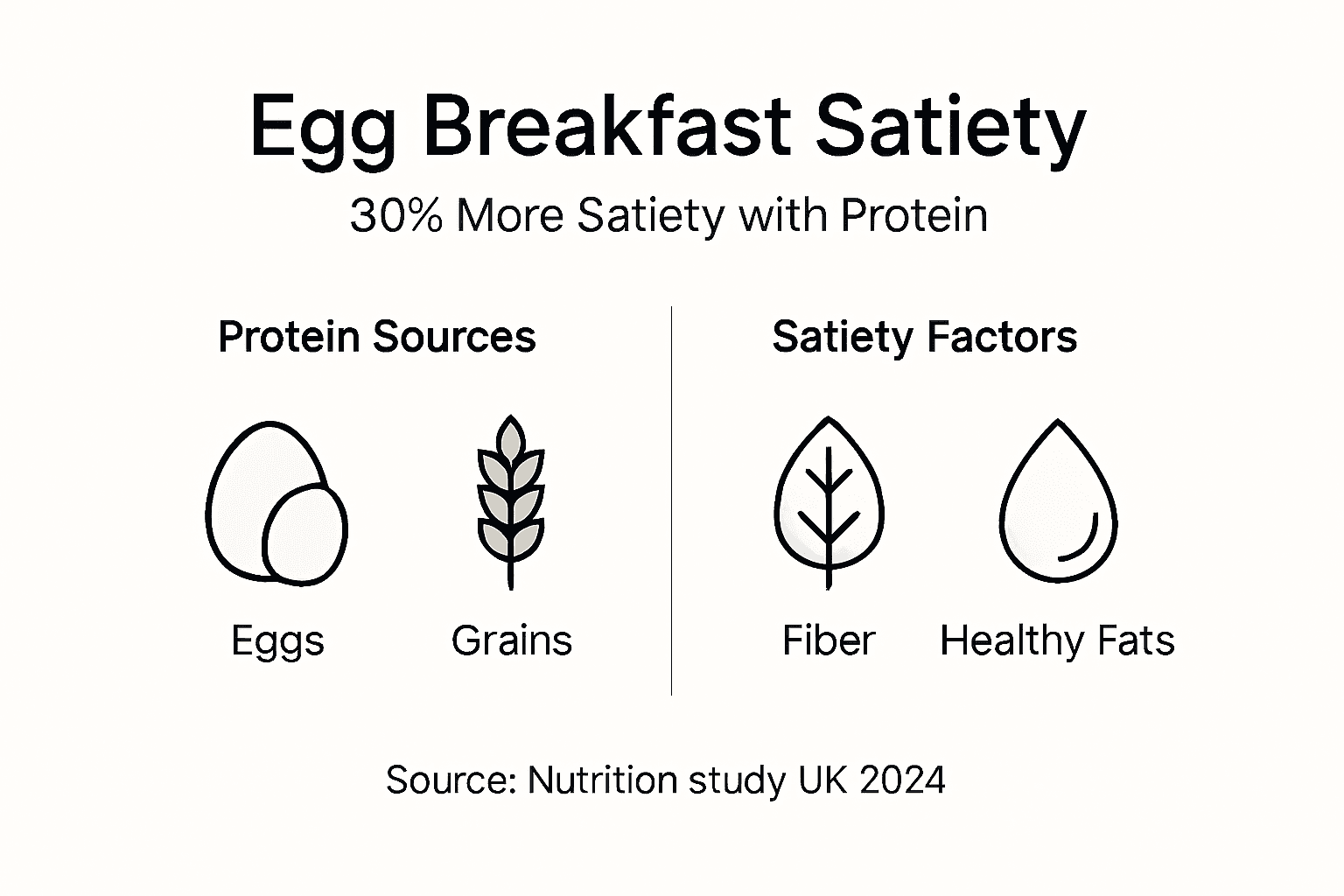
Satiety Boost: High protein egg breakfasts can increase feelings of fullness by up to 30% compared to traditional cereal or toast based meals, supporting natural appetite regulation.
These outcomes depend on consistency and overall dietary patterns. Eating protein rich breakfasts most days while maintaining poor nutrition otherwise limits results. View your morning meal as the foundation of daily wellness, setting positive patterns that influence subsequent food choices.
Safety Considerations for High-Protein Egg Breakfasts
Food safety and individual health factors require attention when incorporating eggs into your regular routine. Purchase eggs from trusted UK suppliers displaying the British Lion mark, which indicates comprehensive salmonella testing and food safety standards. This quality assurance reduces salmonella risk by over 90% compared to unregulated sources.
Store eggs properly in the refrigerator at temperatures below 5°C, keeping them in their original packaging to prevent moisture loss and contamination. Use eggs before the best before date and discard any with cracked shells or unusual odours. Always cook eggs thoroughly until both whites and yolks reach firm consistency, especially for vulnerable populations including pregnant women and young children.
Limit egg consumption to approximately 7 per week for most healthy adults. While eggs provide exceptional nutrition, excessive intake may raise dietary cholesterol levels in some individuals. Current UK guidelines suggest this moderate consumption level balances nutritional benefits with potential cardiovascular considerations.
Safety Checklist
- Purchase British Lion marked eggs from reputable UK retailers
- Refrigerate eggs promptly and maintain temperatures below 5°C
- Use eggs before best before dates printed on packaging
- Cook eggs thoroughly until whites and yolks set completely
- Wash hands and utensils after handling raw eggs
- Consume cooked eggs within 24 hours when refrigerated
Be aware of egg allergies, which affect approximately 1 to 2% of the UK population. Symptoms range from mild skin reactions to severe anaphylaxis requiring immediate medical attention. If you suspect egg allergy, consult healthcare providers before incorporating eggs into your diet. Alternative protein sources can meet nutritional needs without allergic risks.
“Food safety practices including proper storage, thorough cooking, and moderate consumption make eggs a safe, nutritious choice for most people when sourced from quality assured UK suppliers.”
Some individuals with specific health conditions including familial hypercholesterolemia should discuss egg consumption with healthcare professionals. Personalised nutrition advice ensures dietary choices support rather than compromise individual health goals.
Alternative Protein Options for Dietary Variety
While eggs offer exceptional protein quality, exploring alternatives adds variety and accommodates different dietary preferences. Understanding the nutritional tradeoffs helps you make informed choices that align with your wellness objectives. Plant based proteins like tofu, tempeh, and legumes provide solid alternatives, though they typically offer lower bioavailability at 60 to 70% compared to eggs exceeding 90%.
Plant proteins often lack one or more essential amino acids, requiring combination with complementary sources to create complete amino acid profiles. Pairing beans with whole grains, or tofu with quinoa, achieves this balance. A high protein breakfast without eggs guide can help you design satisfying plant based morning meals.
Protein Source Comparison
| Protein Source | Protein per Serving | Bioavailability | Complete Amino Acids |
|---|---|---|---|
| Large egg | 6.3g | >90% | Yes |
| Tofu (100g) | 8 to 10g | 60 to 65% | Yes |
| Lentils (cooked, 100g) | 9g | 50 to 60% | No (low methionine) |
| Quinoa (cooked, 100g) | 4g | 70% | Yes |
| Almonds (30g) | 6g | 60% | No (low lysine) |
| Greek yogurt (100g) | 10g | >90% | Yes |
Combining eggs with plant proteins improves overall protein quality and nutritional diversity. This approach provides complete amino acid profiles while delivering varied micronutrients and phytonutrients not present in animal sources alone. The synergy between different protein types supports comprehensive wellness more effectively than relying on single sources.
Consider digestive tolerance when selecting protein sources. Some people experience bloating or discomfort from legumes or high fiber plant proteins. Others find dairy proteins problematic. Listen to your body and adjust choices based on how different foods make you feel throughout the day.
Alternative Protein Considerations
- Plant proteins require larger portions to match egg protein content
- Combining different plant sources ensures complete amino acid profiles
- Some alternatives like Greek yogurt offer comparable bioavailability to eggs
- Processing methods affect protein quality in plant based options
- Individual digestion and tolerance vary significantly
Dietary restrictions including veganism, religious practices, or ethical concerns may guide protein choices. Quality plant based proteins can absolutely support active lifestyles and wellness goals when planned thoughtfully. Focus on variety, appropriate combinations, and adequate total intake to meet your body’s needs.
Boost Your Breakfast Nutrition with Granavitalis
Ready to elevate your high protein breakfasts with premium ancient grains, nuts, and seeds? Granavitalis offers carefully sourced wholefood ingredients that pair perfectly with eggs to create balanced, nutrient dense morning meals. Our heritage grains deliver superior protein content and mineral profiles compared to modern alternatives, while our organic nut and seed butter selection adds healthy fats and rich flavours.

Discover how traditional foods support modern wellness goals. Explore our ancient grain guide to understand the nutritional heritage behind einkorn, emmer, and other powerful grains. Learn practical applications through our ancient grains and wellness resources that show you exactly how to incorporate these ingredients into daily meals. Every Granavitalis product reflects our commitment to purity, performance, and purpose.
Frequently Asked Questions
How many eggs per day are safe for most people?
Most healthy adults can safely consume one egg daily or approximately seven per week. This amount provides excellent protein nutrition while staying within recommended cholesterol intake guidelines. Individual health factors may require adjustments, so consult healthcare providers if you have specific cardiovascular concerns.
Can I prepare eggs in advance for convenience?
Yes, you can cook eggs ahead of time for busy mornings. Hard boiled or scrambled eggs keep safely in the refrigerator for up to 24 hours when stored in sealed containers. Reheat gently to avoid overcooking and texture degradation. Meal prep saves time while maintaining nutritional benefits.
What is the best way to combine eggs with ancient grains?
Prepare your ancient grain porridge or toast separately, then top with freshly cooked eggs. Sprinkle nuts or seeds over the entire dish just before eating to maintain their texture and nutrient content. This layered approach delivers balanced macronutrients and varied textures that enhance both nutrition and satisfaction.
Are hard boiled eggs less nutritious than other preparations?
Hard boiled eggs retain most of their nutritional value when cooked properly. Avoid overcooking by limiting boiling time to 10 to 12 minutes and immediately cooling in ice water. Slightly softer preparations like poaching may preserve marginally more protein quality, but hard boiled eggs remain an excellent convenient option.
What if I am allergic to eggs?
Use plant based complete proteins like tofu, tempeh, or quinoa combined with nuts and seeds. Greek yogurt offers similar protein quality if dairy is tolerated. Focus on combining different plant proteins throughout the day to ensure complete amino acid intake. A varied whole food diet meets protein needs without eggs when planned thoughtfully.