
Best Source of Protein for Breakfast – Honest Nutrition
More than 40 percent of British adults aged 30 to 50 say they struggle to maintain steady energy all morning. The challenge often begins with breakfast, where outdated choices can leave you feeling sluggish. Nutrient-dense options featuring ancient grains and plant proteins help you build a powerful foundation for your wellness journey. Discover practical insights and research-backed benefits that support lasting energy, metabolic health, and satisfying morning meals tailored to the British lifestyle.
Table of Contents
- Defining Protein’s Role In Breakfasts
- Key Protein Sources: Ancient Grains And More
- Comparing Plant Versus Animal Proteins
- Health Impacts Of Clean Protein Choices
- Pitfalls To Avoid In Protein Breakfasts
Key Takeaways
| Point | Details |
|---|---|
| Importance of Protein in Breakfast | Protein enhances metabolic health, energy levels, and cognitive performance, making it an essential part of breakfast. Aim for 20-30 grams of high-quality protein for optimal benefits. |
| Diversity of Protein Sources | Incorporating a variety of protein sources, such as ancient grains, eggs, and legumes, maximises nutritional benefits and supports overall health. |
| Plant vs. Animal Proteins | Both protein types can support dietary needs, but consider environmental impact and digestibility when choosing your sources. A balance of both is advisable. |
| Quality Over Quantity | Focus on clean, minimally processed protein options to enhance overall health and metabolic function, rather than merely increasing protein intake. |
Defining Protein’s Role In Breakfasts
Protein plays a foundational role in transforming breakfast from a simple meal into a strategic nutritional experience. When considering morning nutrition, protein emerges as a critical macronutrient that does far more than simply satisfy hunger. Scientific research demonstrates that consuming adequate protein during breakfast can significantly influence metabolic health, energy levels, and overall dietary quality.
The physiological impact of breakfast protein extends beyond basic satiety. Protein helps stabilise blood glucose levels, reducing mid-morning energy crashes and supporting sustained cognitive performance. For adults navigating demanding professional environments, this means enhanced focus and mental clarity. Higher protein intake at breakfast (approximately 30 grams or more) has been consistently linked with improved appetite regulation, muscle protein synthesis, and long-term weight management strategies.
Nutritionists increasingly recommend diverse protein sources to maximise morning nutritional benefits. These can include eggs, Greek yoghurt, lean meats, legumes, and plant-based proteins like quinoa and chia seeds. Each protein source offers unique amino acid profiles and additional micronutrients that contribute to comprehensive metabolic support. By strategically selecting protein-rich breakfast options, individuals can create a nutritional foundation that supports physical recovery, mental performance, and sustained energy throughout the morning.
Pro tip: Aim to include at least 20-30 grams of high-quality protein in your breakfast to optimise metabolic function and maintain steady energy levels.
Key Protein Sources: Ancient Grains And More
When exploring protein sources for breakfast, ancient grains emerge as nutritional powerhouses that go beyond conventional grain options. Comprehensive nutritional research reveals these traditional grains offer remarkable protein profiles and exceptional health benefits. Ancient grains like quinoa, amaranth, teff, and spelt are not merely trendy dietary additions but scientifically validated nutritional solutions that provide complex proteins, essential amino acids, and robust micronutrient support.
The protein composition of these grains distinguishes them from standard wheat and rice varieties. Unlike refined grains, ancient grains maintain their original genetic structures, which translates to more comprehensive nutritional integrity. Comparative studies examining grain nutrition consistently demonstrate that these grains deliver higher protein concentrations, superior dietary fibre, and a broader spectrum of minerals such as magnesium, iron, and zinc. These nutritional attributes make ancient grains particularly valuable for individuals seeking balanced, sustained energy release during morning hours.
Beyond ancient grains, protein sources for breakfast can be strategically diversified. Eggs remain a classic protein option, offering complete amino acid profiles. Plant-based alternatives like tofu, tempeh, and legume-based proteins provide excellent options for vegetarian and vegan diets. Combining these protein sources with ancient grains creates a synergistic nutritional approach that supports metabolic health, muscle maintenance, and sustained cognitive performance. The key is selecting high-quality, minimally processed protein sources that deliver comprehensive nutritional benefits.

Here’s a concise comparison of typical breakfast protein sources and their nutritional attributes:
| Protein Source | Amino Acid Profile | Energy Release | Key Micronutrients |
|---|---|---|---|
| Eggs | Complete | Sustained | Vitamin D, choline |
| Greek yoghurt | Complete | Moderate | Calcium, potassium |
| Quinoa | Complete (plant) | Slow, steady | Iron, magnesium |
| Tofu | Incomplete, combine | Slow | Calcium, phosphorous |
| Amaranth | Near-complete | Balanced | Manganese, phosphorus |
| Lean turkey | Complete | Fast | Zinc, vitamin B6 |
Pro tip: Experiment with combining different ancient grains like quinoa and amaranth to create a diverse, protein-rich breakfast that maximises nutritional potential.
Comparing Plant Versus Animal Proteins
The debate surrounding plant and animal protein sources for breakfast has evolved significantly, moving beyond simple nutritional comparisons to encompass broader health, environmental, and personal wellness considerations. Scientific research examining protein sources demonstrates that both plant and animal proteins can effectively support metabolic functions, appetite regulation, and overall nutritional needs during morning meals.
Animal proteins, traditionally represented by eggs, dairy, and lean meats, offer complete amino acid profiles and high biological value. These sources provide readily absorbed nutrients with minimal digestive complexity. In contrast, plant proteins from sources like legumes, nuts, seeds, and whole grains require more strategic combination to achieve complete protein profiles. Quinoa, for instance, stands out as a rare plant-based complete protein, offering all essential amino acids in a single ingredient. Nutritional strategies now emphasise protein diversity, recognising that individual dietary requirements and preferences vary significantly.
The comparative analysis between plant and animal proteins extends beyond pure nutritional metrics. Sustainability, ethical considerations, and individual health goals play increasingly important roles in protein selection. Plant-based proteins often demonstrate lower environmental impact, reduced saturated fat content, and additional fibre benefits. However, they may require more deliberate nutritional planning to ensure comprehensive amino acid intake. Animal proteins, while nutrient-dense, can carry concerns about cholesterol and environmental sustainability. The emerging nutritional paradigm suggests a balanced, personalised approach that incorporates diverse protein sources tailored to individual metabolic needs and lifestyle choices.
To help you select your optimal breakfast protein, here is a summary of factors to consider:
| Consideration | Plant Proteins | Animal Proteins | Metabolic Impact |
|---|---|---|---|
| Digestibility | May be slower | Rapid assimilation | Influences satiety |
| Environmental Impact | Lower footprint | Higher footprint | Sustainability trade-off |
| Allergen risk | Soya, nuts possible | Lactose, egg possible | Requires personal review |
| Fibre content | Usually high | Usually low | Affects energy stability |
Pro tip: Consider rotating between plant and animal protein sources to maximise nutritional diversity and maintain metabolic flexibility during breakfast.
Health Impacts Of Clean Protein Choices
Understanding the nuanced health implications of protein choices requires a holistic approach that goes beyond simple nutritional metrics. Recent UK research investigating breakfast protein intake reveals that while high-protein breakfasts can significantly improve satiety, they are not a standalone solution for comprehensive metabolic transformation. Clean protein choices represent a sophisticated nutritional strategy that considers not just macronutrient content, but overall quality, digestibility, and potential long-term health impacts.
The concept of clean protein extends beyond simple protein quantity, encompassing factors such as source purity, minimal processing, and nutritional integrity. Protein quality becomes paramount, with emphasis on sources that provide complete amino acid profiles, support cellular repair, and contribute to sustained energy release. British dietary guidance highlights the importance of diversified protein sources, recommending a balanced approach that includes eggs, dairy, pulses, and plant-based alternatives. This strategy ensures not just protein intake, but comprehensive nutritional support that addresses individual metabolic needs and wellness goals.
Nutritionists and researchers increasingly recognise that protein’s health impact transcends traditional measures of muscle building and satiety. Clean protein choices can influence inflammatory responses, support immune function, and contribute to metabolic flexibility. The emerging understanding suggests that protein selection is a nuanced decision involving considerations of bioavailability, micronutrient content, and potential long-term health implications. Individuals are encouraged to view protein not as a singular nutritional component, but as an integral part of a holistic approach to metabolic health and personal wellness.
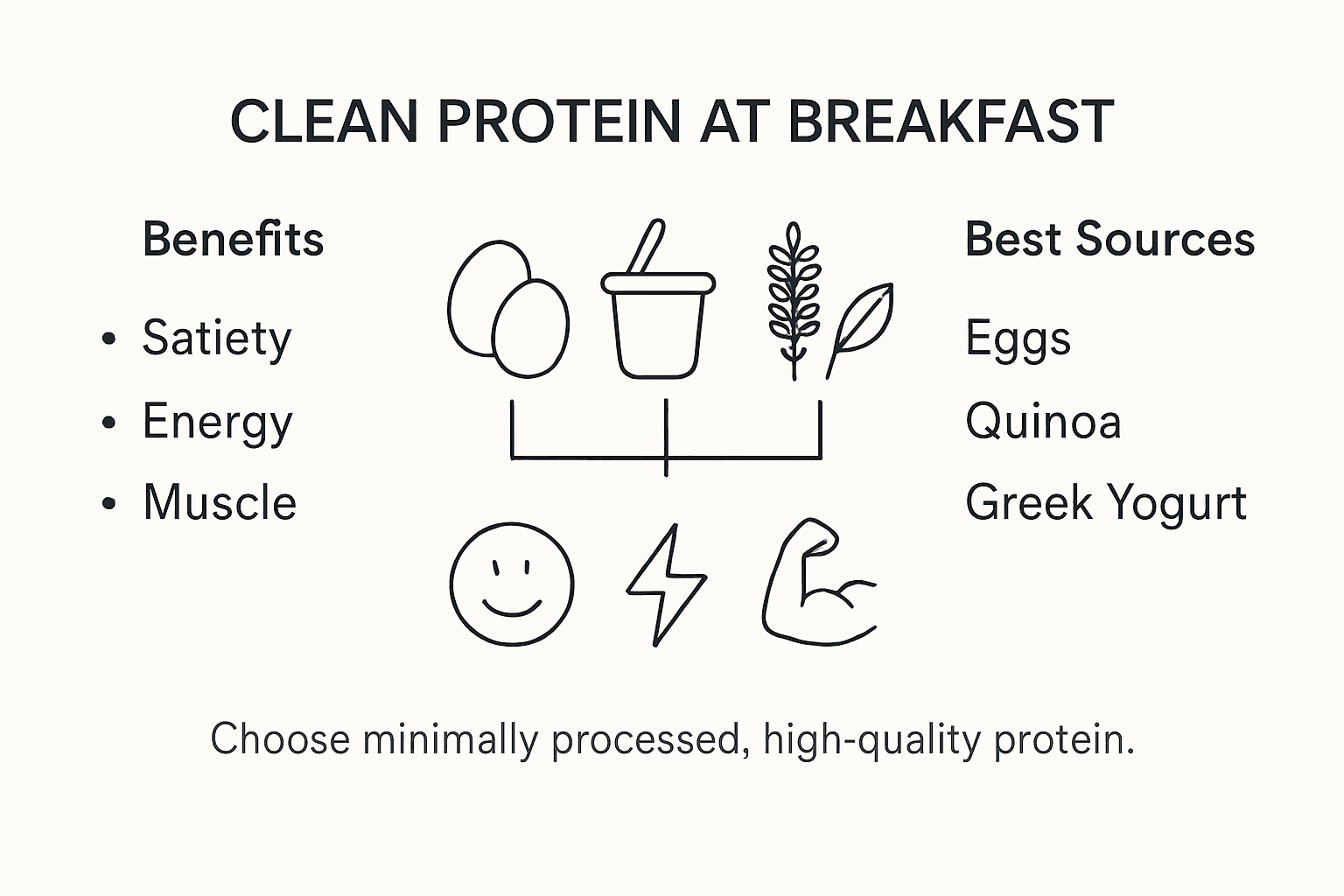
Pro tip: Prioritise protein sources that are minimally processed, sustainably sourced, and provide a comprehensive nutritional profile to maximise your breakfast’s health potential.
Pitfalls To Avoid In Protein Breakfasts
Navigating protein breakfast choices requires a nuanced understanding of potential nutritional pitfalls that can undermine wellness goals. Research examining protein intake dynamics reveals that excessive protein consumption can create unexpected metabolic complications, challenging the simplistic notion that ‘more protein equals better nutrition’. Understanding these subtle dietary complexities becomes crucial for individuals seeking balanced morning nutrition.
One significant pitfall involves protein quantity mismanagement. Consuming protein beyond metabolic requirements does not translate to enhanced benefits. Excessive protein intake can lead to unnecessary energy surplus, potential digestive strain, and inefficient nutrient absorption. Individuals often mistakenly believe that dramatically increasing protein consumption will automatically improve muscle synthesis or weight management, when in reality, a balanced and strategic approach matters more than sheer quantity. The key lies in selecting high-quality protein sources that provide comprehensive nutritional value without overwhelming the digestive system.
Another critical consideration involves protein source selection and potential inflammatory responses. Not all protein sources are created equal, and some may trigger individual metabolic sensitivities. Processed protein supplements, artificially enhanced breakfast products, and low-quality protein isolates can introduce unnecessary additives, potentially disrupting metabolic balance. Nutritionally intelligent choices involve selecting minimally processed, whole food protein sources that provide complete amino acid profiles while supporting overall physiological function. This approach demands careful consideration of individual dietary tolerances, potential allergens, and nutritional requirements.
Pro tip: Aim for protein sources that represent 15-25% of your total breakfast calories, focusing on whole food options with minimal processing and maximum nutritional integrity.
Fuel Your Breakfast with Clean, Powerful Protein Choices
Struggling to find the best source of protein for your breakfast that truly supports your energy, focus, and long-term metabolic health The challenge lies in balancing protein quality, digestibility, and nutritional integrity while avoiding common pitfalls like excessive or processed protein. This article highlights the power of incorporating ancient grains, plant-based options, and clean animal proteins to build a sustainable morning routine that fuels both body and mind.
At Granavitalis, we understand these needs deeply. Explore our carefully curated Vegan Protein Powders – Granavitalis crafted from ancient grains and clean plant-proteins for sustained energy and balanced nutrition. For those who prefer animal-based options, our Whey Protein Powder – Granavitalis delivers premium purity and complete amino acids. Combine them with our Metabolic Advantage Pack – Granavitalis to unlock holistic support for recovery, energy, and metabolic flexibility.

Start today by choosing protein sources that embody purity, performance, and purpose. Visit Granavitalis to find your ideal clean protein solutions and transform your breakfast into a real-food foundation for strength and well-being.
Frequently Asked Questions
What are the best protein sources for breakfast?
Protein sources like eggs, Greek yoghurt, lean meats, legumes, and ancient grains such as quinoa and amaranth are excellent choices for breakfast. These offer a diverse range of amino acids and nutrients essential for morning energy and satiety.
How much protein should I include in my breakfast?
Aim to include at least 20-30 grams of high-quality protein in your breakfast. This amount can help optimise metabolic function and maintain steady energy levels throughout the morning.
Is there a difference between plant and animal protein sources for breakfast?
Yes, plant proteins often require more careful combination to achieve complete amino acid profiles, while animal proteins generally provide complete profiles and higher biological value. Balancing both types can offer a diverse range of nutritional benefits.
What are the potential pitfalls of protein consumption at breakfast?
Overconsumption of protein can lead to excess calories and digestive strain. Additionally, not all protein sources are equally beneficial; it’s important to choose minimally processed, whole food options to avoid unnecessary additives and potential metabolic issues.