
Complete Guide to High Protein Foods Vegetarian Low Fat
Did you know that nearly a third of UK adults seek more plant-based protein in their diets? Choosing high protein vegetarian low fat foods helps manage weight and supports heart health without sacrificing variety or flavour. With the right knowledge, anyone can craft meals rich in nutrition that are also kind to the planet. Discover which plant-powered choices can help you meet your goals while keeping mealtimes fresh and satisfying.
Key Takeaways
| Point | Details |
|---|---|
| High Protein Sources | Incorporate legumes, whole grains, and plant protein powders for optimal protein intake with minimal fat. |
| Nutritional Benefits | High protein vegetarian low fat diets are linked to lower BMI, improved blood profiles, and reduced risks of chronic diseases. |
| Meal Planning | Create balanced meals by pairing different protein sources to achieve complete amino acid profiles. |
| Smart Substitutions | Opt for whole food proteins over processed alternatives to avoid excess saturated fats in a vegetarian diet. |
Table of Contents
- Defining High Protein Vegetarian Low Fat Foods
- Best Sources: Legumes, Grains, And Plant Powders
- Nutritional Benefits For Modern Wellness
- Building Balanced Low Fat Protein Meals
- Common Mistakes And Smart Substitutions
Defining High Protein Vegetarian Low Fat Foods
Understanding high protein vegetarian low fat foods is crucial for maintaining a balanced, nutritious diet that supports overall health without compromising on dietary preferences. According to the UK’s nutrition guidelines, plant-based protein sources offer an exceptional alternative to traditional meat-based proteins, providing essential nutrients while keeping fat content minimal.
Plant proteins emerge as nutritional powerhouses, delivering a comprehensive range of amino acids and vital micronutrients. The UK healthy-eating guidelines specifically emphasise sources like:
- Pulses (beans, lentils, peas)
- Soya products
- Mycoprotein (such as Quorn)
- Legumes
- Whole grains
- Nuts and seeds
These food groups not only provide high-quality protein but also offer significant additional benefits. They are typically low in saturated fats, rich in dietary fibre, and contribute to sustainable eating practices.
 By strategically incorporating these protein sources, individuals can meet their nutritional requirements while supporting both personal health and environmental sustainability. Read more about vegan protein sources to expand your dietary understanding and make informed nutritional choices.
Best Sources: Legumes, Grains, and Plant Powders
When exploring high protein vegetarian low fat foods, legumes, ancient grains, and plant powders stand out as nutritional champions that can transform your dietary approach. These versatile ingredients not only deliver substantial protein but also provide a spectrum of essential nutrients that support overall health and wellness.
Here’s a comparison of popular high protein vegetarian low fat foods:
| Food Type | Protein (per 100g) | Fat (per 100g) | Key Nutritional Benefit |
|---|---|---|---|
| Lentils | 9g | 0.4g | High fibre Iron source |
| Chickpeas | 8.9g | 2.6g | Folate Magnesium |
| Quinoa | 4.4g | 1.9g | Complete protein Iron |
| Tofu | 8g | 4.8g | Calcium Versatile use |
| Pea Protein Powder | 23g | 1.3g | High protein Easy to digest |
| Mycoprotein (Quorn) | 13g | 3g | Low saturated fat Fibre |
| Black Beans | 8.9g | 0.5g | Antioxidant rich Fibre |
Legumes represent a powerhouse of nutrition, offering an incredible protein profile with minimal fat content. Varieties like lentils, chickpeas, black beans, and kidney beans deliver approximately 15-20 grams of protein per cup, making them an excellent foundation for plant-based protein intake. Explore more about plant-based protein sources to diversify your nutritional strategy.
Ancient grains elevate the protein landscape with nutrient-dense options like quinoa, amaranth, and teff. These remarkable grains offer complete protein profiles, containing all nine essential amino acids. Quinoa, for instance, provides around 8 grams of protein per cup, while also supplying crucial minerals like magnesium and iron.
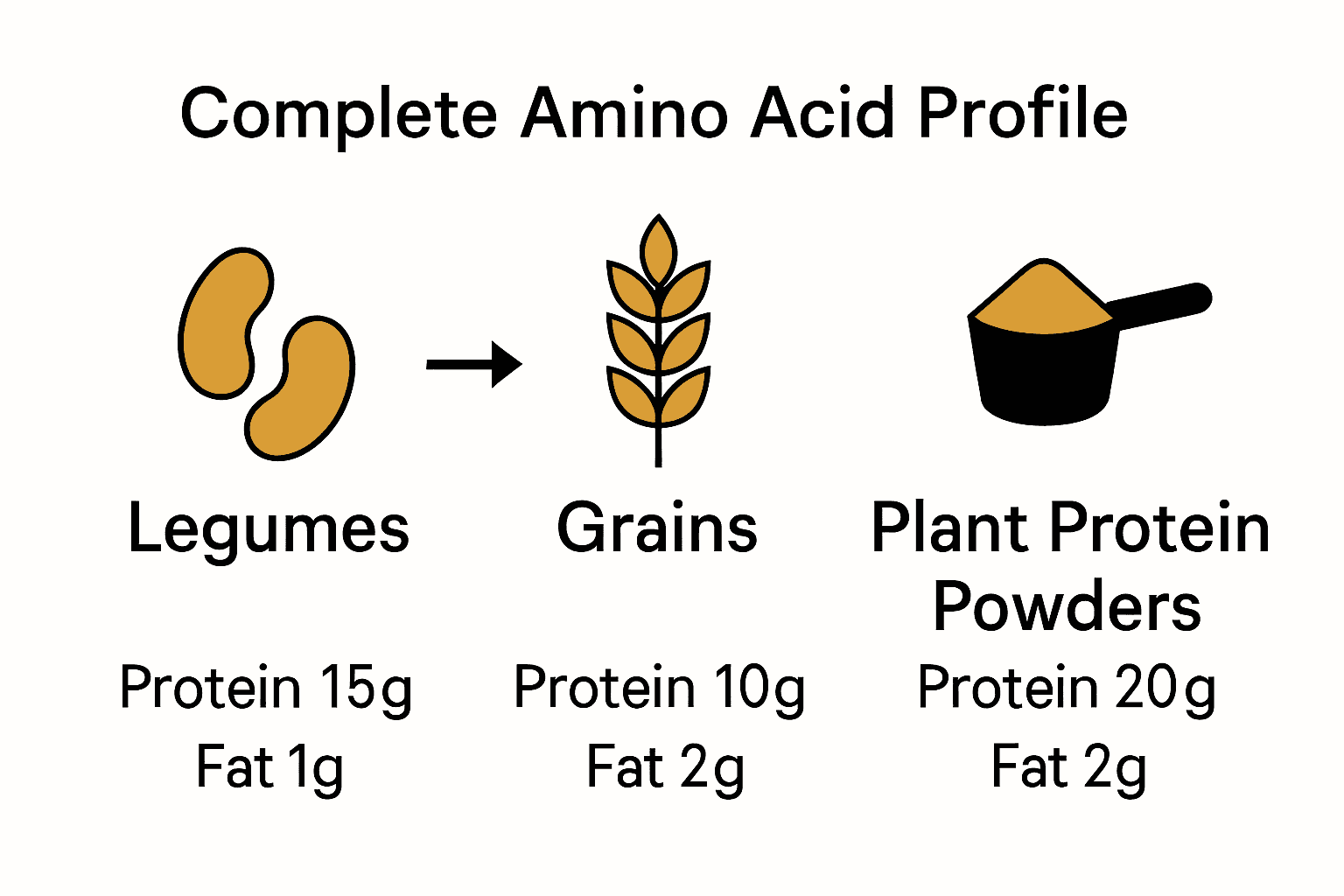 Pairing these grains with legumes creates complementary protein combinations that support muscle health and sustained energy.
Plant protein powders offer a convenient and concentrated protein solution for those seeking quick nutritional boosts. Options like pea protein, hemp protein, and brown rice protein provide 20-25 grams of protein per serving, making them ideal for post-workout recovery or meal supplementation.
These powders are not just protein sources but also deliver additional benefits like improved digestibility and minimal processing compared to animal-based protein supplements.
Nutritional Benefits for Modern Wellness
Understanding the wellness potential of high protein vegetarian low fat diets goes beyond simple nutrition—it represents a holistic approach to health that aligns perfectly with contemporary lifestyle demands. According to research on vegetarian dietary patterns, these nutritional strategies offer profound health advantages that extend far beyond basic sustenance.
Research from UK nutrition experts reveals remarkable health outcomes for individuals embracing plant-based diets. Nutritionist resources demonstrate that vegetarian diets are associated with:
- Lower Body Mass Index (BMI)
- Improved blood lipid profiles
- Reduced risk of type 2 diabetes
- Enhanced cardiovascular health
The Portfolio Diet, developed by a pioneering British researcher, provides fascinating insights into strategic nutritional wellness. By combining specific plant-based elements like soy protein, nuts, soluble fibre, and plant sterols, this approach creates a low-saturated-fat, high-fibre dietary pattern specifically designed to lower cholesterol and support overall metabolic health. Learn more about ancient grains and wellness to deepen your understanding of holistic nutrition.
Modern wellness isn’t just about avoiding illness—it’s about proactively creating optimal health through intelligent nutritional choices. High protein vegetarian low fat diets represent a sophisticated approach to nutrition, offering a balanced, sustainable path to maintaining energy, supporting muscle health, and promoting long-term metabolic resilience. By thoughtfully incorporating diverse plant proteins, individuals can craft a dietary strategy that nourishes both body and mind.
Building Balanced Low Fat Protein Meals
Meal planning for high protein vegetarian low fat diets requires strategic thinking and nutritional intelligence. Creating balanced meals isn’t just about adding protein sources, but understanding how different plant-based ingredients can work together to deliver comprehensive nutritional benefits while maintaining minimal fat content.
A successful approach involves protein combination strategies that maximize nutritional value. This means thoughtfully pairing different plant proteins to create complete amino acid profiles. For instance:
- Combine legumes with whole grains
- Mix quinoa with beans
- Pair nuts with seeds
- Incorporate plant protein powders with fresh vegetables
Structuring your meals around these principles ensures you’re getting a full spectrum of nutrients. Discover practical vegan meal ideas that demonstrate how to effectively balance protein intake without relying on high-fat options. Focus on creating plates that include:
- A primary protein source (legumes, tofu, tempeh)
- Complex carbohydrates (quinoa, brown rice)
- Abundant non-starchy vegetables
- Small portions of healthy fats (avocado, nuts)
The key is variety and intentional selection. By rotating protein sources and maintaining portion control, you can build meals that are not just nutritionally complete, but also delicious and satisfying. Experiment with different combinations, textures, and flavour profiles to keep your diet exciting and sustainable.
Common Mistakes and Smart Substitutions
Navigating the world of high protein vegetarian low fat diets requires understanding common pitfalls and learning strategic nutritional substitutions. Many individuals inadvertently compromise their dietary goals by making uninformed protein and ingredient choices that can derail their health and wellness objectives.
Protein source mistakes are particularly common. Many vegetarians initially rely too heavily on processed meat substitutes or cheese-based proteins, which can be surprisingly high in saturated fats. Explore alternative protein strategies to diversify your nutritional approach. Smart substitutions include:
- Replace processed meat alternatives with whole food proteins
- Swap high-fat dairy for plant-based alternatives
- Choose minimally processed protein sources
- Prioritize whole legumes over protein isolates
One excellent example of a smart substitution is mycoprotein (Quorn), which offers a protein-rich, low-saturated-fat alternative to traditional meat products. According to research, Quorn provides a high-protein option with lower fat content, but consumers should remain mindful of salt levels by carefully reading nutritional labels.
The key to success lies in mindful selection and continuous learning. Avoid falling into nutritional traps by understanding ingredient profiles, experimenting with diverse protein sources, and maintaining a balanced, whole-food approach to your vegetarian diet. Remember, smart substitutions are about adding nutrition, not just reducing calories.
Experience Complete Nutrition with Granavitalis
If you are ready to move past bland, quick-fix meals and truly embrace the benefits of high protein vegetarian low fat foods, Granavitalis is your trusted partner. Our collection of Vegan Protein Powders and nourishing ancient grains directly address common struggles like low energy, imbalanced breakfasts, and difficulty hitting protein goals without excess fat. We understand that building balanced meals goes beyond numbers on a label—it is about enjoying food that naturally supports your health and fits into your busy life.
Take the next step towards a lasting transformation. Explore all that Granavitalis has to offer and discover how choosing time-tested, plant-based protein sources can help you reach your wellness goals. Do not settle for short-term solutions when better mornings and stronger days are within reach. Start upgrading your meals now and nourish your future with purpose. For more inspiration on building protein-rich, low-fat meals, browse our resources on vegan protein sources.
Frequently Asked Questions
What are some high protein vegetarian low fat foods?
High protein vegetarian low fat foods include lentils, chickpeas, quinoa, tofu, peas, black beans, and mycoprotein (like Quorn). These foods provide significant protein while maintaining low fat content.
How can I combine plant proteins to ensure I get complete amino acids?
To achieve complete amino acid profiles, pair legumes with whole grains, such as mixing beans with quinoa or rice, or combining nuts with seeds. This enhances the overall protein quality in your meals.
What are the benefits of following a high protein vegetarian low fat diet?
Benefits include lower body mass index (BMI), improved blood lipid profiles, reduced risk of type 2 diabetes, and enhanced cardiovascular health. This diet also supports sustainable eating practices.
Can I use plant protein powders in my diet, and what are their benefits?
Yes, plant protein powders, such as pea or hemp protein, can be integrated into your diet. They offer a concentrated source of protein, are easy to digest, and can be used for meal supplementation or post-workout recovery.