
6 Effective Ways to Get Protein as a Vegetarian
Vegetarians often find meeting daily protein goals puzzling and it’s easy to overlook just how much the body needs for full health. You might be surprised to learn that many people underestimate their protein intake by a wide margin. Most worry about getting enough, but the real challenge is ensuring protein comes from varied, high-quality sources that deliver all the essential amino acids. Hidden sources and careful food choices could make all the difference.
Table of Contents
- Step 1: Evaluate Your Current Protein Intake
- Step 2: Identify High-Protein Vegetarian Foods
- Step 3: Incorporate Protein-Rich Grains And Legumes
- Step 4: Explore Plant-Based Protein Supplements
- Step 5: Prepare Balanced, High-Protein Meals
- Step 6: Monitor Your Protein Intake And Adjust As Necessary
Quick Summary
| Key Point | Explanation |
|---|---|
| 1. Track your protein intake accurately | Keeping a detailed record of your daily protein consumption helps identify gaps in nutrition. Use apps or food diaries for accuracy. |
| 2. Incorporate diverse protein sources | Include various high-protein foods such as legumes, nuts, and grains to ensure a complete amino acid profile. Balance is key for optimal health. |
| 3. Pair grains with legumes | Combining grains and legumes ensures a comprehensive amino acid intake. Traditional dishes like rice and beans exemplify this concept. |
| 4. Monitor energy levels and progress | Regularly assess your energy and body composition to determine the effectiveness of your protein strategy. Adjust as necessary based on your body’s needs. |
| 5. Consult a registered dietitian if needed | Seek tailored nutrition guidance from specialists to address specific dietary concerns and optimise your vegetarian protein intake. |
Step 1: Evaluate your current protein intake
Understanding your current protein intake is fundamental when exploring ways to get protein as a vegetarian. Most individuals dramatically underestimate their daily protein consumption, which can lead to unintended nutritional gaps. Protein is not just about muscle building; it supports numerous bodily functions including hormone production, immune response, and cellular repair.
To accurately assess your protein intake, start by documenting everything you consume for three consecutive days. Use a nutrition tracking app or a detailed food diary to record portion sizes and ingredients. Pay special attention to protein sources such as legumes, nuts, seeds, grains, and plant-based dairy alternatives. Most nutrition professionals recommend tracking macronutrients using digital tools that provide comprehensive nutritional breakdowns.
Calculate your recommended daily protein intake based on your body weight, activity level, and overall health goals. As a general guideline, vegetarians typically require approximately 0.8 to 1 gram of protein per kilogram of body weight. However, athletes or individuals engaging in intense physical activities might need up to 1.2 to 1.6 grams per kilogram. Understand more about vegetarian protein requirements from our comprehensive protein guide.
After tracking your intake, analyse the data critically. Look for patterns in your protein consumption and identify potential areas of improvement. Are you consistently falling short of recommended levels? Do your protein sources offer a complete amino acid profile? These insights will help you strategically plan your dietary adjustments in subsequent steps of your protein optimization journey.
Remember, protein intake is not just about quantity but also quality. A diverse range of plant-based proteins ensures you receive all essential amino acids. If your tracking reveals significant protein deficiencies, consider consulting a registered dietitian who specializes in vegetarian nutrition for personalized guidance.
Step 2: Identify high-protein vegetarian foods
Now that you have assessed your current protein intake, it is time to explore the diverse world of high-protein vegetarian foods. Protein diversity is key to ensuring you receive all essential amino acids and maintain a balanced nutritional profile. Vegetarian protein sources are not just about tofu and beans; they encompass a wide range of delicious and nutrient-dense options.
Legumes stand at the forefront of vegetarian protein sources. Lentils, chickpeas, black beans, and kidney beans are nutritional powerhouses packed with protein, fibre, and essential minerals. A single cup of cooked lentils provides approximately 18 grams of protein, making them an excellent dietary staple. Experiment with different cooking methods and cuisines to keep these protein sources exciting and varied. Explore our curated selection of plant-based protein meals to inspire your culinary journey.
Nuts, seeds, and grains offer another robust protein pathway for vegetarians. Almonds, chia seeds, quinoa, and hemp seeds are not just protein-rich but also provide healthy fats, vitamins, and minerals. Quinoa is particularly noteworthy as a complete protein, containing all nine essential amino acids. Aim to incorporate a mix of these foods into your daily diet. Sprinkle seeds on salads, enjoy a quinoa bowl for lunch, or create homemade trail mixes with nuts and seeds.
Soy products like tofu, tempeh, and edamame are protein powerhouses that can easily replace meat in many recipes. These versatile ingredients absorb flavours wonderfully and can be grilled, stir-fried, or baked. When selecting soy products, opt for organic and minimally processed varieties to maximize nutritional benefits. Consider rotating between different protein sources to ensure a comprehensive amino acid intake and prevent dietary monotony.
Remember, transitioning to a protein-rich vegetarian diet is a gradual process. Start by introducing one or two new protein sources each week, allowing your palate and digestive system to adapt. Monitor how these changes impact your energy levels, satiety, and overall well-being.
Below is a comparison of popular high-protein vegetarian foods, including their key protein content and any additional nutritional benefits.
| Food Item | Protein per 1 Cup (cooked) | Key Nutritional Benefits |
|---|---|---|
| Lentils | 18g | High in fibre, iron, and folate |
| Chickpeas | 15g | Good source of fibre and manganese |
| Black Beans | 15g | Rich in antioxidants, fibre, and magnesium |
| Quinoa | 8g | Complete protein, provides all essential amino acids |
| Tofu | 20g | Contains calcium, iron, and isoflavones |
| Tempeh | 30g | High in probiotics and calcium |
| Almonds | 6g | Source of vitamin E and healthy fats |
Step 3: Incorporate protein-rich grains and legumes
Transitioning from understanding protein sources to actively integrating them into your diet, this step focuses on strategically incorporating protein-rich grains and legumes. These nutritional powerhouses not only provide substantial protein but also deliver complex carbohydrates, fibre, and essential micronutrients that support overall health and sustained energy.
Quinoa emerges as a stellar grain, offering a complete protein profile with all nine essential amino acids. Unlike many plant-based proteins, quinoa provides a balanced amino acid composition comparable to animal proteins. Prepare quinoa as a versatile base for salads, grain bowls, or as a substitute for rice in various recipes. Experiment with different cooking methods like toasting the grains before boiling to enhance their nutty flavour and nutritional absorption. Discover innovative protein-packed meal ideas in our plant-based recipe collection.
Legumes represent another critical protein source for vegetarians. Lentils, chickpeas, and beans are nutritional champions that offer remarkable protein density. A single cup of cooked lentils delivers approximately 18 grams of protein, making them an exceptional dietary staple. Learn to prepare these legumes from dried sources rather than relying solely on canned varieties. Soaking and cooking dried legumes allows better nutrient retention and provides more control over sodium content. Integrate them into soups, stews, curries, and salads to create diverse and satisfying meals.
To maximize protein absorption and create complete protein combinations, consider pairing grains with legumes. Traditional cuisines worldwide have long understood this principle, creating dishes like rice and beans or hummus with whole grain bread.
These combinations ensure you receive a comprehensive amino acid profile. Start by dedicating one meal per day to a grain and legume combination, gradually expanding your repertoire of protein-rich vegetarian dishes.
Verify your progress by tracking protein intake and monitoring your energy levels. A successful integration will result in sustained energy, improved muscle recovery, and a sense of satiety after meals. Remember that protein absorption is a gradual process, so be patient with your body as it adapts to these nutritional changes.
Step 4: Explore plant-based protein supplements
Plant-based protein supplements offer a convenient and concentrated method of increasing protein intake for vegetarians who struggle to meet their daily nutritional requirements through whole foods alone. Understanding the nuanced landscape of protein powders is crucial for making informed dietary choices that align with your health goals and personal preferences.
Pea protein emerges as a standout supplement, offering a hypoallergenic and easily digestible option for vegetarians. Unlike whey protein, pea protein provides a complete amino acid profile and is particularly rich in branched-chain amino acids essential for muscle recovery and growth. When selecting a pea protein powder, prioritize organic, minimally processed varieties that do not contain unnecessary additives or artificial sweeteners. Discover our comprehensive guide to selecting optimal plant-based protein supplements.
Hemp protein represents another exceptional supplement, distinguished by its impressive omega-3 fatty acid content and remarkable digestibility. While hemp protein contains slightly lower protein concentration compared to pea protein, it offers additional nutritional benefits including essential minerals and fibre. Consider rotating between different plant-based protein sources to ensure a comprehensive nutrient intake and prevent potential allergen sensitization.
When incorporating protein supplements, start with modest quantities and gradually increase your intake. Begin with one scoop per day, preferably post-workout or as a meal replacement, and observe how your body responds. Pay attention to potential digestive changes and adjust serving sizes accordingly. Blend protein powders into smoothies, mix them with plant-based milk, or incorporate them into overnight oats for varied and palatable consumption.
Verify the effectiveness of your protein supplementation by monitoring energy levels, muscle recovery, and overall satiety. A successful supplement strategy should feel natural and complement your existing dietary pattern. Consult a nutritionist if you experience any adverse reactions or require personalized guidance in selecting the most appropriate plant-based protein supplement for your individual nutritional needs.
Step 5: Prepare balanced, high-protein meals
Creating balanced, high-protein vegetarian meals requires thoughtful planning and culinary creativity. Protein composition is more than just quantity - it involves combining ingredients that provide comprehensive nutritional value and delightful flavour profiles. Understanding how to construct meals that are both satisfying and nutritionally complete becomes your primary goal in this step.
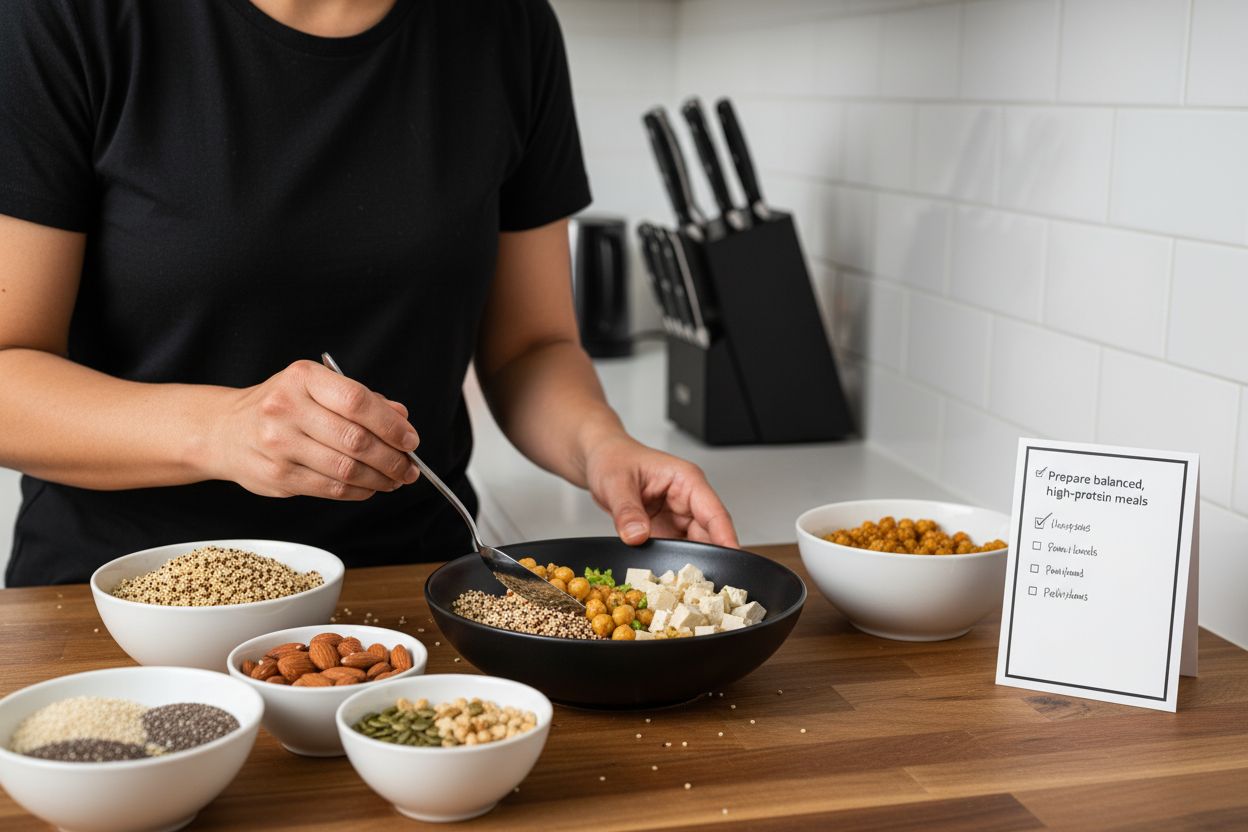
Start by developing a meal template that incorporates multiple protein sources in each dish. For instance, a grain bowl combining quinoa, roasted chickpeas, and tofu creates a protein-rich foundation complemented by diverse textures and tastes. Add layers of complexity with nuts, seeds, and legume-based dressings to enhance protein content and nutritional diversity. Learn more about crafting protein-packed meals with our expert recipe guide.
Understand the art of protein combining, a technique where different plant proteins are strategically paired to create complete amino acid profiles. Beans with rice, hummus with whole grain bread, or lentils with nuts exemplify traditional protein combination methods that have sustained vegetarian populations for generations. These combinations ensure you receive all essential amino acids typically found in animal proteins. Experiment with global cuisines that have long-standing vegetarian traditions, such as Indian, Middle Eastern, and Mediterranean cooking styles.
Meal preparation becomes significantly easier when you develop a systematic approach. Dedicate time each week to batch cooking protein-rich ingredients like quinoa, lentils, and roasted tofu. Prepare versatile base components that can be quickly assembled into different meals throughout the week. Invest in quality storage containers to keep prepared ingredients fresh and easily accessible. This approach not only saves time but ensures you always have nutrient-dense protein sources readily available.
Verify the success of your meal preparation by monitoring your energy levels, satiety, and overall nutritional balance. A well-constructed vegetarian meal should leave you feeling satisfied, energised, and confident in your dietary choices.
The following table summarises each key step to help you plan your vegetarian protein intake journey more effectively.
| Step | Main Action | Core Purpose |
|---|---|---|
| Evaluate current protein intake | Track and analyse food consumption | Identify gaps and set baseline |
| Identify high-protein vegetarian foods | Explore various plant-based protein sources | Diversify intake and ensure balance |
| Incorporate protein-rich grains and legumes | Integrate quinoa, lentils, and beans | Improve quality and quantity of protein |
| Explore plant-based protein supplements | Select suitable supplements like pea or hemp | Top up protein intake conveniently |
| Prepare balanced, high-protein meals | Batch cook and combine varied ingredients | Ensure regular high-protein, balanced meals |
| Monitor intake and adjust as necessary | Use tracking tools and monitor progress | Fine-tune according to bodily needs |
 Regular adjustments based on your body’s responses will help you refine your approach to creating balanced, high-protein vegetarian meals.
Step 6: Monitor your protein intake and adjust as necessary
Effective protein management for vegetarians requires ongoing attention and nuanced understanding of your body’s changing nutritional needs. Protein intake is not a static concept but a dynamic process that evolves with your lifestyle, activity levels, and physiological changes. Developing a systematic approach to monitoring and adjusting your protein consumption becomes crucial for maintaining optimal health and energy.
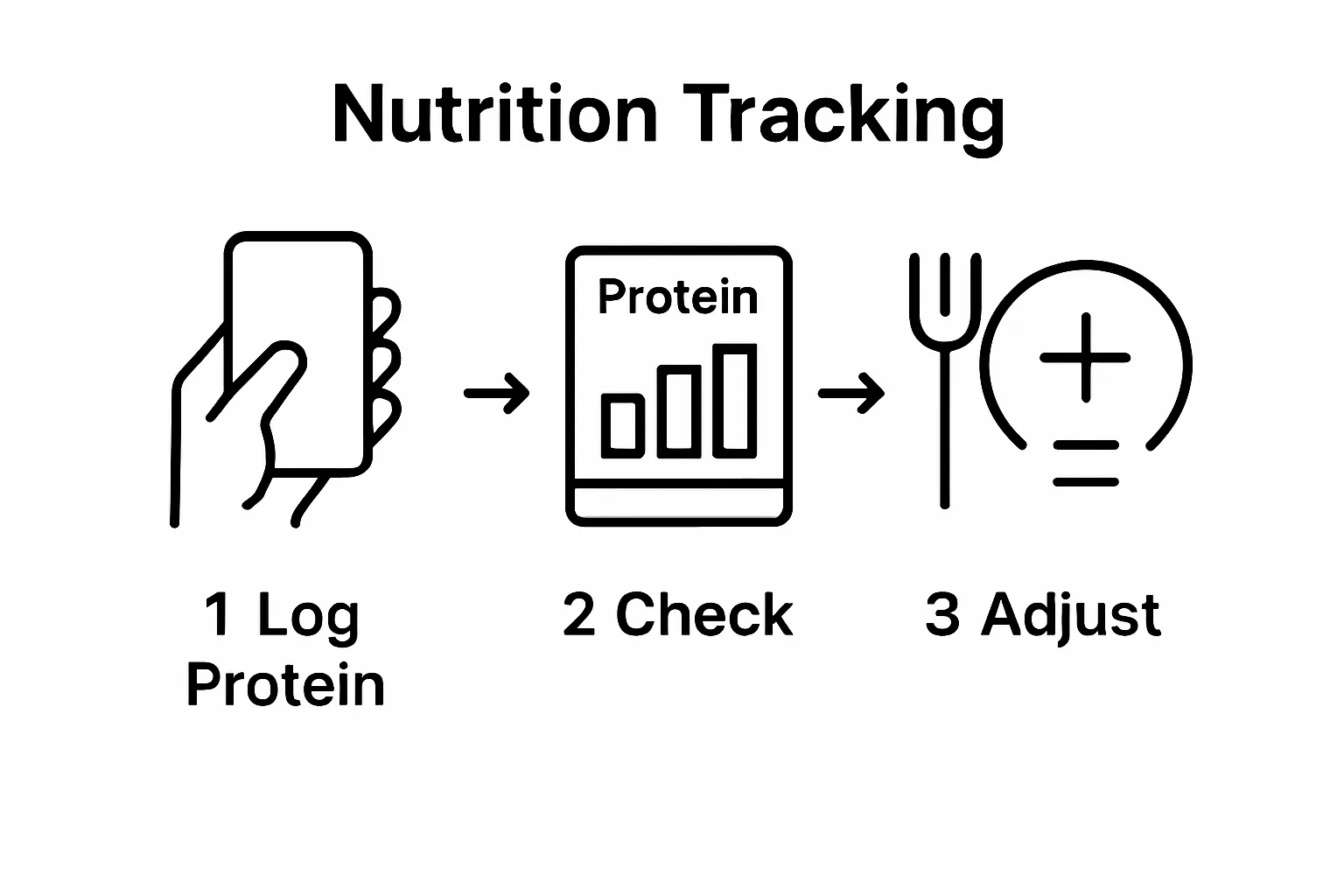
Utilise digital nutrition tracking applications to maintain a comprehensive record of your daily protein intake. These tools provide detailed breakdowns of macronutrients, helping you understand precisely how much protein you consume and from which sources. Look for applications that allow macro-nutrient customisation and offer extensive plant-based food databases. Pay special attention to the amino acid profiles of your protein sources, ensuring you receive a balanced spectrum of essential amino acids throughout the week.
Regular body composition assessments serve as valuable indicators of your protein strategy’s effectiveness. Schedule quarterly check-ups that measure muscle mass, body fat percentage, and overall energy levels. Physical performance metrics such as strength, recovery time, and endurance can reveal whether your current protein intake adequately supports your metabolic requirements. If you notice consistent fatigue, prolonged muscle soreness, or difficulty maintaining muscle mass, it might signal the need to adjust your protein consumption or diversify your protein sources.
Consider consulting a registered dietitian specialising in plant-based nutrition to provide personalised guidance. Professional nutritional assessments can offer insights beyond generic recommendations, taking into account your individual metabolism, fitness goals, and potential genetic variations that might affect protein absorption. Explore professional nutrition guidance for vegetarian protein strategies.
Successful protein monitoring involves flexibility and self-awareness. Be prepared to make incremental adjustments based on your body’s responses.
 Signs of successful protein intake include sustained energy levels, consistent muscle maintenance, quick recovery after exercise, and overall sense of well-being. Remember that protein requirements can shift with changes in age, activity level, and health status, so remain adaptable and attentive to your body’s evolving nutritional needs.
Ready to Unlock Powerful Plant Protein For Your Vegetarian Journey?
If you have felt overwhelmed by the challenge of meeting your protein needs as a vegetarian, you are not alone. Many people struggle with maintaining balanced energy, achieving satiety, or finding quality protein sources that work within a plant-based lifestyle. Whether your goal is to fuel your mornings, boost recovery, or simply enjoy a nourishing breakfast, the solutions highlighted in this article reflect real dietary challenges. You deserve protein options that honour tradition, offer natural nutrition, and actually taste good. For true support, explore our thoughtfully curated Vegan Protein Powders selection, designed to fill every gap discussed in the article above.
Step into a new breakfast routine that brings together ancient grains and high-quality protein with every bowl. If you are ready to move beyond empty calories and embrace effective vegetarian protein, visit Granavitalis today. Transform your mornings, energise your days, and make your next plant-powered meal your best one yet. Take action now and experience what purposeful nourishment can do for you.
Frequently Asked Questions
How can I evaluate my current protein intake as a vegetarian?
To evaluate your current protein intake, keep a food diary for three days and document everything you eat. Use nutrition tracking apps to calculate your total protein intake, focusing on sources like legumes, nuts, seeds, and grains.
What are some high-protein vegetarian foods I can include in my diet?
Consider incorporating legumes such as lentils, chickpeas, and black beans, as well as nuts, seeds, quinoa, and soy products like tofu and tempeh. These foods are rich in protein and essential nutrients needed for a balanced diet.
How can I combine grains and legumes to maximise protein absorption?
Pairing grains with legumes, such as rice with beans or quinoa with lentils, ensures you receive a complete amino acid profile. This traditional method enhances nutrient absorption and contributes to a balanced vegetarian diet.
Are plant-based protein supplements effective for vegetarians?
Yes, plant-based protein supplements like pea protein and hemp protein can be effective for vegetarians who struggle to meet their protein needs through whole foods alone. Choose high-quality, organic products to ensure optimal nutritional benefits.