
What is einkorn bread and why it's good for you
Modern wheat contains 42 chromosomes, the result of millennia of selective breeding for higher yields and stronger gluten. Yet this complexity has left many people searching for simpler, more digestible alternatives. Einkorn wheat stands apart with just 14 chromosomes, unchanged for over 10,000 years. This ancient grain offers a nutritious foundation for bread that satisfies both flavour and health goals. In this article, you’ll discover what makes einkorn bread unique, how its nutritional profile supports your wellbeing, what adjustments baking requires, and practical ways to incorporate it into your diet.
Table of Contents
- Key takeaways
- What is einkorn wheat and how is it different from modern wheat?
- Nutritional profile and health benefits of einkorn bread
- Baking characteristics of einkorn bread and recipe adjustments
- Einkorn bread in your diet: practical tips and who should try it
- Discover premium nut butters and superfoods at Granavitalis
- Frequently asked questions
Key Takeaways
| Point | Details |
|---|---|
| Ancient grain profile | Einkorn is a diploid wheat with 14 chromosomes that has remained largely unchanged for over ten thousand years. |
| Higher protein fibre and antioxidants | Einkorn delivers higher protein fibre and antioxidants than modern wheat. |
| Baking requires adjustments | Its weaker gluten means you may need different ratios and longer fermentation when baking bread. |
| Not suitable for celiac disease | Not suitable for celiac disease, but fermentation reduces antinutrients and may support gut health. |
What is einkorn wheat and how is it different from modern wheat?
Einkorn wheat is the most ancient and primitive form of wheat, cultivated for over 10,000 years with minimal genetic changes. Its name derives from German words meaning ‘one grain’, reflecting the single grain that develops per spikelet on each stalk. This botanical simplicity sets einkorn apart from every wheat variety you encounter in supermarkets today.
The genetic difference matters more than you might expect. Einkorn carries a diploid genome with 14 chromosomes, whilst modern bread wheat is hexaploid with 42 chromosomes. Think of einkorn as the original wheat blueprint, whilst common wheat represents generations of genetic layering through natural crossbreeding and selective cultivation. This tripling of genetic material in modern wheat aimed to boost yield, disease resistance, and gluten strength for industrial baking.
Yet those breeding priorities created unintended consequences. Modern wheat’s complex gluten proteins and higher levels of certain compounds challenge digestive systems in ways ancient grains do not. Einkorn’s simple genetics have remained largely unchanged, preserving a nutritional profile and protein structure closer to what our ancestors consumed.
Key differences between einkorn and modern wheat include:
- Chromosome count: 14 in einkorn versus 42 in bread wheat
- Gluten composition: simpler protein structure with different gliadin to glutenin ratios
- Breeding history: minimal human intervention versus extensive hybridisation
- Grain appearance: smaller, harder kernels with tighter hulls
- Nutritional density: higher concentrations of certain vitamins, minerals, and antioxidants
This simplicity impacts both nutritional value and baking behaviour. When you mill einkorn into flour, you’re working with a grain that hasn’t been optimised for commercial bread production. That means adjustments in technique, but also access to nutrients that intensive breeding has diluted in modern varieties.
Nutritional profile and health benefits of einkorn bread
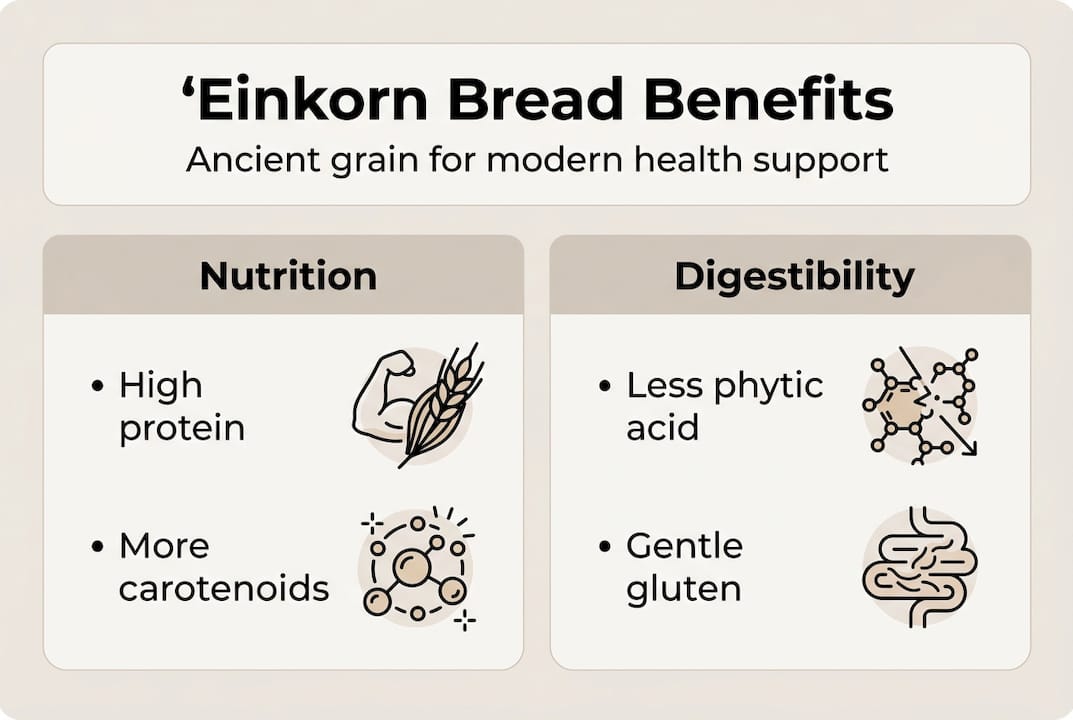
Einkorn bread delivers impressive nutritional density that justifies its growing popularity among health-conscious consumers. A single cup of einkorn flour provides 21.3g of protein, 7.1g of fibre, 4.7mg of iron, and substantial magnesium. Compare this to refined white flour, which loses most minerals and fibre during processing, and even wholegrain modern wheat falls short on several micronutrients.
The golden colour of einkorn flour isn’t just visually appealing. It signals high levels of carotenoids, particularly lutein and beta-carotene. These antioxidants support eye health by filtering harmful blue light and protecting retinal cells from oxidative damage. Your skin benefits too, as carotenoids contribute to cellular repair and protection against environmental stressors.
Mineral absorption matters as much as mineral content. Einkorn contains lower levels of phytic acid compared to modern wheat varieties. Phytic acid binds to minerals like iron, zinc, and calcium in your digestive tract, reducing how much your body can actually use. With less phytic acid blocking absorption, the minerals in einkorn bread become more bioavailable. This advantage multiplies when you choose sourdough einkorn bread, as fermentation further reduces anti-nutrients.
Digestibility represents another key benefit. Whilst einkorn contains gluten and remains unsafe for anyone with celiac disease, its simpler gluten structure may be easier for some people with non-celiac gluten sensitivity to tolerate. The protein composition differs from modern wheat’s complex gluten network, potentially explaining why certain individuals report fewer digestive issues.
Nutritional comparison per 100g:
| Nutrient | Einkorn Flour | Modern Wheat Flour |
|---|---|---|
| Protein | 17.2g | 13.2g |
| Fibre | 5.7g | 2.7g |
| Iron | 3.8mg | 1.2mg |
| Magnesium | 145mg | 22mg |
| Lutein | High | Low |
B vitamins in einkorn support energy metabolism and nervous system function. You’ll find meaningful amounts of thiamine, riboflavin, and niacin, all essential for converting food into cellular energy. These vitamins remain intact in wholegrain einkorn flour but diminish significantly in refined versions.
Pro tip: Choose wholegrain einkorn bread over refined versions to maximise fibre, mineral, and antioxidant intake. The bran and germ contain most of the nutritional value.
Gut health benefits extend beyond reduced phytic acid. The fibre in einkorn bread feeds beneficial gut bacteria, supporting a diverse microbiome. When combined with sourdough fermentation, you gain additional advantages from organic acids and probiotic activity that enhance both digestion and nutrient absorption. For those exploring ancient grain nutrition, einkorn offers a compelling balance of traditional food heritage and modern nutritional science.
Baking characteristics of einkorn bread and recipe adjustments
Baking with einkorn flour demands a different approach than modern wheat flour. The gluten proteins in einkorn contain a higher ratio of gliadin to glutenin, creating weaker dough elasticity and less structure. You’ll notice immediately that einkorn dough feels stickier and more extensible, stretching easily but lacking the spring-back quality that makes modern wheat dough easy to shape.
Water absorption is the first adjustment you’ll need to make. Einkorn flour absorbs 10-20% less water than modern wheat flour. If your standard bread recipe calls for 500ml of water, start with 400-425ml when using einkorn. Add liquid gradually, as too much water turns the dough into an unmanageable sticky mass. The dough should feel tacky but not wet.
Kneading technique requires a gentler touch. Aggressive kneading breaks down einkorn’s delicate gluten network rather than strengthening it. Use stretch and fold methods instead of traditional kneading. Every 30 minutes during bulk fermentation, gently stretch the dough and fold it over itself. Three to four rounds of stretching usually suffice to develop adequate structure.
Shaping presents the biggest challenge for bakers accustomed to modern wheat. Einkorn dough resists holding shape and tends to spread rather than rise upward. Work with wet hands or dust your work surface with rice flour to prevent sticking. Shape quickly and confidently, then immediately transfer to your proofing basket or baking vessel. Extended handling causes the dough to lose what little structure it has.
Key baking adjustments for einkorn:
- Reduce liquid by 10-20% compared to standard recipes
- Use gentle stretch and fold instead of vigorous kneading
- Keep bulk fermentation shorter, as einkorn rises quickly
- Shape with wet hands or rice flour to manage stickiness
- Bake in a Dutch oven or loaf tin for better structure support
- Lower oven temperature by 10-15°C to prevent over-browning
Fermentation time matters more with einkorn than modern wheat. The dough rises quickly, sometimes in half the time you’d expect. Watch for volume increase rather than following recipe timings blindly. Over-proofed einkorn dough collapses easily and produces dense, gummy bread. Aim for a 50-75% volume increase during bulk fermentation, then shape and proof briefly before baking.
Sourdough fermentation works exceptionally well with einkorn. The extended fermentation breaks down complex carbohydrates and proteins, improving digestibility whilst developing deeper flavour. The acidity from sourdough also strengthens the gluten network slightly, resulting in better texture than yeasted versions. If you’re new to einkorn baking, sourdough offers the most forgiving and flavourful results.
Pro tip: Einkorn flour is not a 1:1 substitute for modern flour in existing recipes. Start with recipes specifically developed for einkorn, then experiment with adaptations once you understand its behaviour.
Baking vessels provide crucial support for einkorn’s weak structure. A Dutch oven traps steam and provides walls that support the dough as it rises, preventing excessive spreading. Alternatively, use a traditional loaf tin for sandwich bread. Free-form loaves often spread into flat discs unless your shaping skills are excellent and your dough consistency is perfect.
Temperature control prevents the common problem of over-browned crust with undercooked interior. Einkorn’s high mineral content promotes rapid crust colouring. Reduce your oven temperature by 10-15°C compared to standard bread recipes. Bake longer at the lower temperature to ensure the centre cooks through whilst the crust develops a golden rather than dark brown colour.
For those exploring different applications, einkorn excels in pancakes, muffins, and quick breads where gluten development matters less. The flour’s natural sweetness and nutty flavour enhance baked goods without requiring extensive technique adjustments. Biscuits and pastries also work well, as the tender crumb from weak gluten becomes an advantage rather than a limitation.
Einkorn bread in your diet: practical tips and who should try it
Incorporating einkorn bread into your diet starts with realistic expectations and gradual introduction. If you’re exploring einkorn due to gluten sensitivity, begin with small portions of sourdough einkorn bread. The fermentation process enhances gut health benefits and reduces anti-nutrients, making it the most digestible form. Monitor your body’s response over several days before increasing portion sizes.
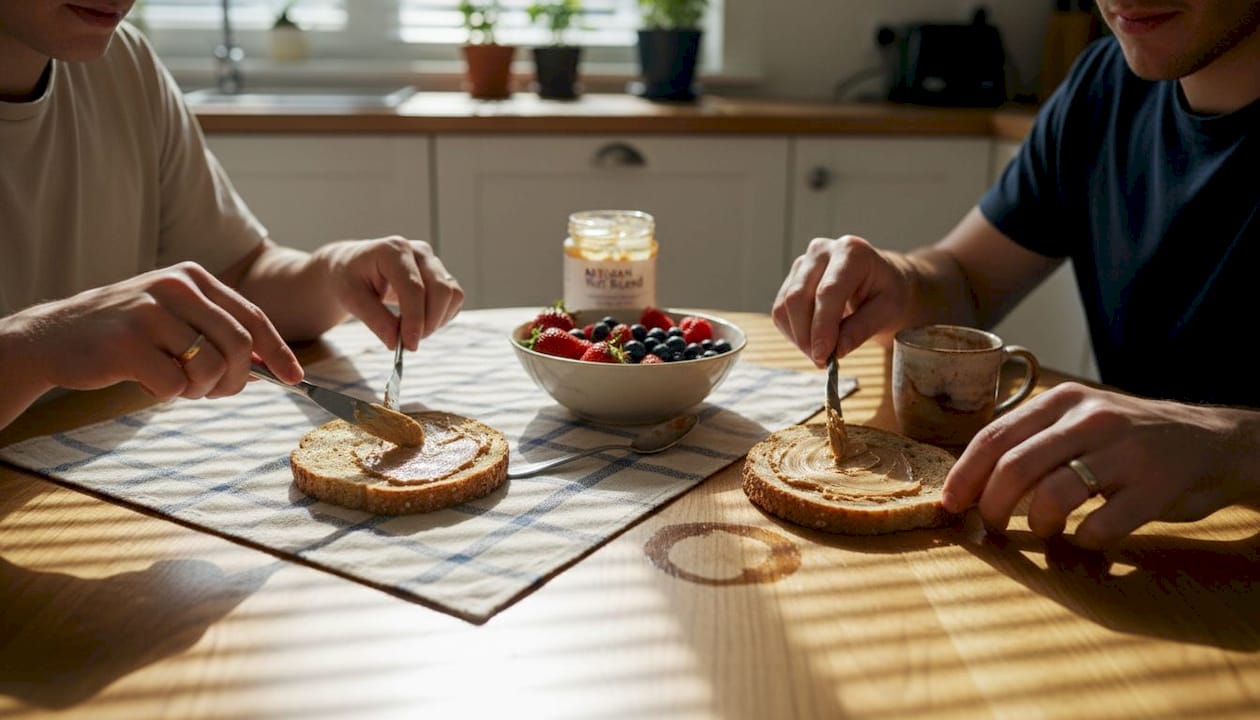
Pairing einkorn bread with nutrient-dense foods maximises its health benefits. Spread organic nut butter on toasted einkorn for a balanced breakfast combining complex carbohydrates, healthy fats, and protein. Top with fresh berries to add antioxidants and natural sweetness. This combination provides sustained energy without blood sugar spikes, supporting focus and stamina throughout your morning.
Wholegrain versus refined einkorn presents a choice between maximum nutrition and lighter texture. Wholegrain einkorn flour retains the bran and germ, delivering full fibre, mineral, and antioxidant content. However, the resulting bread is denser and heavier. Refined einkorn flour produces lighter, softer bread but sacrifices much of the nutritional advantage. For daily consumption, wholegrain offers better long-term health value despite the textural trade-off.
Practical steps for trying einkorn bread:
- Start with commercially baked sourdough einkorn bread to assess tolerance
- Introduce small portions (one slice) and monitor digestive response for 48 hours
- Gradually increase to two slices daily if no adverse effects occur
- Pair with protein and healthy fats to balance blood sugar response
- Choose wholegrain versions for maximum nutritional benefit
- Consider baking at home once familiar with the grain’s characteristics
Gluten sensitivity requires careful consideration. Einkorn contains gluten and is not safe for celiacs, despite its simpler protein structure. Anyone with diagnosed celiac disease must avoid einkorn completely. For those with non-celiac gluten sensitivity, einkorn may be worth testing under medical guidance. The different gluten composition means some people tolerate it better than modern wheat, but individual responses vary significantly.
Sourcing quality einkorn bread matters as much as the grain itself. Look for bakeries that use certified organic einkorn flour and traditional fermentation methods. Avoid products listing einkorn as a minor ingredient blended with modern wheat, as this defeats the purpose of choosing ancient grain. Read labels carefully to ensure you’re getting authentic einkorn bread rather than marketing claims.
Pro tip: Store einkorn bread in the freezer and toast slices as needed. The high oil content in wholegrain einkorn causes faster spoilage at room temperature. Freezing preserves freshness whilst toasting enhances flavour and texture.
Meal planning with einkorn bread opens diverse possibilities beyond basic toast. Use it for sandwiches packed with vegetables and lean proteins for balanced lunches. Cube day-old einkorn bread for homemade croutons that add crunch and nutrition to salads. Blend into breadcrumbs for coating proteins or binding vegetable patties. The nutty, slightly sweet flavour complements both savoury and sweet applications.
Children often accept einkorn bread more readily than adults due to its naturally sweet taste. The golden colour and softer crumb appeal to young palates. However, introduce it as you would any new food, watching for allergic reactions or digestive issues. Never substitute einkorn for gluten-free options in children with celiac disease or wheat allergies.
Athletes and active individuals benefit from einkorn bread’s protein and mineral content. The complex carbohydrates provide sustained energy for training, whilst higher protein supports muscle recovery. Time consumption around workouts for optimal fueling. A slice of einkorn bread with nut butter makes an excellent pre-workout snack 60-90 minutes before exercise.
For those interested in understanding gluten in ancient grains more broadly, einkorn serves as an accessible entry point. Its availability has increased significantly, with both flour and bread products now stocked in health food shops and online retailers. Starting with bread allows you to experience the grain’s characteristics before investing in flour and baking equipment.
Discover premium nut butters and superfoods at Granavitalis
Einkorn bread becomes even more nutritious when paired with wholefood ingredients that share its ancient heritage philosophy. Granavitalis offers premium organic nut butters that complement einkorn’s nutty flavour whilst adding healthy fats, protein, and minerals. Spread organic pecan butter on warm einkorn toast for a breakfast that honours traditional foods with modern nutritional science.
Explore variety with the nut and seed butter selection box, perfect for discovering which flavours best enhance your einkorn bread experience. Each butter is made from raw, organic ingredients with minimal processing to preserve natural nutrients and enzymes. Top your einkorn bread with organic superberry mix for an antioxidant boost that combines ancient grain goodness with vibrant, nutrient-dense fruits. These products support the wholesome lifestyle that drew you to einkorn bread, providing clean energy and sustained wellbeing rooted in traditional foods.
Frequently asked questions
Does einkorn bread contain gluten?
Yes, einkorn bread contains gluten, though its protein structure differs from modern wheat. The gluten is simpler with fewer chromosomes involved in its formation. This makes it potentially easier to digest for some people with non-celiac gluten sensitivity, but it remains completely unsafe for anyone with celiac disease.
What does einkorn bread taste like?
Einkorn bread has a naturally sweet, nutty flavour with subtle notes of honey and a rich, golden colour. The taste is more complex than modern wheat bread, often described as buttery or earthy. The texture tends to be denser and more cake-like than conventional bread, particularly when made with wholegrain flour.
Why is einkorn bread harder to bake than regular bread?
Einkorn’s weaker gluten network makes the dough sticky, less elastic, and prone to spreading rather than rising upward. It absorbs 10-20% less water than modern wheat flour and requires gentler handling. The dough rises quickly but struggles to hold shape, demanding specific techniques like wet-hand shaping and supportive baking vessels.
Can people with gluten sensitivity eat einkorn bread?
Some people with non-celiac gluten sensitivity report better tolerance of einkorn bread, particularly sourdough versions where fermentation breaks down proteins. However, individual responses vary significantly. Anyone with diagnosed celiac disease must avoid einkorn completely. Those with gluten sensitivity should introduce it cautiously under medical guidance.
Is wholegrain einkorn bread healthier than refined versions?
Wholegrain einkorn bread retains the bran and germ, providing significantly more fibre, minerals, antioxidants, and B vitamins than refined versions. Whilst refined einkorn bread offers lighter texture, it sacrifices much of the nutritional advantage that makes ancient grains appealing. For regular consumption, wholegrain delivers superior long-term health benefits.
Where can I buy einkorn bread or flour?
Einkorn products are available at health food shops, speciality bakeries, and online retailers. Look for certified organic options from reputable suppliers. Some supermarkets now stock einkorn flour in their health food sections. When buying bread, choose products listing einkorn as the primary ingredient rather than blends with modern wheat.