
Best vegan plant based protein powder: 2026 guide
TL;DR:
- The best vegan protein powders provide complete, easily absorbed protein with minimal additives and high purity. Soy offers the highest bioavailability, while blends with rice or pumpkin seed cover amino acid gaps and support health. Third-party certifications ensure safety from heavy metals and contaminants, and natural sweeteners improve taste without gut issues.
The best vegan plant based protein powder delivers complete, easily absorbed protein with minimal additives and a flavour profile that suits your daily routine. Nutrition experts in 2026 identify soy and pea protein as the top sources, with brands like Ritual, Vega, and NOW Foods leading the field for purity and performance. Choosing well means looking beyond the protein count on the label. Bioavailability, amino acid completeness, clean ingredients, and third-party certification all determine whether a powder genuinely supports your health or simply adds calories to your morning shake.
1. What are the top plant protein sources in vegan powders?
Soy protein is the most bioavailable plant protein and the only one considered naturally complete, meaning it contains all nine essential amino acids in adequate amounts. Its profile is closely comparable to whey, which makes it the benchmark against which other plant sources are measured.
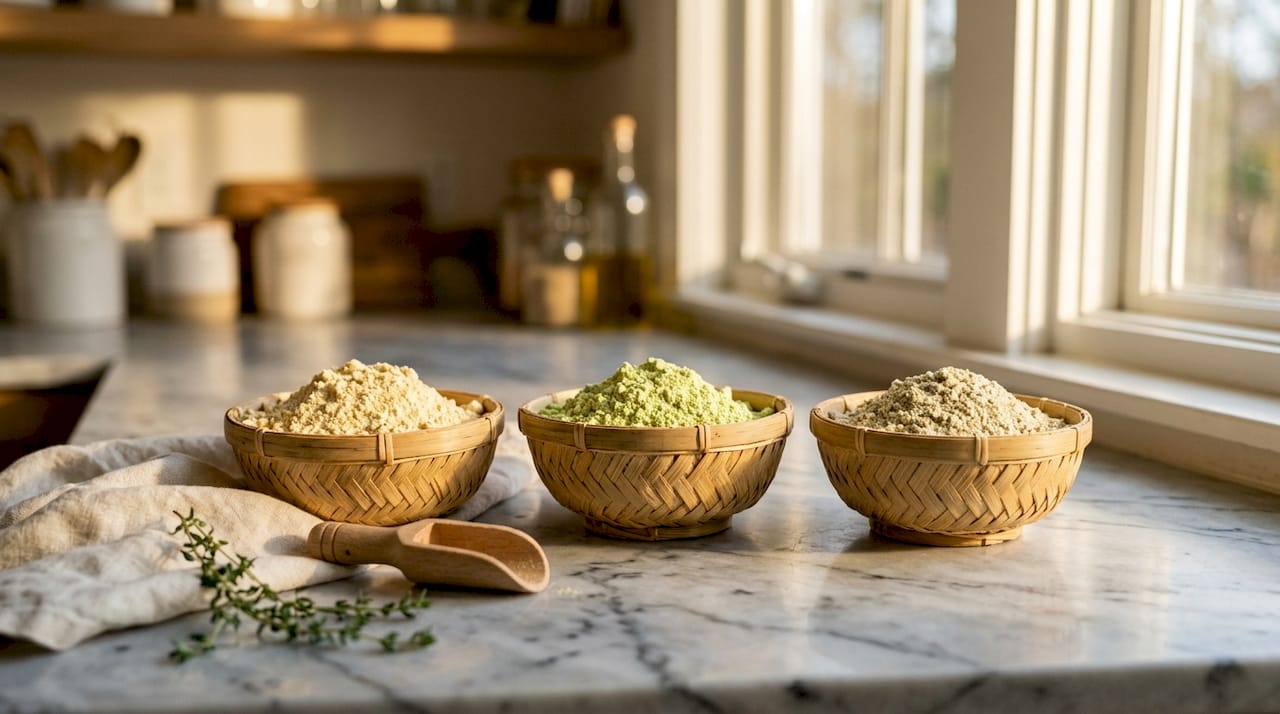
Pea protein is the second most popular source and offers a strong amino acid profile, but it falls short on methionine. That single gap matters because methionine supports liver function, metabolism, and tissue repair. Pea protein alone cannot cover your full amino acid needs.
The solution most quality brands use is blending. Pea combined with rice, hemp, or pumpkin seed covers the methionine gap and produces a profile that comes close to whey in completeness. Hemp adds omega-3 fatty acids. Pumpkin seed contributes iron and zinc. Rice provides a neutral flavour base that blends well.
- Soy: Complete amino acid profile, highest bioavailability among plant sources
- Pea: Strong profile, low in methionine, pairs well with rice or pumpkin seed
- Hemp: Contains omega-3s and omega-6s, mild earthy flavour
- Brown rice: Neutral taste, good for blends, low in lysine on its own
- Pumpkin seed: Rich in iron, zinc, and magnesium
Pro Tip: If you are avoiding soy for hormonal reasons, a pea and pumpkin seed blend covers the most amino acid ground without it. Look for blends that list at least two protein sources on the label.
2. Which vegan powders meet the highest purity and safety standards?
Third-party certification is the single most reliable signal of a clean product. NSF Certified, Informed Choice, and Clean Label Project are the three certifications nutrition experts recommend looking for. Each involves independent laboratory testing for heavy metals, pesticides, and banned substances.
Heavy metal contamination is a genuine concern in plant protein powders, particularly those sourced from crops grown in mineral-rich soils. Cadmium, lead, and arsenic have all been detected in commercial powders at levels that exceed safe daily intake thresholds. A certification does not guarantee zero contamination, but it confirms the product has been tested and meets defined limits.
Ritual Essential Protein Daily Shake is one of the most cited examples of a brand that takes this seriously. Ritual holds the Clean Label Project Certified Purity Award and publishes full traceability information for every ingredient. That level of transparency is still rare in the supplement industry.
“Consumers should prioritise transparency and third-party testing results to avoid contaminants and additives that compromise health and taste.” — Vogue Nutrition Experts
Beyond certifications, the ingredient list itself tells you a great deal. Avoid powders that include carrageenan, artificial colours, or proprietary blends that obscure individual ingredient quantities. A short, readable ingredient list is a quality signal, not a marketing shortcut.
- NSF Certified for Sport: Covers banned substances, ideal for athletes
- Informed Choice: Widely recognised in the UK and Europe
- Clean Label Project: Tests for heavy metals and environmental toxins
- Ritual: Publishes ingredient traceability and holds Purity Award certification
You can also cross-reference vegan snack and supplement certifications by reading about vegan product safety standards to understand how certification bodies differ in scope and rigour.
3. How do sweeteners and formulation affect your experience?
Taste is not a luxury consideration. If a powder tastes unpleasant, you will not use it consistently, and consistency is what produces results. The sweetener used in a formula has a direct impact on both flavour and health.
Monk fruit and stevia are the natural sweeteners nutrition experts prefer. Both provide sweetness without spiking blood sugar, and neither carries the digestive side effects associated with sugar alcohols like maltitol or sorbitol. Artificial sweeteners such as sucralose and acesulfame potassium appear in many budget powders and are best avoided if gut health is a priority.
Formulation additives are the hidden variable most people overlook. Fillers, gums such as guar and xanthan, and synthetic emulsifiers frequently cause bloating and digestive distress. Simpler ingredient lists consistently correlate with better tolerance. If a powder lists more than two or three gums or thickeners, that is a warning sign.
- Preferred sweeteners: Monk fruit, stevia, coconut sugar in small amounts
- Avoid: Sucralose, acesulfame K, maltitol, high-fructose corn syrup
- Digestive red flags: Guar gum, xanthan gum, carrageenan, inulin in large amounts
- Gut-supportive additions: Digestive enzymes, probiotics (Bacillus coagulans is well-studied)
Pro Tip: Chocolate-flavoured powders carry higher heavy metal risk due to cacao sourcing. If chocolate is your preference, prioritise a certified product over an uncertified one more than you would with vanilla.
4. What are the best vegan protein powders for specific goals?
Different goals call for different formulations. A powder built for post-workout recovery prioritises leucine content and fast absorption. A powder suited to sensitive digestion keeps the ingredient list short and avoids common gut irritants. The healthiest vegan protein powder for one person may be entirely wrong for another.
Certain powders are formulated specifically for women, sensitive stomachs, or muscle recovery. Orgain Organic Protein is frequently recommended for women due to its balanced macro profile and mild flavour. Drink Wholesome uses a short, whole-food ingredient list that makes it one of the most tolerated options for people with sensitive digestion.
For muscle building and post-workout recovery, look for powders delivering at least 20g of protein per serving with a leucine content above 2g. Soy and pea-based blends tend to perform best here. For a detailed breakdown of the highest protein options currently available, the protein-per-serving figure is the most useful starting point.
| Goal | Recommended source | Key feature to check |
|---|---|---|
| Muscle recovery | Soy or pea + rice blend | Leucine content, 20g+ protein per serving |
| Sensitive digestion | Single-ingredient or whole-food base | No gums, no sugar alcohols, short ingredient list |
| Women’s nutrition | Balanced macro blend with added iron | Iron, B12, and folate content |
| General wellness | Pea + hemp or pumpkin seed blend | Complete amino acid profile, third-party certified |
| Baking and cooking | Unflavoured pea or rice protein | Neutral taste, no sweeteners |
Protein powders work best as supplements within a varied diet, not as meal replacements. Vegan powders function as protein boosters in meals and snacks. Stir them into oatmeal, blend them into smoothies, or use unflavoured versions in baking. That versatility is one of the strongest arguments for keeping a good powder in your kitchen.
For women with specific nutritional requirements, the best plant based protein for women guide covers formulations that address iron, B12, and hormonal balance alongside protein targets.
5. How to read a vegan protein label without being misled
Label reading is a skill that saves you money and protects your health. The protein content listed on the front of a packet is almost always the most flattering number the brand can legally print. The ingredient list on the back tells the real story.
Check the protein per 100g, not just per serving. Serving sizes vary wildly between brands, from 25g to 50g, which makes front-of-pack comparisons meaningless. A powder with 20g of protein per 40g serving is delivering 50% protein by weight. A powder with 20g per 25g serving is delivering 80%. That difference matters when you are paying by the kilogram.
Watch for amino acid spiking. Some manufacturers add cheap free-form amino acids like glycine or taurine to inflate the total protein figure on the label without adding nutritional value. The top plant protein powders from reputable brands do not use this practice, but it remains common in budget products. If you see a long list of individual amino acids in the ingredient list, that is a signal worth investigating.
Look at the order of ingredients. Ingredients are listed by weight, so the first two or three items make up the bulk of the product. If a sweetener or filler appears in the top five, the formula is not as protein-forward as the marketing suggests.
Key takeaways
The best vegan plant based protein powder combines a complete amino acid profile, third-party certification for purity, and a clean formulation free from unnecessary fillers and artificial sweeteners.
| Point | Details |
|---|---|
| Soy leads for bioavailability | Soy protein is the most complete and easily absorbed plant source, comparable to whey. |
| Blend pea with rice or pumpkin seed | Pea protein alone is low in methionine; blending covers the gap and completes the profile. |
| Certifications protect your health | NSF Certified, Informed Choice, and Clean Label Project confirm purity and heavy metal testing. |
| Sweetener choice affects gut health | Monk fruit and stevia are preferred; gums and sugar alcohols cause digestive distress in many people. |
| Match the powder to your goal | Women, athletes, and those with sensitive digestion each benefit from different formulations. |
My honest view on choosing a vegan protein powder
I have tried enough vegan protein powders over the years to know that the most expensive option is rarely the best one for your specific body. What I have found consistently is that digestion trumps everything else. A powder with a perfect amino acid profile is worthless if it leaves you bloated for three hours after training.
My starting point is always the ingredient list, not the marketing. If I cannot read and recognise most of what is in a product, I put it back. The brands that earn long-term trust are the ones that publish third-party test results openly, not just mention certification as a badge on the packaging.
I also think people over-rely on protein powders as a category. Vegan powders are most effective as protein boosters within a varied diet. They are not a substitute for whole food protein sources like lentils, tofu, tempeh, and edamame. Use them to fill gaps, not to replace meals.
The advice I give most often is to buy a small bag before committing to a kilogram. Taste and digestive tolerance are personal. What works brilliantly for one person causes discomfort for another. Spend a little more on a certified product from a transparent brand, and treat the first purchase as a test rather than a commitment.
— Jarrod
Granavitalis picks to complement your protein routine
Protein powder covers your amino acid needs, but healthy fats and micronutrients round out the picture. Nut and seed butters are one of the most practical ways to add both to your daily routine without extra effort.
Granavitalis stocks the Raw Organic Pecan Butter by RAWGORILLA, a cold-processed, single-ingredient butter that delivers oleic acid, manganese, and zinc alongside a genuinely rich flavour. Stir it into a post-workout shake or spread it on rice cakes alongside your protein meal. The Organic Nut & Seed Butter Selection Box is worth exploring if you want variety across almond, cashew, and seed-based options. Every product in the Granavitalis range is sourced for purity and minimal processing, which aligns directly with what you are already looking for in a clean protein powder.
FAQ
What is the healthiest plant protein powder?
Soy protein is the healthiest plant protein powder for most people because it is the only plant source with a complete amino acid profile and the highest bioavailability among plant proteins. For those avoiding soy, a pea and rice blend is the next best option.
What are the best vegan protein powders for women?
Powders formulated with added iron, B12, and folate alongside a balanced macro profile suit women’s nutritional needs most effectively. Orgain Organic Protein is frequently cited by registered dietitians as a strong option for women.
How do I avoid heavy metals in vegan protein powders?
Choose powders certified by NSF, Informed Choice, or the Clean Label Project, and avoid uncertified chocolate-flavoured powders, which carry higher heavy metal concentrations due to cacao sourcing.
Can I use vegan protein powder for baking?
Unflavoured pea or rice protein works well in baking because it has a neutral taste and no sweeteners that would alter a recipe. Use it in pancakes, protein balls, or oat-based bakes to increase protein content without changing the flavour profile.
Is pea protein a complete protein?
Pea protein is not complete on its own because it is low in methionine. Blending it with rice, hemp, or pumpkin seed protein covers the gap and produces a complete amino acid profile.