
Best plant based protein drinks: 2026 fitness guide
TL;DR:
- The best plant-based protein drinks provide complete amino acid profiles, good digestibility, and natural flavorings. They vary in format, with powders offering more customization and cost savings, while ready-to-drink options prioritize convenience. Certification, sourcing transparency, and ingredient quality are essential factors for choosing high-quality vegan protein supplements.
The best plant based protein drinks deliver complete amino acid profiles, excellent digestibility, and natural flavour formulations that genuinely support fitness, recovery, and vegan nutrition. Plant protein supplements, the industry’s standard term for this category, have matured well beyond chalky powders and grassy aftertastes. Nutritionists now recommend tailoring protein choice based on personal fitness goals, digestive health, and lifestyle. Whether you train five days a week or simply want a clean, convenient meal addition, the right vegan protein drink makes a measurable difference to your daily nutrition.
What makes the best plant based protein drinks worth choosing?
The quality of a plant protein supplement comes down to five factors: amino acid completeness, protein source, third-party certification, flavour, and cost per serving.
Amino acid completeness is the starting point. Pea protein, hemp protein, and soy protein each bring different amino acid distributions. Blended formulas, combining two or more sources, reliably cover all nine essential amino acids. Single-source options like pea protein alone can fall short on methionine, so blends are the safer default for anyone using protein drinks as a primary supplement.
Certification matters more than most people realise. Third-party certifications like the Clean Label Project are critical to avoid heavy metals and verify purity in plant-based protein powders. Plant crops absorb minerals from soil, and heavy metals in protein powders can accumulate depending on soil quality. Seeking certified products directly mitigates that risk.
Flavour has genuinely improved. Plant-based protein powders now offer natural flavour profiles that mix well even with water, reducing the need for calorie-dense additives. That shift matters for anyone watching total calorie intake without sacrificing taste.
- Look for a minimum of 20g protein per serving
- Prioritise blends with two or more protein sources
- Check for Clean Label Project or NSF certification
- Avoid products with artificial sweeteners, fillers, or emulsifiers
- Compare cost per serving, not cost per tub
Pro Tip: Scan the ingredient list from the bottom up. The last few ingredients reveal the additives. Fillers, emulsifiers, and artificial sweeteners often dilute nutritional value. A short, recognisable ingredient list is always the better sign.
Top 7 plant protein options for varied fitness and lifestyle goals
Registered dietitians consistently highlight that elite athletes benefit from high-protein formulations of 30g or more per serving, while general fitness enthusiasts gain more from blends that include digestive enzymes and prebiotic fibres. The seven options below cover that full spectrum.
1. Pea and rice protein blend
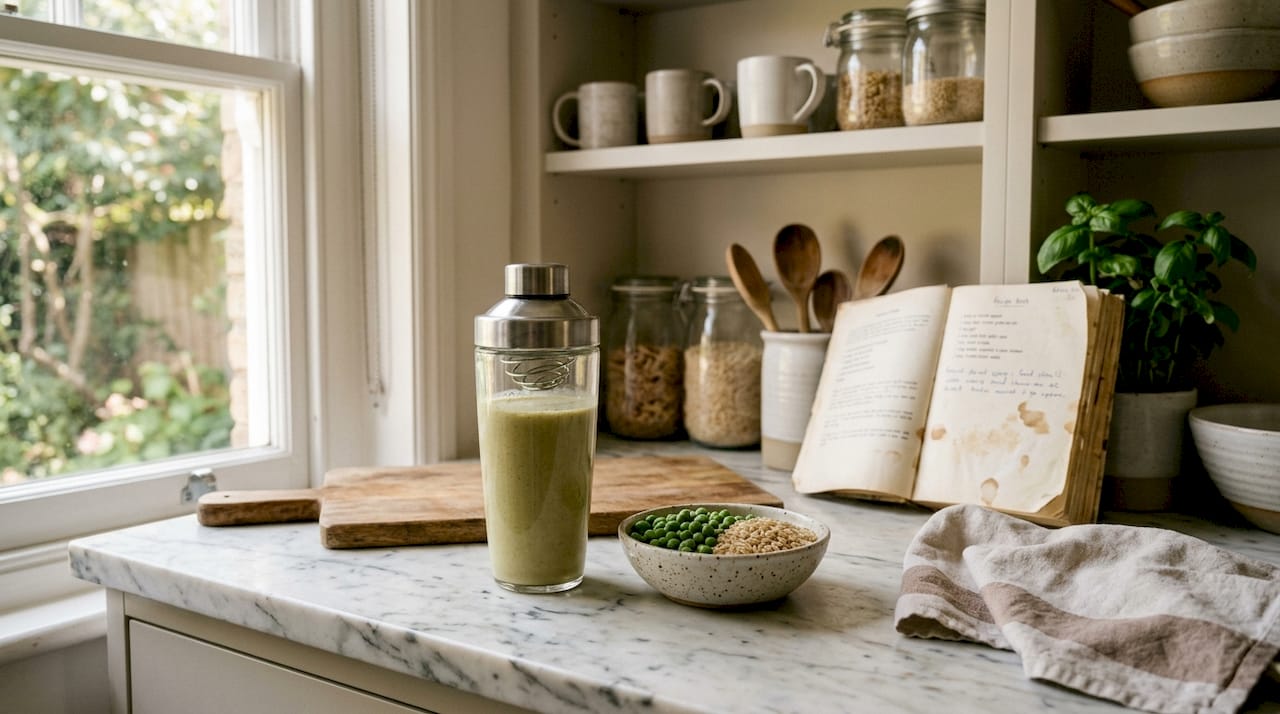
Pea and brown rice protein together form a complete amino acid profile. This combination is the most widely recommended by dietitians for muscle recovery. It mixes cleanly, suits most digestive systems, and carries a neutral flavour that works well in both shaker bottles and smoothies.
2. Hemp protein powder
Hemp protein delivers protein alongside omega-3 fatty acids and fibre in a single scoop. The fat content slows digestion slightly, making it a better fit for sustained energy than immediate post-workout recovery. Its earthy flavour pairs well with banana, cacao, and nut butters.
3. Soy protein isolate
Soy protein isolate is the only single-source plant protein that qualifies as nutritionally complete on its own. It scores highest on the PDCAAS (Protein Digestibility Corrected Amino Acid Score) among plant sources. Soy suits those who want maximum protein per calorie without blending multiple sources.
4. Pumpkin seed protein
Pumpkin seed protein is high in zinc, magnesium, and iron, making it particularly useful for athletes with micronutrient demands. It carries a mild, slightly nutty flavour and blends smoothly. Pumpkin seed protein works well for people who want gut-friendly options, as it is naturally low in common allergens.
5. Fermented plant protein blends
Fermentation pre-digests proteins, improving absorption and reducing bloating. Fermented blends typically combine pea, brown rice, and quinoa proteins. They suit people with sensitive digestion who have previously found plant proteins uncomfortable.
6. Sacha inchi protein
Sacha inchi is a lesser-known Peruvian seed that provides a high proportion of omega-3s alongside its protein content. It is gaining traction in 2026 as a premium, sustainable source. The flavour is mild and slightly nutty, and it blends well into smoothies with fruit.
7. Sprouted grain and legume protein
Sprouted proteins from grains and legumes like quinoa, lentil, and mung bean offer improved bioavailability compared to their unsprouted counterparts. Sprouting reduces phytic acid, which otherwise blocks mineral absorption. These blends suit people focused on whole-food nutrition rather than isolated protein content.
| Evaluation criterion | What to look for |
|---|---|
| Protein content per serving | 20g minimum; 30g+ for athletes |
| Protein source type | Blended sources preferred for completeness |
| Flavour and mixability | Natural flavouring; mixes with water |
| Digestive support | Digestive enzymes or prebiotic fibre included |
| Certification | Clean Label Project, NSF, or equivalent |
How to customise your plant protein shake for better nutrition
Adding whole-food ingredients to a base protein shake increases both nutritional density and flavour without relying on artificial additives. The most effective add-ons each serve a specific function.
- Nut butters: Add healthy fats, creaminess, and extra protein. A tablespoon of raw organic pecan butter or almond butter contributes around 3–4g of additional protein alongside monounsaturated fats.
- Seeds: Chia, flax, and hemp seeds add omega-3s and fibre. Chia seeds also thicken the shake, improving texture.
- Frozen fruit: Banana adds natural sweetness and potassium. Berries contribute antioxidants without spiking sugar content significantly.
- Leafy greens: A handful of spinach adds iron and folate with almost no flavour impact in a well-blended shake.
- Digestive enzymes or probiotic powder: These support gut health and improve protein absorption, particularly useful for those new to plant proteins.
For inspiration on building nutrient-dense shakes, the Granavitalis guide to plant protein powders covers practical combinations in detail.
Pro Tip: Use a high-speed blender or shaker bottle for plant-based powders to prevent clumping and achieve a smooth texture. A shaker bottle with a wire whisk ball works well for powders on the go. A high-speed blender is better when adding frozen fruit, greens, or seeds.
Balancing flavours is straightforward once you treat the protein powder as a base, not the star. Let the fruit, nut butter, or spice (cinnamon, vanilla, cacao) carry the flavour. The protein powder provides the nutritional foundation.
Ready-to-drink versus powder: which suits your lifestyle?
Ready-to-drink plant protein shakes offer maximum convenience, while powders cost significantly less per serving and allow custom nutrient mixing. The right choice depends on how you actually live, not how you plan to live.
| Format | Best for | Key advantage | Key limitation |
|---|---|---|---|
| Ready-to-drink | Busy professionals, travel | No prep, consistent dosing | Higher cost per serving |
| Powder | Athletes, home use | Lower cost, customisable | Requires mixing equipment |
| Powder with add-ons | Nutrition-focused users | Maximum nutrient control | Prep time required |
Ready-to-drink options suit people who need protein on the move without any preparation. They are shelf-stable, pre-measured, and require nothing more than opening a bottle. The trade-off is cost. The cost per serving of powders is significantly less than ready-to-drink options, making powders the clear choice for budget-conscious people.
Powders also allow you to build a genuinely personalised shake. You control the liquid base, the add-ons, and the total calorie count. For athletes tracking macros carefully, that flexibility is worth the extra two minutes of preparation. For those exploring budget-friendly plant protein options in Europe, powders consistently deliver the best value.
The gastronomy world has noticed this shift too. Culinary trends in 2026 show plant proteins moving into professional kitchens, with chefs using protein powders as functional ingredients in recipes beyond the standard shake.
Key takeaways
The most effective plant protein supplement combines a blended amino acid profile, third-party certification, and a format that fits your daily routine without compromise.
| Point | Details |
|---|---|
| Prioritise blended protein sources | Pea and rice blends cover all nine essential amino acids more reliably than single-source options. |
| Always check certification | Clean Label Project or NSF certification confirms purity and rules out heavy metal contamination. |
| Match format to lifestyle | Powders cost less per serving; ready-to-drink suits travel and time-pressed routines. |
| Customise for better results | Adding nut butters, seeds, and greens increases nutrient density without artificial additives. |
| Read ingredient lists carefully | Short, recognisable ingredient lists signal quality; fillers and emulsifiers dilute nutritional value. |
Why transparent sourcing is the real differentiator in 2026
I have spent years reviewing plant protein products, and the single biggest shift I have seen recently is not flavour or protein content. It is sourcing transparency. Brands that publish their supply chain, testing results, and farming practices are consistently producing better products. That is not a coincidence.
Regenerative farming for pea protein, for instance, does more than reduce heavy metal risk. It actively improves soil health and reduces the ecological footprint of the product. That matters to me, and I think it should matter to anyone buying these products regularly.
The consumer shift towards gut-friendly blends with digestive enzymes and natural flavouring is real and well-founded. I have seen people abandon plant proteins entirely because of bloating, only to return when they tried a fermented or enzyme-enhanced formula. The category has genuinely solved problems it could not address five years ago.
My practical advice: treat certification as non-negotiable, treat flavour as a bonus, and treat sourcing transparency as the clearest signal of a brand that takes quality seriously. Price is the last thing to consider, not the first.
— Jarrod
Granavitalis nut butters: the natural upgrade for your protein shake
Granavitalis sources premium nuts and seeds rooted in whole-food nutrition, and their organic nut butters are a natural fit for anyone building a better protein shake. A spoonful of raw organic pecan butter adds healthy fats, a rich flavour, and extra nutrients without a single artificial ingredient. For those who want to experiment across flavours, the organic nut and seed butter selection box offers a range of options to find your ideal combination. Granavitalis keeps ingredient lists short, sourcing transparent, and quality uncompromised. That is exactly what a clean plant protein shake deserves.
FAQ
What is the best plant based protein drink for muscle recovery?
A pea and rice protein blend with 25–30g of protein per serving is the most recommended option for muscle recovery. Adding digestive enzymes improves absorption, particularly after intense training.
Which plant protein is best for complete amino acids?
Soy protein isolate is the only single-source plant protein with a complete amino acid profile. Blended formulas combining pea and rice protein are the most practical alternative for those avoiding soy.
Are ready-to-drink vegan protein shakes worth the cost?
Ready-to-drink options cost more per serving than powders, but they suit people who need convenience and consistency without preparation time. For regular daily use, powders offer significantly better value.
How do I avoid heavy metals in plant protein powders?
Choose products certified by the Clean Label Project or NSF International, as these certifications require independent testing for heavy metal contamination. Regenerative farming practices for pea protein also reduce contamination risk at the source.
Can I add nut butters to a plant protein shake?
Yes. A tablespoon of raw nut butter adds healthy fats, creaminess, and additional protein to any shake. It also improves flavour without the need for artificial sweeteners or flavourings.