
Ancient grain meal prep: healthy options for UK wellness
Choosing what to eat each week sounds simple until you’re standing in the kitchen on a Sunday afternoon, wondering whether your lunch boxes will actually support your energy, recovery, and long-term health. Ancient grains cut through that confusion. Nutrient-dense ancient grains such as quinoa, farro, bulgur, spelt, and freekeh deliver fibre, protein, and micronutrients in a single ingredient, making them one of the most efficient foundations for weekly meal prep. This guide covers what makes them stand out, which ones to prioritise, how to store and assemble them efficiently, and what dietary considerations matter most for UK adults building a cleaner, more nourishing routine.
Table of Contents
- What makes ancient grains ideal for meal prep?
- Top ancient grains for meal prep: nutrition and versatility
- Meal prep methods and time-saving strategies
- Dietary considerations: gluten, cost, and digestive adjustment
- Our expert perspective: unlocking the benefits of ancient grain meal prep
- Level up your ancient grain meal prep with Granavitalis
- Frequently asked questions
Key Takeaways
| Point | Details |
|---|---|
| Nutrient-rich grain options | Quinoa, spelt, farro, bulgur, and freekeh offer high fibre, protein, and minerals for meal prep. |
| Easy batch cooking | Cooking grains in batches allows quick assembly of healthy meals for up to five days. |
| Consider gluten and cost | Some grains contain gluten or are pricier—choose wisely for dietary needs and budget. |
| Meal diversity matters | Mixing different ancient grains improves nutrition and prevents eating fatigue. |
| Pair plant-based add-ins | Add vegetables, legumes, and nut butters for balanced, enjoyable ancient grain meals. |
What makes ancient grains ideal for meal prep?
Not all grains are created equal. Modern wheat has been selectively bred and refined over decades, stripping away much of its nutritional complexity. Ancient grains, by contrast, remain largely unchanged from their original form, which means their nutrient structure stays intact. That distinction matters enormously when you’re building meals designed to fuel performance and support well-being.
The micronutrients in ancient grains include iron, magnesium, zinc, B vitamins, and a range of antioxidants that refined grains simply cannot match. These compounds work together to support everything from energy metabolism to immune function. When you batch cook a pot of farro or spelt on a Sunday, you’re not just preparing carbohydrates. You’re building a nutrient-dense base that earns its place in every meal.
Here’s what sets the key ancient grains apart nutritionally:
- Quinoa: A complete protein containing all nine essential amino acids. Naturally gluten-free and quick to cook.
- Bulgur: Cracked wheat with a low glycaemic index, high in fibre, and ready in under 15 minutes.
- Farro: Rich in magnesium and iron, with a satisfying chewy texture that holds up well in salads and warm bowls.
- Spelt: Higher in protein than standard wheat, with a nutty flavour that works brilliantly in grain salads.
- Freekeh: Roasted green wheat with a smoky depth of flavour and impressive fibre content.
The how ancient grains support wellness goes well beyond individual nutrients. Ancient grains provide high-quality proteins, fibre, and bioactive compounds that work synergistically to reduce inflammation and support gut health. For plant-based eaters especially, they fill nutritional gaps that can appear when animal proteins are removed from the diet.
“Diets rich in wholegrains and ancient grains reduce risk of coronary heart disease, type 2 diabetes, and certain cancers. Experts recommend consuming three or more portions of wholegrains daily to realise these benefits.” — British Heart Foundation
For meal prep specifically, ancient grains offer a practical advantage: they store well, reheat without losing texture, and absorb dressings and sauces beautifully over time. That makes them far more versatile than most people realise.
Top ancient grains for meal prep: nutrition and versatility
Knowing which grains to reach for each week makes the whole process faster and less overwhelming. The best choices for UK meal prep combine strong nutritional profiles with straightforward cooking and genuine availability in supermarkets and health food shops.
| Grain | Cook time | Gluten | Storage (fridge) | Key nutrient |
|---|---|---|---|---|
| Quinoa | 12-15 mins | Free | Up to 5 days | Complete protein |
| Bulgur | 10-12 mins | Contains | Up to 5 days | Fibre, B vitamins |
| Farro | 25-30 mins | Contains | Up to 5 days | Iron, magnesium |
| Spelt | 30-40 mins | Contains | Up to 4 days | Protein, zinc |
| Freekeh | 20-25 mins | Contains | Up to 5 days | Fibre, manganese |
For batch cooking, quinoa remains the most efficient option. Use a 1:2 ratio of grain to water, bring to the boil, then simmer for 12 to 15 minutes until the water is absorbed. One large batch covers three to four meals with ease. Supergrain salad recipes often use this approach as a foundation, layering roasted vegetables, chickpeas, and leafy greens on top.
The nutritious ancient grains list extends beyond the five above, but for weekly UK meal prep, these five offer the best balance of nutrition, cooking speed, and availability. Farro takes longer to cook but rewards patience with a deeply satisfying texture that holds up even after three days in the fridge.
Suggested plant-based pairings that work brilliantly with these grains:
- Quinoa with roasted sweet potato, kale, and tahini dressing
- Bulgur with cucumber, tomato, parsley, and lemon (a classic tabbouleh base)
- Farro with roasted beetroot, walnuts, and a mustard vinaigrette
- Spelt with cavolo nero, cannellini beans, and smoked paprika
- Freekeh with charred broccoli, edamame, and miso dressing
Pro Tip: Cook two or three different grains at the weekend and store them in separate airtight containers. Mixing them throughout the week keeps meals interesting and ensures you’re drawing on a wider range of nutrients without any extra daily effort.
Meal prep methods and time-saving strategies
The biggest barrier to consistent healthy eating is not motivation. It’s time. Ancient grain meal prep removes that barrier when you approach it with a clear system. Batch cooking and storage allow grains to be prepared once and used across multiple meals, cutting daily kitchen time to almost nothing.
Here’s a practical weekly meal prep routine that works for busy UK adults:
- Choose your grains on Friday or Saturday. Pick two or three from the list above.
- Batch cook on Sunday using large pots. Season lightly with salt and a bay leaf for extra flavour.
- Cool completely before storing. Warm grains create condensation in containers, which shortens shelf life.
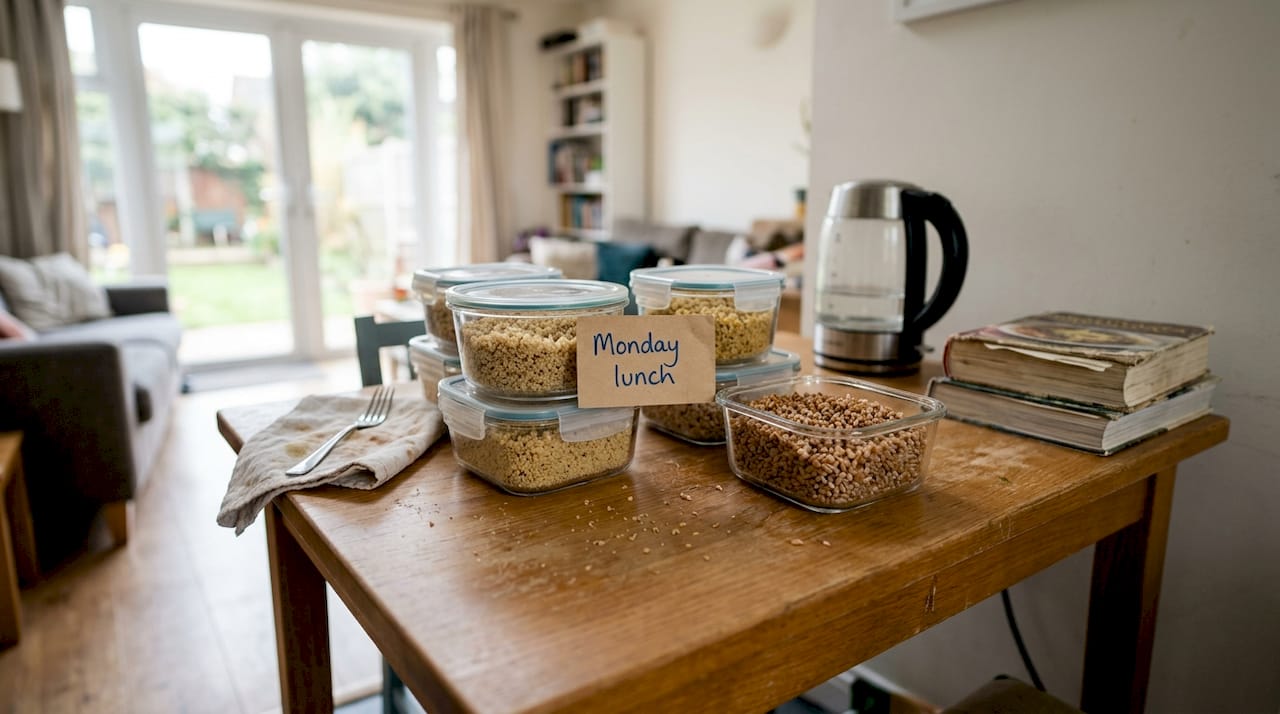
- Divide into portions across airtight containers. Label with the date.
- Prepare your add-ins separately: roast a tray of vegetables, cook a batch of chickpeas or lentils, and prepare a sauce or dressing.
- Assemble daily by combining your grain base with fresh or pre-cooked add-ins. Takes under five minutes.
For those with very limited time, pre-cooked grain pouches are a legitimate shortcut. They cost more per serving but require no cooking at all. Here’s how the two approaches compare:
| Method | Cost per serving | Convenience | Freshness | Customisation |
|---|---|---|---|---|
| Batch cooking | Low | Medium | High | Full control |
| Pre-cooked pouches | Higher | Very high | Medium | Limited |
The choosing ancient grains for health decision also involves thinking about wholegrain heart health over the long term. Batch cooking wins on nutrition and cost, but pouches beat it on speed when life gets genuinely hectic.
Pro Tip: Mixing two grains together, such as quinoa and bulgur, creates a more interesting texture and reduces the monotony that often causes people to abandon their meal prep routine after a few weeks.
Dietary considerations: gluten, cost, and digestive adjustment
Ancient grains are broadly beneficial, but they are not one-size-fits-all. Before committing to a weekly routine, it’s worth understanding the key dietary realities that could affect your experience.
Gluten status is the most important consideration. Not all ancient grains are gluten-free. Spelt and farro contain gluten, as does bulgur and freekeh, since all four are forms of wheat. If you have coeliac disease or a diagnosed gluten sensitivity, these grains are not suitable. The safe options are quinoa, amaranth, and teff, all of which are naturally gluten-free and offer strong nutritional profiles. You can find detailed guidance on what grains contain gluten and explore gluten-free ancient grains specifically suited to sensitive diets.
Cost varies significantly between grains. Quinoa tends to be the priciest due to its import status and growing popularity. Bulgur and farro are generally more affordable and widely available in UK supermarkets. Buying in bulk from health food retailers or online suppliers reduces cost per serving considerably, often by 30 to 40 per cent compared to supermarket prices.
Here are practical tips for managing cost and dietary needs:
- Buy quinoa, amaranth, and teff in larger bags from specialist retailers to reduce cost
- Rotate between more affordable grains like bulgur and farro during the working week
- Introduce ancient grains gradually if you’re new to high-fibre eating
- Pair with legumes to stretch portions further without compromising nutrition
- Keep a gluten-free grain option available even if you don’t have a sensitivity, for variety
Digestive adjustment is real and worth planning for. The fibre content in ancient grains is significantly higher than refined carbohydrates. If your current diet is low in fibre, jumping straight into daily ancient grain meals can cause bloating and discomfort. Increase your intake gradually over two to three weeks, drink plenty of water, and your digestive system will adapt without issue.
Our expert perspective: unlocking the benefits of ancient grain meal prep
Here’s something most meal prep guides won’t tell you: the grain you choose matters less than the consistency with which you rotate them. We see people invest heavily in quinoa, cook it every single week for months, and then wonder why their energy or digestion plateaus. The answer is almost always a lack of variety.
At Granavitalis, we believe the real nutritional power of ancient grains explained lies in their diversity as a group, not in any single grain’s superiority. Each grain brings a different combination of minerals, amino acids, and fibre types. Rotating weekly means your gut microbiome is exposed to a broader range of substrates, which research increasingly links to improved immune function and mood stability.
“Benefits stem from consuming grains whole or minimally processed and with variety. Highly processed wholegrain products may not deliver the same risk reduction as intact or minimally processed grains.”
The uncomfortable truth is that technique matters as much as ingredient choice. Overcooked grains lose texture and become unappetising, which is the fastest route to abandoning a prep routine. Learn each grain’s ideal cook time, taste as you go, and store correctly. Sustainable meal prep is built on meals you actually want to eat.
Level up your ancient grain meal prep with Granavitalis
You’ve built the foundation. Now it’s time to make those grain bowls genuinely exceptional. Ancient grains shine brightest when paired with quality plant-based add-ins that bring healthy fats, flavour, and extra nutrition to every meal.

At Granavitalis, we source ingredients that complement ancient grain meal prep perfectly. A spoonful of raw organic pecan butter stirred through a warm farro bowl adds richness, healthy fats, and a depth of flavour that no processed sauce can replicate. For variety across the week, our nut and seed butter box gives you multiple options to rotate alongside your grain bases. Explore the full range of ancient grain resources and meal prep inspiration at Granavitalis, where every product is chosen to support real-food strength and clean daily performance.
Frequently asked questions
Which ancient grains are best for gluten-free meal prep?
Quinoa, amaranth, and teff are naturally gluten-free and ideal for coeliac and gluten-sensitive diets; spelt, farro, bulgur, and freekeh all contain gluten and should be avoided.
How long can cooked ancient grains be stored in the fridge?
Most cooked grains can be safely refrigerated in airtight containers for three to five days, making them an efficient base for the entire working week.
Are ancient grains suitable for plant-based meal prep?
Yes, ancient grains suit plant-based diets particularly well, providing fibre, protein, and micronutrients that complement vegetables, legumes, and healthy fats in balanced bowls.
What are the main health benefits of ancient grain meal prep?
Regular consumption supports reduced heart disease risk, better blood sugar regulation, improved gut health, and sustained energy through the day, all driven by fibre and micronutrient content.
Is there a digestive adjustment period when switching to ancient grains?
Yes, the high fibre content can cause temporary bloating if introduced too quickly; a gradual two to three week transition with adequate hydration resolves this for most people.