
Why Choose Plant-Based Protein? Understanding Its Benefits
Plant-based protein is changing the face of modern nutrition, coming straight from legumes, grains, nuts, and seeds instead of animal products. Here is the kicker. Quinoa and amaranth are considered complete protein sources, meaning they contain all essential amino acids, just like meat does. Many people are surprised to learn you do not need animal protein at all to meet your daily nutritional needs and often end up with even more nutrients on a well-planned plant-based diet.
Table of Contents
- The Basics Of Plant-Based Protein: What Is It?
- Nutritional Advantages: Why Plant-Based Protein Matters
- How Plant-Based Proteins Support Overall Health
- Key Sources And Types Of Plant-Based Protein
- Understanding The Role Of Plant-Based Proteins In Diets
Quick Summary
| Takeaway | Explanation |
|---|---|
| Plant proteins are nutritionally rich. | They are packed with essential amino acids, vitamins, and minerals that enhance overall health compared to animal proteins. |
| Combine various plant sources for complete proteins. | Mixing legumes with grains optimises amino acid profiles, ensuring a complete protein intake comparable to that of animal sources. |
| Plant proteins support metabolic health. | They help regulate blood sugar levels, enhance weight management, and sustain energy through balanced nutrient profiles. |
| Plant-based diets are environmentally sustainable. | Choosing plant proteins reduces carbon footprints and promotes ecological health while meeting dietary needs. |
| Diverse sources enhance dietary flexibility. | Legumes, grains, and seeds offer numerous options, making it easy to adapt diets without sacrificing nutritional content. |
The Basics of Plant-Based Protein: What Is It?
Plant-based protein represents a nutritional powerhouse derived entirely from plant sources, offering a robust alternative to traditional animal-derived protein options. Unlike animal proteins, these protein sources originate from a diverse range of botanical ingredients such as legumes, grains, nuts, and seeds, delivering essential amino acids and nutritional benefits without relying on meat, dairy, or eggs.
Understanding Plant Protein Composition
At its core, plant-based protein comprises proteins extracted from various plant sources. These proteins are complex molecules made of amino acids that serve critical functions in human body processes. While plant proteins were historically considered “incomplete” compared to animal proteins, modern nutritional science has demonstrated their comprehensive nutritional potential.
Key characteristics of plant proteins include:
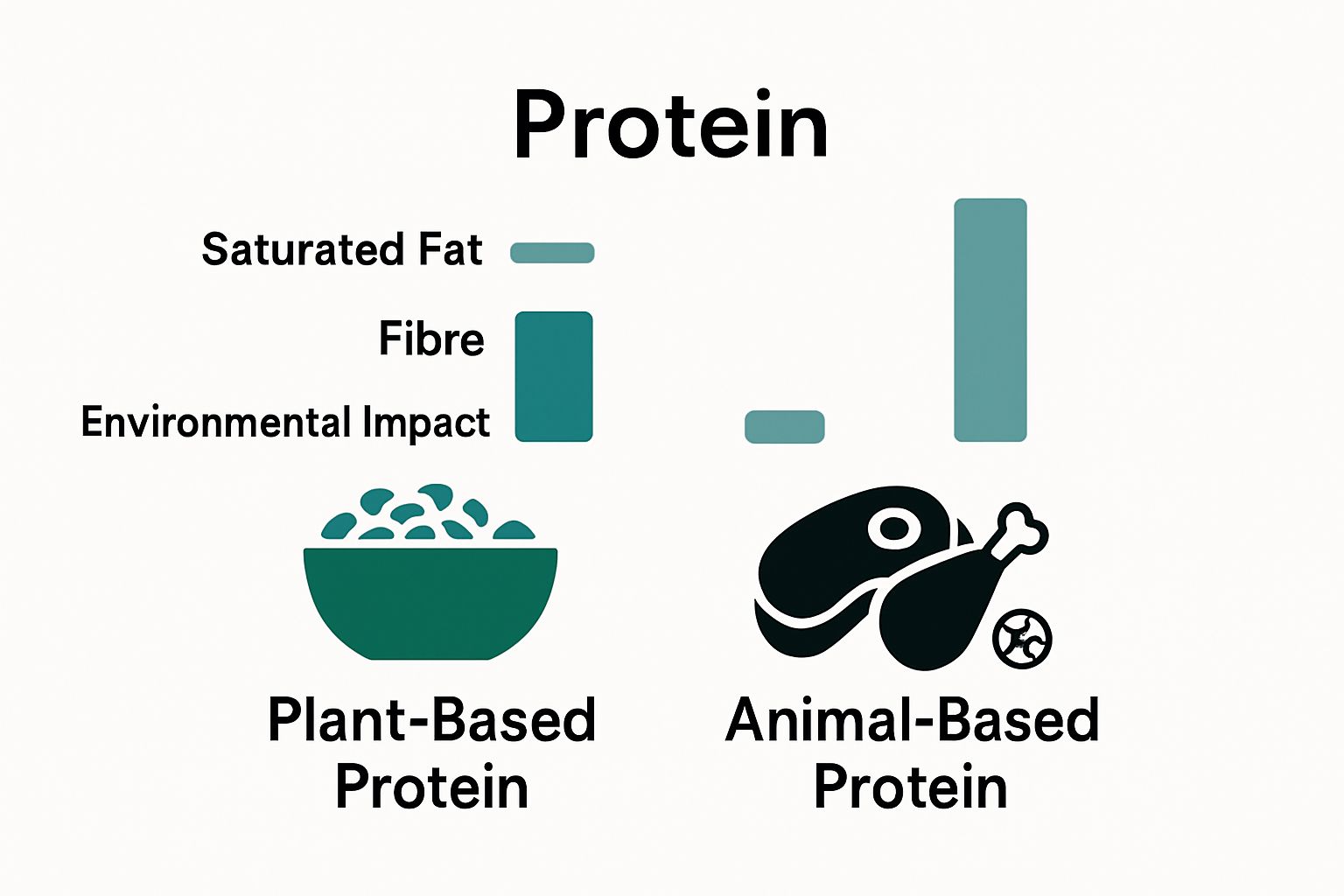
- Typically lower in saturated fat
- Rich in additional nutrients like fibre and antioxidants
- More environmentally sustainable compared to animal protein sources
- Often easier to digest for many individuals
According to Harvard School of Public Health, plant proteins can effectively meet human dietary requirements when consumed strategically and in appropriate combinations.
Protein Quality and Digestibility
Plant proteins differ from animal proteins in their amino acid profile and digestibility. While some plant proteins might be lower in specific essential amino acids, consuming a varied diet with multiple plant protein sources can ensure complete protein intake. For instance, combining legumes with whole grains creates a complementary amino acid profile that rivals animal protein quality.
Modern food science has significantly advanced our understanding of plant protein, demonstrating that with thoughtful dietary planning, individuals can meet and often exceed their protein requirements through plant-based sources. Learn more about our curated vegan protein sources to discover diverse and nutritious options for integrating plant proteins into your diet.
Nutritional Advantages: Why Plant-Based Protein Matters
Plant-based protein offers remarkable nutritional advantages that extend far beyond simple protein supplementation, providing a holistic approach to nutrition that supports overall health and wellness. By incorporating diverse plant protein sources into your diet, you unlock a range of benefits that contribute to long-term physiological and environmental well-being.
Comprehensive Nutritional Profile
Unlike traditional animal proteins, plant-based proteins come bundled with an impressive array of additional nutrients. These sources are not merely protein delivery systems but comprehensive nutritional packages that support multiple bodily functions. The intrinsic nutritional complexity of plant proteins means consumers receive more than just amino acids.
Key nutritional advantages include:
- Enhanced micronutrient intake through natural vitamins and minerals
- Higher fibre content supporting digestive health
- Reduced inflammatory markers compared to animal protein sources
- Balanced macronutrient profiles with lower saturated fat content
Research published in the Journal of Agricultural and Food Chemistry demonstrates that plant proteins consistently provide superior micronutrient profiles compared to isolated animal protein sources.
Metabolic and Long-Term Health Benefits
Plant-based proteins contribute significantly to metabolic health, offering mechanisms that support weight management, cardiovascular function, and sustainable energy production. The complex carbohydrates and additional nutrients accompanying plant proteins help stabilise blood sugar levels and provide prolonged satiety.
Moreover, the amino acid composition of plant proteins supports muscle maintenance and cellular repair processes. Explore our curated selection of plant-based protein sources to understand how strategic protein selection can transform your nutritional approach.
By choosing plant-based proteins, individuals make a conscious decision that benefits personal health while simultaneously supporting broader environmental sustainability goals.
To help readers grasp the key differences between plant-based and animal proteins, the table below compares their primary features, nutritional profiles, and health influences.
| Feature | Plant-Based Protein | Animal Protein |
|---|---|---|
| Source | Legumes, grains, nuts, seeds | Meat, dairy, eggs |
| Amino Acid Profile | Some sources incomplete; combinations yield complete | Typically complete |
| Fibre Content | High (especially in legumes and grains) | Low to none |
| Micronutrient Diversity | Rich in vitamins, minerals, and antioxidants | Varies; may lack fibre or certain phytonutrients |
| Saturated Fat Content | Usually low | Often higher, especially in red meat and dairy |
| Environmental Impact | Lower carbon footprint | Higher carbon footprint |
| Digestibility | Often easier for many individuals | Can be harder to digest for some |
| Associated Health Benefits | Supports metabolic health, lowers inflammation | Can increase risk of certain chronic diseases |

How Plant-Based Proteins Support Overall Health
Plant-based proteins represent a sophisticated nutritional approach that goes beyond mere protein intake, actively contributing to comprehensive health maintenance and disease prevention. By integrating diverse plant protein sources, individuals can unlock a multifaceted strategy for supporting bodily functions and long-term wellness.
Immune System and Cellular Protection
Plant proteins play a crucial role in bolstering immune system functionality through their rich antioxidant and anti-inflammatory properties. These proteins deliver essential micronutrients that help protect cellular structures from oxidative stress and support robust immune responses. Unlike isolated protein supplements, plant-based proteins come naturally packaged with protective phytonutrients that enhance cellular resilience.
Key immune-supporting characteristics include:
- Enhanced production of protective white blood cells
- Reduced systemic inflammation markers
- Natural antioxidant compounds that neutralise free radicals
- Support for complex immune signalling pathways
Research published in the Nutrients journal demonstrates that plant protein consumption correlates with improved immune system functioning and reduced chronic disease risks.
Metabolic Health and Hormonal Balance
Plant-based proteins contribute significantly to metabolic regulation by providing a steady, balanced nutrient profile that supports insulin sensitivity and hormonal equilibrium. The complex carbohydrates and fibre accompanying these proteins help modulate blood sugar levels, reducing metabolic stress and supporting consistent energy production.
Moreover, plant proteins offer a gentle yet effective mechanism for supporting hormonal balance, particularly beneficial during transitional life stages. Check out our comprehensive guide on vegan protein meals to explore strategic dietary approaches for optimal metabolic health.
By embracing plant-based proteins, individuals make a proactive choice towards holistic health management. These nutritional powerhouses deliver comprehensive benefits that extend far beyond traditional protein supplementation, supporting the body’s intricate physiological processes with natural, whole-food nutrition.
Key Sources and Types of Plant-Based Protein
Plant-based proteins represent a remarkably diverse nutritional landscape, offering an extensive array of sources that cater to varied dietary preferences and nutritional requirements. Understanding the different types and sources of plant proteins enables individuals to craft a balanced, nutrient-rich diet that supports optimal health and wellness.
Legume-Based Protein Sources
Legumes stand as nutritional powerhouses in the plant-based protein world, offering exceptional protein density and complementary nutritional profiles. Beans, lentils, chickpeas, and peas emerge as primary protein sources that deliver substantial amino acid combinations. These protein sources not only provide essential proteins but also contribute significant fibre, minerals, and complex carbohydrates to dietary intake.
Key legume protein characteristics include:
- High protein concentration per serving
- Excellent source of dietary fibre
- Low glycemic index supporting metabolic health
- Rich in essential micronutrients like iron and zinc
Research from the Journal of Agricultural and Food Chemistry confirms the exceptional nutritional complexity of legume-based proteins.
Grain and Seed Protein Varieties
Whole grains and seeds represent another critical category of plant-based proteins, offering unique nutritional profiles that complement legume sources. Quinoa, amaranth, chia seeds, and hemp seeds stand out as complete protein sources containing all essential amino acids. These protein sources provide additional benefits like omega-3 fatty acids, antioxidants, and sustained energy release.
The diversity of plant protein sources allows for creative dietary combinations that maximise nutritional intake. Discover our curated selection of plant-based protein supplements to explore innovative ways of incorporating these nutritional powerhouses into your diet.
By understanding and embracing the wide spectrum of plant-based protein sources, individuals can design nutritionally sophisticated dietary strategies that support comprehensive health and wellness goals.
This table summarises major categories of plant-based protein sources highlighted in the article, including their key nutritional characteristics for easy reference.
| Category | Notable Examples | Protein Feature | Additional Benefits |
|---|---|---|---|
| Legumes | Beans, lentils, chickpeas | High protein, fibre-rich | Good source of iron and zinc |
| Grains | Quinoa, amaranth | Some are complete proteins | Sustained energy, micronutrient-rich |
| Seeds | Chia, hemp | Often complete proteins | Omega-3 fatty acids, antioxidants |
| Nuts | Almonds, cashews | Moderate protein | Healthy fats, minerals, vitamin E |
Understanding the Role of Plant-Based Proteins in Diets
Plant-based proteins have emerged as a fundamental component of modern nutritional strategies, transcending traditional dietary paradigms and offering sophisticated approaches to holistic health management. Their integration into diverse dietary frameworks represents more than a trend—it is a scientifically grounded nutritional evolution that addresses multiple physiological and environmental considerations.
Dietary Flexibility and Nutritional Adaptation
Plant-based proteins demonstrate remarkable versatility across different dietary patterns, from strict vegan nutrition to flexitarian approaches. Dietary adaptation becomes seamless with plant proteins, enabling individuals to modify nutritional intake without compromising protein quality or overall nutritional balance. These protein sources allow for nuanced dietary modifications that support individual health goals and metabolic requirements.
Key dietary integration advantages include:
- Compatibility with multiple dietary philosophies
- Easy substitution in traditional recipes
- Scalable protein intake strategies
- Reduced reliance on single protein sources
Nutritional research published in the European Journal of Nutrition confirms the significant potential of plant proteins in supporting diverse dietary needs.
Metabolic and Performance Considerations
Contrary to historical misconceptions, plant-based proteins effectively support metabolic functions and physical performance. Strategic protein combinations and thoughtful dietary planning enable athletes, fitness enthusiasts, and active individuals to meet protein requirements through entirely plant-derived sources. The complex nutrient profiles of these proteins support sustained energy release, muscle recovery, and metabolic efficiency.
Explore our comprehensive guide to vegan protein meals to understand how plant-based proteins can be strategically incorporated into performance-oriented nutrition.
By embracing plant-based proteins, individuals unlock a sophisticated nutritional approach that transcends traditional dietary boundaries, supporting personal health while contributing to broader environmental sustainability objectives.
Elevate Your Morning with Complete Plant-Based Protein
Understanding the true value of plant-based protein means breaking free from the cycle of low-nutrient breakfasts and setting a positive tone for your entire day. Many people struggle with finding foods that deliver sustained energy and essential nutrients—not just empty calories. By choosing the right source of plant-based protein, you fuel your body with amino acids, fibre, and antioxidants, as highlighted in our article.
Experience the difference with Vegan Protein Powders from Granavitalis. Each product is rooted in tradition and carefully chosen to support genuine wellness. Imagine starting your morning feeling energised, satisfied, and supported, thanks to high-quality protein and nutrient-rich ancient grains.
Make today the day you move away from crash-and-burn breakfasts. Visit Granavitalis to explore the full range of protein-rich, wholesome offerings, or browse our Protein Power Packs for a targeted boost. Embrace a breakfast that helps you thrive—not just survive. Try it now and take the first step towards lasting vitality.
Frequently Asked Questions
What are the main benefits of plant-based protein?
Plant-based proteins provide numerous benefits including lower saturated fat content, higher fibre intake, better micronutrient profiles, and reduced inflammation markers compared to animal proteins, promoting overall health and wellness.
How can I ensure I get all essential amino acids from plant-based protein?
To obtain a complete amino acid profile from plant-based protein, it is important to consume a varied diet that includes complementary sources, such as pairing legumes with whole grains, which together can provide all essential amino acids.
Are plant-based proteins easier to digest than animal proteins?
Many individuals find plant-based proteins easier to digest due to their lower saturated fat content and the presence of dietary fibre, which can aid digestion and promote gut health.
Can plant-based protein support muscle maintenance and recovery?
Yes, plant-based proteins can effectively support muscle maintenance and recovery due to their adequate amino acid composition and the presence of additional nutrients that contribute to overall recovery and health.