
8 Essential Plant-Based Protein Sources List for UK Diets
Did you know that over 80 percent of people miss out on the full benefits of plant based protein sources every day? These nutrient rich foods go far beyond just protein, offering key vitamins, minerals, and fiber that support muscle strength and overall wellness. Whether you want steady energy, easier digestion, or simple ways to fill nutritional gaps, these whole food options deliver a powerful upgrade for any diet.
Table of Contents
- 1. Ancient Grains: Amaranth, Quinoa, and Millet Benefits
- 2. Legumes: Lentils, Chickpeas, and Beans for Nutrient Power
- 3. Nuts and Seeds: Easy Protein Boosters for Any Meal
- 4. Soy Products: Tofu and Tempeh for Complete Protein
- 5. Vegan Protein Powders: Simple Upgrades for Breakfasts
- 6. Whole Oats and Buckwheat: Versatile Fibre-Rich Options
- 7. Peas and Pea Protein: Quick Additions for Muscle Support
- 8. Green Vegetables: Spinach, Broccoli, and Pea Shoots
Quick Summary
| Takeaway | Explanation |
|---|---|
| 1. Incorporate ancient grains for health benefits. | Amaranth, quinoa, and millet offer protein, minerals, and antioxidants in gluten-free forms. |
| 2. Add legumes to boost plant-based nutrition. | Lentils, chickpeas, and beans provide essential minerals and help manage cholesterol levels. |
| 3. Use nuts and seeds for easy protein enhancements. | Almonds and chia seeds add healthy fats and protein to various meals effortlessly. |
| 4. Include tofu and tempeh for complete protein. | These soy products deliver versatile, high-protein options with additional gut health benefits. |
| 5. Experiment with vegan protein powders in breakfasts. | Plant-based protein powders enrich smoothies and other meals, offering 15-25 grams of protein per serving. |
1. Ancient Grains: Amaranth, Quinoa, and Millet Benefits
Welcome to the world of ancient grains, where nutritional powerhouses meet delicious wholefood options. Amaranth, quinoa, and millet are not just trendy food choices, but time-tested nutritional champions that can transform your dietary approach.
These remarkable grains bring extraordinary nutritional profiles that go far beyond standard wheat or rice. According to nutritional research, they are gluten free grains packed with impressive protein content, essential minerals like calcium, iron, zinc, and potassium, and powerful bioactive compounds with antioxidant properties.
Let’s break down their incredible benefits. Amaranth offers complete protein with all essential amino acids, making it a stellar choice for plant based diets. Quinoa provides remarkable mineral density and helps support metabolic health. Millet brings unique digestibility and steady energy release, perfect for maintaining balanced nutrition.
For practical implementation, consider incorporating these grains into your morning porridge, adding them to salads, using as rice alternatives, or creating protein packed breakfast bowls. Learn more about ancient grains in our comprehensive guide on nourishing examples of ancient grains.
By choosing these ancient grains, you are not just eating food. You are embracing a nutritional strategy that supports long term wellness, reduces chronic disease risks, and connects you with time honoured dietary wisdom.
2. Legumes: Lentils, Chickpeas, and Beans for Nutrient Power
Prepare to discover the incredible world of legumes - nature’s nutritional treasure troves that pack a serious protein punch. Lentils, chickpeas, and beans are not just humble ingredients, but powerful allies in your quest for balanced plant based nutrition.
These remarkable legumes are nutritional superheroes offering far more than protein. According to nutritional research, they provide significant amounts of essential minerals including iron, calcium, magnesium, and B-vitamins that support energy metabolism and overall health. Their extraordinary composition contributes to cardiovascular wellness and helps control cholesterol levels.
Each legume brings unique benefits. Lentils offer quick cooking times and remarkable protein density. Chickpeas provide incredible versatility from hummus to salads. Beans deliver sustained energy and substantial fiber content. Together, they create a nutritional powerhouse that supports muscle development, digestive health, and metabolic balance.
Practical integration is straightforward. Add lentils to soups, sprinkle chickpeas in salads, incorporate beans into stews, or create protein packed veggie burgers. Explore more about plant based protein sources in our comprehensive guide.
By embracing these legumes, you are not just eating food. You are choosing a nutritional strategy that supports sustained energy, promotes heart health, and connects you with wholesome plant based eating.
3. Nuts and Seeds: Easy Protein Boosters for Any Meal
Nuts and seeds are the unsung heroes of plant based nutrition, offering compact protein powerhouses that can transform your meals with minimal effort. These tiny nutritional gems pack an incredible punch of protein, healthy fats, and essential micronutrients.
From almonds to chia seeds, these nutritional superstars deliver protein in the most convenient package possible. Protein diversity matters, and nuts and seeds provide a range of amino acid profiles that support muscle recovery, sustained energy, and overall metabolic health. Walnuts, pumpkin seeds, sunflower seeds, and almonds stand out as particularly potent protein sources that can easily integrate into your daily diet.
Practical integration is remarkably simple. Sprinkle seeds on morning porridge, blend nuts into smoothies, add them to salads, or enjoy as quick snacking options. A handful of mixed nuts can deliver 5 to 7 grams of protein, making them an effortless nutritional upgrade. Explore more strategies for boosting plant based protein in our comprehensive guide.
By embracing nuts and seeds, you are not just adding protein. You are introducing nutrient dense, convenient fuel that supports your body’s complex nutritional needs with zero compromise on taste or convenience.
4. Soy Products: Tofu and Tempeh for Complete Protein
Tofu and tempeh represent nature’s most sophisticated plant protein engineering designed to nourish and support your body with remarkable efficiency. These soy based powerhouses are not just meat alternatives, but nutritional champions delivering complete protein profiles that rival animal sources.
Tofu offers incredible versatility, absorbing flavours while providing a silky texture that transforms across cuisines. Its protein content ranges from 8 to 15 grams per serving, making it a stellar choice for muscle maintenance and recovery. Tempeh, with its fermented profile, brings additional gut health benefits alongside its robust protein punch, delivering approximately 16 to 20 grams of protein per serving.
Practical integration is wonderfully simple. Crumble tempeh into stir fries, marinate tofu for grilling, blend into smoothies, or create hearty plant based meals that satisfy and nourish. Different preparation methods unlock varied textures and flavour experiences. Discover more creative ways to incorporate vegan protein into your meals with our comprehensive guide.
By embracing tofu and tempeh, you are choosing more than protein. You are selecting nutrient dense, sustainable food that supports your body and the planet with every delicious bite.
5. Vegan Protein Powders: Simple Upgrades for Breakfasts
Vegan protein powders are the secret weapon for transforming ordinary breakfasts into nutritional powerhouse meals that fuel your body and mind. These concentrated plant based protein sources offer a quick, convenient method to elevate your morning nutrition with minimal effort.
From pea protein to hemp and brown rice blends, vegan protein powders bring remarkable versatility to your breakfast routine. Protein diversity matters, and these powders deliver complete amino acid profiles that support muscle recovery, sustained energy, and metabolic health. They blend seamlessly into porridges, smoothies, pancake batters, and morning yoghurts, providing 15 to 25 grams of protein per serving.
Practical integration is brilliantly simple. Blend into morning porridge, mix into overnight oats, create protein packed smoothie bowls, or even bake into morning muffins. The key is experimenting with flavours and finding your perfect nutritional rhythm. Discover expert tips for selecting and using natural plant based protein powders in our comprehensive guide.
By embracing vegan protein powders, you are not just adding nutrition. You are crafting breakfast experiences that nourish, energise, and support your body’s complex needs with delicious simplicity.
6. Whole Oats and Buckwheat: Versatile Fibre-Rich Options
Whole oats and buckwheat represent nutritional superheroes that transform ordinary meals into powerful wellness experiences. These ancient grains offer far more than simple sustenance, delivering incredible health benefits wrapped in delicious packages.
According to dietary research, incorporating whole oats and buckwheat can significantly enhance fiber intake, supporting heart health and aiding weight management. Oats bring soluble fiber that helps lower cholesterol, while buckwheat offers complete proteins and remarkable mineral profiles. Their nutritional complexity means you are not just eating food, but consuming carefully crafted fuel for your body.
Practical integration is wonderfully straightforward. Use rolled oats for morning porridges, create buckwheat pancakes, blend into smoothies, or use as alternative flour in baking. Both grains absorb flavours brilliantly, making them incredibly versatile kitchen staples. Discover more about fiber rich breakfast options in our comprehensive guide.
By choosing whole oats and buckwheat, you are selecting more than ingredients. You are embracing ancient nutritional wisdom that supports sustained energy, digestive health, and overall wellness with every delicious bite.
7. Peas and Pea Protein: Quick Additions for Muscle Support
Peas and pea protein represent the unsung heroes of plant based muscle nutrition, delivering powerful protein packages that can transform your fitness and recovery strategy. These green gems are more than simple vegetables they are nutritional powerhouses designed to support your body’s complex needs.
Pea protein stands out as an exceptional muscle support source, offering a complete amino acid profile that rivals animal proteins. Protein absorption happens rapidly, making it ideal for post workout recovery and muscle maintenance. Its hypoallergenic nature means it works wonderfully for individuals with sensitivities to dairy or soy based proteins, providing 20 to 25 grams of protein per serving.
Practical integration is remarkably straightforward. Blend pea protein into morning smoothies, mix into porridge, create protein packed energy balls, or use as a post workout shake. Whole peas can be added to salads, soups, and stews for additional nutritional boost. Explore more about plant based protein strategies in our comprehensive vegetarian protein guide.
By choosing peas and pea protein, you are not just consuming protein. You are selecting a nutritional ally that supports muscle development, energy metabolism, and overall wellness with plant powered precision.
8. Green Vegetables: Spinach, Broccoli, and Pea Shoots
Green vegetables are nutritional symphonies that transform ordinary meals into powerful wellness experiences. Spinach, broccoli, and pea shoots are not just side dishes, but nutritional powerhouses packed with essential vitamins, minerals, and plant based proteins.
According to the NHS, these vibrant green vegetables contribute significantly to overall health and well being. Protein diversity matters, and these greens offer surprising protein content alongside remarkable micronutrient profiles. Spinach provides iron and calcium, broccoli delivers robust vitamin C and antioxidants, while pea shoots bring concentrated nutrients that support cellular health and energy metabolism.
Practical integration is wonderfully simple. Add raw spinach to smoothies, roast broccoli as a side dish, sprinkle pea shoots on salads, blend into morning juices, or create nutrient dense stir fries. Each green vegetable brings unique flavours and nutritional benefits that can elevate your daily meals from mundane to magnificent. Explore more about incorporating vegetables into your diet with our comprehensive nutrition guide.
By choosing these green vegetables, you are not just eating food. You are selecting living nutrition that supports your body’s complex needs, boosts immune function, and connects you with the healing power of plant based eating.
Below is a comprehensive table summarising the key nutritional benefits and practical uses of various plant-based foods discussed throughout the article.
| Category | Key Nutritional Benefits | Practical Uses |
|---|---|---|
| Ancient Grains | Rich in protein, minerals like calcium & iron; gluten free. | Used in porridge, salads, and as rice alternatives. |
| Legumes | High in essential minerals and B-vitamins; aid cardiovascular health and cholesterol control. | Added to soups, salads, stews, and veggie burgers. |
| Nuts and Seeds | Provide compact protein, healthy fats, and diverse amino acids. | Sprinkled on porridge, blended in smoothies, as snacks. |
| Soy Products | Complete protein profiles with gut health benefits (tempeh). | Used in stir fries, grilled dishes, or smoothies. |
| Vegan Protein Powders | Offer diverse amino acids, supporting muscle and metabolic health. | Mixed in smoothies, oats, pancakes, and muffins. |
| Whole Oats & Buckwheat | Enhance fibre intake, support heart health, low cholesterol. | Used for porridge, pancakes, smoothies, and baking. |
| Peas and Pea Protein | Deliver rapid protein absorption, support muscle and energy metabolism. | Blended in smoothies, used in energy balls, shakes. |
| Green Vegetables | Offer essential vitamins, minerals, and proteins; boost immune and cellular health. | Integrated in smoothies, salads, roasted dishes. |
Elevate Your Plant-Based Protein with Nutrient-Rich Options from Granavitalis
The challenge of meeting your daily protein needs on a plant-based diet can feel overwhelming—especially when seeking variety and nourishment without compromise. This guide on essential plant-based protein sources highlights the importance of complete proteins, nutrient diversity, and sustainable choices that align with your health goals. If you want to move beyond quick-fix options and truly fuel your body with time-honoured nutrition, Granavitalis has the solution.
Explore our specially curated Protein Power Packs designed to seamlessly integrate ancient grains and high-quality proteins into your routine. Whether you are enhancing your breakfast or crafting balanced meals, our offerings support muscle repair, sustained energy, and overall wellbeing.
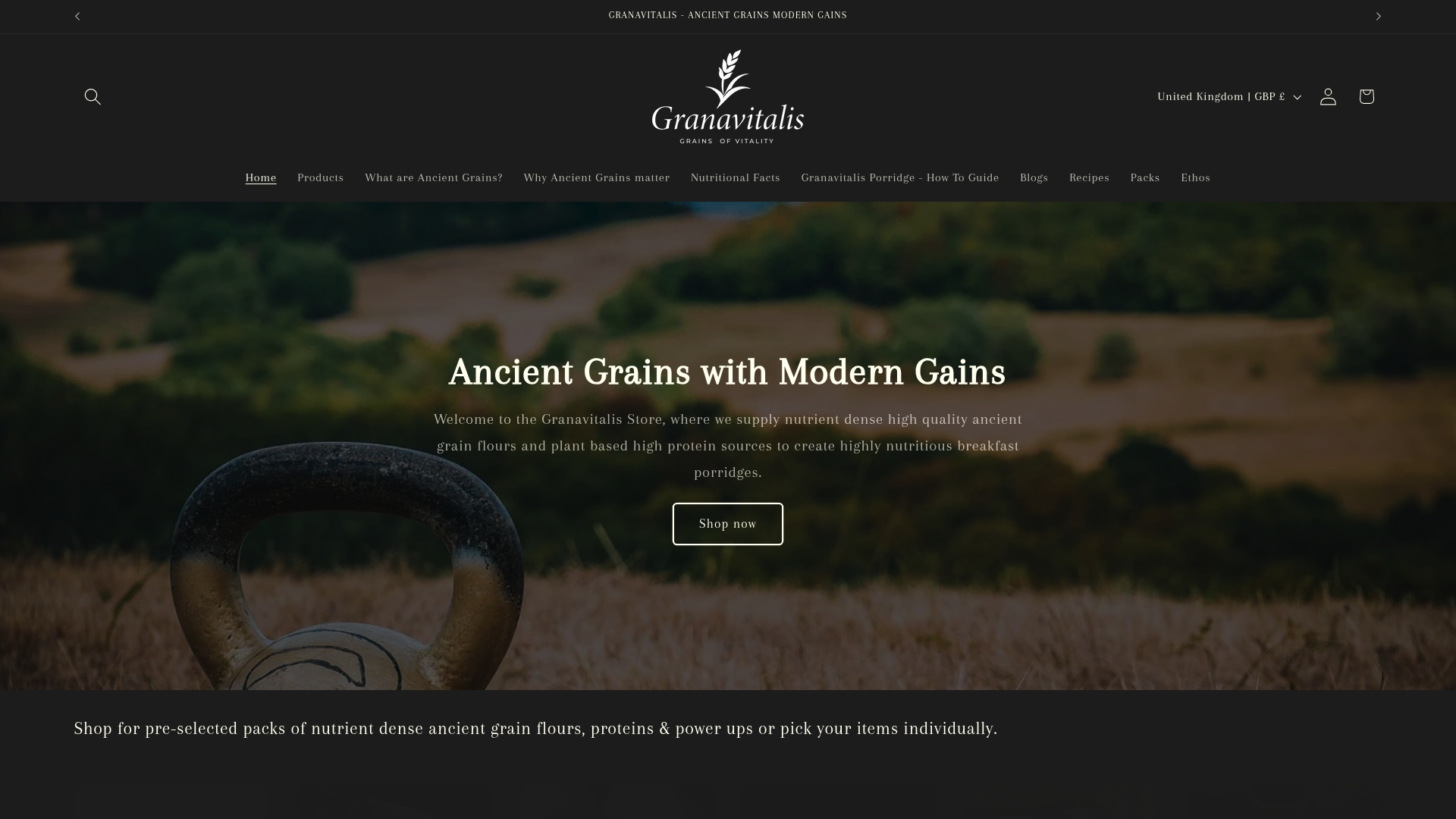
Discover how to transform your nutrition starting today with premium ingredients that respect tradition and modern health. Take the next step and visit Granavitalis to browse our Vegan Protein Powders and carefully selected Metabolic Advantage Pack. Nourish yourself the way nature intended and embrace a stronger tomorrow.
Frequently Asked Questions
What are the best plant-based protein sources for UK diets?
Amaranth, quinoa, lentils, chickpeas, tofu, and pea protein are among the best plant-based protein sources for UK diets. Incorporate a variety of these into your meals to ensure you get a balance of essential amino acids and nutrients.
How can I incorporate ancient grains like quinoa and millet into my meals?
You can add quinoa and millet to salads, use them as rice alternatives, or make hearty breakfast bowls with fruits and nuts. Start by replacing half of your regular rice with quinoa or millet to enhance your meals with additional protein and nutrition.
What are some easy recipes using legumes for protein?
You can create lentil soups, chickpea salads, or make bean-based veggie burgers. Try preparing a simple lentil soup with garlic, onions, and spices for a protein-rich meal in under 30 minutes.
How can I boost my smoothie with plant-based protein?
Add vegan protein powder, tofu, or nut butters to your smoothies to increase protein content. For example, mixing 1 scoop of vegan protein powder can provide 15 to 25 grams of protein per serving, enhancing your breakfast or post-workout shake.
What role do nuts and seeds play in a plant-based diet?
Nuts and seeds provide healthy fats, fiber, and protein, making them excellent additions to plant-based diets. Sprinkle a handful—around ¼ cup—on salads or oatmeal to boost both nutrition and satiety.
How do I choose the right protein sources for muscle recovery?
Select protein sources that offer complete amino acid profiles, such as tempeh, lentils, or pea protein. Combine these with a source of carbohydrates within 30–60 minutes post-workout to optimize recovery.