
Why Plant-Based Protein Matters for UK Wellness
Bold nutritional science now shows that over 60 percent of British adults are actively seeking plant-based protein options for optimal health and fitness. As demand for sustainable nutrition grows across the United Kingdom, British consumers are rethinking old myths about plant protein and discovering its powerful benefits for post-workout recovery and everyday wellness. With cutting-edge research, practical tips, and a comprehensive guide to the best sources, this article empowers you to make informed choices for a balanced plant-based lifestyle.
Table of Contents
- Plant-Based Protein Defined and Debunked
- Main Types and Sources in the UK
- Nutritional Strengths and Health Benefits
- Performance, Recovery and Everyday Wellness
- Environmental Impact and Cost Comparison
- Avoiding Pitfalls and Maximising Benefits
Key Takeaways
| Point | Details |
|---|---|
| Plant-Based Proteins are Nutritionally Complete | Recent studies show that plant proteins contain all essential amino acids needed for human health, debunking myths of their inferiority to animal proteins. |
| Diverse Sources and Their Benefits | Incorporating varied plant protein sources like legumes, grains, and seeds supports muscle development and metabolic functions while enhancing overall wellness. |
| Environmental and Economic Advantages | Plant-based protein production is more sustainable, requiring less water and land, thus reducing environmental impact and supporting climate goals. |
| Mindful Nutritional Planning is Key | Transitioning to plant-based diets necessitates careful planning to avoid potential nutrient deficiencies and ensure a balanced intake of essential vitamins and minerals. |
Plant-Based Protein Defined and Debunked
Plant-based protein represents a nutritional powerhouse gaining significant momentum in the United Kingdom’s wellness landscape. At its core, plant protein refers to protein derived from sources like legumes, nuts, seeds, whole grains, and plant-based alternatives that offer comprehensive amino acid profiles. Contrary to outdated misconceptions, recent research reveals plant proteins are nutritionally complete and capable of supporting diverse health requirements.
The protein composition in plant sources is remarkably versatile. Unlike traditional assumptions, plants contain all nine essential amino acids required for human physiological function. Protein quality isn’t determined by origin but by the amino acid balance and digestibility. In fact, government investment signals growing recognition of plant protein’s potential, with substantial funding allocated towards advancing alternative protein research and development.
Common myths surrounding plant proteins persist, yet scientific evidence consistently challenges these misconceptions. Many individuals erroneously believe plant proteins are incomplete or inferior to animal-based proteins. However, comprehensive nutritional studies demonstrate that well-planned plant-based diets can provide adequate protein for all life stages, from childhood through advanced age. Whole food sources like quinoa, lentils, chickpeas, and tempeh offer robust protein profiles that support muscle development, metabolic functions, and overall wellness.
Pro tip: Gradually introduce diverse plant protein sources into your diet by experimenting with one new protein-rich ingredient each week to discover delicious, nutritionally complete alternatives.
Main Types and Sources in the UK
The United Kingdom boasts a diverse and rapidly evolving landscape of plant-based protein sources, reflecting growing consumer interest in sustainable and nutritious alternatives. Plant protein agriculture in the UK encompasses a wide range of crops, with legumes, grains, and emerging novel sources forming the cornerstone of this nutritional revolution.
Traditional legume sources dominate the plant protein spectrum, with peas, lentils, and beans leading the charge. These protein-rich powerhouses offer exceptional nutritional profiles, providing essential amino acids and additional health benefits. Whole grains like quinoa, amaranth, and buckwheat complement legumes, creating comprehensive protein combinations that support muscle development and metabolic functions. More innovative sources are also emerging, including protein-dense options like hemp seeds, chia, and emerging alternatives such as fungi and algae-based proteins.
Emerging protein technologies in the UK are transforming how consumers approach plant-based nutrition. The market now includes sophisticated meat alternatives, dairy replacements, and protein-enriched products that cater to diverse dietary preferences. These innovations go beyond simple substitution, offering carefully crafted nutritional profiles that meet the complex demands of health-conscious consumers. Notably, sources like soybeans, chickpeas, and green peas are being leveraged not just for their protein content, but for their potential to support sustainable agricultural practices.
Pro tip: Explore local farmers’ markets and specialty grocers to discover unique, locally sourced plant protein varieties that can diversify your nutritional intake.
Here’s a concise comparison of popular plant-based protein sources and their key nutritional attributes:
| Source | Protein Content (per 100g) | Notable Nutrients | Typical UK Use |
|---|---|---|---|
| Lentils | 9g | Iron, folate, fibre | Soups, salads |
| Chickpeas | 7g | Manganese, magnesium | Hummus, curries |
| Tofu | 15g | Calcium, iron | Stir-fries, sandwiches |
| Quinoa | 4g | Zinc, magnesium | Grain bowls, salads |
| Hemp seeds | 30g | Omega-3, vitamin E | Porridge, baking |
| Tempeh | 19g | Probiotics, phosphorus | Stir-fries, grilling |
Nutritional Strengths and Health Benefits
Plant-based meat alternatives offer remarkable health advantages that extend far beyond traditional nutritional expectations. Plant proteins emerge as powerful nutritional allies, delivering comprehensive wellness benefits that support cardiovascular health, metabolic function, and long-term disease prevention. Unlike animal-based proteins, these nutrient-dense sources provide essential amino acids while simultaneously reducing saturated fat and cholesterol intake.

The nutritional profile of plant-based proteins presents a holistic approach to wellness. These protein sources are naturally rich in fiber, antioxidants, and micronutrients that support immune function and cellular health. Legumes, whole grains, and nuts contribute not just protein, but complex carbohydrates, healthy fats, and vital minerals like magnesium, iron, and zinc. Research consistently demonstrates that individuals consuming diverse plant protein diets experience lower risks of chronic conditions including heart disease, type 2 diabetes, and certain metabolic disorders.
Governmental nutritional strategies increasingly recognise plant-based foods as critical components of a balanced diet. The scientific community now emphasises that plant proteins can meet and often exceed the nutritional requirements traditionally associated with animal-based proteins. Innovative processing techniques have further enhanced the bioavailability and palatability of plant protein sources, making them more accessible and appealing to health-conscious consumers seeking sustainable nutrition strategies.
Pro tip: Gradually integrate plant proteins by replacing one animal protein meal per week with a nutrient-rich plant-based alternative to optimise your dietary transition.
Performance, Recovery and Everyday Wellness
Plant-based proteins play a crucial role in athletic performance and recovery, challenging traditional assumptions about nutritional capabilities. These nutrient-dense sources provide comprehensive amino acid profiles that support muscle repair, reduce inflammation, and enhance overall physical resilience. Unlike conventional protein sources, plant proteins offer a holistic approach to wellness that extends beyond simple muscle maintenance, supporting metabolic function and long-term health objectives.
The nutritional complexity of plant proteins makes them exceptional for everyday wellness and high-performance demands. Legumes, whole grains, and specialised protein blends deliver sustained energy, accelerate muscle recovery, and provide essential micronutrients that support immune function. Athletes and active individuals are increasingly recognising that carefully planned plant-based diets can meet and often exceed nutritional requirements, offering anti-inflammatory benefits and improved metabolic efficiency.
Emerging research from sports nutrition experts demonstrates that diverse plant protein sources can effectively support muscle synthesis and recovery processes. The key lies in consuming a varied diet that combines different plant proteins to ensure a complete amino acid profile. From endurance athletes to strength trainers, individuals are discovering that plant-based nutrition can provide powerful performance support while contributing to long-term health and sustainable dietary practices.
Pro tip: Experiment with protein-rich plant combinations like quinoa with legumes to create complete protein meals that support your fitness and recovery goals.
Environmental Impact and Cost Comparison
UK government sustainability research demonstrates profound environmental advantages of plant-based protein production. Compared to traditional animal protein sources, plant proteins significantly reduce water consumption, land usage, and greenhouse gas emissions. This ecological efficiency translates into tangible benefits for the United Kingdom’s ambitious Net Zero targets, presenting a compelling case for dietary transformation that extends beyond individual nutrition.
The economic landscape of protein production reveals compelling cost dynamics. Plant-based protein sources require substantially less agricultural infrastructure, reducing both financial investment and environmental degradation. Crops like legumes, quinoa, and hemp not only provide superior protein yields but also contribute to soil health, biodiversity, and sustainable farming practices. These multifaceted benefits challenge traditional livestock farming models, offering a more resource-efficient and economically resilient approach to food production.
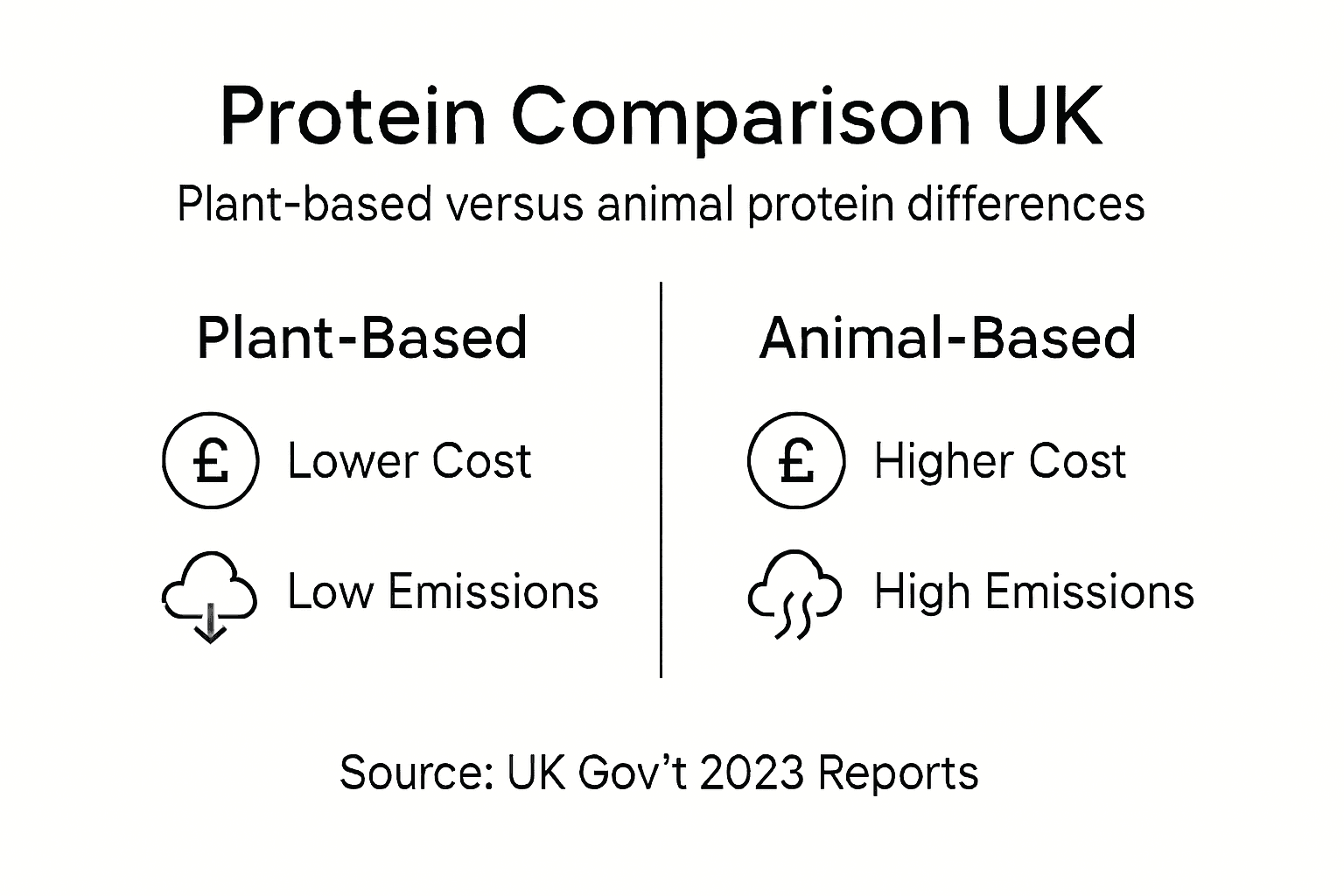
National food strategies increasingly prioritise plant-based agricultural transitions as a critical pathway to environmental sustainability. By supporting farmers in developing crop diversity and plant protein production, the UK can simultaneously address climate challenges, enhance food security, and create new economic opportunities. The environmental cost savings are substantial: reduced methane emissions, lower water requirements, and minimised land use present a transformative approach to sustainable nutrition.
Pro tip: Calculate your personal dietary carbon footprint and experiment with plant-based protein replacements to understand your potential environmental impact.
The following table summarises environmental and economic aspects of plant versus animal protein production:
| Aspect | Plant-Based Protein | Animal-Based Protein |
|---|---|---|
| Water Use | Low | High |
| Land Required | Modest | Extensive |
| Greenhouse Gases | Minimal emissions | Significant emissions |
| Production Cost | Generally less expensive | Higher input costs |
| Biodiversity | Supports crop diversity | Often reduces diversity |
Avoiding Pitfalls and Maximising Benefits
Scientific guidance highlights critical nutritional considerations for successful plant-based protein integration. Transitioning to plant proteins requires strategic planning to ensure comprehensive nutritional intake. Common pitfalls include potential micronutrient deficiencies, particularly in vitamin B12, iodine, iron, and omega-3 fatty acids, which demand careful dietary management and potentially targeted supplementation.
A holistic approach to plant-based nutrition involves understanding protein diversity and complementary food combinations. Not all plant proteins are created equal, and individuals must learn to combine protein sources to create complete amino acid profiles. Legumes paired with whole grains, nuts mixed with seeds, and carefully selected protein blends can overcome potential protein quality limitations. Mindful meal planning, understanding nutritional requirements, and potentially consulting with nutritional experts can help navigate potential dietary gaps.
The journey towards optimal plant-based nutrition involves continuous learning and adaptation. Regular health screenings, blood tests to monitor nutrient levels, and staying informed about latest nutritional research are crucial strategies. Some individuals may require personalised nutritional guidance to ensure their plant-based diet meets individual metabolic needs, particularly for athletes, pregnant women, growing children, and those with specific health conditions.
Pro tip: Consult a registered dietitian specialising in plant-based nutrition to develop a personalised nutritional strategy that addresses your specific dietary requirements and health goals.
Embrace Nutrient-Dense Plant-Based Protein for Lasting UK Wellness
The journey to optimal wellness begins with recognising the power of plant-based protein to support strength, recovery and everyday energy. This article highlights common challenges such as achieving complete amino acid profiles and avoiding nutritional gaps that many face when transitioning to plant proteins. At Granavitalis, we understand these concerns and offer thoughtfully crafted solutions rooted in ancient grains, premium nuts and clean plant-proteins to fuel your body with wholefood vitality.
Discover a wide selection of Vegan Protein Powders – Granavitalis designed to provide balanced nutrition and support metabolic function. Whether you are following a plant-focused diet or looking to diversify your protein sources, our premium options deliver purity and performance without compromise.

Take the next step toward sustained well-being and clean energy by exploring our range at Granavitalis. Fuel your lifestyle with mindful power-ups and nutrient-dense foods that honour tradition and support your modern wellness goals today.
Frequently Asked Questions
What are the main sources of plant-based protein?
Plant-based protein sources include legumes like lentils and chickpeas, whole grains such as quinoa and buckwheat, nuts, seeds, and innovative options like algae and fungi-based proteins.
Are plant-based proteins nutritionally complete?
Yes, recent research shows that many plant proteins contain all nine essential amino acids needed for human health, making them nutritionally complete when planned correctly.
How can I effectively incorporate plant-based proteins into my diet?
To effectively incorporate plant-based proteins, gradually introduce a diverse range of sources, experiment with one new protein-rich ingredient weekly, and combine different sources like legumes with whole grains to create complete proteins.
What are the health benefits of consuming plant-based proteins?
Plant-based proteins can support cardiovascular health, enhance metabolic function, and reduce the risk of chronic diseases, while also providing essential nutrients like fibre, vitamins, and minerals.
Recommended
- Lean Plant Protein: Enhancing Recovery and Wellness – Granavitalis
- Why Use Vegan Protein Powders for Everyday Wellness – Granavitalis
- 7 Best Plant Based Protein Powders for Every Need – Granavitalis
- Complete Guide to the Role of Plant Based Proteins – Granavitalis
- Meniu 3 mese Vegan – Fresh Fitness Food