
Plant-Based Foods High in Iron: Energise Your Diet
Keeping your energy up while maintaining an active lifestyle often leads to questions about plant-based iron. For many in the United Kingdom focused on plant-powered nutrition, the challenge centres on how to get enough iron without relying on animal products. Understanding the differences between non-heme iron from plants and heme iron from animals is crucial for managing recovery and stamina. This guide highlights the richest plant iron sources and shares practical tips to help you absorb more iron from your meals, so you stay energised without compromise.
Table of Contents
- What Are Plant-Based Iron Sources?
- Types Of Iron In Plant Foods Explained
- Maximising Iron Absorption From Plants
- Daily Iron Needs For Active Lifestyles
- Common Mistakes With Vegan Iron Intake
- The Supplementation Question
Key Takeaways
| Point | Details |
|---|---|
| Plant-Based Iron | Non-heme iron from plant sources is less bioavailable than heme iron, but meal composition and preparation techniques can enhance absorption. |
| Strategic Pairing | Pairing iron-rich foods with vitamin C sources greatly increases absorption, making meal planning essential for effective nutrient intake. |
| Daily Requirements | Active individuals, especially women, have higher iron needs; consistent monitoring and meal planning are crucial to avoid deficiency. |
| Common Mistakes | Many vegans overlook important pairing strategies or rely too heavily on processed foods, hindering their iron intake and absorption. |
What Are Plant-Based Iron Sources?
Plant-based iron comes in one primary form: non-heme iron. This is fundamentally different from the heme iron found in animal products, and understanding this distinction matters for your energy levels and recovery. Non-heme iron has lower bioavailability than heme iron, meaning your body doesn’t absorb it as readily. However, this doesn’t mean plant-based diets fall short. When you structure your meals thoughtfully, plant-based iron sources provide sufficient amounts, and your body actually develops physiological adaptations to improve absorption over time.
The richest plant-based iron sources cluster into several categories. Legumes and pulses form the backbone: lentils, chickpeas, beans, and peas deliver impressive iron density alongside fibre and plant protein. Dark leafy greens like spinach, kale, and broccoli pack concentrated iron, though many people overestimate how much they absorb from these sources alone. Nuts and seeds contribute meaningful amounts, particularly pumpkin seeds and hemp seeds, while tofu offers both iron and complete protein for those building strength and endurance. Fortified cereals and grains designed for plant-based diets also play a practical role in meeting daily requirements.
Food preparation transforms iron availability in plant foods. Cooking, soaking, and sprouting legumes and grains significantly enhance how much iron your body absorbs. This is why a slow-cooked lentil stew or fermented grain bread isn’t just tradition—it’s biochemistry working in your favour. Pairing iron-rich foods with vitamin C sources amplifies absorption further. Consider this your practical advantage: a chickpea salad dressed with lemon juice, or roasted pumpkin seeds scattered over sautéed greens, creates meals where iron bioavailability jumps considerably. Many plant-based eaters find that once they prioritise preparation techniques, their energy levels stabilise without supplements.
For those building muscle or maintaining an active lifestyle, combining plant-based protein sources with iron-rich foods creates nutritionally complete meals. Lentil-based dishes, hemp seed sprinkled on greens, or bean-forward lunches deliver both macronutrients and micronutrients your body needs for recovery and performance. The key lies in intentional food selection and preparation rather than random consumption.
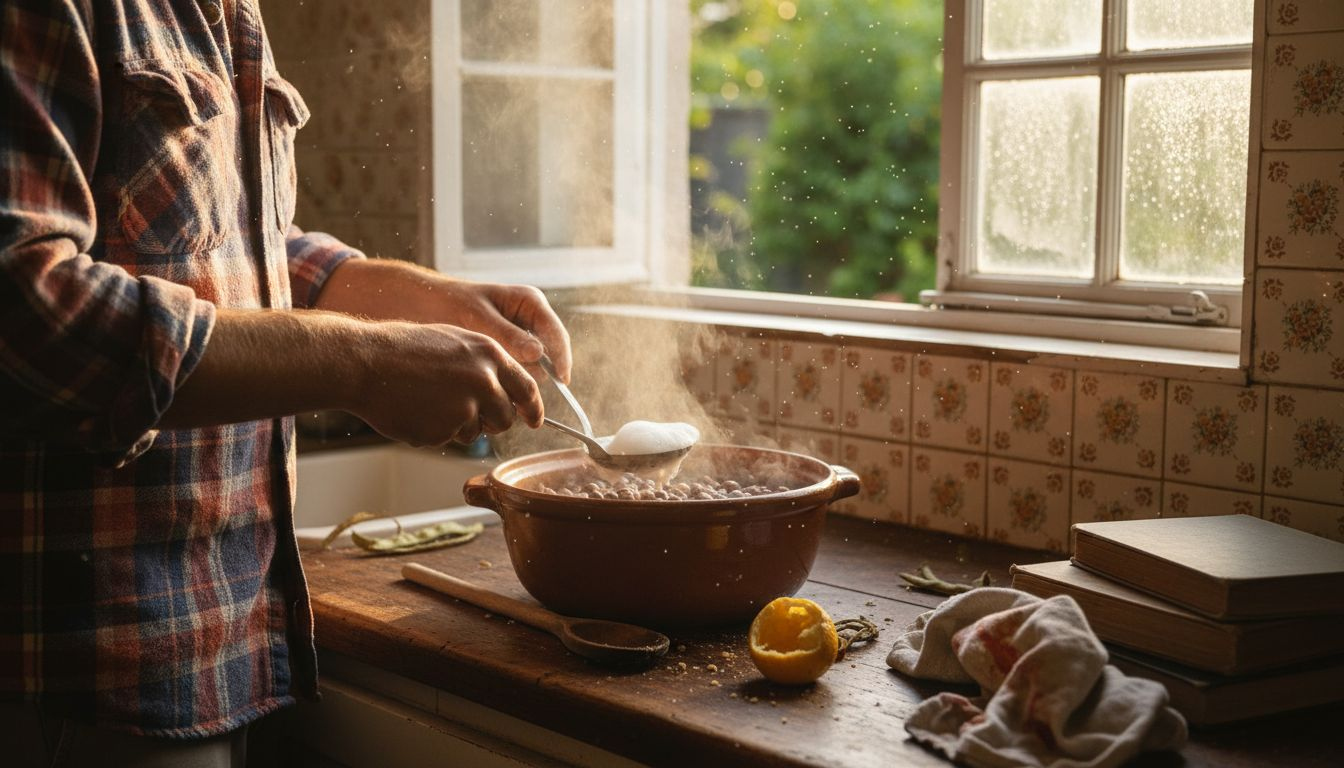
Pro tip: Soak dried beans and lentils overnight, then cook them slowly with acidic ingredients like tomatoes or lemon—this combination dramatically improves iron absorption whilst creating deeply flavourful meals that fuel your active day.
Types Of Iron In Plant Foods Explained
Your body needs iron, but not all iron works the same way. There are two distinct types of dietary iron, and understanding the difference fundamentally changes how you approach plant-based nutrition. Heme iron, found exclusively in animal products, is highly bioavailable—your body absorbs it efficiently without much fuss. Non-heme iron, the type found in plant foods, requires more strategic handling. This is where the real knowledge comes in. Non-heme iron absorption rates vary dramatically, ranging from just 2 per cent to 20 per cent depending on what else you eat alongside it. The same serving of lentils can deliver vastly different amounts of usable iron depending on your meal composition.
Non-heme iron dominates plant-based eating because it appears in legumes, nuts, seeds, whole grains, and dark leafy greens. The chemical structure of non-heme iron differs fundamentally from heme iron, which explains why your body processes it differently. However, here’s what matters: non-heme iron absorption isn’t fixed. You control it through deliberate food pairing and preparation. This is your advantage. Vitamin C is your secret weapon. When you consume iron-rich plant foods alongside vitamin C sources, absorption rates jump dramatically. A spinach salad dressed with lemon juice, chickpeas topped with orange segments, or lentil soup with tomatoes—these combinations aren’t random. They’re strategic. The acidity and vitamin C content actively enhance how much iron your body extracts from the plant food. Additionally, when you occasionally consume heme iron alongside non-heme iron, it paradoxically improves your body’s ability to absorb the plant-based iron. This means even occasional animal products can amplify plant iron utilisation, though strict plant-based eaters needn’t worry about this pathway.
What makes non-heme iron less bioavailable also teaches us something crucial about plant-based nutrition. Compounds like phytates, tannins, and calcium can inhibit absorption, but cooking, soaking, sprouting, and fermenting reduce these inhibitors significantly. A bowl of raw spinach delivers less usable iron than cooked spinach prepared with care. This is why traditional food preparation methods evolved as they did—people understood, perhaps intuitively, that processing transformed nutritional availability. The practical reality for your active lifestyle is this: your body absolutely can meet iron needs through plant sources when you prioritise meal composition. Many active plant-based individuals find that once they understand these mechanisms, they stop worrying about iron deficiency and start building meals deliberately.
For those combining strength training or endurance work with plant-based eating, iron works hand in hand with plant-based protein sources. A hearty lentil and quinoa bowl delivers both macronutrients and micronutrients your muscles demand. The synergy matters. You’re not simply eating food; you’re engineering nutritional completeness through informed choices.
Pro tip: Pair every iron-rich meal with citrus, tomatoes, or peppers, and prepare legumes using soaking and slow-cooking methods—this combination can triple your iron absorption compared to eating the same foods raw or hastily prepared.
Maximising Iron Absorption From Plants
Knowing which foods contain iron matters far less than knowing how to unlock that iron for your body’s use. Plant-based iron sits locked behind biochemical barriers, and your meals either release it or waste it. The difference between a poorly composed meal and a strategically built one can mean the difference between steady energy and afternoon fatigue. Understanding absorption maximisation transforms plant-based eating from guesswork into a precise nutritional strategy.
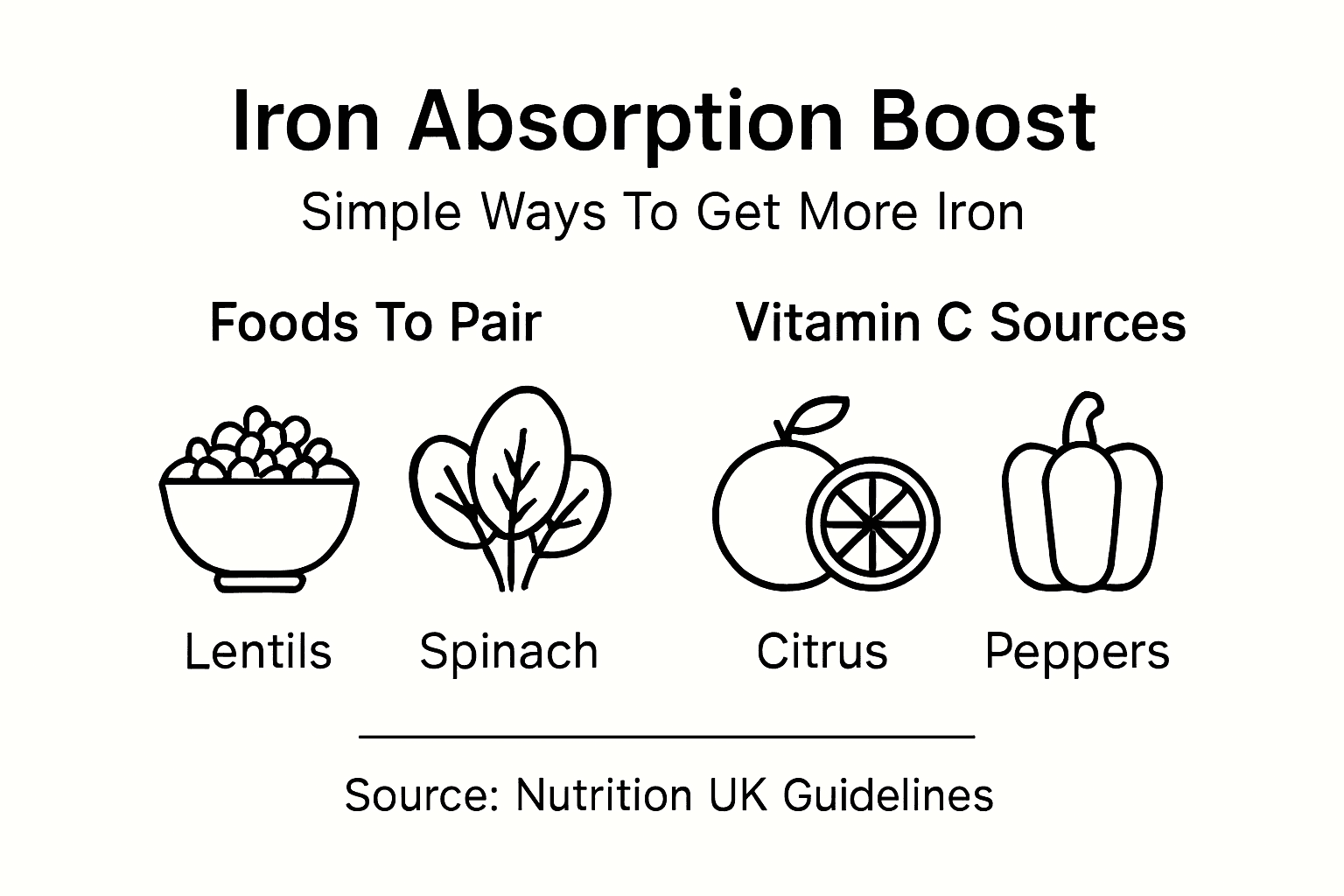
Vitamin C is your most powerful tool. When you consume iron-rich plant foods alongside vitamin C sources, your body converts non-heme iron into a more absorbable form. This isn’t subtle. The effect is dramatic. A simple spinach salad dressed with balsamic vinegar and orange segments, a chickpea curry made with tomatoes, or lentil soup finished with lemon juice—these aren’t just flavour combinations. They’re biochemistry. Pairing non-heme iron foods with vitamin C can increase absorption by several fold. The practical meals you build around this principle work far harder for your energy levels. Meanwhile, inhibitors actively work against you. Phytates in grains and legumes, tannins in tea and coffee, and oxalates in some greens bind to iron and make it unavailable. But here’s the empowering part: you control this entirely. Soaking dried beans overnight before cooking, fermenting whole grains, or sprouting legumes significantly reduces phytate levels. These aren’t complicated techniques. They’re methods your grandparents used instinctively, and they work because they address real biochemistry.
Food preparation methods directly influence iron bioavailability, and cooking is your ally. Raw foods offer nutritional value, but cooked plant foods often release more usable iron. A slow-cooked lentil stew delivers more bioavailable iron than a raw sprouted lentil salad. Fermentation amplifies this further. Sourdough bread made from whole grains provides better iron absorption than quick-rise white bread. When you invest time in traditional preparation—soaking, slow cooking, fermenting—your body extracts maximum value from every bite. Timing also matters strategically. Avoid tea and coffee with meals because their polyphenol content inhibits iron absorption. Drink these beverages between meals instead. Calcium supplements taken with iron-rich meals can also interfere with absorption, so separate these when possible. These small tactical adjustments compound into measurable differences in your iron status.
Your meal structure should follow a deliberate pattern. Place iron-rich foods as the foundation: lentils, beans, tofu, seeds. Add vitamin C: tomatoes, peppers, citrus, leafy greens, or even small amounts of strawberries. Incorporate preparation strategies: cook rather than eat raw, soak legumes beforehand, use fermented grains. Time your beverages around meals rather than during them. Consider occasional small amounts of animal protein if appropriate for your preferences, as this amplifies plant iron absorption through a completely different mechanism. This isn’t about perfection. It’s about understanding the levers and pulling them intentionally.
Here’s a side-by-side look at factors influencing plant-based iron absorption:
| Factor | Enhances Absorption | Reduces Absorption |
|---|---|---|
| Vitamin C | Significantly increases uptake | Not applicable |
| Food Preparation | Cooking, sprouting, fermenting help | Consuming raw reduces uptake |
| Acidic Ingredients | Lemon, tomatoes boost absorption | Absent in meal inhibits uptake |
| Inhibitors | Not applicable | Tea, coffee, calcium, phytates reduce uptake |
Pro tip: Build your iron-rich lunches and dinners with the formula: cooked legume or grain base plus vitamin C-rich vegetable plus acidic dressing, then skip tea and coffee until at least two hours after eating to maximise absorption from that single meal.
Daily Iron Needs For Active Lifestyles
Your iron requirements aren’t static. They shift based on your sex, age, life stage, and crucially, how intensively you move your body. Standard dietary guidelines provide a baseline, but active individuals operate in a different zone entirely. If you’re training regularly, running, cycling, or engaging in strength work, your body demands more iron than someone living a sedentary life. Understanding your specific needs prevents both deficiency and complacency.
Daily iron requirements differ significantly between men and women. Adult men need 8.7 milligrams daily, a relatively straightforward target. Women of reproductive age require 14.8 milligrams daily due to menstrual losses, nearly double the male requirement. This isn’t negotiable biology. Once women reach menopause, their requirements drop to match men’s. Pregnant women face even higher demands, requiring up to 30 milligrams daily to support expanded blood volume and foetal development. These numbers represent minimum thresholds for sedentary populations. Add athletic activity to the equation and requirements climb noticeably.
Athletes and active individuals operate at elevated iron needs. Intense training creates three distinct iron challenges. First, increased energy expenditure demands more iron-dependent metabolic activity. Second, aerobic exercise causes minor blood losses through the gastrointestinal tract and sweat, particularly in endurance sports. Third, your body responds to training stress by increasing red blood cell turnover, requiring more iron to build new cells. A woman training for a half marathon or competing in CrossFit likely needs significantly more than the baseline 14.8 milligrams daily. A man running five times weekly needs more than the sedentary 8.7 milligrams recommendation. The exact amount depends on training intensity, duration, and frequency, but the direction is always upward. Vegan and plant-based athletes face an additional consideration: because non-heme iron absorption remains lower than heme iron absorption, meeting elevated needs requires deliberate food choices and strategic meal composition rather than passive consumption.
Your practical approach depends on knowing yourself. Track your energy levels over a month. Do you experience afternoon fatigue despite adequate sleep? Do your recovery workouts feel heavier than they should? Does your mood dip during your hardest training weeks? These signal iron insufficiency, even if standard blood tests appear borderline. Many plant-based athletes operate in a grey zone where iron levels are technically “acceptable” but insufficient for optimal performance. If you train regularly, assume your needs sit 20 to 40 per cent higher than baseline guidelines. This means aiming for roughly 12 milligrams daily for an active man and 18 to 20 milligrams daily for an active woman. Meeting these targets through plant foods requires consistency and strategy. A handful of fortified cereals, a serving of lentils, a couple of handfuls of seeds, and leafy greens across your day gets you there. But it doesn’t happen accidentally.
Compare iron needs for different groups:
| Group | Standard Daily Requirement | Increased Need if Active |
|---|---|---|
| Adult Men | 8.7 mg | About 12 mg |
| Premenopausal Women | 14.8 mg | 18–20 mg |
| Postmenopausal Women | 8.7 mg | About 12 mg |
| Pregnant Women | Up to 30 mg | Even higher, monitor closely |
Monitoring Your Status
Blood tests provide objective data but tell only part of the story. Standard haemoglobin tests measure red blood cell count and oxygen-carrying capacity. Serum ferritin tests measure iron stores. Transferrin saturation and total iron-binding capacity reveal your body’s iron handling capacity. If you train intensively, ask your doctor for comprehensive iron panels annually. This gives you baseline data and reveals trends. Many active plant-based individuals discover they sit on the lower end of normal—not anaemic by technical standards, but suboptimal for athletic performance. Catching this early through testing beats discovering it through unexplained performance declines.
Pro tip: If you train more than four times weekly, calculate your baseline iron needs using your sex and age, then add 20 per cent to that figure as your target—this buffer accounts for athletic iron losses and gives you a realistic daily goal to meet through food.
Common Mistakes With Vegan Iron Intake
Plant-based eaters often stumble not because plant iron is inherently inadequate, but because they make predictable, avoidable errors. These mistakes compound over months, creating fatigue, poor recovery, and unnecessarily low iron status. The frustrating part: most of these errors stem from incomplete understanding rather than effort. You can resolve them by recognising the patterns that sabotage countless well-intentioned vegans.
The first mistake is passively assuming plant-based iron works like animal iron. It doesn’t. Non-heme iron absorption hovers between 2 and 20 per cent depending entirely on meal composition. This massive variability means eating iron-rich food randomly wastes most of its nutritional value. Many vegans consume adequate iron quantities on paper whilst their bodies absorb far less. They eat spinach salads, lentil soups, and seeds without pairing them strategically with vitamin C. A chickpea curry made with coconut milk and served without acidic components delivers minimal usable iron compared to the same curry prepared with tomatoes and finished with lime juice. The second critical mistake involves overlooking iron absorption inhibitors that undermine your meals. Tea and coffee consumed during or immediately after meals dramatically reduce iron absorption. Calcium supplements taken with iron-rich meals also interfere. Many plant-based eaters unknowingly sabotage their lunch by finishing with herbal tea, then wonder why they develop iron deficiency despite eating well. The timing matters as much as the food itself.
Over-reliance on fortified but processed foods represents another widespread error. Yes, fortified cereals contain iron. But building your entire iron strategy around processed breakfast cereals whilst neglecting whole legumes, nuts, and seeds creates nutritional imbalance. Processed foods sit high in other compounds that inhibit iron absorption, and they lack the additional micronutrients that whole foods provide. A diverse intake across legumes, seeds, nuts, whole grains, and greens creates nutritional redundancy—if one source underperforms, others compensate. Processed foods create dependency. Additionally, many plant-based eaters underestimate portion sizes and frequency. They eat lentils twice weekly and expect adequate iron intake. Meeting iron targets requires consistency. A woman needs roughly 15 milligrams daily. This demands lentils or beans several times weekly, seeds daily, and leafy greens regularly. It’s achievable but requires planning, not accident.
Women, particularly those menstruating, make another mistake by dismissing routine monitoring. You cannot see iron deficiency developing. Fatigue creeps in gradually. Recovery slows incrementally. Performance declines subtly. By the time you notice obvious symptoms, iron depletion runs deep. Menstruating women especially should request annual iron panels. Pregnancy dramatically increases iron demands, and many pregnant vegans discover dangerously low iron status only during mandatory prenatal testing. Catching insufficiency early through blood work beats discovering it through health consequences.
The Supplementation Question
Many vegans avoid supplementation out of principle or misunderstanding. Routine supplementation isn’t necessary for well-planned plant-based diets. But targeted supplementation under medical supervision differs from random supplementing. If your blood work shows depleted stores or low haemoglobin despite dietary efforts, supplementation makes sense. This isn’t dietary failure. It’s using available tools intelligently.
Pro tip: Track your iron intake for one week using a nutrition app, calculate your total, compare it against your daily target based on your sex and activity level, then identify which meals lack vitamin C pairing—fixing these composition errors often resolves iron insufficiency without supplements.
Unlock the Full Potential of Plant-Based Iron with Granavitalis
Struggling to meet your iron needs on a plant-based diet despite eating well The challenge lies not just in what you eat but how you optimise absorption and balance your nutrition. This article highlights the importance of pairing iron-rich foods with vitamin C sources and using traditional preparation methods to enhance bioavailability. At Granavitalis, we understand these critical nuances and offer a range of nutrient-dense wholefoods including ancient grains, premium nuts and seeds plus clean plant proteins designed to fuel strength, recovery and sustained energy.
Discover how our thoughtfully sourced flours, seeds and proteins support your journey to true plant-powered vitality Visit Granavitalis to explore products rooted in tradition yet crafted for modern needs. Pairing these with strategic meal preparation empowers you to overcome common absorption pitfalls and reach your active lifestyle goals. Start transforming your plant-based iron intake today with Granavitalis – Rooted in Time, Fueled for Today and build your foundation for clean performance and long-lasting wellness.
Frequently Asked Questions
What are the primary sources of plant-based iron?
The richest plant-based iron sources include legumes and pulses like lentils and chickpeas, dark leafy greens such as spinach and kale, nuts and seeds particularly pumpkin seeds, and fortified cereals and grains.
How can I enhance iron absorption from plant-based foods?
Pair iron-rich foods with vitamin C sources such as citrus fruits, tomatoes, or peppers. Additionally, cooking, soaking, and fermenting plant foods can significantly improve iron bioavailability.
Why is non-heme iron less bioavailable than heme iron?
Non-heme iron, found in plant foods, has lower absorption rates compared to heme iron, which is in animal products. This is due to the different chemical structures and how our bodies process each type.
What daily iron intake should active individuals aim for?
Active men should aim for about 12 milligrams of iron daily, while active women should target 18 to 20 milligrams to account for increased iron needs due to intense physical activity.