
Plant-based foods highest in antioxidants, ranked by evidence
Plant-based foods carry far more antioxidant power than anything from an animal source, and the gap isn’t close. A 2024 analysis of nearly 2,000 foods found plant foods averaged a total antioxidant content 22.67 times higher than animal-based foods. The richest sources cluster into a handful of groups: berries, nuts and seeds, green and black tea, cocoa and dark chocolate, herbs and spices, and colourful vegetables.
The action worth taking today is simple:
- Eat from as many of these groups as possible, not just one “superfood”
- Hit the NHS benchmark of at least 400g of fruit and vegetables daily, spread across five portions
- Choose whole or minimally processed versions wherever you can
The core figure to remember: plant foods measured a mean total antioxidant content (TAC) of 8.55 mmol/100g against just 0.38 mmol/100g for animal foods, a more than 22-fold difference that holds up across almost 2,000 food items tested.
TL;DR:
- Consuming a variety of antioxidant-rich plant foods is more effective than focusing on a single superfood or supplement.
- Green tea, berries, nuts, and spices are among the most concentrated natural sources, with green tea offering nearly 3,000mg of flavan-3-ols per 100g.
- The typical plant foods tested carry over 22 times the antioxidant content of animal foods, with minimally processed options retaining more benefits.
- Following the NHS recommendation of 400g of fruits and vegetables daily helps ensure a broad intake of diverse antioxidants.
- Relying on supplements is unnecessary and potentially harmful; building a pantry with whole, minimally processed foods is the safer, more sustainable strategy.
Table of Contents
- Which plant-based foods are highest in antioxidants?
- What the antioxidant research actually shows
- How to fit these foods into your daily meals
- Supplement risks and cooking cautions worth knowing
- Why variety beats any single superfood
- Where Granavitalis fits into an antioxidant-rich diet
- Key Takeaways
- Sources
Which plant-based foods are highest in antioxidants?
Berries top most antioxidant rankings, and for good reason. Blueberries, blackberries, and dark cherries are dense with anthocyanins, the pigments responsible for their colour and much of their antioxidant activity. Fresh is good; frozen and freeze-dried versions hold their own too, since freezing locks in nutrients close to harvest levels. If you want a pantry-stable option that doesn’t spoil, freeze-dried whole blueberries work well stirred into porridge or eaten by the handful.
Nuts and seeds bring a different antioxidant profile: vitamin E and phenolic compounds concentrated largely in the skins. Pecans, almonds, and pumpkin seeds rank among the strongest, and eating them with their skins intact (rather than blanched or heavily processed) preserves more of that phenolic content. Our guide to antioxidant-rich seeds breaks down which varieties punch above their weight.
Cocoa and dark chocolate are genuinely exceptional sources of flavan-3-ols, a polyphenol family linked to cardiovascular benefits. The catch is that most chocolate on supermarket shelves is mostly sugar. Look for high-cocoa-percentage, low-sugar bars, or use raw cocoa powder in shakes and baking. Our piece on cacao goes deeper into how it’s processed and why that matters.
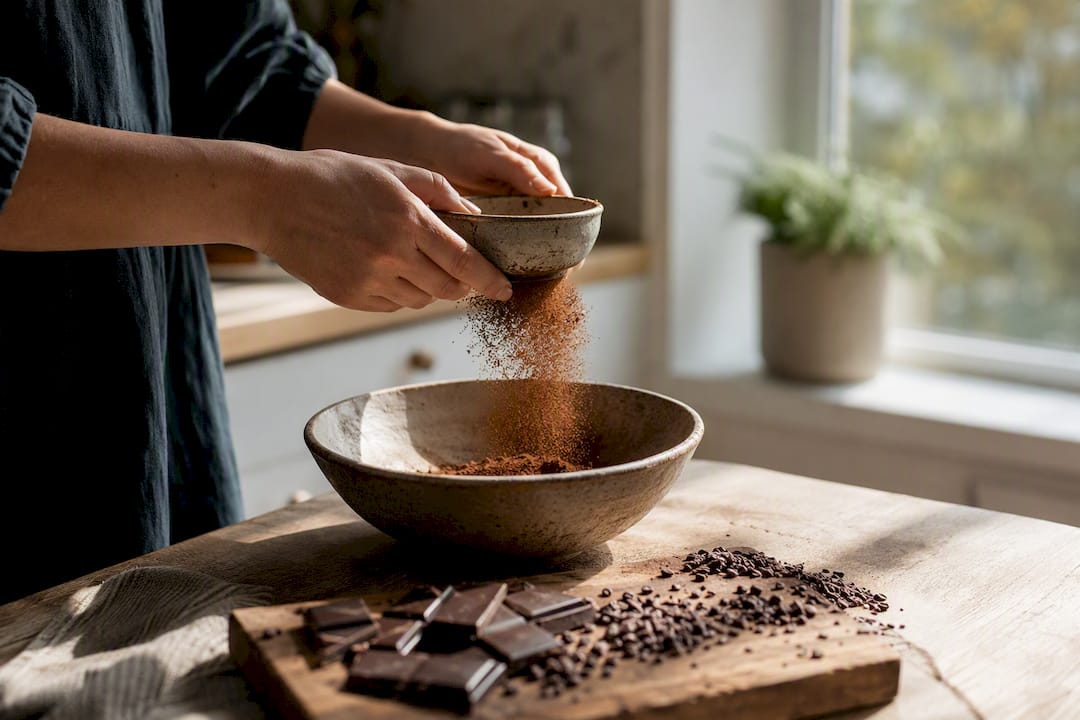
Green and black tea are among the most concentrated dietary sources of flavan-3-ols full stop. A recent UK profiling study measured green tea at 2,969mg of flavan-3-ols per 100g fresh weight, a figure that dwarfs most fruit and vegetables gram for gram. If you’re building a habit around this, a supplier like Yugen Teas is worth exploring for variety.
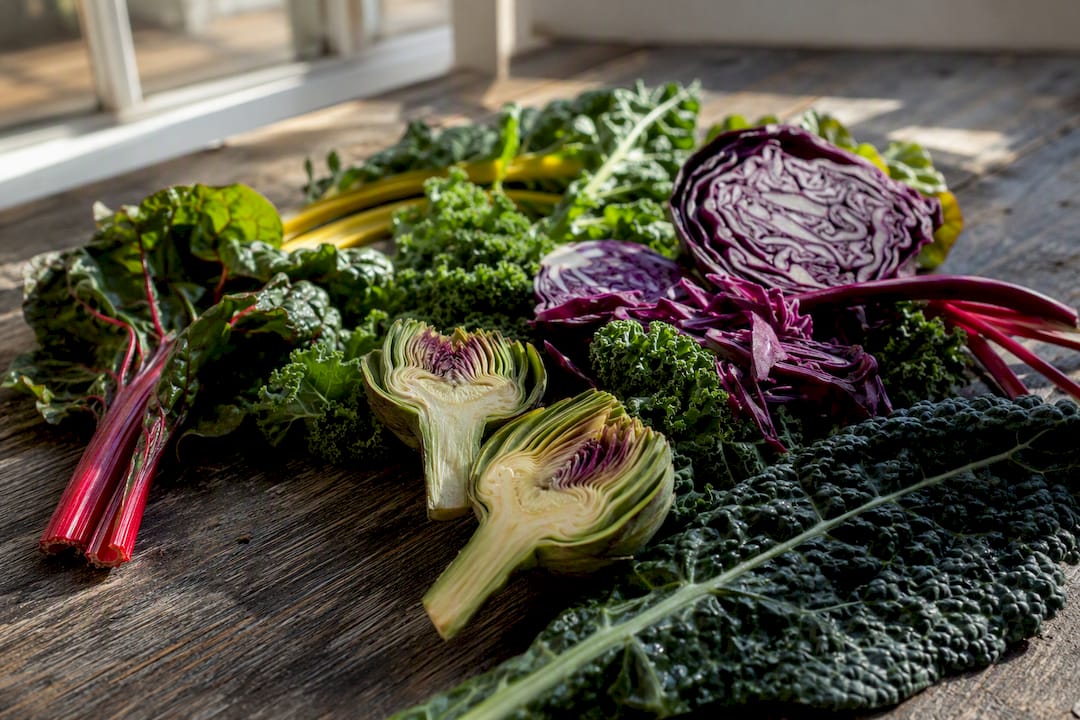
Vegetables deserve more credit than they usually get. Leafy greens, artichokes, red cabbage, and beetroot combine carotenoids and polyphenols in ways that vary meaningfully by colour, which is why the “eat the rainbow” advice isn’t just a slogan.
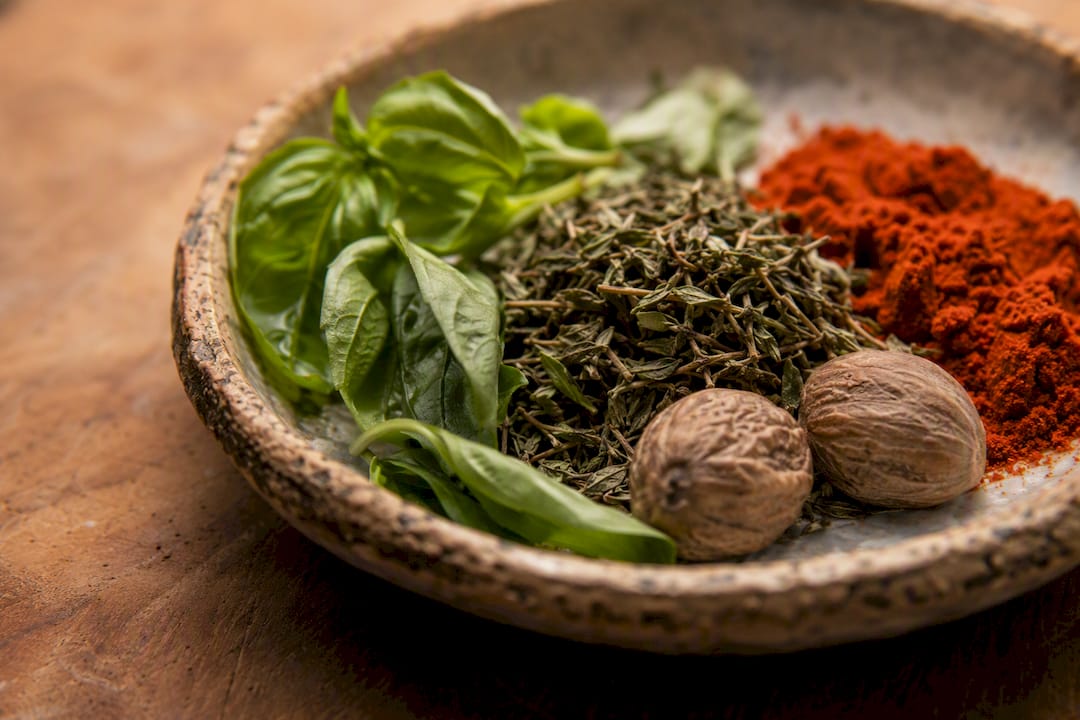
Herbs and spices are the dark horses here. Cloves, oregano, rosemary, and turmeric carry an extraordinarily high antioxidant density per gram, though you’d never eat them in bulk the way you would a bowl of berries.
Wholegrains and legumes round out the picture, adding fibre and a different set of plant compounds. Ancient grains such as spelt, einkorn, and freekeh make solid pantry staples for exactly this reason.
Pro Tip: Rotate your antioxidant sources weekly rather than eating the same “healthy” foods on repeat. Different plants supply different phytochemical families, and no single food covers them all.
What the antioxidant research actually shows
Total antioxidant content, or TAC, measures the combined antioxidant capacity of a food using laboratory assays. It isn’t a perfect stand-in for health outcomes on its own, but it’s the clearest metric available for comparing foods against each other, and the British Journal of Nutrition analysis of 1,946 food items is one of the largest datasets to apply it consistently.
That same analysis found something else worth noting: processing degrades TAC. Minimally processed foods scored consistently higher than their processed and ultra-processed counterparts, which is a real argument for whole nuts over nut-based snack bars, and whole fruit over fruit-flavoured products.
Plant foods carry a mean TAC of 8.55 mmol/100g against 0.38 mmol/100g for animal foods. Green tea alone delivers nearly 3,000mg of flavan-3-ols per 100g fresh weight, making it one of the single most concentrated antioxidant sources in any diet.
Cocoa and berries also rank as concentrated sources, though none quite match tea’s flavan-3-ol density. The practical takeaway isn’t to chase one number. It’s to recognise that whole, minimally handled plant foods consistently outperform processed versions of the same ingredient.
How to fit these foods into your daily meals
Treat the NHS’s 400g fruit and vegetable target as your baseline, then layer variety on top of it rather than repeating the same two vegetables all week.
- Start the day with berries. Stir fresh or frozen berries into porridge or yoghurt, add a spoon of nut butter for staying power.
- Top salads and bowls with seeds. Pumpkin and sunflower seeds add crunch and phenolics with almost no prep.
- Make green tea your afternoon ritual. It’s a straightforward swap for a second coffee and delivers a serious flavan-3-ol dose.
- Keep dark chocolate as an actual treat. A square or two of high-cocoa chocolate after dinner satisfies without derailing the day.
- Add herbs late in cooking. Stir rosemary, oregano, or turmeric in near the end rather than during a long simmer, since prolonged heat degrades some antioxidant compounds.
Pro Tip: Short steaming preserves far more of a vegetable’s antioxidant content than long boiling, which leaches water-soluble compounds straight into the pan.
Stock your pantry with frozen berries, whole nuts, good cocoa powder, loose tea, and a rotating spice mix, and half the work of eating this way is already done before you’ve opened the fridge.
Supplement risks and cooking cautions worth knowing
Antioxidant supplements are not a shortcut around eating well, and the evidence is unusually clear on this. Health authorities including the NCCIH note that clinical trials of isolated antioxidant supplements have not consistently prevented disease, and some high-dose supplements have caused harm in specific groups, most notably beta-carotene supplementation in smokers.
Whole foods deliver antioxidants as part of a wider network of plant compounds working together, something Harvard’s Nutrition Source explains supplements simply can’t replicate in isolated pill form.
A few practical cautions worth keeping in mind:
- Long boiling strips water-soluble antioxidants from vegetables; steaming or roasting retains more.
- Overly processed versions of antioxidant-rich foods (sugary chocolate, fruit snacks) lose much of the benefit to processing and added sugar.
- Speak to a doctor before starting any high-dose supplement, particularly if you smoke or have an existing health condition.
Who’s behind this guidance
This article was written by Jarrod, drawing on peer-reviewed nutrition research and official health guidance rather than trend-driven claims.
- Granavitalis sources ancient grains, nuts, seeds, and cacao with minimal processing, aligned directly with the evidence that whole foods carry higher antioxidant content than processed versions.
- For deeper reading, see the guides on seeds, berries, and cacao linked throughout this piece.
Why variety beats any single superfood
The conventional advice to “eat more antioxidants” misses the point almost entirely. The dataset behind this article doesn’t say one food wins. It says plant foods as a category outperform animal foods by a wide margin, and within that category, different foods bring completely different antioxidant families to the table. Berries bring anthocyanins, tea and cocoa bring flavan-3-ols, spices bring an entirely different set of phenolics at far higher density per gram than anything else on this list.
The gap in the research I’d push back on is the obsession with single foods, “eat more blueberries”, “add turmeric to everything”. That’s not wrong, but it’s incomplete. The 22-fold difference between plant and animal TAC is a category-level finding, not a single-ingredient one, and treating it that way undersells the point.
What I’d prioritise first: build a pantry that makes variety easy without daily decision-making. Frozen berries, a jar of mixed seeds, a decent cocoa powder, loose tea, and a spice rack you actually use. That’s a far more durable strategy than any supplement bottle promising the same thing in concentrated form.
— Jarrod
Where Granavitalis fits into an antioxidant-rich diet
Building the pantry described above is easier with a supplier that sources the right raw materials rather than processed derivatives. Granavitalis specialises in exactly the whole, minimally processed plant foods the research points to: nuts, seeds, cacao, and ancient grains, without the additives that dilute their antioxidant value.

If nut butters are your entry point into daily nuts and seeds, the Raw Organic Pecan Butter delivers vitamin E and phenolics in a form you’ll actually finish the jar of, rather than letting a bag of raw nuts go stale in the cupboard. For readers who want to sample a wider range before committing, the Organic Nut & Seed Butter Selection Box covers several antioxidant-rich varieties in one order, so you can work out which fits your mornings before buying in bulk. Start with the selection box, find your favourite, then build your weekly shop around it.
Key Takeaways
Plant-based foods, particularly berries, tea, cocoa, nuts, seeds, and spices, deliver far more antioxidant capacity than animal foods, and variety matters more than any single food choice.
| Point | Details |
|---|---|
| Plant vs animal gap | Plant foods average 22.67 times the total antioxidant content of animal foods, based on a 1,946-item analysis. |
| Green tea’s flavan-3-ol density | Green tea delivers nearly 2,969mg of flavan-3-ols per 100g, one of the most concentrated dietary sources known. |
| Daily target | Aim for the NHS benchmark of 400g of varied fruit and vegetables spread across five portions daily. |
| Processing lowers antioxidants | Minimally processed foods retain more antioxidant content than processed or ultra-processed versions. |
| Skip high-dose supplements | Isolated antioxidant supplements show no consistent disease-prevention benefit and can cause harm in some groups. |
| Build variety with whole foods | Granavitalis’ nut butters, seeds, and cacao offer minimally processed, pantry-ready ways to diversify antioxidant intake. |
This article is general information, not a substitute for advice from a qualified doctor. Consult a qualified healthcare professional about your own circumstances before acting on anything here.