
Nutrient-Dense Breakfast Steps for Lasting Energy
Over half of adults report feeling tired by mid morning, often because breakfast falls short on nutrition and lasting energy. Building a wholesome, balanced breakfast starts with clever ingredient choices and a simple strategy, yet so many people miss the mark. This guide lays out clear, practical steps to help you create a morning meal packed with ancient grains, protein, and nutrients so you can enjoy steady energy and real satisfaction all day.
Table of Contents
- Step 1: Select High-Quality Ancient Grains
- Step 2: Combine With Protein-Rich Additions
- Step 3: Incorporate Flavourful Nutrition Boosters
- Step 4: Cook To Achieve The Desired Texture
- Step 5: Verify Nutritional Balance Before Serving
Quick Summary
| Key Point | Explanation |
|---|---|
| 1. Choose high-quality ancient grains | Select unprocessed, organic grains like quinoa, amaranth, and kamut for maximum nutrition and energy. |
| 2. Add protein-rich ingredients | Incorporate Greek yoghurt, nuts, or seeds into your breakfast for enhanced protein content and appetite control. |
| 3. Use nutrition boosters for flavor | Include fruits, spices, and superfood powders to enrich your breakfast with essential nutrients and taste. |
| 4. Master cooking techniques for grains | Rinse grains and carefully measure water to ensure perfect texture, crucial for palatability and nutrient retention. |
| 5. Verify nutritional balance before serving | Aim for a balanced mix of proteins, carbs, and fats to ensure sustainable energy and overall well-being. |
Step 1: Select high-quality ancient grains
Selecting the right ancient grains is fundamental to creating a nutrient-dense breakfast that provides lasting energy. According to the British Dietetic Association, wholegrains like kamut, freekeh, and amaranth offer exceptional nutritional benefits and remarkable versatility in meal preparation.
When choosing your ancient grains, prioritise unprocessed whole grain options with minimal additives. Look for grains that are organic, sustainably sourced, and still contain their natural bran and germ layers. Some exceptional choices include quinoa, which offers complete protein, amaranth with its high calcium content, and kamut known for its rich mineral profile. Always check the packaging for clear provenance information and opt for varieties that have undergone minimal processing.
Pro tip: Buy small quantities initially to experiment with different ancient grains. Each variety has a unique flavour profile and nutritional composition. By exploring options like understanding ancient grains, you can discover which ones best suit your palate and nutritional needs. Your morning breakfast will transform from a simple meal to a powerhouse of sustained energy and wholesome nutrition.
Step 2: Combine with protein-rich additions
Adding protein-rich ingredients transforms your ancient grain breakfast from a simple meal to a nutritional powerhouse that sustains energy throughout the morning. According to Cambridge University research, consuming solid protein sources at breakfast leads to better appetite control and reduced overall energy intake.
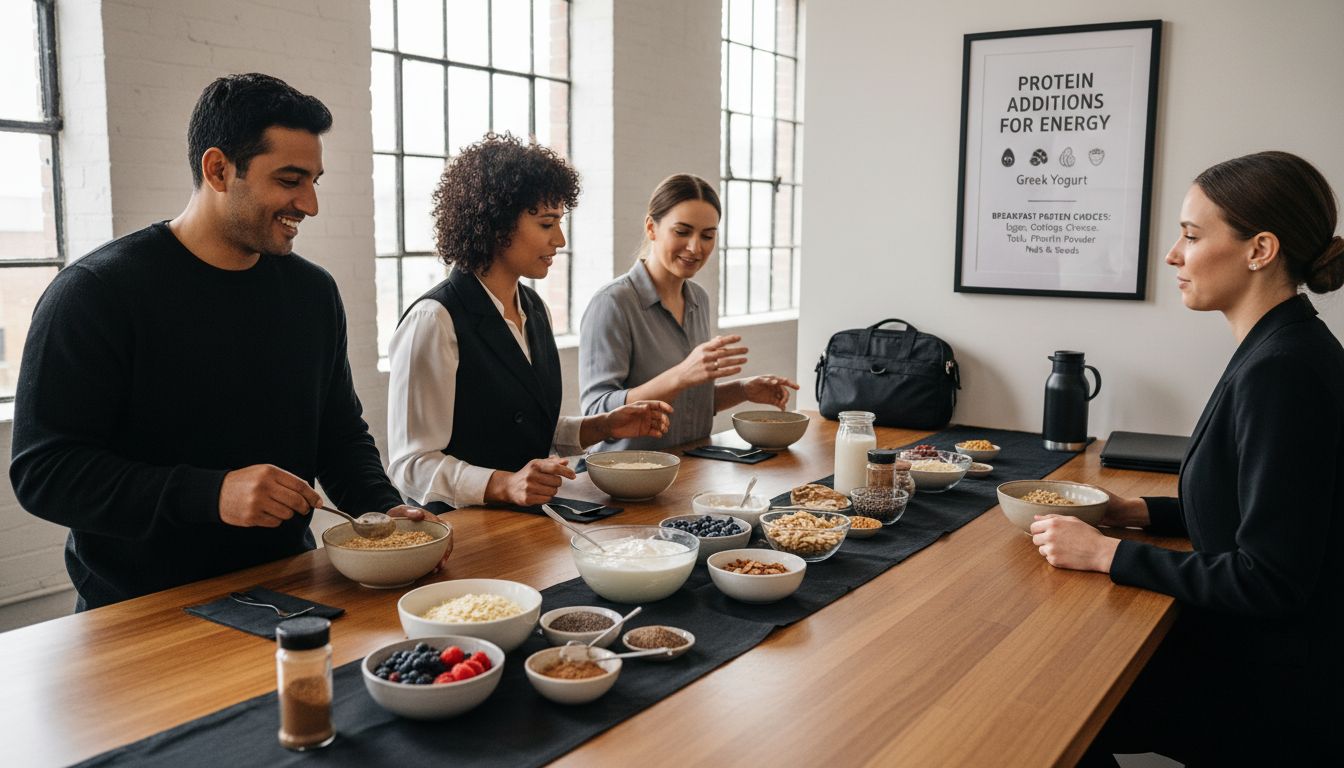
Drawing inspiration from Arla UK, consider incorporating protein sources like Greek yoghurt, quark, cottage cheese, nuts, and seeds directly into your ancient grain porridge. These additions not only boost protein content but also provide essential minerals and healthy fats. Some excellent protein pairings include almonds, chia seeds, hemp seeds, and plant-based protein powders that blend seamlessly with grains like quinoa and amaranth.
Pro tip: When exploring high-protein porridge options, experiment with different combinations to find your perfect protein balance. Start with small quantities and gradually increase to discover what tastes best and keeps you satisfied. Your morning meal will become a delicious strategy for sustained energy and balanced nutrition.
Step 3: Incorporate flavourful nutrition boosters
Transforming your breakfast from ordinary to extraordinary involves strategically adding nutrition boosters that elevate both taste and health benefits. According to SheerLuxe, enhancing meals with ingredients like nuts, seeds, and protein powders can dramatically increase nutritional value while creating delightful flavour profiles.
Consider incorporating vibrant ingredients that pack a nutritional punch. Fresh berries offer antioxidants and natural sweetness, while ground nuts like almonds and walnuts provide healthy fats and protein. Spices such as cinnamon, turmeric, and cardamom not only add depth to your breakfast but also offer anti inflammatory properties. Superfood powders like maca, spirulina, or raw cacao can be seamlessly mixed into your porridge for an extra nutrient boost. When exploring the power of berries and their vitality benefits, you will discover how these small additions can transform your morning meal.
Pro tip: Start with small quantities of new ingredients and gradually increase. This approach allows you to discover combinations that not only taste great but also provide sustained energy. Your breakfast will become a delicious canvas for nutritional creativity, ensuring you start each day with optimal nourishment and excitement.
Step 4: Cook to achieve the desired texture
Mastering the art of cooking ancient grains requires understanding their unique cooking characteristics and techniques. According to the British Dietetic Association, achieving the perfect texture involves precise cooking methods tailored to each specific grain type, ensuring maximum palatability and nutritional retention.
For most ancient grains, start by rinsing thoroughly to remove any excess starch and potential bitterness. Use a ratio of one part grain to two or three parts water, depending on the specific grain. Quinoa typically requires 15 to 20 minutes of simmering, while amaranth might need slightly longer. Keep the lid on and avoid stirring too frequently to prevent sticking. The goal is a tender yet slightly chewy texture that maintains the grain’s structural integrity. Some grains like buckwheat can be toasted before cooking to enhance their nutty flavour profile, adding depth to your morning porridge.
Pro tip: Invest in a good quality heavy bottomed pan and pay close attention to water absorption. Different grains respond differently to heat and liquid, so experiment with small batches to understand their individual characteristics. How to make high protein porridge can provide additional insights into perfecting your grain cooking technique, ensuring a breakfast that is both nutritionally dense and texturally satisfying.
Step 5: Verify nutritional balance before serving
Ensuring your breakfast provides comprehensive nutritional support is crucial for sustained energy and overall well-being. Research from the International Breakfast Research Initiative Group emphasises that balanced breakfasts significantly contribute to improved dietary quality and nutritional adequacy.
To verify nutritional balance, assess your meal across key macronutrient and micronutrient categories. Look for a combination of complex carbohydrates from ancient grains, lean proteins, healthy fats, and a variety of micronutrients from added seeds, nuts, and fruits. Aim for a meal that contains approximately 20 to 25 grams of protein, 30 to 40 grams of complex carbohydrates, and a moderate amount of healthy fats. Consider using online nutrition calculators or consulting resources from the British Nutrition Foundation to help you evaluate your breakfast composition.
Pro tip: Create a simple mental checklist before serving. Have you included protein? Are there enough complex carbohydrates? Have you incorporated some healthy fats? By adding more protein to your porridge, you can quickly address any nutritional gaps and transform your breakfast into a powerhouse of sustained energy and balanced nutrition.

Fuel Your Morning with Lasting Energy and Wholesome Nutrition
Struggling to find a breakfast that truly sustains your energy and nourishes your body? The article highlights the challenge of replacing quick-fix, high-sugar cereals with a nutrient-dense meal built on ancient grains and protein-rich additions. It shows how combining wholesome ingredients like quinoa or amaranth with powerful flavour and nutrition boosters can transform your morning routine into one of steady vitality and balanced nutrition.
At Granavitalis, we understand the need for breakfasts that do more than fill the plate. Our carefully curated Flavours and Power Ups – Granavitalis collection offers premium ancient grains and thoughtfully selected nutrition boosters designed to help you craft breakfasts that energise and satisfy.

Experience the difference of breakfast made with purpose. Visit Granavitalis now to discover how our nutrient-rich offerings can effortlessly upgrade your mornings. Begin your journey to lasting energy and balanced nutrition with our Metabolic Advantage Pack – Granavitalis and embrace the power of ancestral nourishment today.
Frequently Asked Questions
What are the best ancient grains for a nutrient-dense breakfast?
Selecting ancient grains like quinoa, amaranth, and kamut can provide exceptional nutritional benefits. Start by choosing organic, unprocessed whole grain options that retain their bran and germ layers for maximum health benefits.
How can I add protein to my ancient grain breakfast?
Incorporate protein-rich ingredients like Greek yogurt, cottage cheese, or nuts into your breakfast. Aim for about 20 to 25 grams of protein in your meal by combining these additions with your ancient grains.
What are some effective ways to enhance the flavor of my breakfast?
Boost the flavor and nutrition of your breakfast by adding fresh berries, nuts, and spices like cinnamon or turmeric. Try incorporating these ingredients in small amounts first, gradually adjusting to find your ideal balance of taste and health benefits.
How should I cook ancient grains for the best texture?
To achieve the perfect texture, rinse the ancient grains and use a water-to-grain ratio of 2-3:1. Cook each type of grain according to its specific requirements, keeping the lid on while simmering, to create a tender, yet chewy consistency.
How can I verify that my breakfast is nutritionally balanced?
Assess your meal for a mix of complex carbohydrates, lean proteins, and healthy fats. Strive for a breakfast that includes 20-25 grams of protein, 30-40 grams of carbohydrates, and a moderate amount of healthy fats to ensure lasting energy throughout the morning.
What should I consider when experimenting with different ancient grains?
Start by purchasing small quantities of various ancient grains to find the flavors and textures you enjoy most. Try different cooking methods and combinations to see how they interact with other ingredients for a delicious and nutritious breakfast.