
Low Carb Vegan Protein: Fuelling Plant-Based Strength
Trying to build muscle and maintain steady energy as a vegan in the UK can leave you searching for smarter food choices that actually fit your low-carb goals. With plant-based proteins often coming packaged with more carbohydrates than you need, finding options that deliver real protein density without excess carbs is a common challenge. Discover how low carbohydrate diets typically contain less than 100 grams of carbohydrates per day or under 30 percent of your total daily energy intake, helping you target foods that fuel your workouts and support balanced nutrition without compromise.
Table of Contents
- What Low Carb Vegan Protein Means
- Main Sources And Key Nutrient Profiles
- How It Supports Muscle And Recovery
- Typical Challenges And Nutritional Gaps
- Choosing Products And Avoiding Pitfalls
Key Takeaways
| Point | Details |
|---|---|
| Low Carb Vegan Protein | This approach allows you to meet protein needs while limiting carbohydrate intake to under 100 grams per day. |
| Protein Sources | Focus on high-density plant proteins like nuts, seeds, tofu, and tempeh to maintain nutrient variety and achieve amino acid completeness. |
| Muscle Recovery | Distributing protein intake throughout the day maximises muscle protein synthesis and supports strength gains effectively. |
| Nutritional Gaps | Monitor essential nutrients like Vitamin B12 and calcium since low carb restrictions can lead to deficiencies in a vegan diet. |
What Low Carb Vegan Protein Means
Low carb vegan protein is simply plant-based protein consumed within a low carbohydrate dietary framework. Rather than a single food or supplement, it’s an approach to meeting your protein needs whilst keeping carbohydrate intake deliberately limited. To be specific, low carbohydrate diets typically contain less than 100 grams of carbohydrates per day or under 30% of your total daily energy intake, according to clinical research standards. When you combine this carbohydrate restriction with vegan eating, you’re essentially choosing plant-based protein sources that deliver substantial protein without excessive carbs. This becomes your strategy for building strength, supporting recovery, and maintaining stable energy throughout the day.
What makes this concept meaningful for you as a vegan is the challenge and opportunity it presents. Plant-based proteins often have different amino acid profiles compared to animal sources, and they typically absorb slightly differently in your body. This means when you’re working within a low carbohydrate framework, the selection and combination of your protein sources becomes critical. You can’t rely on high-carb staples like beans, lentils, and grains to bulk up your plate. Instead, you’re focusing on foods that pack protein density without the carbohydrate load. Think nuts, seeds, plant-based protein powders, and specific plant foods that deliver more protein per bite. The goal is achieving what nutritional science recognises as adequate protein intake whilst maintaining metabolic control through carbohydrate management.
Understanding plant-based protein sources and their nutritional profiles helps you make informed choices about what fills your plate. Low carb vegan protein isn’t about restriction for its own sake; it’s about intelligent food selection. You’re working with plant foods that align with both your ethical choice to eat vegan and your performance goals around strength building and body composition. This might mean choosing hemp seeds over chickpeas in a particular meal, selecting nutritional yeast as a protein boost, or building your breakfast around nuts and seeds rather than oats. The flexibility lies in understanding which plant sources give you protein density alongside minimal carbohydrate content, allowing you to reach your daily protein targets without compromising your carbohydrate limits.
Pro tip: Start tracking your current protein sources using a nutrition app for three days to identify which plant foods deliver protein most efficiently within your carb allowance. This real-world data reveals your personal protein gaps and guides smarter food choices moving forward.
Main Sources And Key Nutrient Profiles
When you’re building a low carb vegan diet, your protein sources become your foundation. The primary players are nuts, seeds, tofu, tempeh, and seitan, each offering distinct nutritional profiles suited to different meals and goals. Nuts like almonds and macadamias deliver roughly 6 grams of protein per ounce alongside healthy fats, whilst seeds such as hemp and pumpkin provide complete amino acid profiles in smaller portions. Tofu remains remarkably versatile, offering around 8 grams of protein per 100 grams with minimal carbohydrates, making it ideal for stir-fries, Buddha bowls, and protein-boosted soups. Seitan stands out as the heavyweight champion, containing approximately 25 grams of protein per 100 grams with virtually no carbohydrates, though it requires careful sourcing to avoid hidden wheat additives. Beyond these staples, nutritional yeast, plant-based protein powders formulated for low carb intake, and vegan cheeses made from nuts contribute both protein density and flavour to your meals.
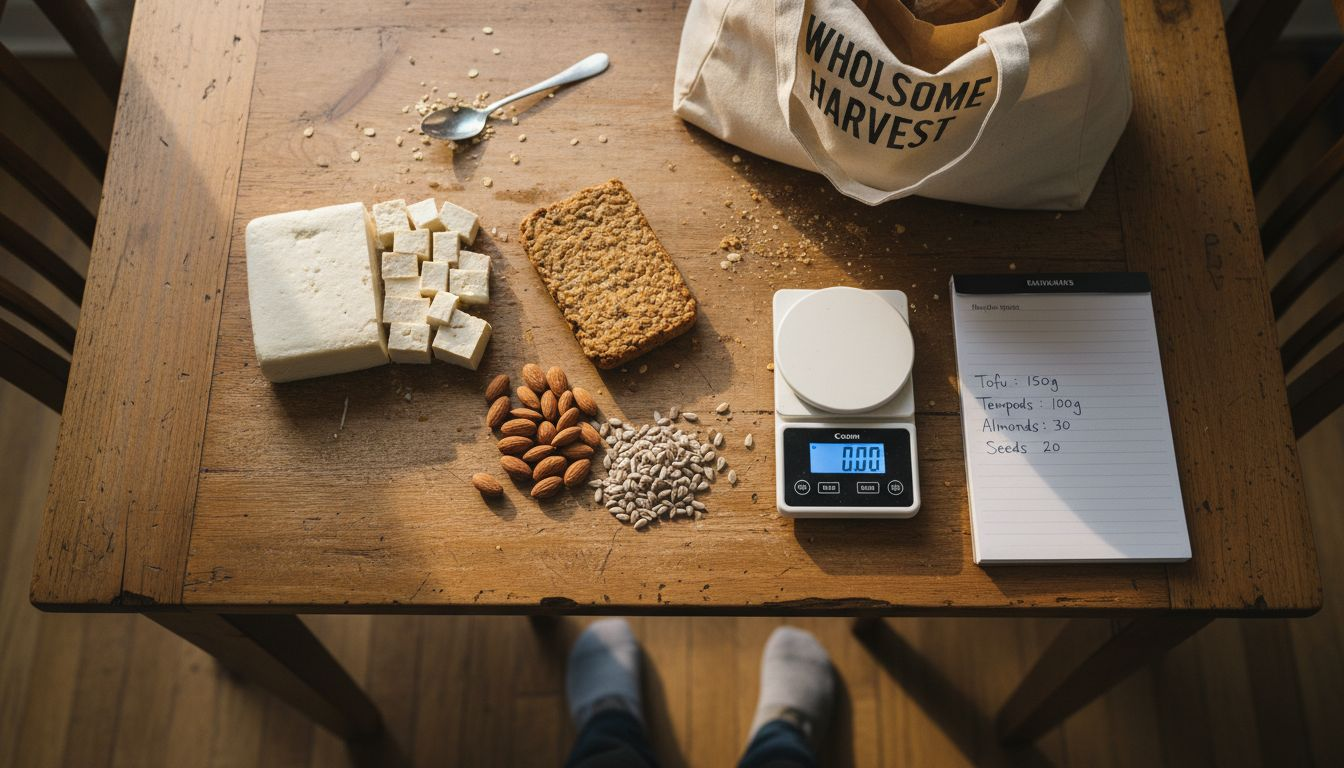
The nutrient profiles of these sources reveal why combination matters so much. Individual plant proteins often lack one or more essential amino acids, which is why pairing different sources throughout your day becomes your strategy for amino acid completeness. High protein plant-based foods like hemp seeds paired with nuts create a complete protein when consumed together, whilst adding tofu or tempeh ensures you’re hitting all nine essential amino acids without relying on high-carbohydrate legumes. Your micronutrient picture also shifts noticeably. Nuts and seeds provide substantial magnesium, zinc, and iron, though plant-based iron requires pairing with vitamin C sources for optimal absorption. Vitamin B12 remains your critical supplement regardless of protein choice, as it doesn’t occur naturally in plant foods.
Consider the practical reality of your plate. A typical low carb vegan breakfast might include almond butter on celery sticks paired with hemp seeds, delivering around 15 grams of protein with roughly 8 grams of carbohydrates. Lunch could feature a tempeh stir-fry with cashew sauce, providing 20 grams of protein and similar carbohydrate content. Dinner might centre on seitan with roasted vegetables, offering 25 grams of protein and minimal carbs. This approach keeps you consistently in your carbohydrate target whilst meeting protein goals. What makes this sustainable is understanding that these sources aren’t just numbers on a label. Nuts offer satiety and taste satisfaction. Seeds provide genuine nutritional completeness. Tofu and tempeh absorb flavours beautifully, making them genuinely enjoyable to eat repeatedly. Seitan delivers the hearty, substantial mouthfeel often missing from plant-based eating. Your success depends not just on hitting macronutrient targets but on genuinely enjoying the foods you’re eating.
Here’s a reference table to help compare major low carb vegan protein sources on key nutritional and culinary factors:
| Protein Source | Protein (per 100g) | Carb Content (per 100g) | Unique Benefit |
|---|---|---|---|
| Seitan | 25g | <2g | Dense, almost pure protein |
| Tofu | 8g | 2g | Versatile in many dishes |
| Tempeh | 19g | 9g | Fermented for gut support |
| Hemp Seeds | 31g | 8g | All essential amino acids |
| Almonds | 21g | 7g | Rich in vitamin E and fibre |
| Pumpkin Seeds | 30g | 10g | High in magnesium and zinc |
| Nutritional Yeast | 50g | 34g | Contains B vitamins, umami |
| Vegan Protein Powders | 20–25g | 1–3g | Highly concentrated, portable |
Pro tip: Buy tofu and tempeh in bulk, portion them into meal-sized containers, and freeze for convenience; this removes the “what’s for dinner” decision and ensures you always have protein sources ready within minutes.
How It Supports Muscle And Recovery
Your muscles don’t grow during your workout. They grow during recovery, when your body repairs the microscopic damage created by exercise and builds back stronger. This is where low carb vegan protein becomes genuinely powerful. When you consume adequate plant-based protein after training, you’re providing your muscles with the amino acids they need to synthesise new muscle tissue. The process requires all nine essential amino acids working together, which is why the variety of your protein sources matters so critically. A study on plant-based protein and muscle synthesis reveals that vegan athletes who strategically combine different plant proteins achieve comparable muscle adaptation to their omnivorous counterparts, provided they meet adequate daily protein intake and balance their amino acid profiles throughout the day.
The recovery window extends far beyond your immediate post-workout meal. Over the hours and days following exercise, your body requires consistent protein availability to support muscle protein synthesis, reduce inflammation, and replenish energy stores. Low carb vegan eating actually supports this beautifully because plant-based proteins typically come paired with fibre, antioxidants, and phytonutrients that help manage inflammation naturally. Nuts and seeds provide omega-3 fatty acids that support cardiovascular health whilst your muscles recover. Hemp seeds deliver all nine amino acids in one source. Tofu and tempeh provide easily digestible complete proteins that your body can rapidly deploy to muscle tissue. The key difference from high-carb vegan diets is that you’re not relying on carbohydrate-heavy legumes for protein, which means you’re getting protein density without blood sugar spikes that could interfere with recovery processes. Your energy comes from healthy fats instead, providing sustained fuel for the recovery process itself.
What makes this approach particularly relevant for your strength goals is the timing and consistency element. Rather than relying on occasional large protein servings, distributing protein across three to four meals daily with roughly 25 to 30 grams per meal optimises muscle protein synthesis throughout the day. A breakfast featuring almond butter and hemp seeds, a mid-afternoon snack of nuts with nutritional yeast, lunch with tempeh-based stir-fry, and dinner centred on seitan creates a consistent amino acid supply that your muscles can utilise for genuine adaptation. This steady approach combined with resistance training creates the conditions for measurable strength gains and body composition changes. You’re not just eating vegan protein; you’re strategically timing and spacing it to maximise your training investment.
Pro tip: Consume roughly 25 grams of plant-based protein within two to three hours after strength training, paired with some carbohydrates if you’re slightly above your strict low carb limit on training days; this timing supports optimal muscle protein synthesis without derailing your overall carbohydrate targets.
Typical Challenges And Nutritional Gaps
Choosing low carb vegan protein forces you to confront real nutritional trade-offs that don’t exist in less restrictive diets. The fundamental challenge lies in food variety. High-carb vegan staples like lentils, chickpeas, and beans provide substantial protein alongside micronutrients, but they don’t fit comfortably within strict carbohydrate limits. When you remove these from your plate, you shrink your nutrient-dense food variety significantly. Research from the EPIC-Oxford cohort reveals that nutritional deficiencies in vegan diets include inadequate vitamin B12, vitamin D, calcium, and iodine intake, with risk amplified when carbohydrate restriction narrows food choices further. These aren’t optional concerns. Without intentional supplementation and strategic food selection, you’ll develop genuine deficiencies that undermine your strength gains and overall wellbeing.
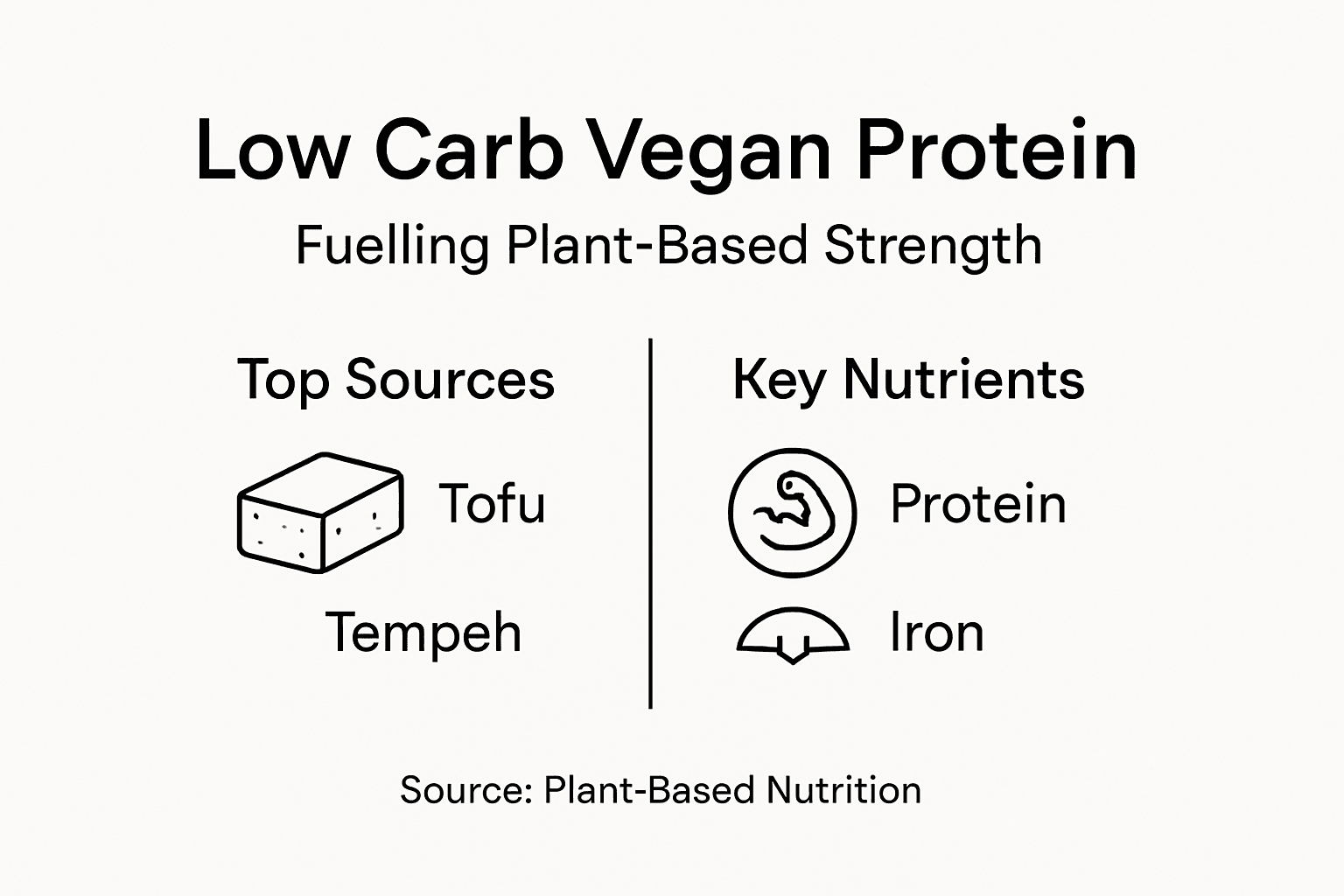
Vitamin B12 deserves particular attention because it exists nowhere in plant foods naturally. You need supplementation or fortified foods regardless of your protein approach, but on a low carb vegan diet, you have fewer fortified options. Many plant-based foods fortified with B12 (breakfast cereals, plant milks, meat alternatives) tend toward higher carbohydrate profiles. Calcium presents a parallel problem. Your traditional vegan calcium sources include fortified plant milks, dark leafy greens, and tahini, yet many plant milks exceed your carbohydrate allowance. Iodine and vitamin D create similar supply challenges. Additionally, plant-based iron absorption depends on pairing with vitamin C and avoiding compounds that inhibit absorption like phytic acid and tannins. The low carb vegan combination means you’re juggling multiple nutritional puzzle pieces simultaneously, where one choice affects another.
The practical sustainability challenge compounds these nutritional gaps. Meal fatigue happens quickly when your protein options shrink to nuts, seeds, tofu, tempeh, and seitan. Rotating through the same five foods daily becomes monotonous, and monotony undermines adherence. Many people find themselves gravitating toward convenient processed vegan products (vegan cheeses, mock meats, protein bars) to break the routine, but these typically exceed carbohydrate limits or lack nutritional integrity. Building truly nutrient-dense food choices within low carb vegan constraints requires genuine knowledge and planning discipline. You’re not simply following a diet; you’re managing multiple nutritional systems simultaneously.
Pro tip: Supplement with vitamin B12, consider a vitamin D3 source suitable for vegans, and maintain a calcium tracking system within your nutrition app for three months to identify genuine gaps; this data-driven approach reveals exactly which nutrients need attention rather than guessing based on theory.
Choosing Products And Avoiding Pitfalls
Walking into a supermarket with low carb vegan protein goals can feel overwhelming. The shelves overflow with products claiming to be perfect for your needs, yet many harbour hidden carbohydrates, substandard protein quality, or ingredients that contradict genuine nutrition. Your first line of defence is the nutrition label. Scan the carbohydrate content first. Products marketed as “protein-rich” often contain 15 to 20 grams of carbs per serving, which consumes half your daily allowance in a single food. Look beyond marketing claims and examine actual macronutrient ratios. A quality vegan protein powder should deliver 20 to 25 grams of protein with fewer than 2 to 3 grams of carbohydrates per serving. Tempeh and tofu should show roughly 2 to 3 grams of carbs per 100 grams. Seeds and nuts vary, so checking labels becomes essential for accurate tracking. When reviewing plant-based protein product selection, prioritise transparency in ingredient lists and avoid products bulked with fillers, gums, or excessive sweeteners that inflate carbohydrate content without nutritional benefit.
Watch out for the processed trap. Many convenient vegan protein products contain added sugars, maltodextrin, or starches that spike carbohydrate counts dangerously. Vegan meat alternatives, despite their protein content, often contain 5 to 10 grams of carbs per serving alongside questionable oils and additives. Pre-made vegan protein bars frequently hide 20 to 30 grams of carbs beneath claims of “high protein.” The most reliable approach is choosing whole foods with minimal processing. Buy raw nuts and seeds rather than flavoured varieties. Select plain tofu and tempeh rather than pre-marinated versions. Choose nutritional yeast in bulk form. These whole foods cost less, contain no hidden carbs, and provide genuine nutrient density that processed alternatives can’t match. When you do purchase processed items, compare three competing products using their nutritional labels. The differences between brands matter dramatically. One plant-based protein powder might contain 1 gram of carbs whilst a competing brand delivers 8 grams for similar protein content.
Trust certification marks, but verify them. Vegan certifications confirm ethical sourcing, but they don’t guarantee low carb suitability or nutritional integrity. Organic certification tells you about agricultural practices, not carbohydrate content. Read reviews from actual users within low carb vegan communities rather than relying on marketing-friendly testimonials. Check whether products explicitly state they’re formulated for low carbohydrate diets. Brands focused on Granavitalis principles understand nutrient density and clean ingredients, meaning they’ve already done the filtering work for you by sourcing ancient grains in their proper forms and selecting plant proteins without unnecessary additives. Your time is valuable, and purchasing from producers committed to transparency and quality saves you the mental burden of constant label scrutiny.
To make product selection easier, see this summary of common pitfalls and better shopping tips:
| Shopping Pitfall | Why It’s a Problem | Smarter Alternative |
|---|---|---|
| Hidden carbs in protein bars | Can exceed daily limits | Choose whole nuts or plain powders |
| Processed vegan meats | Often high in starches | Opt for minimally processed tofu/seitan |
| Flavoured nut products | Added sugars increase carbs | Buy raw, unflavoured nuts and seeds |
| Over-reliance on marketing | Masks real nutrition data | Check actual nutrition labels always |
Pro tip: Create a spreadsheet listing your regularly purchased low carb vegan proteins with their carb and protein ratios per standard serving; reference it during shopping to make rapid decisions and identify your best value options across categories.
Elevate Your Low Carb Vegan Protein Journey with Granavitalis
Navigating the challenges of a low carb vegan protein diet demands thoughtful food choices that truly fuel your strength and recovery goals. If you are seeking plant-based protein sources that offer purity, balanced nutrition, and minimal carbohydrates then our range of Vegan Protein Powders – Granavitalis provides an excellent solution. Designed to deliver dense protein without compromising your carbohydrate targets our powders complement wholefood staples like nuts, seeds, tofu, and tempeh. Our carefully sourced ingredients reflect the article’s emphasis on avoiding hidden carbs and maximising nutritional integrity for muscle support and metabolic balance.
Discover how Granavitalis bridges tradition and performance by offering products rooted in ancient grains and clean plant proteins to help you meet your protein intake efficiently. From convenient protein powders to our Metabolic Advantage Pack – Granavitalis designed to support your body’s metabolic health every day explore options created for lasting energy and recovery. Start your low carb vegan journey on the right foot with real-food solutions crafted for purity, performance, and purpose. Visit Granavitalis now and fuel your strength with nature’s best today.
Frequently Asked Questions
What are the best low carb vegan protein sources?
The best low carb vegan protein sources include nuts, seeds, tofu, tempeh, and seitan. These options provide significant protein with minimal carbohydrates, allowing you to meet your dietary goals.
How can I efficiently combine plant-based proteins to meet my amino acid needs?
To efficiently combine plant-based proteins, pair sources that complement each other. For instance, mix hemp seeds with nuts or include tofu and tempeh in your meals. This ensures a complete amino acid profile across your daily intake.
How does low carb vegan protein support muscle recovery?
Low carb vegan protein supports muscle recovery by providing essential amino acids needed for muscle synthesis after training. Consistent intake of protein throughout the day, alongside healthy fats, optimises recovery while avoiding blood sugar spikes.
What nutritional gaps should I be aware of on a low carb vegan diet?
On a low carb vegan diet, be mindful of potential deficiencies in vitamin B12, vitamin D, calcium, and iodine. It’s important to supplement these nutrients and monitor them closely due to the limited variety of food options.