
Master Low Carb High Protein Vegan Meals for Fitness Success
Keeping protein intake high and carbs low is a priority for many British vegans who want effective fitness and faster recovery. Nearly 30 percent of plant based eaters say finding satisfying low carb high protein meals is challenging. The right wholefood choices can help you exceed your nutrition goals without relying on artificial ingredients. This guide highlights strategies for selecting British ingredients that combine powerful nutrition with culinary enjoyment.
Table of Contents
- Step 1: Select Wholefood British Vegan Protein Sources
- Step 2: Balance Carbs By Choosing Ancient Grains And Seeds
- Step 3: Prepare Ingredients For Optimal Nutrient Retention
- Step 4: Cook And Combine For Flavour And Performance
- Step 5: Test Meals For Protein, Carb And Energy Balance
Quick Summary
| Key Point | Explanation |
|---|---|
| 1. Choose diverse wholefood proteins | Select a variety of nutrient-rich plant proteins like black beans and quinoa to enhance amino acid profiles and overall nutrition. |
| 2. Incorporate ancient grains for balance | Use ancient grains like spelt and quinoa to provide complex carbohydrates without undermining your low carb goals. |
| 3. Employ gentle cooking techniques | Opt for steaming or short cooking methods to retain essential nutrients and improve the quality of your meals. |
| 4. Combine ingredients for flavour and nutrition | Pair complementary proteins and add herbs or healthy fats to enhance both taste and nutrient absorption in your meals. |
| 5. Assess meal composition meticulously | Track your macronutrient ratios and adjust your meals based on energy levels and performance to achieve your fitness goals. |
Step 1: Select wholefood British vegan protein sources
Crafting an exceptional low carb high protein vegan diet starts with selecting superior wholefood protein sources that support your fitness goals. Understanding vegan protein nutrition will help you make strategic choices about incorporating plant proteins that deliver complete amino acid profiles.
British wholefood vegan protein sources offer remarkable diversity and nutritional density. Focus on nutrient-rich ingredients like black beans, quinoa, tofu, tempeh, lentils, chickpeas, nuts and seeds. These ingredients not only provide protein but also deliver essential minerals, fibre and heart-healthy nutrients. Soya beans stand out as a complete protein source comparable to animal protein, making them an excellent foundation for your meal planning.
When selecting protein sources, prioritise variety and quality. Combine different plant proteins to ensure you receive a comprehensive amino acid profile. Broccoli, for instance, provides additional protein alongside crucial micronutrients. Experiment with different combinations to create meals that are both nutritionally balanced and deliciously satisfying.
Expert Tip: Rotate your protein sources weekly to maximise nutritional diversity and prevent dietary monotony.
Here’s how top British vegan protein sources differ in nutrition and culinary versatility:
| Protein Source | Protein Per 100g | Key Nutrients | Culinary Uses |
|---|---|---|---|
| Soya Beans | 12.5g | Iron, calcium, fibre | Curries, salads, stir fry |
| Black Beans | 9g | Folate, magnesium | Soups, tacos, stews |
| Quinoa | 4.4g | Complete amino acids | Salads, bowls, side dish |
| Lentils | 9g | Iron, fibre | Dals, soups, patties |
| Tofu | 8g | Calcium, phosphorus | Stir fry, grilling, baking |
| Chickpeas | 7g | Potassium, fibre | Hummus, curries, salads |
| Pumpkin Seeds | 30g | Zinc, magnesium | Porridge, toppings |
Step 2: Balance carbs by choosing ancient grains and seeds
Navigating low carb nutrition requires strategic choices that maximise nutritional value while maintaining a balanced diet. Understanding wholegrains helps you select ancient grains that provide complex carbohydrates without compromising your fitness goals.
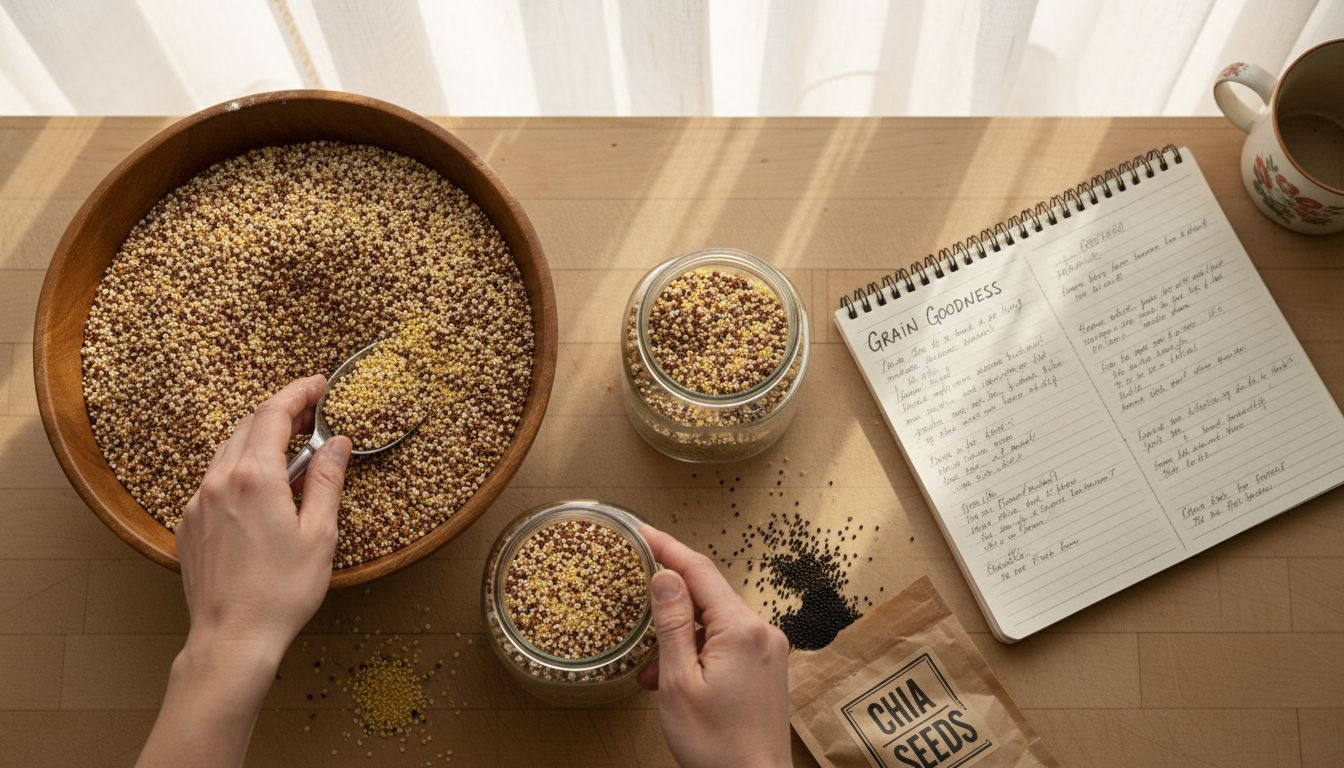
Ancient grains like spelt, buckwheat, quinoa, millet, sorghum, kamut, amaranth, and teff offer remarkable nutritional profiles that support sustained energy and metabolic health. These grains have remained largely unchanged for centuries, retaining their original nutritional integrity. Unlike refined grains, they provide essential fibre, vitamins, minerals, and polyphenols that contribute to steady blood sugar levels and prolonged energy release.
When incorporating these grains, focus on diversity and portion control. Combine different ancient grains with seeds like chia, flax, and hemp to create nutrient dense meals that support your low carb high protein vegan fitness strategy. Seeds provide healthy fats, additional protein, and micronutrients that complement the complex carbohydrate profile of ancient grains.
Expert Tip: Experiment with grain and seed combinations to discover unique flavour profiles and nutritional synergies.
Step 3: Prepare ingredients for optimal nutrient retention
Maximising the nutritional value of your low carb high protein vegan meals begins with understanding food preparation techniques that preserve essential nutrients. Your cooking method can significantly impact the bioavailability and quality of the nutrients in your ingredients.
Start by selecting gentle cooking techniques that protect plant nutrients. Steaming, poaching, and brief microwave cooking are superior methods that minimise nutrient loss. When preparing vegetables and grains, avoid prolonged exposure to water or high temperatures. Quick cooking preserves water soluble vitamins like B and C, while maintaining the structural integrity of plant proteins and fibres. Chop ingredients just before cooking to reduce oxidation and nutrient degradation.
Plan your preparation strategy to maintain ingredient quality. Wash produce carefully to remove potential contaminants without losing water soluble nutrients. Use minimal water during cooking and choose methods that require short cooking times. Consider techniques like light blanching or quick stir frying that maintain colour, texture, and nutritional density. By treating your ingredients with precision, you will create meals that are both nutrient rich and incredibly flavourful.
Expert Tip: Invest in a stackable steamer to simultaneously cook multiple ingredients while preserving their nutritional profile.
Below is a summary of how cooking methods impact nutrient retention in plant-based ingredients:
| Cooking Technique | Nutrient Retention | Flavour Impact | Suitable For |
|---|---|---|---|
| Steaming | High retention of B/C | Mild, natural taste | Vegetables, tofu |
| Stir Frying | Good retention, some loss | Enhanced with spices | Grains, pulses |
| Boiling | Moderate, losses to water | Soft texture | Potatoes, legumes |
| Roasting | Some loss of vitamins | Rich, caramelised | Seeds, root veg |
Step 4: Cook and combine for flavour and performance
Transforming your low carb high protein vegan ingredients into nutritionally powerful meals requires understanding ingredient combination techniques that enhance both taste and fitness performance. Your culinary approach can turn simple plant proteins into extraordinary nutrient dense meals.
Start by combining complementary plant proteins to create complete amino acid profiles. Pair quinoa with black beans, or blend hemp seeds with lentils to ensure comprehensive protein coverage. Incorporate herbs and spices like turmeric, black pepper, and nutritional yeast to elevate flavour profiles and boost nutrient absorption. Use healthy fats such as extra virgin olive oil or crushed nuts to improve the bioavailability of fat soluble vitamins and enhance overall meal satisfaction.
Cook ingredients thoughtfully to maintain their nutritional integrity and sensory appeal. Use techniques like quick stir frying, steaming, or light roasting that preserve colour, texture, and nutritional density. Consider creating one pot meals like lentil dal, quinoa bowls, or tofu stir fry that blend diverse ingredients seamlessly. By selecting and combining ingredients strategically, you will craft meals that simultaneously fuel your fitness goals and delight your palate.
Expert Tip: Experiment with spice blends and marinades to transform simple plant proteins into gourmet performance meals.
Step 5: Test meals for protein, carb and energy balance
Ensuring optimal nutrition requires strategic meal composition assessment that aligns with your fitness and performance goals. Understanding how to evaluate your plant based meals will help you create nutritionally balanced dishes that support muscle recovery and sustained energy.
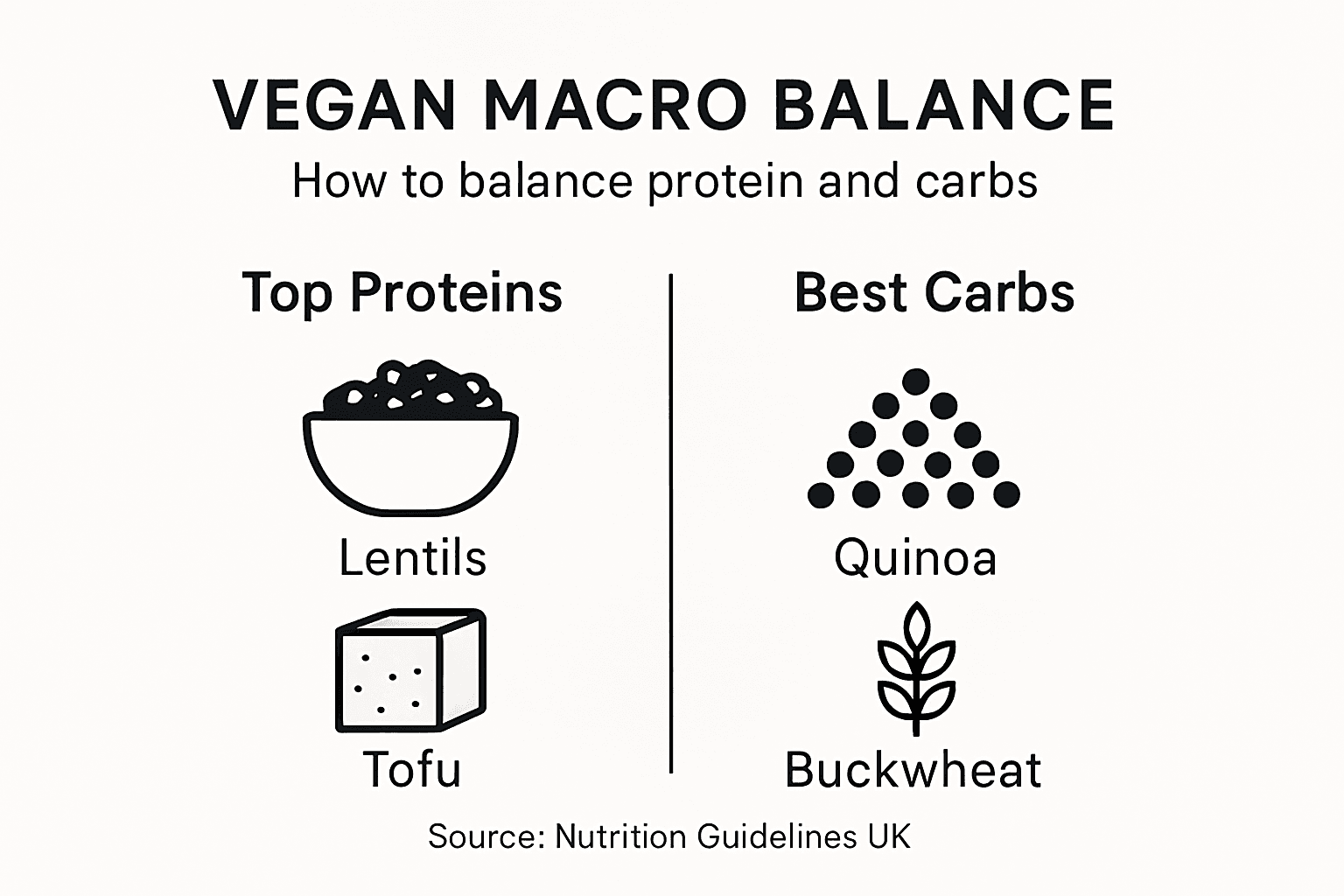
Start by tracking your macronutrient ratios using simple nutrition tracking tools or smartphone applications. Aim for a balanced distribution of approximately 20 30 percent protein, 40 50 percent complex carbohydrates, and 20 30 percent healthy fats. Pay attention to portion sizes and the quality of protein sources. Combine complementary plant proteins like quinoa with legumes to ensure you receive complete amino acid profiles. Consider your individual energy expenditure based on exercise intensity and personal metabolic rate.
Remember that nutrient balance is dynamic and personal. Monitor your energy levels, muscle recovery, and overall performance to fine tune your meal compositions. Consider consulting a registered nutritionist who specialises in plant based diets to get personalised guidance on optimising your nutritional intake. Regular assessment and adjustment will help you create meals that not only meet your fitness goals but also provide sustained vitality.
Expert Tip: Keep a weekly food and performance journal to track how different meal compositions impact your energy and recovery.
Elevate Your Low Carb High Protein Vegan Journey with Granavitalis
Mastering the art of low carb high protein vegan meals demands careful selection of nutrient-dense wholefoods and balanced macronutrients for fitness success. If you are striving to combine complete plant proteins, ancient grains, and mindful preparation to fuel your body with maximum vitality, Granavitalis offers tailored solutions to meet those goals. Our focus on purity, performance, and purpose directly supports your challenge to build strength, enhance recovery, and sustain energy while honouring traditional wholefood nutrition.
Discover how our range of Vegan Protein Powders can provide clean, high-impact plant protein to complement your diet without compromising your low carb objectives. To optimise energy and metabolic support, explore the Metabolic Advantage Pack, designed with ancient grains and nutrient-dense botanicals that align perfectly with your pursuit of balanced meals that satisfy performance needs.
Transform your meal planning with ingredients rooted in time and crafted for today at Granavitalis. Take the next step now: fuel your fitness journey with wholefood vitality and unlock the power of real nutrition made for your lifestyle.
Frequently Asked Questions
How can I select wholefood British vegan protein sources for my meals?
To select wholefood British vegan protein sources, focus on ingredients like black beans, quinoa, tofu, tempeh, lentils, chickpeas, nuts, and seeds. Combine different protein sources weekly to create diverse and nutritionally balanced meals while ensuring a complete amino acid intake.
What are some ancient grains and seeds I can include in my low carb high protein vegan diet?
Incorporate ancient grains such as spelt, buckwheat, quinoa, and millet, along with seeds like chia, flax, and hemp. Combining these will provide essential nutrients and help maintain balanced blood sugar levels.
What cooking methods are best for retaining nutrients in my vegan meals?
To retain nutrients, use gentle cooking methods like steaming, poaching, or quick stir frying. For example, steaming vegetables preserves most water-soluble vitamins and enhances their flavour, making it a preferred technique for meal prep.
How can I ensure my low carb high protein vegan meals are balanced?
Ensure your meals are balanced by tracking your macronutrient ratios, aiming for roughly 20-30% protein, 40-50% complex carbohydrates, and 20-30% healthy fats. Regularly assess your meals and adjust ingredients to meet your fitness goals and energy needs.
What is the best way to combine ingredients for flavour and performance?
Combine complementary plant proteins, such as quinoa with black beans, to create complete amino acids. Experiment with herbs, spices, and healthy fats to enhance the flavour while boosting nutrient absorption and overall enjoyment of your meals.
How can I test the effectiveness of my meals on my fitness performance?
Monitor your energy levels, muscle recovery, and performance after meals to evaluate their effectiveness. Keeping a food and performance journal can help you identify which meal compositions boost your fitness success and energy.
Recommended
- Complete Guide to High Protein Foods Vegetarian Low Fat – Granavitalis
- Top 10 Vegan Sources of Protein for Your Diet – Granavitalis
- Vegetarian High Protein – Smart Energy For Active Lives – Granavitalis
- 7 Vegan Meals High in Protein for a Healthy Diet – Granavitalis
- 7 Reasons to Try Vegan Thai Recipes in Las Vegas