
What Are Gluten Free Flours? Ancient Grains Explained
More than half of british consumers are now actively seeking gluten free flour options, yet confusion still lingers about what truly makes a flour gluten free. For health-conscious adults balancing busy lives and fitness routines, choosing the right ancient grain can feel daunting. This guide clears up common myths, explains different flour types, and shows how UK standards protect you when adding nutritious, gluten free ingredients to your daily meals.
Table of Contents
- Defining Gluten Free Flour And Common Misconceptions
- Types Of Gluten Free Flour And Ancient Grain Options
- How Gluten Free Flour Works In Modern Baking
- Uk Labelling Laws And Gluten Free Certification
- Choosing And Using Gluten Free Flour Safely
Key Takeaways
| Point | Details |
|---|---|
| Understanding Gluten Free Flour | Gluten free flour is a diverse range of flour alternatives made without gluten, essential for those with coeliac disease or gluten sensitivity. |
| Types of Gluten Free Flours | Ancient grains and legumes offer rich nutritional profiles; varieties include quinoa, buckwheat, and chickpea flours, each suitable for specific baking applications. |
| Baking Techniques | Successful gluten free baking requires blending different flours with binding agents like xanthan gum to achieve desired texture and moisture retention. |
| Safety and Storage | Proper storage in airtight containers and rigorous hygiene practices are crucial to prevent cross-contamination and ensure the safety of gluten free products. |
Defining Gluten Free Flour and Common Misconceptions
Gluten free flour represents a diverse category of grain and seed-based powders specifically manufactured without gluten proteins. These alternative flours are essential for individuals managing coeliac disease, gluten sensitivity, or those seeking diverse nutritional profiles. Nutritional studies highlight that gluten free flours derive from non-wheat sources including pseudo-cereals, legumes, and ancient grains.
Contrary to popular misconception, gluten free flour is not simply a single type of product. Instead, it encompasses a wide range of alternatives such as rice flour, quinoa flour, buckwheat flour, and almond flour. Each variation offers unique nutritional characteristics and functional properties. Some are higher in protein, while others provide distinct textures for baking and cooking. The key distinction is their complete absence of gluten proteins that trigger immune responses in sensitive individuals.
Understanding gluten free flour requires recognising that these products often require specific blending techniques to replicate traditional wheat flour’s binding and structural properties. Manufacturers and home bakers frequently combine multiple gluten free flours with binding agents like xanthan gum to achieve similar performance in baking. The goal is creating products that mimic the elasticity and structure traditionally provided by gluten.
Kitchen Pro Tip: When experimenting with gluten free flours, always start with small batch testing and be prepared to adjust liquid ratios, as these alternative flours absorb moisture differently compared to wheat flour.
Types of Gluten Free Flour and Ancient Grain Options
Ancient grains offer an expansive and nutritionally rich landscape of gluten free flour alternatives. Research exploring gluten free flour varieties reveals an impressive array of options derived from pseudo-cereals, legumes, and traditional grains that provide unique nutritional profiles. These alternatives include quinoa, amaranth, buckwheat, millet, teff, rice, and chickpea flours, each bringing distinctive characteristics to gluten free cooking and baking.
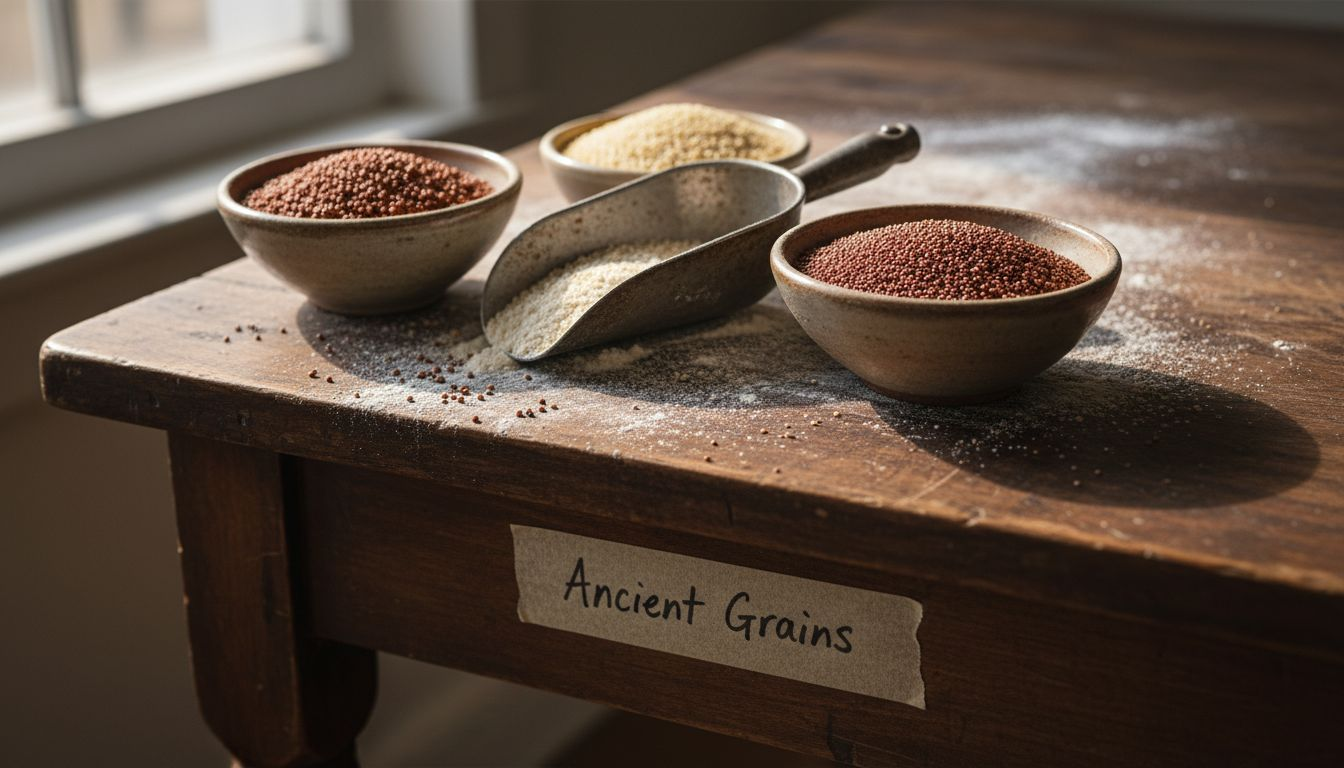
Pseudo-cereals like quinoa and amaranth stand out as particularly nutrient-dense gluten free flour options. These ancient grains are packed with complete proteins, essential amino acids, and higher mineral content compared to traditional wheat flour. Buckwheat flour, despite its name, is not related to wheat and offers a robust, earthy flavour profile that works exceptionally well in pancakes, breads, and savoury baked goods. Legume-based flours such as chickpea and gram flour provide additional protein and a rich, nutty taste that enhances both sweet and savoury recipes.
Innovative research in ancient grains highlights the potential of sorghum, fonio, and millet as emerging gluten free flour alternatives. These grains not only meet dietary restrictions but also introduce exciting textural and flavourful dimensions to gluten free products. Teff flour, originating from Ethiopia, offers exceptional nutritional density and a subtle, slightly sweet flavour that works brilliantly in flatbreads and baked goods. Rice flour remains a staple gluten free option, available in white and brown varieties, providing a neutral base for many recipes.
Kitchen Pro Tip: When working with ancient grain flours, always blend multiple varieties to achieve optimal texture and nutritional balance, as each flour has unique moisture absorption and binding properties.
To help distinguish popular gluten free flour options, here is a comparison of their key nutritional qualities and typical uses:
| Flour Type | Nutritional Highlights | Best Uses |
|---|---|---|
| Quinoa | Complete protein, high minerals | Breads, pancakes |
| Buckwheat | Fibre-rich, earthy flavour | Savoury baking, pancakes |
| Chickpea | High protein, nutty taste | Fritters, sweet baking |
| Rice (Brown) | Neutral taste, source of fibre | Cakes, general pastries |
| Teff | Iron-rich, sweet notes | Flatbreads, muffins |
| Almond | Healthy fats, protein | Cookies, cakes, pastries |
How Gluten Free Flour Works in Modern Baking
Advanced baking techniques for gluten-free flour reveal a complex scientific approach to replacing traditional wheat flour’s structural properties. Without gluten’s natural protein network, gluten-free flours require strategic ingredient combinations to achieve similar baking outcomes. Bakers must carefully balance starches, proteins, and binding agents to create products with appropriate texture, rise, and moisture retention.
The primary challenge in gluten-free baking lies in replicating gluten’s unique elasticity and gas-trapping capabilities. Hydrocolloids like xanthan gum, psyllium husk, and guar gum become essential structural replacements, mimicking gluten’s ability to create a cohesive dough matrix. These additives help stabilise the mixture, improve moisture retention, and prevent the crumbly, dense texture often associated with gluten-free baked goods.
Gluten-free bread technology demonstrates that successful baking requires a sophisticated blend of alternative grains, pseudo-cereals, and strategic binding agents. Professional bakers often develop custom flour blends combining multiple gluten-free flours like rice, almond, chickpea, and quinoa to achieve optimal texture and nutritional balance. Enzymatic treatments and specialised mixing techniques further enhance the structural integrity of gluten-free products, allowing for improved volume, crumb consistency, and overall eating experience.
Kitchen Pro Tip: Experiment with different hydrocolloid ratios and always allow gluten-free batters to rest for 15-30 minutes before baking to improve moisture absorption and structural development.
UK Labelling Laws and Gluten Free Certification
UK gluten-free labelling regulations establish strict standards protecting consumers with gluten-related dietary requirements. The legislation mandates that any product labelled ‘gluten free’ must contain 20 parts per million (ppm) or less of gluten, a critical threshold for individuals managing coeliac disease and gluten sensitivities. This regulation, governed by Regulation (EU) No 828/2014, ensures consumers can confidently select products without risking adverse health reactions.
Manufacturers must provide comprehensive ingredient transparency, explicitly highlighting potential gluten sources like wheat, barley, rye, and contamination-risk oats. Food allergen labelling guidance requires detailed allergen information on both prepacked and catering food products. The Coeliac UK Crossed Grain trademark represents an additional voluntary certification, offering consumers an extra layer of confidence in product safety and gluten-free compliance.
Certification goes beyond mere labelling, involving rigorous testing and verification processes. Manufacturers must implement strict manufacturing protocols to prevent cross-contamination, including dedicated gluten-free production lines and comprehensive ingredient screening. Independent certification bodies conduct regular audits, ensuring that gluten-free claims meet the highest standards of safety and accuracy for vulnerable consumers.
Kitchen Pro Tip: Always cross-reference product labels with certification marks and contact manufacturers directly if you have specific dietary concerns about gluten content.
Choosing and Using Gluten Free Flour Safely
Safe flour handling practices are crucial for preventing potential health risks, especially for individuals with dietary sensitivities. Gluten free flours require meticulous storage, preparation, and handling to maintain their nutritional integrity and prevent cross-contamination. Understanding proper techniques ensures both safety and optimal culinary performance, protecting vulnerable consumers from potential foodborne illnesses and allergic reactions.
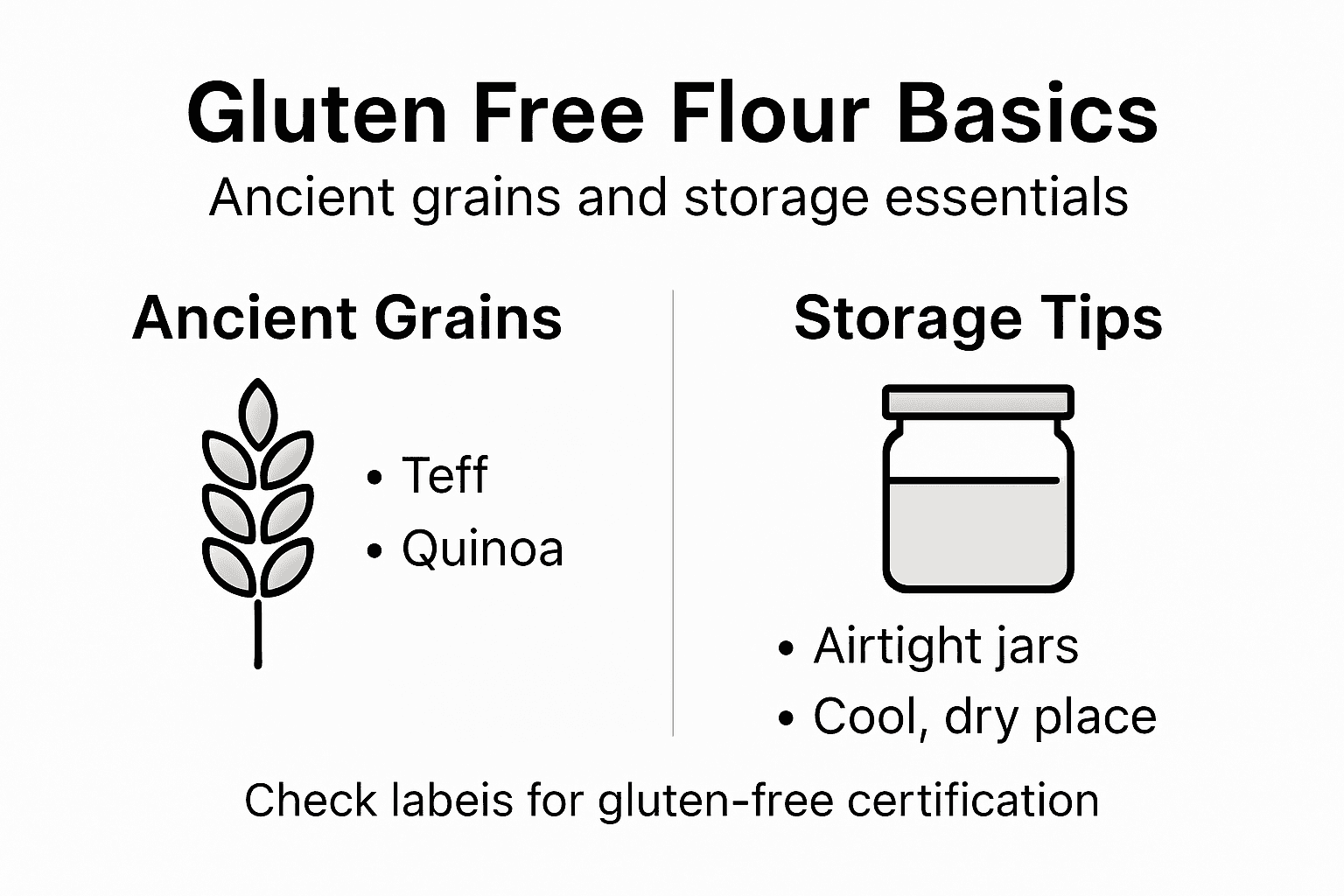
Storage becomes paramount when managing gluten free flours. Consumers should store these specialty flours in airtight containers, kept in cool, dry environments away from direct sunlight and moisture. Different gluten free flours have varying shelf lives, with nut-based and seed flours being more susceptible to rancidity. Always check packaging for specific storage instructions and use-by dates, rotating your flour stock to ensure maximum freshness and nutritional quality.
Nutritional guidance recommends consulting healthcare professionals when introducing new gluten free flour varieties into your diet. NHS gluten-free prescribing guidelines emphasise the importance of professional dietary advice, particularly for individuals managing coeliac disease. This approach ensures that dietary modifications meet individual nutritional requirements while maintaining overall health and wellbeing.
Kitchen Pro Tip: Always use separate preparation surfaces and utensils for gluten free flour to prevent potential cross-contamination, and wash hands thoroughly before and after handling to maintain food safety standards.
Below is a summary of gluten free flour handling essentials for safe kitchen use:
| Safety Concern | Proper Action | Reason |
|---|---|---|
| Cross-contamination | Use separate tools and surfaces | Prevent gluten traces |
| Storage | Airtight containers, cool location | Preserve freshness |
| Expiry Management | Rotate stock, check use-by date | Avoid spoilage |
| Personal Hygiene | Wash hands thoroughly before/after | Reduce contamination |
Elevate Your Baking with Authentic Gluten Free Ancient Grains
Discover the power of truly gluten free flours crafted from ancient grains that deliver both nutrition and performance for your dietary needs. Managing coeliac disease or gluten sensitivities requires more than replacing wheat flour with any alternative. It demands clean, nutrient-dense options that replicate the texture and flavour of traditional baking while supporting your wellbeing. That is exactly what you find in our carefully sourced selection of Gluten Free Flours at Granavitalis.
Explore our range to experience the purity and purpose of ancient grains like quinoa, buckwheat and teff alongside superior binding and moisture absorption properties. Avoid disappointment with flours that meet UK safety standards and give you the confidence to create wholesome, delicious recipes. Visit us today at Granavitalis and embrace gluten free baking that honours tradition while fuelling your modern life. Begin your journey now by viewing our full collection of All Flours or dive deeper into the natural richness of heritage Grains. Take control of your nutrition with products rooted in time and crafted for today.
Frequently Asked Questions
What are gluten free flours made from?
Gluten free flours are made from a variety of non-wheat sources such as pseudo-cereals, ancient grains, legumes, and nuts, including quinoa, buckwheat, chickpeas, and almond flour. These flours do not contain gluten proteins that can trigger adverse reactions in sensitive individuals.
How can I successfully bake with gluten free flours?
To achieve successful results in gluten free baking, it is essential to use a blend of different gluten free flours along with binding agents such as xanthan gum or psyllium husk. This combination helps replicate the structure, texture, and elasticity typically provided by gluten in traditional baked goods.
What are ancient grains and how do they differ from regular gluten free flours?
Ancient grains, such as quinoa, amaranth, and teff, are whole grains that have not been genetically modified and are often more nutrient-dense than typical gluten free flours. They offer unique flavours, textures, and nutritional profiles, making them excellent alternatives for gluten free baking and cooking.
How should I store gluten free flours to ensure freshness?
Gluten free flours should be stored in airtight containers in a cool, dry location away from direct sunlight. It’s important to check the shelf life of each flour type, as some, like nut flours, may have shorter shelf lives and can go rancid more quickly than other flours.
Recommended
- What Is Gluten in Ancient Grains? Complete Guide – Granavitalis
- Gluten in Ancient Grains – Benefits and Realities Revealed – Granavitalis
- Understanding Gluten-Free Ancient Grains Guide – Granavitalis
- Ancient Flour Varieties – Revitalising Modern Wellbeing – Granavitalis
- Gluten informatie en overzicht - Mijn Voedsel Intolerantie Test