
Plant-Based Porridge – Tradition Meets Modern Vitality
Most British mornings start with a familiar bowl, yet plant-based porridge is quietly changing breakfast habits across the nation. With nearly 30 percent of British adults now seeking healthier, plant-focused options, the shift away from traditional recipes is gaining real momentum. Discover how this nutrient-rich meal draws on both ancient grains and modern science to support lasting energy, satisfy hunger, and offer a delicious new routine packed with wellness benefits.
Table of Contents
- Plant-Based Porridge Explained and Core Benefits
- Ancient Grains and Modern Blends Used
- Essential Nutrients and Protein Sources
- Building the Perfect Functional Bowl
- Common Mistakes and How to Avoid Them
Key Takeaways
| Point | Details |
|---|---|
| Nutritional Foundation | Plant-based porridge utilises ancient grains, nuts, seeds, and plant proteins to provide a nutrient-dense breakfast option that supports overall wellbeing. |
| Health Benefits | Consuming plant-based porridge can lead to improved metabolic function, sustained energy release, and enhanced digestive health due to its high fibre content. |
| Ingredient Selection | Thoughtful combinations of diverse plant protein sources allow for complete amino acid profiles and optimise the nutritional value of meals. |
| Avoiding Common Mistakes | Proper grain hydration, diverse ingredient integration, and attention to cooking methods are essential for maximising the health benefits and flavour of plant-based porridge. |
Plant-Based Porridge Explained and Core Benefits
Plant-based porridge represents a powerful nutritional approach that transforms traditional breakfast routines into modern wellness practices. By combining ancient grain wisdom with contemporary nutritional science, this versatile meal offers a robust foundation for daily vitality. The core philosophy centres on delivering nutrient-dense ingredients that support sustained energy, metabolic health, and overall wellbeing.
At its essence, plant-based porridge integrates wholefood ingredients like ancient grains, nuts, seeds, and plant-based proteins to create a remarkably nutritious breakfast option. Modern nutritional assessments of plant-based dietary approaches highlight significant potential health benefits, including improved metabolic function and reduced inflammation markers. These nutrient-rich alternatives provide a comprehensive nutritional profile that goes far beyond traditional grain-based breakfasts.
The core benefits of plant-based porridge extend across multiple wellness dimensions:
- Sustained Energy Release: Complex carbohydrates and plant proteins provide steady, long-lasting metabolic fuel
- Digestive Support: High fibre content promotes gut microbiome health
- Protein Optimisation: Carefully combined plant proteins deliver complete amino acid profiles
- Nutrient Density: Packed with vitamins, minerals, and antioxidants from whole ingredient sources
Culinary innovations in ancient grain preparation demonstrate how traditional ingredients can be transformed into modern, nutritionally sophisticated meals. By understanding the intricate balance between heritage grains and contemporary nutritional science, individuals can craft porridge experiences that are both deeply satisfying and strategically nourishing.
Ancient Grains and Modern Blends Used
Ancient grains represent a nutritional powerhouse that bridges traditional food wisdom with contemporary wellness approaches. These remarkable ingredients have sustained human populations for thousands of years, offering remarkable nutrient profiles that modern dietary science increasingly validates. From quinoa and amaranth to teff and millet, each grain brings unique nutritional characteristics that transform plant-based porridge into a strategic health intervention.
Exploring the sustainable potential of ancient grains reveals their exceptional versatility in modern nutritional strategies. Quinoa, for instance, provides a complete protein profile with all nine essential amino acids, while amaranth delivers significant mineral content including calcium, magnesium, and iron. These grains are not merely historical curiosities but active contributors to contemporary nutritional science.
The most compelling modern blends integrate multiple ancient grain varieties to create comprehensive nutritional profiles:
- Protein-Rich Combinations: Mixing quinoa, amaranth, and buckwheat for complete amino acid coverage
- Mineral-Dense Blends: Integrating teff, millet, and sorghum for robust micronutrient intake
- Antioxidant Powerhouses: Combining grains with seeds like chia and hemp for enhanced nutritional complexity
- Digestive Support Mixes: Selecting grains with complementary prebiotic and fibre characteristics
Ancient grain nutrition strategies demonstrate how thoughtful ingredient selection can transform a simple porridge into a sophisticated nutritional intervention. By understanding the intricate biochemical profiles of these remarkable grains, individuals can craft meals that are simultaneously rooted in tradition and optimised for modern metabolic demands.
Essential Nutrients and Protein Sources
Plant-based porridge represents a sophisticated nutritional strategy that delivers comprehensive protein and nutrient profiles through carefully selected wholefood ingredients. Understanding the intricate balance of amino acids, minerals, and micronutrients is crucial for creating truly nourishing meals that support metabolic health, muscle maintenance, and sustained energy throughout the day.
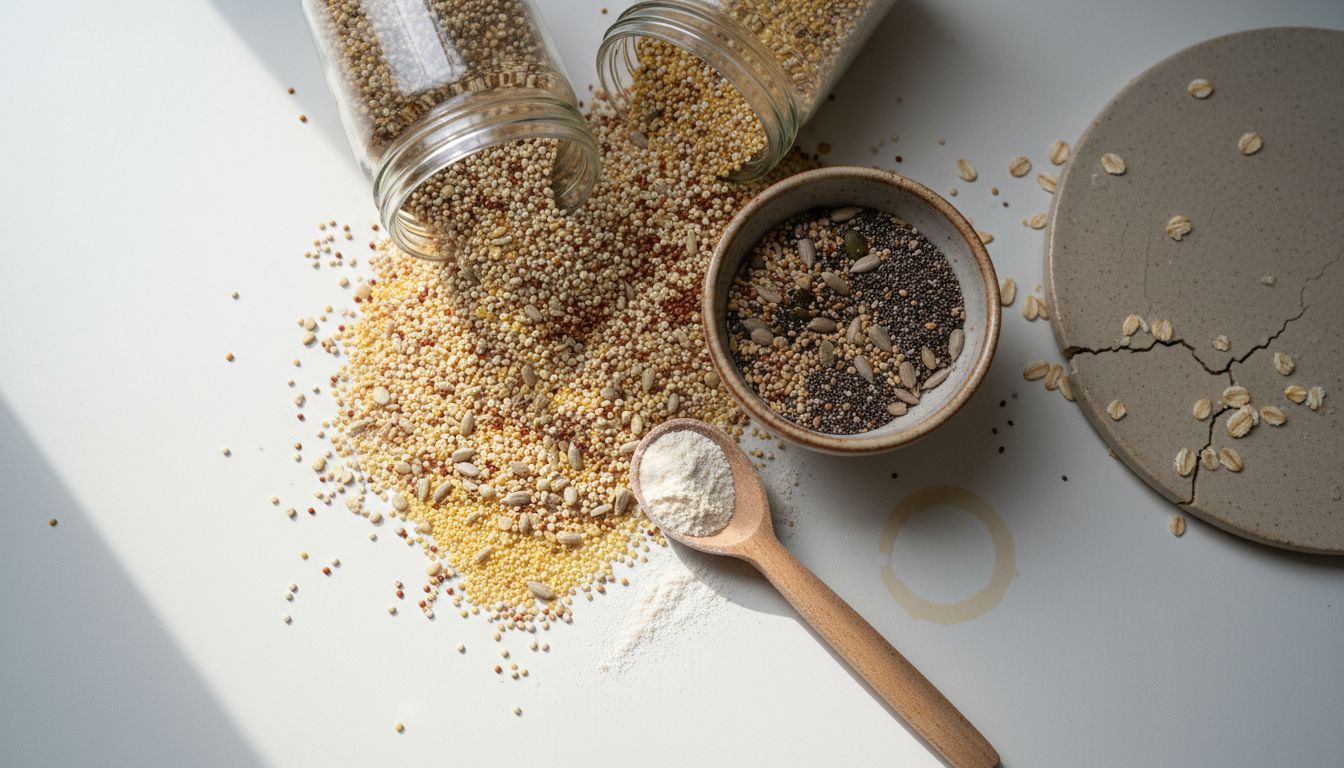
Innovative grain blends demonstrate how multiple protein sources can be strategically combined to achieve optimal nutritional outcomes. Plant proteins from sources like legumes, seeds, and ancient grains provide complete amino acid profiles that rival traditional animal-based protein sources. These nutrient-dense ingredients not only support muscle recovery but also contribute essential micronutrients that enhance overall physiological function.
Key plant-based protein sources for porridge preparation include:
- Legume Proteins: Chickpea flour, yellow split pea protein
- Seed Proteins: Hemp seeds, chia seeds, pumpkin seeds
- Grain Proteins: Quinoa, amaranth, buckwheat
- Nut-Based Proteins: Almond flour, cashew protein
Comprehensive protein blends illustrate how multiple grain types can be integrated to create a nutritionally robust breakfast option. By understanding the unique protein compositions of different plant sources, individuals can craft porridge experiences that are not just meals, but targeted nutritional interventions designed to support optimal physical and cognitive performance.
Building the Perfect Functional Bowl
Creating a functional plant-based porridge bowl goes beyond simple nutrition - it represents a holistic approach to personalised wellness that strategically combines ingredients to support specific health objectives. The art of bowl composition involves understanding how different nutritional components interact to deliver sustained energy, metabolic support, and targeted physiological benefits.
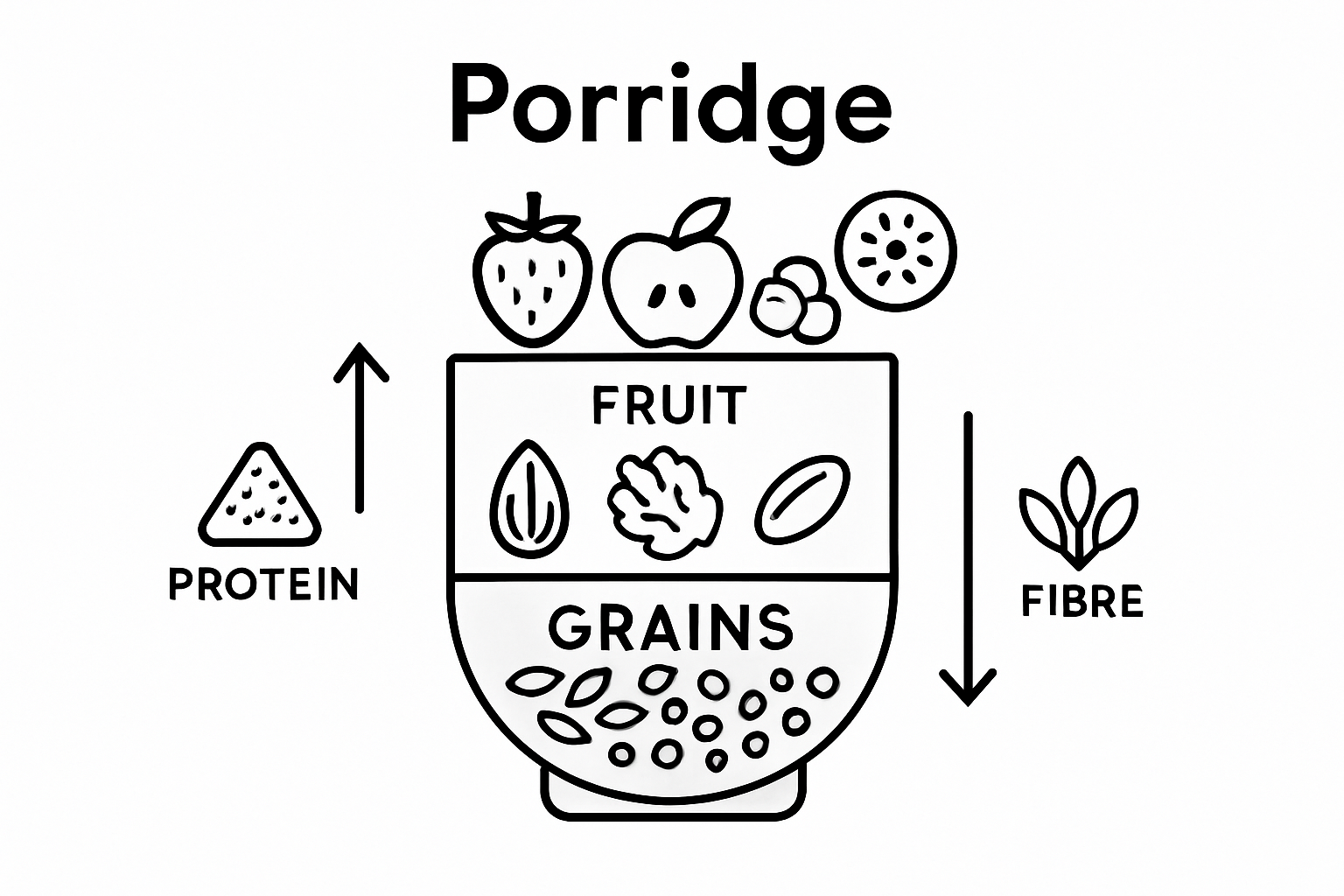
Nutrient-rich breakfast strategies reveal that optimal porridge design requires a thoughtful layering of complementary ingredients. Base ingredients like ancient grains provide fundamental nutritional structure, while functional boosters such as nuts, seeds, and botanical powders transform a simple meal into a sophisticated nutritional intervention.
Key considerations for constructing a balanced functional bowl include:
- Protein Foundation: Choose high-quality plant proteins (quinoa, hemp seeds)
- Micronutrient Density: Incorporate diverse seeds and nuts
- Metabolic Enhancers: Add adaptogenic powders or herbal supplements
- Texture and Satiety: Include varied ingredients with different nutritional profiles
- Digestive Support: Integrate prebiotic and probiotic elements
The ultimate functional bowl is not merely a meal, but a carefully orchestrated nutritional strategy that adapts to individual metabolic needs, supporting physical performance, cognitive function, and long-term wellness through intelligent ingredient selection and mindful preparation.
Common Mistakes and How to Avoid Them
Plant-based porridge preparation involves numerous potential pitfalls that can compromise both nutritional integrity and culinary enjoyment. Novice practitioners often approach these nutrient-dense meals with enthusiasm but inadvertently undermine their nutritional potential through common technical and conceptual errors that diminish the overall wellness experience.
Modern approaches to ancient grain preparation reveal that ingredient selection and cooking technique are critically interconnected. Many individuals mistakenly treat plant-based porridge as a uniform culinary category, failing to recognise the nuanced requirements of different grain types, protein sources, and nutritional objectives.
Key mistakes to avoid in plant-based porridge preparation include:
- Improper Grain Hydration: Not allowing sufficient soaking time for optimal nutrient release
- Uniform Cooking Methods: Applying identical techniques across different grain varieties
- Nutritional Imbalance: Overlooking protein complementarity and micronutrient diversity
- Texture Neglect: Failing to understand how different ingredients influence mouthfeel and digestibility
- Oversimplification: Treating porridge as a one-dimensional meal rather than a sophisticated nutritional strategy
Successful plant-based porridge preparation demands a holistic understanding that transcends basic cooking techniques. By approaching each bowl as a personalised nutritional intervention, individuals can transform a simple breakfast into a targeted wellness experience that supports metabolic function, sustained energy, and long-term physiological optimisation.
Embrace Plant-Based Vitality with Traditional Wisdom and Modern Nutrition
If you are seeking to elevate your breakfast into a powerful, nutrient-dense experience, understanding the intricate balance of ancient grains and plant proteins is key. Many struggle with creating porridge that truly fuels sustained energy while supporting metabolic health and digestion. At Granavitalis we provide thoughtfully crafted gluten free flours and nutrient-rich blends that honour traditional ingredients and meet modern wellness goals. Our offerings are designed to overcome common pitfalls by delivering purity, performance and purpose in every bowl.
Discover the difference that real wholefoods can make in building your perfect functional porridge. Whether you want to optimise protein intake or boost digestive support, our range supports your journey to smart energy and clean living. Let us help you transform your breakfasts into holistic nutritional interventions rooted in heritage and tailored for today’s demands.
Start your wellness journey with Granavitalis Gluten Free Flours and explore specialised nutritional packs like the Metabolic Advantage Pack designed to enhance vitality from within. Visit us now at Granavitalis. Ready to fuel your future by honouring the past?
Take the step today to craft your own nourishing plant-based porridge bowl that supports sustained energy, balanced metabolism and overall wellbeing. Explore our selection to find the perfect ingredients for your personalised nutritional strategy.
Frequently Asked Questions
What are the benefits of including plant-based porridge in my diet?
Plant-based porridge offers sustained energy release, digestive support, protein optimisation, and is nutrient-dense, providing a robust foundation for overall wellbeing and metabolic health.
How can I create a balanced and functional plant-based porridge bowl?
To build a balanced bowl, start with a base of ancient grains, add high-quality plant proteins, incorporate diverse seeds and nuts for micronutrient density, and consider adding adaptogenic powders or probiotics for enhanced health benefits.
What common mistakes should I avoid when preparing plant-based porridge?
Key mistakes include improper grain hydration, uniform cooking methods for different grains, neglecting protein complementarity, ignoring texture variety, and oversimplifying the meal as just a basic dish rather than a sophisticated nutritional strategy.
How do ancient grains contribute to the nutritional profile of plant-based porridge?
Ancient grains like quinoa, amaranth, and teff provide essential amino acids, minerals, and fibre, enhancing the overall nutritional richness of the porridge and supporting various health functions.