
Mastering ancient grains hydration for better health
Many health-conscious eaters assume soaking ancient grains is merely about softening them for cooking. The truth is far more transformative. Proper hydration unlocks enzymes that dismantle antinutrients, boosting mineral absorption by up to 50% and turning these heritage seeds into nutritional powerhouses. Yet confusion persists about optimal soaking times, which grains benefit most, and whether sprouting or fermentation delivers better results. This guide cuts through the noise, explaining exactly how hydration works, which techniques suit different ancient grains, and how to maximise nutrient uptake safely at home.
Table of Contents
- Key takeaways
- How ancient grains hydration affects nutrition
- Variations in the hydration process among ancient grains
- Practical hydration techniques for optimal nutrient absorption
- Balancing hydration benefits with practical considerations
- Explore Granavitalis products to complement your ancient grain journey
- Frequently asked questions
Key Takeaways
| Point | Details |
|---|---|
| Phytic acid reduction | Soaking and sprouting reduce phytic acid by about 31 to 44 per cent, boosting mineral absorption. |
| Grain hydration differences | Different ancient grains hydrate at different rates, altering water needs and post soaking cooking times. |
| Vitamin C boost | Adding lemon juice during soaking boosts phytase activity and Vitamin C enhances iron absorption when the grains are cooked. |
| Sprouting advantages | Sprouting triggers enzyme activity that further reduces phytic acid and improves digestibility beyond soaking. |
How ancient grains hydration affects nutrition
When you soak ancient grains for 8-12 hours, you’re not just adding water. You’re triggering a cascade of enzymatic activity that fundamentally alters the grain’s nutritional profile. Soaking in acidic medium activates phytase, the enzyme responsible for breaking down phytic acid, which otherwise binds to minerals like iron, calcium and zinc, preventing your body from absorbing them. Research confirms that soaking reduces phytic acid by 31-44% depending on how long you soak and which grain you choose.
The process works because water penetration softens the outer layers, allowing naturally present enzymes to access and degrade antinutrients. Harder grains like brown rice benefit from extended soaking periods closer to 12 hours, whilst softer varieties like quinoa reach optimal hydration faster. The acidic environment matters enormously. Adding a tablespoon of lemon juice or apple cider vinegar to your soaking water creates conditions where phytase operates most efficiently, accelerating antinutrient breakdown compared to plain water alone.
Sprouting takes hydration benefits further by initiating germination. Once a grain begins to sprout, it activates three critical enzyme families: amylase breaks down complex starches into simpler sugars, protease splits proteins into amino acids, and phytase continues dismantling phytic acid. This enzymatic symphony improves digestibility and increases mineral bioavailability beyond what soaking achieves. Your body can then extract significantly more nutrition from each serving, transforming ancient grains from good to exceptional fuel sources.
Key hydration mechanisms:
- Phytase activation reduces mineral-binding antinutrients
- Enzyme release improves protein and carbohydrate digestibility
- Water penetration softens grain structure for easier cooking
- Acidic conditions enhance phytic acid breakdown rates
Pro Tip: Add a squeeze of fresh lemon juice to your soaking water. The acidity boosts phytase activity whilst the vitamin C content will later enhance iron absorption when you eat the cooked grains.
“Proper grain preparation through soaking and sprouting represents one of the simplest yet most impactful interventions for improving mineral nutrition from plant-based diets.”
For practical guidance on preparing different ancient grain varieties, explore our ancient grains preparation guide for detailed techniques tailored to each grain type.
Variations in the hydration process among ancient grains
Not all ancient grains hydrate identically. Each variety carries distinct structural characteristics that influence how much water it absorbs, how quickly enzymes activate, and ultimately how long you need to cook it after soaking. Sorghum starches show variety-specific hydration properties, with different cultivars absorbing varying amounts of water based on their amylose content. High-amylose sorghum varieties absorb less water and maintain firmer textures, whilst low-amylose types become softer and more gel-like during hydration.
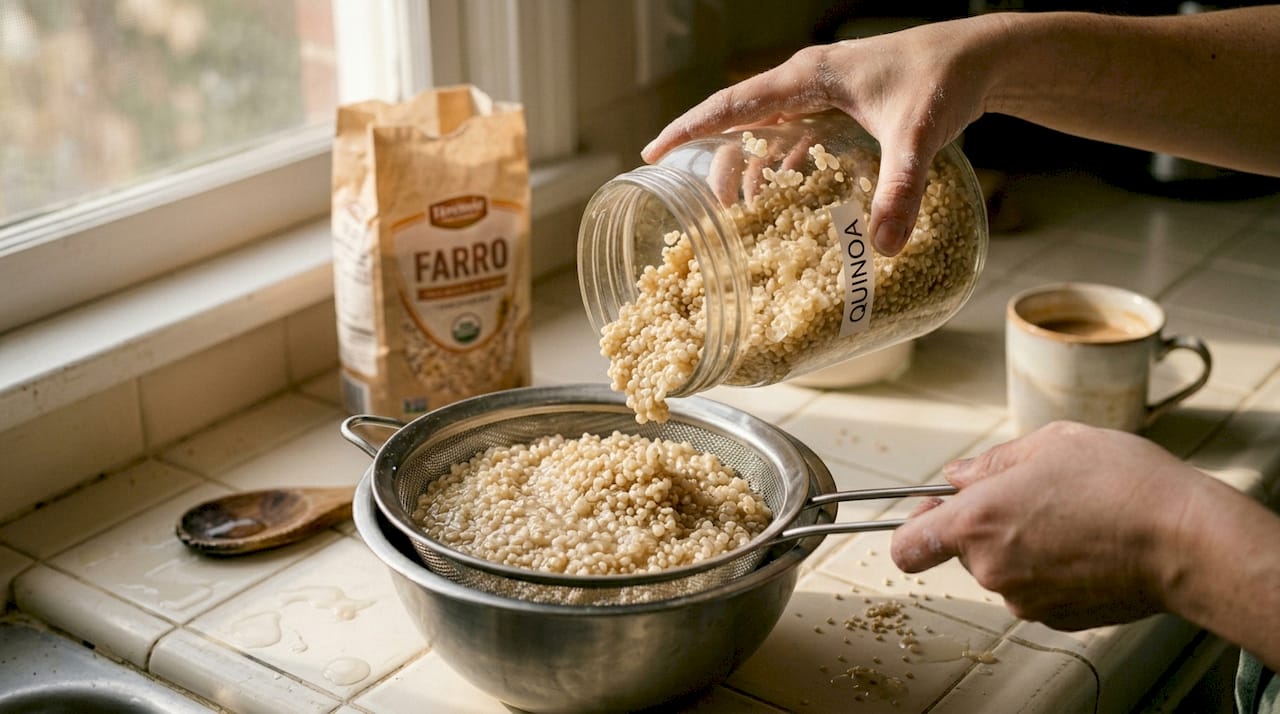
These differences directly impact your kitchen workflow. Quinoa, with its relatively thin seed coat, hydrates quickly and cooks in just 10-15 minutes after soaking. Sorghum, conversely, retains a dense structure even after overnight soaking and requires approximately 50 minutes of cooking to reach optimal tenderness. Millet falls somewhere between, needing about 20 minutes post-soak, whilst teff’s tiny seeds hydrate rapidly but require careful water ratios to avoid mushiness.
| Ancient grain | Optimal soak time | Post-soak cooking time | Water absorption rate |
|---|---|---|---|
| Quinoa | 4-8 hours | 10-15 minutes | High |
| Millet | 6-8 hours | 20 minutes | Moderate-high |
| Sorghum | 12+ hours | 50 minutes | Low-moderate |
| Teff | 2-4 hours | 15-20 minutes | Very high |
| Brown rice | 8-12 hours | 30-40 minutes | Moderate |
| Amaranth | 4-6 hours | 15-20 minutes | High |
These variations affect more than convenience. Grains that hydrate slowly often contain higher concentrations of protective compounds in their outer layers, meaning they benefit most from extended soaking to unlock nutrients. Conversely, quick-hydrating grains risk over-soaking, which can trigger premature fermentation or create conditions for bacterial growth if left too long at room temperature.
Grain-specific hydration considerations:
- Test small batches first to identify optimal soak times for your specific grain source
- Adjust cooking water ratios based on how much water the grain absorbed during soaking
- Monitor texture during cooking as hydrated grains can shift from perfect to mushy quickly
- Store soaked grains in the refrigerator if you cannot cook them immediately
Pro Tip: Keep a kitchen notebook documenting soak times and cooking results for each ancient grain variety you use. Grains from different suppliers or harvest years can vary, and your personalised reference guide ensures consistent results.
Understanding these variations helps you make informed choices about which ancient grains suit your schedule and nutritional goals. Learn more about the unique properties of different varieties in our guide to understanding ancient grains.
Practical hydration techniques for optimal nutrient absorption
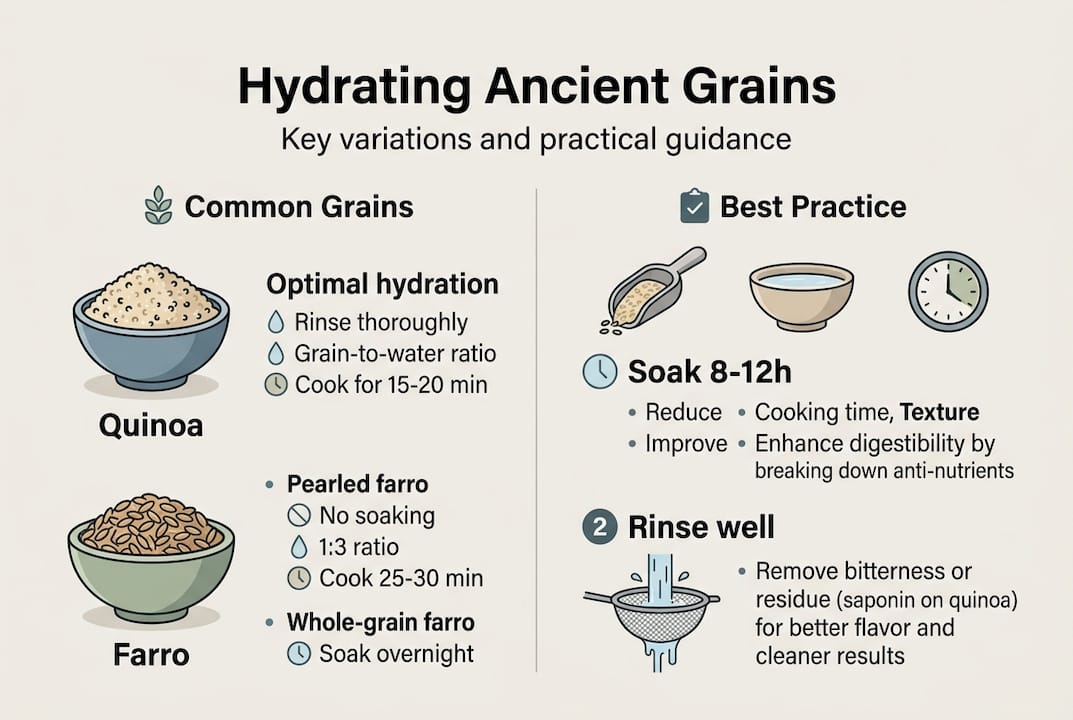
Transforming theoretical knowledge into kitchen practice requires clear, actionable steps. Here’s how to hydrate ancient grains effectively for maximum nutritional benefit:
- Rinse your chosen grain thoroughly under cold running water to remove surface dust and debris.
- Place grains in a glass or ceramic bowl, avoiding reactive metals that might interfere with enzyme activity.
- Cover grains with filtered water at a 3:1 water-to-grain ratio, ensuring complete submersion.
- Add one tablespoon of lemon juice or apple cider vinegar per cup of grains to create the acidic environment phytase requires.
- Cover the bowl with a breathable cloth and leave at room temperature for the grain-specific duration.
- After soaking, drain completely and rinse again with fresh water to remove released antinutrients.
- Cook immediately in fresh water using standard ratios for your chosen grain.
Sprouting after soaking enhances digestibility by activating additional enzymes and improving mineral bioaccessibility beyond what soaking alone achieves. To sprout grains, drain your soaked grains thoroughly, spread them in a single layer in a sprouting tray or colander, and rinse twice daily with fresh water. Most ancient grains show visible sprouting within 24-48 hours. Once tiny shoots appear, rinse thoroughly and cook or refrigerate immediately.
Fermentation becomes essential for heat-treated grains like oats, where the processing temperatures have already deactivated natural enzymes. Soaking alone proves insufficient for these grains. Instead, create a simple ferment by mixing rolled oats with water and a tablespoon of live yoghurt or kefir, then leaving the mixture covered at room temperature for 12-24 hours. The beneficial bacteria produce acids that break down phytic acid effectively, compensating for the absent enzymes.
Advanced nutrient absorption strategies:
- Cook hydrated grains with a pinch of sea salt to further enhance mineral availability
- Serve grains alongside vitamin C-rich vegetables like bell peppers or broccoli
- Avoid consuming grains with tea or coffee, as tannins inhibit iron absorption
- Store cooked grains properly to maintain their improved nutritional profile
Pro Tip: Rinsing grains after soaking and cooking in fresh water optimises hydration benefits. The rinse water carries away released phytic acid and other antinutrients, preventing their reabsorption during cooking.
For creative ways to incorporate properly hydrated ancient grains into your daily meals, visit our guide on how to incorporate ancient grains naturally into your diet.
Balancing hydration benefits with practical considerations
Whilst the science supporting grain hydration appears compelling, real-world application demands acknowledging legitimate concerns and limitations. Some nutrition experts argue that soaking offers minimal cooking time savings under typical home conditions and that phytic acid reduction may prove less dramatic than laboratory studies suggest. They point to potential microbial contamination risks when grains sit in water for extended periods at room temperature, particularly in warm climates.
The debate centres on practicality versus perfectionism. Laboratory conditions that achieve 50% phytic acid reduction involve controlled temperatures, specific pH levels, and precise timing that home cooks rarely replicate exactly. Your kitchen results will likely fall somewhere between the best-case laboratory outcomes and the sceptics’ minimal-benefit claims. The question becomes whether modest improvements in mineral absorption justify the extra effort for your particular situation.
| Method | Phytic acid reduction | Time investment | Contamination risk | Best for |
|---|---|---|---|---|
| No preparation | 0% | None | None | Quick meals, low priority on mineral absorption |
| Simple soaking | 15-30% | 8-12 hours passive | Low if refrigerated | Moderate effort, meaningful benefit |
| Acidic soaking | 31-44% | 8-12 hours passive | Low if refrigerated | Maximum mineral absorption |
| Sprouting | 40-60% | 24-48 hours active | Moderate if hygiene poor | Digestive sensitivity, maximum nutrition |
| Fermentation | 50-70% | 12-24 hours passive | Low with proper starter | Heat-treated grains, gut health focus |
Risk mitigation strategies:
- Refrigerate grains during soaking if ambient temperature exceeds 21°C
- Never soak grains longer than 24 hours without refrigeration
- Discard any batch that develops off odours or visible mould
- Use clean containers and fresh water to minimise bacterial introduction
- Cook soaked grains to proper temperatures (above 74°C) to eliminate potential pathogens
The practical reality is that hydration makes the most difference for people relying heavily on ancient grains as primary nutrition sources, those with mineral deficiencies, or individuals experiencing digestive discomfort from grains. If you eat grains occasionally as a small part of a varied diet rich in other mineral sources, the marginal benefit from soaking may not warrant the effort. However, for health-conscious individuals building meals around ancient grains, proper hydration represents a meaningful intervention.
For context on why ancient grains deserve consideration in your diet regardless of preparation method, read about the hidden costs of modern grains and why ancient varieties offer superior nutritional foundations.
Explore Granavitalis products to complement your ancient grain journey
Once you’ve mastered hydrating and preparing ancient grains, the next step involves building complete, nutrient-dense meals that honour traditional food wisdom whilst meeting modern nutritional needs. Granavitalis offers carefully sourced products that pair beautifully with your hydrated ancient grains, creating meals that deliver sustained energy and wholefood vitality.

Our raw organic pecan butter brings rich, mineral-dense nutrition to breakfast bowls featuring hydrated quinoa or amaranth. The healthy fats enhance absorption of fat-soluble vitamins whilst adding satisfying texture and flavour. For variety, explore our nut and seed butter selection box, which offers multiple complementary flavours to rotate through your weekly grain preparations. Add a handful of our nibbed hazel nuts to cooked millet or sorghum for textural contrast and additional protein, creating meals that honour the principle of combining wholefoods for optimal nutrition.
Frequently asked questions
What is the best soaking time for ancient grains?
Most ancient grains benefit from 8-12 hours of soaking in slightly acidic water, though harder varieties like brown rice and sorghum may require up to 12-14 hours for optimal enzyme activation. The acidic medium, created by adding lemon juice or vinegar, significantly improves phytase activity compared to plain water. Always rinse thoroughly after soaking to remove released antinutrients before cooking.
Does soaking ancient grains reduce cooking time?
Soaking produces modest cooking time reductions for some grains but the primary benefit lies in nutritional improvement rather than convenience. Quinoa and millet may cook 5-10 minutes faster after soaking, whilst dense grains like sorghum show minimal time savings. The real value comes from enhanced mineral bioavailability and improved digestibility, not shortened cooking.
Can all ancient grains be sprouted?
Many ancient grains including quinoa, millet, amaranth and whole grain wheat sprout readily and benefit from the process. However, heat-treated grains like rolled oats or puffed varieties cannot sprout because processing temperatures have killed the seed embryo. For these grains, fermentation using yoghurt or kefir cultures provides an alternative method to reduce antinutrients effectively whilst improving digestibility.