
High Protein No Meat Meals: Ancient Nutrition for Strength
Nearly one in four British adults aim to increase their protein intake while cutting down on meat for better long-term wellness. For those who value muscle recovery and balanced nutrition, choosing plant-based meals can be a challenge without the right knowledge. Explore how high protein, no meat recipes featuring ancient grains can provide complete amino acids, support active lifestyles, and address nutritional gaps—all without sacrificing taste or quality.
Table of Contents
- Defining High Protein No Meat Meals
- Main Plant Protein Sources And Their Benefits
- Ancient Grains For Lasting Wellness
- Balanced Nutrition For Active Lifestyles
- Common Pitfalls And How To Avoid Them
Key Takeaways
| Point | Details |
|---|---|
| Focus on Protein Diversity | Combine various plant proteins to ensure a complete amino acid profile necessary for muscle recovery and metabolism. |
| Incorporate Ancient Grains | Include ancient grains like quinoa and amaranth in your diet for their exceptional nutritional density and health benefits. |
| Strategise Micronutrient Intake | Be mindful of potential micronutrient deficiencies in a meat-free diet and plan for sources rich in iron, B12, zinc, and omega-3. |
| Plan Meals for Active Lifestyles | Prepare weekly meal plans that integrate diverse plant-based foods, ensuring balanced nutrition to support sustained energy and recovery. |
Defining High Protein No Meat Meals
High protein no meat meals represent a strategic nutritional approach that delivers essential amino acids and muscle-supporting nutrients without relying on animal protein sources. These meals focus on plant-based ingredients that provide comprehensive protein profiles, addressing the complex nutritional challenges of protein quality in vegan diets.
At its core, a high protein no meat meal combines diverse plant proteins to create a complete amino acid profile. This typically involves integrating ingredients like legumes, quinoa, tempeh, seitan, and nutritional yeast, which each contribute unique protein structures. The goal is not merely replacing meat, but constructing meals that support muscle recovery, metabolic function, and sustained energy release.
Nutritional research highlights the importance of protein diversity in meat-free diets. Unlike animal proteins, which provide complete amino acid profiles in single sources, plant proteins require thoughtful combination. Strategies include pairing beans with whole grains, incorporating nuts and seeds, and selecting protein-dense pseudocereals like amaranth and quinoa. By understanding these principles, individuals can design meals that match or exceed the protein quality of traditional meat-based nutrition.
Pro tip: Rotate your protein sources weekly to ensure comprehensive amino acid intake and prevent nutritional monotony.
Main Plant Protein Sources and Their Benefits
Plant protein sources represent a diverse and nutritionally robust category of foods that offer essential amino acids and critical health benefits. Alternative protein extraction methods have revolutionised our understanding of how plant-based ingredients can effectively support muscle development and metabolic function.
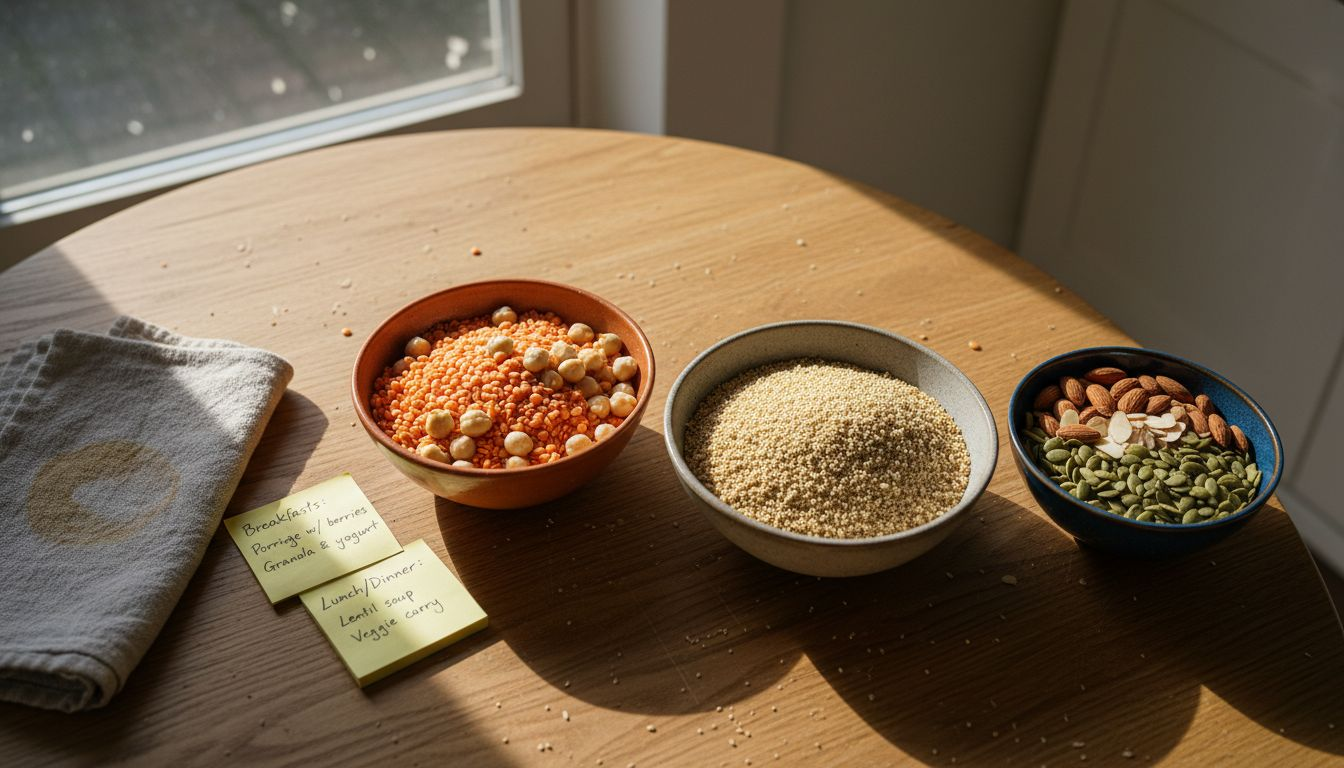
The primary plant protein sources include legumes, cereals, pseudocereals, nuts, and seeds. Legumes like lentils, chickpeas, and black beans stand out as protein powerhouses, providing approximately 15-25 grams of protein per cooked cup. Whole grains such as quinoa and amaranth offer complete protein profiles, containing all nine essential amino acids. Nuts and seeds like almonds, chia, and hemp seeds provide concentrated protein with additional healthy fats, making them exceptional nutritional supplements.
Nutritional research demonstrates that plant proteins offer more than just amino acid content. These sources frequently include additional health-promoting compounds such as fibre, antioxidants, and micronutrients. The nutritional evaluation of plant proteins reveals significant cardiovascular and metabolic advantages, positioning them as strategic alternatives to traditional animal-based proteins. By combining different plant protein sources, individuals can create comprehensive meal plans that support muscle recovery, sustainable energy, and overall metabolic health.
Pro tip: Create protein-rich meals by combining complementary plant proteins like beans with whole grains to ensure a complete amino acid profile.
Here is a comparison of key plant-based protein sources and their notable nutritional contributions:
| Protein Source | Protein per Cooked Cup | Additional Nutritional Benefits |
|---|---|---|
| Lentils | 18g | High in iron and fibre |
| Chickpeas | 15g | Contains folate and potassium |
| Quinoa | 8g | Complete protein, rich in magnesium |
| Black Beans | 15g | Antioxidants and complex carbs |
| Tempeh | 31g | Fermented, gut-friendly probiotics |
| Hemp Seeds | 10g (per 3 tbsp) | Omega-3 fatty acids included |
Ancient Grains for Lasting Wellness
Ancient grains represent a nutritional powerhouse that bridges traditional wisdom with modern wellness needs. Nutrient-dense ancient grain profiles reveal extraordinary potential for supporting comprehensive health through naturally occurring bioactive compounds and exceptional nutritional density.
Quinoa, amaranth, millet, and teff stand out as exceptional examples of these nutritional treasures. Each grain offers unique benefits: quinoa provides complete protein with all nine essential amino acids, amaranth delivers exceptional mineral content, millet supports cardiovascular health, and teff offers remarkable iron and calcium concentrations. These grains are not merely foods but holistic nutritional systems that have sustained human populations for thousands of years, adapting to diverse environmental conditions and providing robust nutritional support.
Sustainable agricultural practices underscore the importance of these grains beyond their nutritional value. Millets, for instance, are drought-resistant crops that require minimal water and can grow in challenging agricultural environments. Their cultivation supports food security, reduces environmental stress, and provides nutritional alternatives that are both health-promoting and ecologically responsible. By incorporating these ancient grains into modern diets, individuals can access a nutritional approach that honours traditional food wisdom while addressing contemporary wellness challenges.
Pro tip: Experiment with different ancient grains in your weekly meal rotation to maximise nutritional diversity and prevent dietary monotony.
Balanced Nutrition for Active Lifestyles
Balanced nutrition for active individuals requires a strategic approach that goes beyond simple calorie counting. Nutrition evidence-based research demonstrates that optimal performance stems from carefully calibrated macronutrient intake, tailored to individual metabolic needs and activity levels.
The core principles of nutrition for active lifestyles centre on three fundamental elements: protein intake, complex carbohydrates, and strategic nutrient timing. Plant-based proteins play a crucial role in this nutritional framework, offering clean, easily digestible sources of amino acids that support muscle recovery and sustained energy. Whole food sources like legumes, quinoa, and nuts provide not just protein, but additional micronutrients that support overall metabolic function and cellular repair.
Active lifestyle nutrition strategies emphasise the importance of holistic approaches to dietary planning. This means considering not just what you eat, but how and when you consume nutrients. Hydration, meal composition, and understanding individual metabolic responses become critical factors in creating a nutrition plan that supports peak physical performance. The goal is not just to fuel activity, but to create a sustainable nutritional approach that promotes long-term health, recovery, and consistent energy levels.
Pro tip: Prepare weekly meal plans that include a diverse range of plant-based proteins and complex carbohydrates to maintain consistent nutritional support.
Common Pitfalls and How to Avoid Them
Navigating the landscape of high protein no meat meals requires strategic awareness of potential nutritional challenges. Protein intake strategies reveal critical insights into avoiding common dietary pitfalls that can compromise nutritional effectiveness and overall wellness.
One significant challenge is the risk of incomplete protein profiles. Plant-based protein sources often lack one or more essential amino acids, making protein combination crucial. This means intentionally pairing complementary proteins like beans with whole grains, or incorporating complete protein sources such as quinoa and soy. Vegans and vegetarians must be particularly mindful, ensuring they consume a diverse range of protein sources to meet their body’s amino acid requirements and prevent potential nutrient deficiencies.
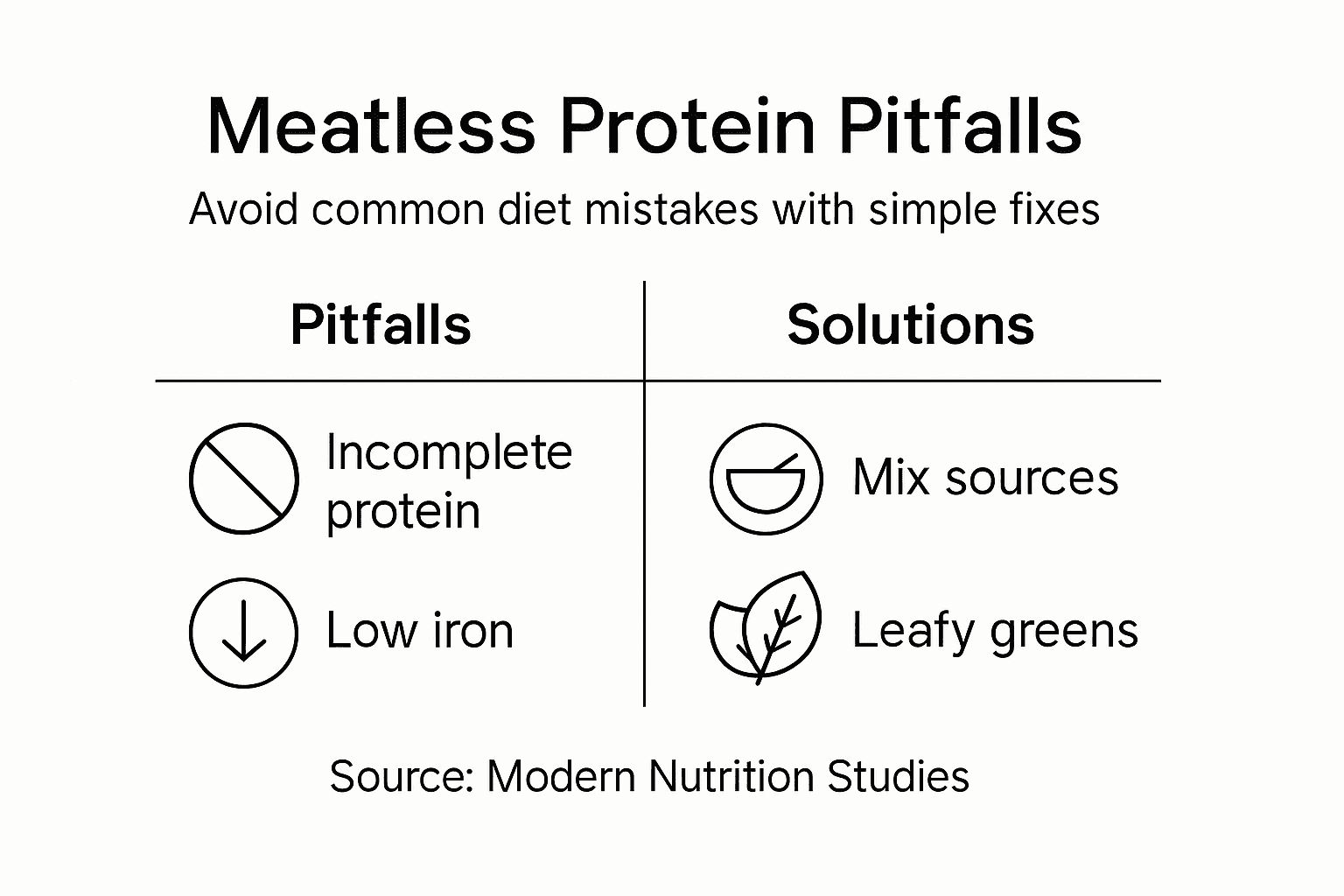
Micronutrient balance presents another potential nutritional minefield. While focusing on protein intake, individuals might inadvertently neglect critical vitamins and minerals typically obtained from animal products. Iron, vitamin B12, zinc, and omega-3 fatty acids require deliberate dietary planning. Supplementation or strategic food choices like fortified nutritional yeast, spirulina, chia seeds, and algae-based supplements can help bridge these nutritional gaps, ensuring comprehensive dietary support for active individuals pursuing plant-based protein strategies.
To help ensure a balanced nutrient intake, here is a summary of common micronutrient gaps in no meat high-protein diets and plant-based sources to address them:
| Micronutrient | Risk in Meat-Free Diet | Key Plant-Based Sources |
|---|---|---|
| Iron | Possible deficiency | Lentils, spinach, pumpkin seeds |
| Vitamin B12 | Rare in plants | Fortified foods, nutritional yeast |
| Zinc | Absorption concern | Chickpeas, oats, nuts |
| Omega-3 | Limited conversion | Chia seeds, flaxseeds, algae oil |
| Calcium | Lower in some diets | Tofu, almonds, fortified plant milk |
Pro tip: Create a weekly meal planning chart that tracks protein sources, ensuring you rotate different plant proteins to maximise amino acid diversity.
Empower Your Strength with High Protein No Meat Nutrition
Struggling to build muscle and maintain balanced nutrition without meat? The article highlights the challenge of creating high protein no meat meals that provide complete amino acid profiles from diverse plant sources like legumes and ancient grains. At Granavitalis, we understand this need deeply and offer thoughtfully crafted Vegan Protein Powders that deliver clean, plant-based proteins designed for optimal muscle recovery and sustained energy. Our ingredients are rooted in traditional, nutrient-dense wholefoods—perfect for supporting your active lifestyle with purity and purpose.
Discover how you can honour ancient nutrition in your modern meals. Explore our premium vegan protein options and other natural power-ups at Granavitalis. Start your journey to strength and wellness now by choosing nutrition that matches your goals and fuels your day with clarity and vitality.
Frequently Asked Questions
What are some high protein no meat meal options?
High protein no meat meal options include dishes made with legumes (like lentils and chickpeas), whole grains (such as quinoa), and plant-based products like tempeh and nutritional yeast. Combining these ingredients can create balanced meals rich in protein.
How can I ensure I get a complete amino acid profile from plant proteins?
To ensure a complete amino acid profile, combine different plant protein sources, such as pairing legumes with whole grains. For example, eating beans with rice or lentils with quinoa can provide all nine essential amino acids.
What are the nutritional benefits of ancient grains in a high protein no meat meal?
Ancient grains like quinoa, amaranth, millet, and teff offer exceptional nutritional benefits, including complete protein sources, high mineral content, and additional health-promoting compounds. They also support cardiovascular health and contain fibre, antioxidants, and other micronutrients.
What common micronutrient deficiencies should I watch for on a no meat diet?
Common micronutrient deficiencies in a no meat diet may include iron, vitamin B12, zinc, omega-3 fatty acids, and calcium. It’s crucial to incorporate foods rich in these nutrients, such as lentils for iron, fortified nutritional yeast for B12, and chia seeds for omega-3s.
Recommended
- 💪 Ancient Grains: The Forgotten Powerhouses for Building Muscle and St – Granavitalis
- Why Quality Protein Matters for Lasting Vitality – Granavitalis
- Good Protein for Vegetarians: Building Strength – Granavitalis
- 8 Essential Plant-Based Protein Sources List for UK Diets – Granavitalis
- Why Hungarian Cuisine Is Hearty – Culture and Tradition