
Food Based Protein: Rooted Nutrition for Modern Life
Balancing fitness recovery with balanced nutrition can feel complicated when you’re bombarded by marketing around protein. Many British adults are surprised to learn that the essentials are much simpler: protein is a macronutrient built from amino acids, supporting growth, repair, and everyday health. Whether you prefer plant-based foods or lean meats, understanding the difference between complete and incomplete proteins helps you meet your needs naturally using ancient grains, legumes, and wholefood sources.
Table of Contents
- Food Based Protein Explained And Demystified
- Main Types And Wholefood Protein Sources
- Nutritional Profile And Health Benefits
- Ancient Grains, Nuts And Seeds For Recovery
- Risks, Pitfalls And UK Food Regulations
- Comparing Plant And Animal Protein Alternatives
Key Takeaways
| Point | Details |
|---|---|
| Understanding Protein | Protein consists of amino acids essential for various bodily functions; knowing the difference between complete and incomplete proteins is crucial for dietary choices. |
| Balanced Intake | Distributing protein consumption throughout the day maximises muscle repair and energy stability, rather than consuming large amounts at one meal. |
| Whole Foods Over Processed | Prioritising whole food sources of protein, such as legumes, grains, and lean meats, is advisable for overall health compared to processed protein options. |
| Variety is Key | Eating a diverse range of protein sources ensures all essential amino acids are obtained without excessive focus on individual meal composition. |
Food based protein explained and demystified
Protein is far simpler than the marketing around it suggests. At its core, protein is a macronutrient made from chains of amino acids that your body uses for growth, repair, and countless other functions. When you eat protein-containing foods, your digestive system breaks them down into individual amino acids, which your body then rebuilds into whatever it needs most at that moment, whether that’s muscle tissue after a workout, immune cells to fight infection, or structural support for your bones and organs. This isn’t complicated biochemistry you need to understand; it’s just how your body works.
What matters practically is understanding the difference between complete and incomplete proteins. A complete protein contains all nine essential amino acids, which your body cannot manufacture itself and must obtain from food. Animal-based sources like meat, fish, dairy, and eggs naturally contain all essential amino acids, making them complete proteins. However, you can absolutely meet your protein needs through plant-based sources if you eat them strategically. Foods such as soya, quinoa, and mycoprotein are complete plant-based proteins, whilst others like beans, lentils, and nuts provide good protein but need variety across your day to cover all amino acids. The key insight here is that plant-based eating works when you’re not trying to hit your entire protein target from a single meal.
Your actual protein needs are straightforward. The British Nutrition Foundation recommends approximately 0.75 grams per kilogram of body weight daily, which for most adults translates to 45-55 grams per day. The UK average diet already provides enough protein for sedentary adults, but if you’re training regularly or over 45 and wanting to protect muscle mass, you might benefit from amounts closer to 1.2-1.6 grams per kilogram. Distributing your protein evenly across meals rather than loading it all at dinner makes a real difference in how your body uses it. Anything beyond what your body actually needs gets used for energy or stored as fat, so eating excessive amounts of protein doesn’t create extra muscle. Focus instead on hitting your target consistently with whole food sources like legumes, ancient grains, nuts, seeds, and animal proteins that come with vitamins, minerals, and fibre your body also needs.
Pro tip: Rather than obsessing over exact protein grams, aim to include a palm-sized serving of protein at each meal (roughly 20-30 grams), whether that’s eggs, fish, tofu, beans, or nuts, and eat varied sources across your week to ensure you’re getting all amino acids naturally.
Main types and wholefood protein sources
Protein sources fall into two broad categories: animal-based and plant-based, and understanding which ones suit your lifestyle and health goals makes the practical choice much easier. Animal proteins like meat, poultry, fish, dairy, and eggs provide complete amino acid profiles and additional micronutrients such as iron, zinc, and B vitamins. However, plant-based proteins have genuinely transformed what’s possible for anyone seeking to reduce saturated fat intake whilst maintaining strong nutrition. The distinction matters less than you might think if you’re strategic about variety and whole food choices rather than processed alternatives.
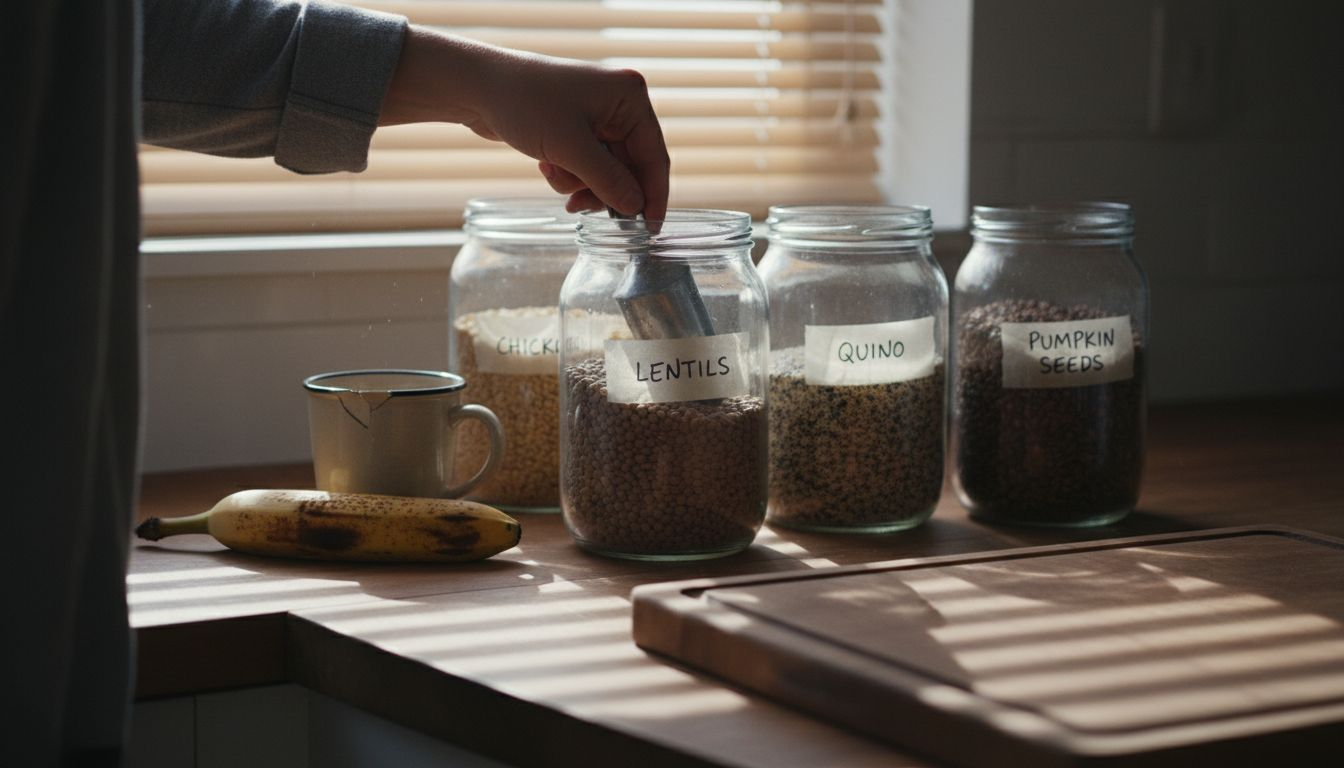
Plant-based proteins are where the real nutrition happens for modern life. Legumes form the foundation here: beans, lentils, and chickpeas are affordable, shelf-stable, and packed with both protein and fibre that keeps you satisfied far longer than processed options. Soya products including tofu and tempeh offer complete proteins with remarkable versatility in the kitchen, absorbing flavours from whatever you cook them with. Nuts and seeds add protein alongside healthy fats that support heart health and hormone production, making them ideal for snacks or meal additions. Grains like quinoa stand apart because they’re one of the few plant foods offering all essential amino acids in a single source. Beans, lentils, soya, mycoprotein, nuts, seeds, and quinoa are naturally lower in saturated fat and calories than most animal proteins, which matters if heart health is on your radar.
Fish deserves particular mention because oily varieties like salmon, mackerel, and sardines provide not just complete protein but omega-3 fatty acids that reduce inflammation and support brain function. Two servings weekly is the recommended intake for genuine health benefit. When choosing animal proteins, reduced-fat dairy, lean cuts of meat, and poultry without skin shift the nutritional profile towards better heart health without sacrificing satiety or taste. The practical reality is this: the best protein source is the one you’ll actually eat consistently. If you’re someone who finds legumes heavy and uncomfortable, forcing yourself through chickpea curry daily will fail. If you’re drawn to plant-based eating, building meals around beans, tofu, nuts, seeds, tempeh, chickpeas, quinoa, and lentils gives you enough variety to stay interested month after month. Rotation is your friend here because eating the same three protein sources gets boring and limits the mineral and vitamin diversity your body needs.
Pro tip: Stock your cupboard with tins of different beans and lentils, then rotate them weekly, pairing each with different grains and vegetables to keep meals interesting and ensure you’re getting the full spectrum of amino acids naturally.
Nutritional profile and health benefits
Protein’s true value lies not in the marketing claims but in what it actually does inside your body. Protein supports growth, repair, and maintenance of muscle, skin, bone, and immune tissue, which explains why athletes prioritise it and why it becomes increasingly important as you age. When you eat protein from whole food sources, you’re not just getting amino acids; you’re getting a package of additional nutrients that work synergistically. Chicken breast delivers protein alongside B vitamins essential for energy production. Fish provides protein plus omega-3 fatty acids that reduce inflammation. Legumes offer protein alongside fibre that stabilises blood sugar and feeds beneficial gut bacteria. This nutritional bundling is precisely why whole food protein sources outperform isolated protein powders for genuine long-term health.
The nutritional density differs markedly between protein types, and understanding these differences helps you make intentional choices rather than defaulting to whatever’s convenient. Chicken breast, pork, beef, and fish typically contain above 20 grams of protein per 100 grams, making them efficient choices for hitting protein targets quickly. Plant-based sources require slightly more strategic planning. Lentils and chickpeas provide solid protein content but less concentrated than animal sources, whilst tofu and tempeh offer complete proteins with additional minerals like iron and calcium. Nuts and seeds combine protein with healthy fats that support cardiovascular function and hormone production. What matters practically is that plant proteins like soya actually help lower cholesterol, making them advantageous if heart health is your priority, whilst animal proteins deliver vital minerals including iron, calcium, and B vitamins that your body absorbs more readily from animal sources.
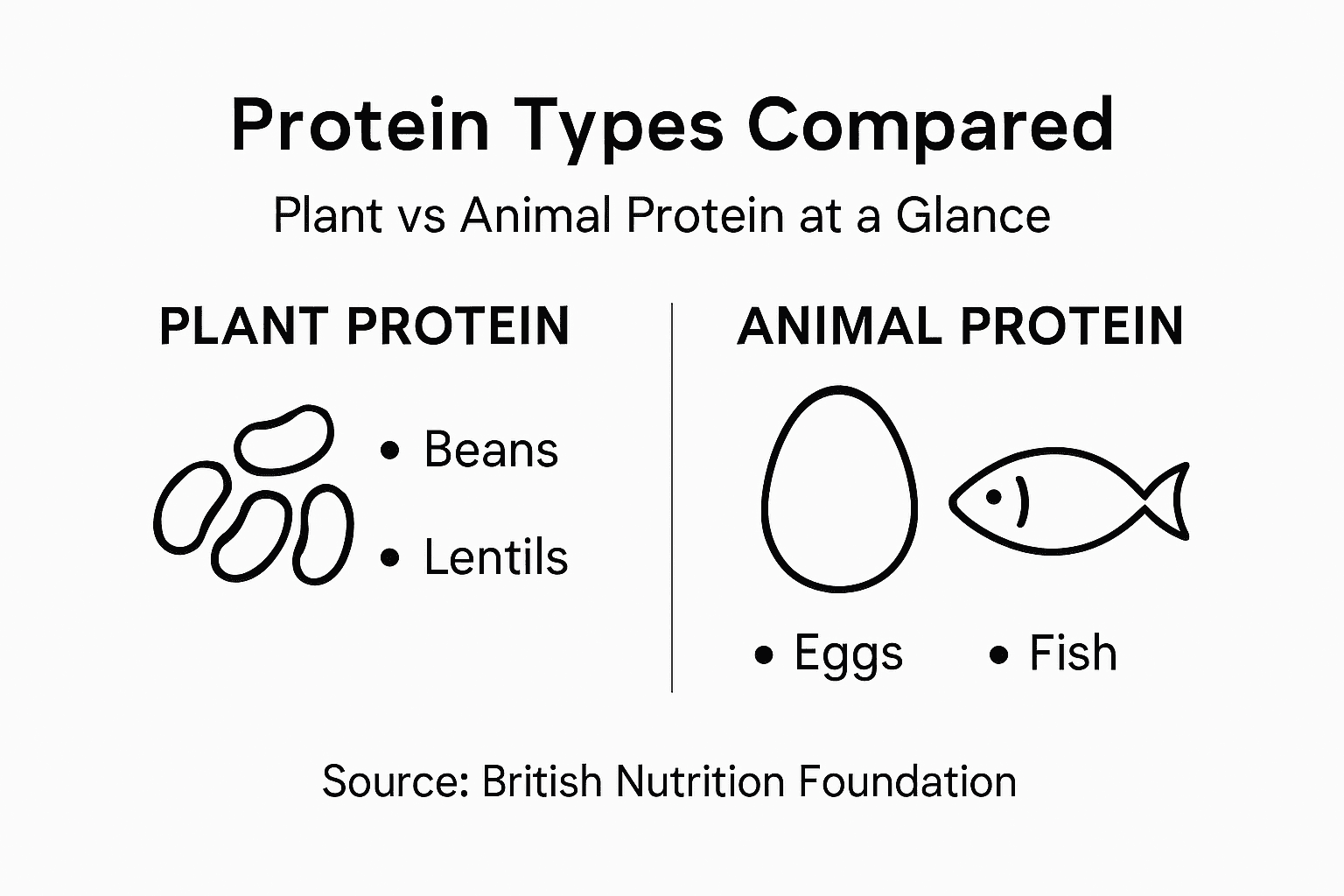
Distributing protein across your meals rather than loading it all at dinner fundamentally changes how your body utilises it. Your muscles can only synthesise roughly 25-40 grams of new protein at once, so consuming 80 grams at dinner alone wastes the excess. Spreading intake across breakfast, lunch, and dinner maximises muscle repair and recovery, particularly important if you’re training regularly or protecting muscle mass as you age. The practical health benefit compounds over months and years. Consistent protein intake supports metabolic function, keeps you feeling fuller longer between meals, and maintains muscle tissue that naturally declines without resistance exercise and adequate nutrition. For a health-conscious adult in the UK juggling work, fitness, and nutrition, this means building meals around varied whole food proteins rather than obsessing over totals.
Pro tip: Aim for 20-30 grams of protein at each main meal by pairing a palm-sized serving of your chosen source (meat, fish, legumes, or soya) with whole grains and vegetables, which gives you complete nutrition, sustained energy, and the mineral and fibre diversity your body actually needs.
Ancient grains, nuts and seeds for recovery
Post-workout recovery depends on three things: protein for muscle repair, carbohydrates to replenish depleted glycogen stores, and micronutrients to support the inflammatory response your body needs to adapt and strengthen. This is where ancient grains, nuts, and seeds become genuinely valuable rather than just trendy health foods. Unlike modern refined grains that spike blood sugar and crash, ancient grains like quinoa, spelt, and amaranth provide sustained energy alongside complete protein profiles. Quinoa stands apart because it contains all nine essential amino acids in a single grain, making it a rare plant-based complete protein that works beautifully in recovery meals. The fibre content matters too because it slows digestion, meaning energy reaches your muscles steadily rather than in a quick burst followed by a crash.
Nuts and seeds transform recovery meals from adequate to genuinely nourishing. Almonds, peanuts, flaxseeds, sunflower seeds, and pumpkin seeds deliver protein alongside heart-healthy unsaturated fats that reduce inflammation and support hormone production essential for muscle repair. A post-workout smoothie combining Greek yoghurt, quinoa, ground flaxseeds, and almonds provides complete protein, sustained carbohydrates, and anti-inflammatory fats all at once. Pumpkin seeds add magnesium, crucial for muscle relaxation and sleep quality when recovery actually happens. Sunflower seeds contribute selenium and vitamin E, powerful antioxidants that combat exercise-induced oxidative stress. These aren’t exotic superfoods; they’re straightforward whole foods your body recognises and utilises efficiently.
The practical advantage becomes clear when you understand how quinoa, nuts, and seeds support muscle repair with essential nutrients whilst their fibre content benefits gut health and cardiovascular function simultaneously. This matters because recovery isn’t just about muscles; it’s about overall adaptation and resilience. Someone training three times weekly needs foods that support both immediate repair and long-term health without the saturated fat burden of relying solely on animal proteins. Ancient grains paired with nuts and seeds create complete meals: quinoa with roasted almonds and vegetables, spelt porridge topped with seeds and berries, or a simple mix of mixed nuts and dried fruit for post-workout snacking. The beauty is versatility. These foods work equally well in savoury meals, sweet snacks, or mixed into oats and yoghurt. Your body doesn’t care whether recovery nutrition arrives in a trendy bowl or a humble jar of mixed nuts; it cares that you’re consistently providing what it needs to repair and strengthen.
Here’s how different whole food protein sources support recovery and overall health:
| Food Type | Recovery Role | Additional Benefits |
|---|---|---|
| Ancient grains | Sustained energy release | Supports gut health (fibre) |
| Nuts | Reduces inflammation | Heart health, vitamin E, minerals |
| Seeds | Hormone support | Source of selenium, magnesium |
| Fish | Muscle and tissue repair | Omega-3 for brain, anti-inflam |
Pro tip: Keep a jar of mixed nuts and seeds on your desk or gym bag, and eat a small handful within 30 minutes after training alongside some fruit or wholegrains to kickstart recovery before you even think about a formal meal.
Risks, pitfalls and UK food regulations
The biggest pitfall with protein nutrition isn’t choosing the wrong source, it’s choosing processed alternatives that masquerade as health food. Many commercial plant-based protein products, protein bars, and ready-made shakes contain hidden sodium, added sugars, and saturated fats that undermine the health benefits you’re actually seeking. You might grab a “high-protein” snack bar thinking you’re making a nutritious choice, only to discover it contains as much sugar as a chocolate bar and more salt than a ready meal. This is why reading labels matters far more than following trends. The UK’s traffic light labelling system makes this easier than it should be. Red lights on fat, saturated fat, salt, and sugar mean you’re looking at a processed product that doesn’t deserve space in your regular rotation, even if the marketing claims otherwise.
Traffic light food labels help consumers identify healthier wholefood protein options by showing nutrient density at a glance. A tin of lentils typically shows green across all categories. A protein powder or plant-based meat alternative often shows orange or red for sodium and sometimes saturated fat. This isn’t coincidence; it’s the result of processing and preservation methods required to create shelf-stable products. The practical implication is straightforward: prioritise whole foods like beans, nuts, seeds, and grains over processed alternatives whenever possible. When processed options are convenient (and sometimes they genuinely are), use the traffic light system to choose the least problematic option rather than assuming all protein products are created equal.
UK dietary recommendations suggest limiting added sugars to under 30 grams daily and salt to under 6 grams, yet many protein supplements, bars, and meat alternatives exceed these amounts in single servings. This matters because exceeding these limits regularly increases cardiovascular risk, something most people don’t connect to their protein choices. The Food Standards Agency regulates food labelling to ensure transparency, but regulation alone doesn’t make a product healthy. Your role is staying sceptical. A product labelled “naturally high in protein” might be technically true whilst containing ingredients your body doesn’t actually recognise or need. Gluten-free grains like quinoa and buckwheat are genuinely superior to processed alternatives if you have coeliac disease or gluten sensitivity, but they’re not inherently superior for everyone else. Choose based on your actual needs rather than marketing narratives designed to make you feel like you’re missing out.
One genuine risk worth understanding is overconsumption. Protein supplements make it easy to consume vastly more protein than your body can use, shifting excess into fat storage. Another real concern is nutrient imbalance. If you’re meeting all protein needs through legumes without pairing them with varied grains, seeds, and vegetables, you might miss crucial micronutrients like zinc absorption (better from animal sources) or selenium (better from Brazil nuts). The solution isn’t obsessive tracking; it’s intentional variety across your week. Rotating between animal and plant proteins, ancient grains and modern ones, different nuts and seeds ensures you’re covering nutritional bases without overthinking it.
Pro tip: Ignore the marketing claims on the front of packaging entirely and spend 30 seconds reading the nutrition facts panel and ingredients list, using the traffic light system to judge whether a product deserves regular consumption or occasional convenience.
Comparing plant and animal protein alternatives
The plant versus animal protein debate gets unnecessarily polarised when the real answer is simply this: both have genuine strengths, and the best choice depends on your individual health priorities, budget, and lifestyle. Animal proteins like chicken, fish, beef, dairy, and eggs deliver complete amino acid profiles in concentrated servings, meaning a 150-gram chicken breast gives you roughly 40 grams of protein alongside iron, zinc, selenium, and B vitamins your body absorbs efficiently. Plant proteins require slightly more strategic eating because no single plant food except quinoa and soya provides all nine essential amino acids, but this isn’t a barrier; it’s simply how plant-based eating works. Eating varied plant proteins throughout the day (lentils at lunch, chickpeas in snacks, seeds in breakfast, beans at dinner) covers all amino acid bases naturally.
The cardiovascular argument heavily favours plant proteins. Plant-based proteins are naturally lower in saturated fat and calories whilst providing heart-healthy unsaturated fats and fibre that actively lower cholesterol and blood pressure. A portion of lentils provides complete nutrition with essentially zero saturated fat, whereas the same protein amount from beef delivers significant saturated fat alongside valuable iron. Animal proteins provide micronutrients plants simply don’t contain in meaningful quantities. Fish offers omega-3 fats that reduce inflammation systemically. Grass-fed beef contains conjugated linoleic acid with potential anti-inflammatory properties. Dairy provides calcium in bioavailable form. These aren’t marketing claims; they’re biochemical facts your body recognises. The practical reality is that both categories offer advantages worth capturing. Someone optimising for heart health and sustainability might prioritise plant proteins with occasional fish. Someone over 65 protecting muscle mass might emphasise animal proteins with plant sources as secondary options.
What matters most is consistency and variety. Plant proteins eaten in variety across meals can meet essential amino acid needs effectively when you’re not trying to be perfectly balanced at every meal. Your body isn’t calorie-by-calorie; it’s week-by-week. If you eat lentils Monday, chickpeas Wednesday, seeds Friday, and beans Saturday, you’ve covered amino acid diversity thoroughly. Animal sources make hitting protein targets simpler because of concentration, but that convenience comes with higher saturated fat if you’re not choosing carefully. The UK’s dietary guidelines recommend including fish and dairy alongside plant options, which suggests neither category should be eliminated entirely unless personal or ethical reasons dictate otherwise. Cost matters too. Tinned beans cost roughly one-third what quality chicken costs, making plant proteins far more accessible for anyone on a tight budget.
To help clarify the differences, here is a side-by-side comparison of common animal and plant protein sources:
| Protein Source | Protein (g per 100g) | Key Micronutrients | Typical Fat Content |
|---|---|---|---|
| Chicken breast | 23 | B vitamins, iron, zinc | Low, minimal sat fat |
| Salmon | 20 | Omega-3, selenium, vitamin D | Moderate, healthy fat |
| Eggs | 13 | Vitamin B12, choline, selenium | Moderate, mostly unsat |
| Lentils | 9 | Iron, magnesium, folate | Very low |
| Tofu (soya) | 8 | Calcium, iron | Low to moderate |
| Quinoa | 4 | Magnesium, fibre, iron | Very low |
| Almonds | 21 | Vitamin E, calcium | High, unsat fats |
The honest comparison shows no superior choice universally. A pescatarian approach incorporating fish, dairy, and diverse plants might optimise for both health and sustainability. A vegan approach works perfectly when whole foods are prioritised. An omnivorous approach incorporating mostly plant proteins with occasional quality animal sources balances nutrient density with affordability. The worst approach is defaulting to whatever’s convenient without understanding the nutritional trade-offs you’re making. A high-saturated-fat diet centred on processed meat and dairy undermines cardiovascular health. A plant-based diet relying entirely on processed vegan alternatives defeats the purpose of avoiding saturated fat and sodium. Choose your category based on your genuine health priorities, then optimise within that category using whole foods.
Pro tip: Spend one week eating as you normally would, noting your protein sources, then deliberately add one completely new plant or animal protein source the following week and observe how you feel, energy-wise and digestively, before deciding whether to keep it in your regular rotation.
Embrace Rooted Nutrition for Real-Life Protein Needs
Struggling to find protein sources that are both nourishing and aligned with your modern lifestyle? The article reveals the importance of wholefood proteins, variety, and strategic intake to support strength, recovery and heart health. At Granavitalis, we understand these challenges by offering transparent plant-powered options rooted in ancient grains and premium nuts plus clean protein blends designed to deliver nutrition without compromise. Whether you want vegan proteins that provide all essential amino acids or balanced options for daily muscle support, we have you covered.
Explore our Vegan Protein Powders – Granavitalis collection to enjoy thoughtfully crafted protein sources that fit perfectly into the balanced eating plans highlighted in the article.
Fuel your body with purity and purpose today. Visit Granavitalis to discover nutrient-dense ancient grains, nuts and seeds alongside clean protein powders that respect tradition and support your wellness goals. Begin your journey to natural strength, sustained recovery and mindful nutrition now by browsing our selection. For those seeking a ready-to-go solution for metabolic vitality and sustained energy, don’t miss the Metabolic Advantage Pack – Granavitalis. Experience the difference that rooted nutrition makes.
Frequently Asked Questions
What is protein and why is it important for the body?
Protein is a macronutrient made from chains of amino acids that the body uses for growth, repair, and various functions. It is essential for muscle repair, immune function, and maintaining healthy tissues.
What are complete and incomplete proteins?
Complete proteins contain all nine essential amino acids that the body cannot make on its own, typically found in animal sources. Incomplete proteins, like beans and nuts, lack one or more essential amino acids and need to be combined with other sources to meet nutritional needs.
How much protein do I need each day?
Most adults require about 0.75 grams of protein per kilogram of body weight daily, which translates to approximately 45-55 grams per day for most. Those who are physically active or over 45 may benefit from consuming 1.2-1.6 grams per kilogram.
How can I incorporate plant-based proteins into my diet?
Incorporate plant-based proteins by consuming a variety of foods such as legumes, quinoa, nuts, and seeds throughout the day. Aim for diverse sources to ensure you obtain all essential amino acids and additional nutrients.