
On Plant Protein: Nourishment Rooted in Heritage
Choosing what fuels your body is more than a numbers game, especially if you want strength and energy without the sluggish aftermath of heavy animal-based meals. For active adults in the UK, plant protein offers a way to support muscle recovery and everyday wellness while aligning with environmental priorities. Plant proteins are increasingly essential for sustainable food production and carry unique health benefits, making them a smart and conscious choice for a modern, active lifestyle.
Table of Contents
- What Is Plant Protein And Why It Matters
- Ancient Grains And Modern Plant Protein Sources
- How Plant Protein Fuels Strength And Vitality
- Comparing Plant And Animal Protein For Wellness
- Overcoming Common Challenges With Plant Protein
Key Takeaways
| Point | Details |
|---|---|
| Plant Proteins Offer Nutritional Benefits | Derived from legumes, grains, and seeds, plant proteins provide essential nutrients like fibre, minerals, and antioxidants, supporting overall health. |
| Sustainability and Health Matter | Choosing plant protein aids environmental sustainability and contributes to reduced risks of chronic diseases while maintaining energy levels. |
| Diverse Sources Enhance Nutrition | Rotating different plant protein sources throughout your meals helps achieve complete amino acid profiles and maximises micronutrient intake. |
| Modern Innovations Improve Digestibility | Advances in food processing techniques have enhanced the digestibility and flavour of plant proteins, making them more accessible for varied diets. |
What Is Plant Protein and Why It Matters
Plant protein sounds straightforward, but it’s worth understanding what you’re actually getting into. At its core, plant protein is a macronutrient derived from non-animal sources such as legumes, grains, nuts, seeds, and specialty crops. Unlike animal proteins that come packaged with cholesterol and saturated fat, plant proteins arrive with their own nutritional benefits: fibre, minerals, phytochemicals, and antioxidants that your body genuinely needs. The key distinction is that plants offer protein in a completely different nutritional context than meat, dairy, or eggs, which matters significantly for how your body processes and utilises them.
Why should you care about plant protein specifically? The answer lies partly in sustainability and partly in your own health. Plant proteins are increasingly essential for sustainable food production due to the environmental pressures of global population growth, yet they also deliver genuine nutritional advantages. Research demonstrates that plant-based protein sources contribute to reduced risks of chronic diseases whilst supporting environmental sustainability. For health-conscious adults in the UK juggling active lifestyles, this isn’t theoretical—plant proteins help you build muscle, support recovery, and maintain steady energy without the digestive heaviness many experience after animal protein meals. The increased consumer demand has driven real innovation in how plant proteins are extracted, combined, and delivered, meaning the options available today bear little resemblance to the powdery, poorly-absorbed products from a decade ago.
Here’s what separates plant protein from a casual dietary choice into something that matters: it’s about intentionality. When you choose plant protein, you’re not settling for a substitute. You’re selecting a source that aligns with both personal health and planetary wellbeing. Ancient grains like quinoa and amaranth provide complete proteins containing all nine essential amino acids. Pulses such as lentils and chickpeas deliver protein alongside substantial fibre that keeps you satisfied longer. Nuts and seeds pack both protein and healthy fats that stabilise blood sugar and support brain function. The variety itself becomes your advantage, allowing you to build genuine nutritional depth across your day rather than relying on a single protein source.
Pro tip: Start by identifying which plant protein sources already appeal to your taste preferences (perhaps nuts or grains), then intentionally pair them throughout the week to create complete amino acid profiles without overthinking each individual meal.
Ancient Grains and Modern Plant Protein Sources
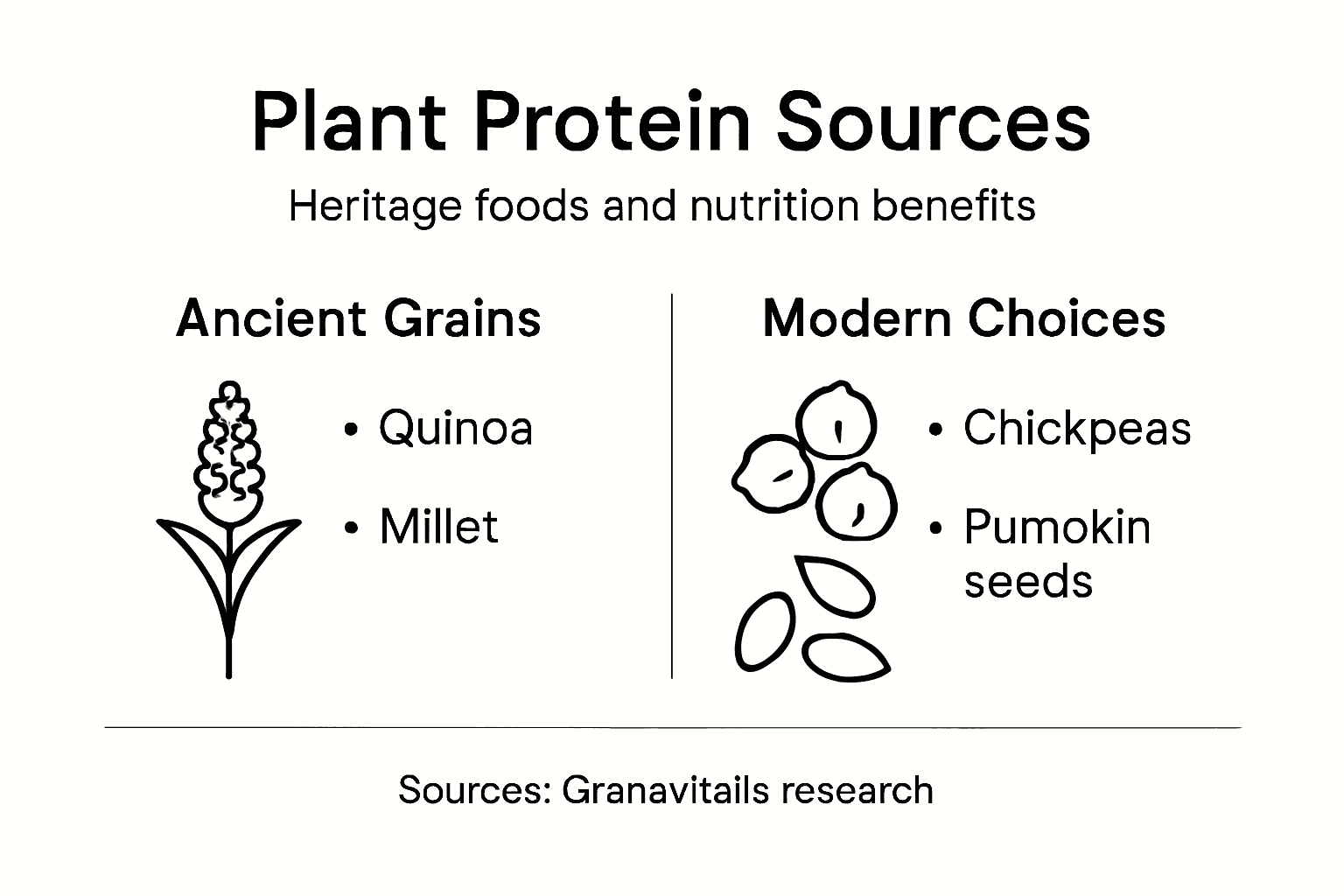
Ancient grains have experienced a genuine revival, and for good reason. Quinoa, amaranth, and millet are no longer niche health food store finds—they’re becoming mainstream choices for people seeking protein sources with real nutritional depth. What makes these grains different from their modern wheat and rice counterparts is their complete amino acid composition. Quinoa and amaranth contain all nine essential amino acids your body cannot produce on its own, meaning a single grain delivers the protein profile typically found only in animal products. Millet offers exceptional mineral content alongside its protein, making it particularly valuable for sustained energy throughout your day. These aren’t trendy add-ons to your diet; they’re the foundation grains your ancestors relied on before industrial agriculture narrowed our choices down to a handful of commodity crops.

Beyond ancient grains, diverse plant protein sources like legumes and oilseeds represent your full arsenal for building protein-rich meals. Lentils deliver approximately 25 grams of protein per cooked cup alongside substantial fibre that stabilises blood sugar. Chickpeas provide the base for countless cuisines and work equally well in morning porridge or evening stews. Hemp seeds and pumpkin seeds pack protein with healthy fats that support hormone balance and reduce inflammation. Spirulina and nutritional yeast offer concentrated protein in small quantities, brilliant for boosting existing meals without requiring recipe overhauls. The real advantage? Each source brings its own micronutrient signature—iron from lentils, zinc from seeds, B vitamins from nutritional yeast. This variety means you’re not relying on a single source but building nutritional resilience across multiple protein bases.
Here’s where modern science strengthens what heritage cultures always knew: advances in extraction techniques are enhancing bioavailability and functional properties of plant proteins, making them more digestible and more useful to your body than ever before. Traditional preparation methods like soaking, sprouting, and fermenting always improved protein absorption, and now we understand why—these methods reduce anti-nutrients that interfere with mineral absorption. Modern processing builds on this foundation, using gentle non-thermal extraction to preserve heat-sensitive nutrients whilst increasing protein concentration. This convergence of ancient wisdom and contemporary technique means the plant proteins available today outperform both historical versions and early plant-based products that earned reputations for poor digestibility and incomplete nutrition profiles.
Pro tip: Rotate your plant protein sources weekly—one week emphasising ancient grains, the next focusing on legumes, then moving to seeds—ensuring you capture the full spectrum of amino acids and micronutrients each source uniquely provides.
To clarify the distinctive attributes of popular plant protein sources, here is a summary table:
| Source | Protein Quality | Key Micronutrients | Typical Uses |
|---|---|---|---|
| Quinoa | Complete amino acid profile | Magnesium, iron, B vitamins | Salads, porridge, side dishes |
| Lentils | High in lysine, incomplete | Iron, folate, potassium | Soups, stews, curries |
| Chickpeas | Lacks methionine, high fibre | Iron, phosphorus, zinc | Hummus, curries, salads |
| Hemp Seeds | Nearly complete, easy to digest | Zinc, magnesium, omega-3 | Smoothies, baking, toppings |
| Pumpkin Seeds | Broad amino acid spectrum | Zinc, manganese, copper | Salads, snacks, baking |
How Plant Protein Fuels Strength and Vitality
You might assume that building genuine strength requires animal protein, but your muscles don’t differentiate based on the source. Plant proteins supply essential amino acids necessary for muscle repair and recovery in exactly the same way animal proteins do. What changes is what comes alongside those amino acids. When you consume plant protein, you’re simultaneously getting fibre that supports digestive health, vitamins that fuel energy production, and antioxidants that reduce inflammation from training. Your body uses the amino acids to rebuild muscle tissue after strength work, but the supporting nutrients accelerate recovery and reduce the muscle soreness that typically limits your next workout. This synergistic effect means plant-based athletes often report faster recovery and more consistent training intensity than they experienced with animal proteins alone.
The real distinction emerges when you look at sustained vitality across weeks and months. Plant protein intake correlates with maintaining muscle mass and physical performance whilst supporting metabolic health in ways that extend far beyond the gym or training session. Adequate plant protein consumption sustains your basal metabolic rate, meaning your body burns calories efficiently even at rest. The bioactive compounds in plant proteins—compounds like polyphenols in legumes and glucosinolates in seeds—work independently of amino acid metabolism to enhance cellular function and reduce exercise-induced oxidative stress. For health-conscious adults managing active lifestyles alongside professional responsibilities, this matters profoundly. You’re not just recovering from yesterday’s workout; you’re building a metabolic foundation that supports energy availability for demanding workdays, mental clarity for afternoon meetings, and physical capacity for evening training or activities with family.
Here’s what distinguishes plant protein as a vitality strategy rather than merely a macronutrient: it addresses multiple dimensions simultaneously. Strength develops through progressive resistance and adequate amino acid availability, both achievable with plant sources. Vitality emerges from sustained energy, hormonal balance, immune resilience, and reduced systemic inflammation. Plant proteins deliver all of these because they come packaged with complete nutritional ecosystems rather than isolated macronutrients. An active person consuming varied plant proteins alongside whole grains and healthy fats develops greater physical capacity, mental stamina, and disease resistance than someone relying solely on protein intake regardless of source. This is why cultures that thrived on plant-forward diets for centuries developed remarkable physical capacity and longevity. Your body responds to whole food patterns, not individual nutrients isolated in laboratory conditions.
Pro tip: Consume plant protein within 90 minutes after strength training alongside carbohydrate (such as fruit or whole grain) to maximise muscle protein synthesis and replenish depleted glycogen stores, accelerating recovery and preparing your body for your next training session.
Comparing Plant and Animal Protein for Wellness
The comparison between plant and animal protein often feels like choosing between two fundamentally different nutritional worlds, but the reality is more nuanced. Both sources deliver amino acids your body requires, yet they arrive with distinctly different nutritional contexts. Animal proteins from meat, fish, dairy, and eggs contain all nine essential amino acids in single servings and generally exhibit higher digestibility rates, meaning your body absorbs a greater percentage of the protein you consume. However, animal proteins come packaged with saturated fat and cholesterol that, when consumed in excess, contribute to cardiovascular strain and metabolic inflammation. Plant proteins, conversely, arrive alongside fibre, vitamins, minerals, and antioxidants absent entirely from animal sources. This distinction matters profoundly for long-term wellness. When you consume lentils for protein, you simultaneously receive fibre that stabilises blood glucose, iron that supports energy production, and polyphenols that reduce systemic inflammation. Animal protein delivers none of these benefits.
From a purely biological standpoint, plant proteins are viable alternatives to animal proteins with health advantages including reduced risk of cardiovascular and metabolic diseases. The key to maximising plant protein effectiveness lies in combining diverse sources throughout your week. A single serving of chickpeas lacks methionine, an amino acid abundant in sesame seeds. Lentils provide lysine generously but offer less methionine. Rotating between legumes, ancient grains, nuts, and seeds throughout your days ensures you capture complete amino acid profiles without consuming single-source monotony. This rotating strategy actually encourages broader micronutrient intake compared to relying on animal proteins alone, where you might consume similar nutrients repeatedly. Your body thrives on variety, and plant protein sources naturally deliver that variety when approached strategically.
The environmental and ethical dimensions strengthen plant protein’s case substantially. Plant proteins reduce environmental impact compared to animal husbandry, consuming significantly less water, requiring less land, and generating fewer greenhouse gas emissions per gram of protein delivered. For health-conscious adults concerned with planetary wellbeing, this alignment between personal nutrition and environmental responsibility carries genuine weight. You’re not sacrificing strength or vitality for ethical choices; you’re actually building better health whilst supporting sustainable food systems. Modern processing innovations have addressed historical digestibility concerns with plant proteins, meaning the absorption rates that once favoured animal sources now approach parity when plant proteins receive appropriate preparation. The practical choice becomes clear: plant proteins deliver superior micronutrient density, stronger environmental credentials, and equivalent amino acid delivery when strategically combined, making them the optimal choice for wellness-focused individuals in the UK seeking sustainable nutrition aligned with their values.
Pro tip: Combine legumes with whole grains within the same meal (such as lentil soup with wholemeal bread or chickpea curry with brown rice) to create complete amino acid profiles immediately rather than relying on accumulation across the day.
Here’s a direct comparison of plant and animal protein benefits for overall wellness:
| Aspect | Plant Protein | Animal Protein |
|---|---|---|
| Fibre Content | High, supports digestion | None present |
| Saturated Fat & Cholesterol | Low, heart-friendly | Higher, may strain heart health |
| Environmental Impact | Lower emissions and water usage | Greater environmental burden |
| Amino Acid Profile | Complete if combined strategically | Naturally complete in most cases |
| Micronutrient Diversity | Diverse, varies with sources | Limited, less variety |
Overcoming Common Challenges with Plant Protein
Plant protein carries a reputation for challenges that deserve honest acknowledgement. Yes, some plant proteins have historically presented real obstacles, but these aren’t insurmountable problems—they’re engineering challenges that modern food science has largely solved. The primary issues centre around three areas: digestibility, taste, and functional properties. Traditional pea protein, for instance, carried distinctive earthy or metallic notes that made products unpalatable to many consumers. Legume-based proteins sometimes caused bloating because their fibre content and resistant starches fermented in your digestive system before absorption. Ancient grains like quinoa and amaranth, whilst nutritionally superior, required specific preparation methods to remove anti-nutrients like phytic acid that interfered with mineral absorption. These weren’t flaws in plant protein itself but rather challenges in how we extracted, processed, and combined them with other ingredients.
Advances in extraction and processing through green technologies are overcoming these functional limitations, making modern plant proteins fundamentally different from their predecessors. Enzymatic treatment breaks down problematic compounds that caused digestive distress whilst simultaneously improving protein solubility. Gentle microfiltration techniques extract protein whilst preserving heat-sensitive nutrients that harsh chemical methods destroyed. Flavour masking through strategic blending with complementary plant proteins eliminates the off-tastes that once plagued plant-based products. Contemporary plant protein powders taste nothing like the grainy, unpleasant products of a decade ago because manufacturers now prioritise palatability alongside nutrition. The practical outcome is straightforward: modern plant proteins deliver digestibility approaching animal proteins whilst maintaining superior micronutrient profiles.
The real game-changer involves strategic formulation and combining multiple plant sources. Single-source plant proteins have inherent limitations, but blending becomes your solution. Innovations in food technology including blending plant proteins help mitigate challenges and enable them to better mimic animal protein functionalities. When manufacturers combine pea protein with rice protein, the resulting blend delivers complete amino acid profiles whilst reducing the problematic compounds each source exhibits individually. Thermal and enzymatic treatments further enhance bioavailability, meaning your body absorbs and utilises more of the protein you consume. For active adults managing busy lifestyles, this means you can confidently purchase plant-based products knowing they’ve undergone rigorous formulation to deliver genuine nutritional value, not marketing promises.
Your role involves choosing thoughtfully. Read ingredient lists and look for products featuring multiple plant protein sources rather than single ingredients. Prioritise whole food sources whenever possible—a lentil salad beats a processed plant protein bar. If you experience digestive discomfort, reduce portion sizes temporarily and increase gradually as your system adapts. Start with familiar sources like chickpeas and lentils before experimenting with less common proteins like hemp or spirulina. Most perceived challenges with plant protein stem from poorly formulated products or unrealistic expectations, not from plant proteins themselves.
Pro tip: Soak dried legumes for 8-12 hours and discard the soaking water before cooking to dramatically reduce anti-nutritional factors and improve digestibility whilst maintaining superior micronutrient content.
Embrace the Power of Heritage Plant Proteins for Real-Life Vitality
The article highlights the challenges of digestibility, taste, and nutritional completeness faced by many when choosing plant proteins. It emphasises the importance of combining diverse sources like ancient grains, nuts, seeds, and legumes to build strength, support recovery, and maintain steady energy without compromise. For health-conscious UK adults seeking a sustainable and nutrient-dense way to fuel active lifestyles, these insights resonate deeply with the need for wholefood vitality rooted in tradition yet perfected by modern knowledge.
At Granavitalis, we understand that true nourishment is not just about protein quantity but the quality and context in which it arrives. We source ancient grains, premium nuts and seeds, and clean plant proteins that align perfectly with the article’s call for simplicity, purity, and purposeful nutrition. Our range honours ancient wisdom while meeting modern performance needs, ensuring you receive anything but a compromise — from high-impact vegan proteins to vibrant flours and flavourful nut butters.
Turn nutrition into purposeful wellness with ingredients that support your strength, balance, and energy throughout every demanding day. Explore the Granavitalis way and discover how rooted tradition meets clean innovation.
Seize the moment to fuel your body with nutrient-dense heritage foods designed for the present. Your journey to smarter energy, better recovery and sustainable wellness starts now.
Discover our products and experience plant protein as it was meant to be — naturally effective, thoughtfully crafted, and truly rooted in time.
Frequently Asked Questions
What is plant protein, and how does it differ from animal protein?
Plant protein is derived from non-animal sources like legumes, grains, nuts, and seeds. Unlike animal protein, which can contain cholesterol and saturated fats, plant protein is often bundled with fibre, vitamins, minerals, and antioxidants, contributing to overall health benefits.
How can I ensure I get a complete amino acid profile from plant proteins?
To achieve a complete amino acid profile, it’s essential to combine different plant protein sources. For example, pairing legumes like lentils with grains, such as brown rice, can provide all nine essential amino acids needed for optimal protein utilisation.
What are some effective ways to incorporate ancient grains into my diet for protein?
You can add ancient grains like quinoa, amaranth, and millet to your meals by using them in salads, porridge, or as side dishes. These grains are not only protein-rich but also provide complete amino acids and essential minerals.
Are there any challenges associated with digesting plant proteins, and how can I overcome them?
Historically, some plant proteins have caused digestive discomfort due to their fibre content and anti-nutritional factors. Soaking legumes before cooking, consuming them in smaller portions, and choosing well-formulated products can help improve digestibility while still benefiting from their superior micronutrient profiles.