
Ensure Plant Based Protein – Real Nutrition, Everyday Strength
More than 40 percent of British adults now seek plant-based protein options each week in their meals. For those balancing modern nutrition goals and performance in everyday life, quality protein is the backbone of lasting energy and strength. Whether mixing up ancient grains or looking for the cleanest sources, understanding plant-based protein can help British individuals build a diet that supports both health and purpose.
Table of Contents
- Defining Plant Based Protein and Its Benefits
- Types of Plant Protein: Grains, Nuts, Seeds
- Achieving Complete Nutrition from Plants
- Sourcing High-Quality Plant Proteins Safely
- Common Pitfalls When Choosing Plant Protein
Key Takeaways
| Point | Details |
|---|---|
| Importance of Plant-Based Proteins | Plant-based proteins provide essential amino acids and offer health benefits such as reducing LDL cholesterol and lowering type 2 diabetes risk. |
| Diverse Protein Sources | Incorporating a variety of grains, legumes, nuts, and seeds can optimise nutritional diversity and ensure a balanced amino acid profile. |
| Quality and Safety Considerations | Prioritising organic, minimally processed, and transparently sourced plant proteins is crucial for ensuring nutritional integrity and safety. |
| Avoiding Nutritional Pitfalls | Combining different protein sources prevents amino acid deficiencies and enhances overall nutrient intake, while also avoiding highly processed options. |
Defining Plant Based Protein and Its Benefits
Plant-based protein represents a powerful nutritional strategy designed to deliver essential amino acids through sustainable, nutrient-dense sources. Unlike traditional animal protein, these protein alternatives come directly from grains, legumes, nuts, and seeds, offering a comprehensive nutritional profile that supports modern wellness goals. Plant-based proteins serve as sustainable alternatives to animal-derived proteins, providing crucial amino acids like leucine, lysine, methionine, and tryptophan.
The nutritional landscape of plant proteins is remarkably diverse, encompassing sources such as soy, pea, hemp, quinoa, and lentils. Each source brings unique characteristics: soy and pea proteins offer high protein content and excellent digestibility, while quinoa provides a complete protein with all nine essential amino acids. Research indicates significant health benefits, including potential reductions in LDL cholesterol levels and lower risks of type 2 diabetes when incorporating these protein sources into one’s diet.
Beyond individual health advantages, plant-based proteins contribute substantially to environmental sustainability. These protein sources require significantly less water and generate fewer greenhouse gas emissions compared to animal protein production. By choosing plant proteins, individuals can make nutritional choices that simultaneously support personal health and global ecological balance. Substituting animal proteins with plant-based options may reduce LDL cholesterol levels while making a meaningful environmental impact.
Pro Nutrition Tip: Start integrating plant proteins gradually by replacing 25% of animal protein in your diet with diverse sources like lentils, chickpeas, or hemp seeds to optimise nutrition and adaptation.
Types of Plant Protein: Grains, Nuts, Seeds
Plant-based proteins are far more diverse and nuanced than many people realise, encompassing an impressive range of nutritional sources from grains, nuts, and seeds. Hemp seeds provide approximately 3 grams of protein per tablespoon, demonstrating the concentrated nutritional potential of these compact food sources. These protein-rich ingredients offer unique nutritional profiles that can help individuals diversify their protein intake beyond traditional animal-based options.
Nuts and seeds represent a particularly powerful protein category, with sources like almonds, peanuts, and flaxseeds delivering substantial nutritional benefits. Oilseed crops such as cottonseed, sunflower seed, sesame seed, and pumpkin seed offer relatively high protein content, though it is essential to recognise that these sources may lack certain amino acids. Each nut and seed presents a unique nutritional fingerprint: almonds offer about 6.4 grams of protein per 30-gram serving, while hazelnuts, walnuts, and grape seeds contribute their own distinctive nutritional advantages.
Whole grains also play a crucial role in plant-based protein strategies, with quinoa, amaranth, and buckwheat standing out as complete protein sources. These grains not only provide protein but also deliver complex carbohydrates, fibre, vitamins, and minerals. Understanding the protein composition of different grains, nuts, and seeds allows for more strategic dietary planning, enabling individuals to create balanced, nutrient-dense meals that support overall wellness.
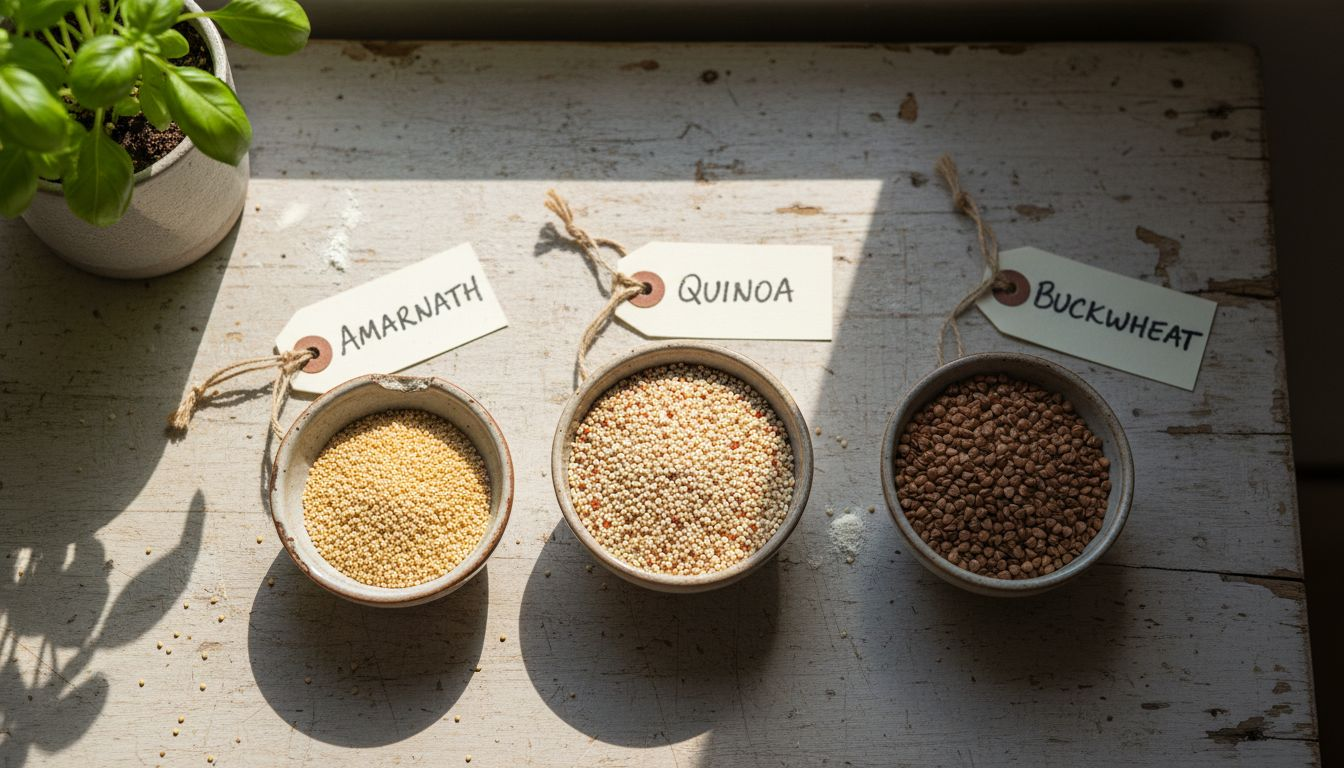
Here is a comparison of common plant protein sources and their key nutritional characteristics:
| Protein Source | Protein (per 30g) | Amino Acid Completeness | Additional Nutrients |
|---|---|---|---|
| Soy | 10-12g | Complete | Iron, calcium, isoflavones |
| Lentils | 7-9g | Incomplete | Fibre, folate, potassium |
| Almonds | 6.4g | Incomplete | Vitamin E, magnesium, healthy fats |
| Quinoa | 4g | Complete | Magnesium, manganese, fibre |
| Hemp Seeds | 9-10g | Nearly complete | Omega-3, omega-6, zinc |
| Chickpeas | 6g | Incomplete | Fibre, iron, phosphorus |
Pro Nutrition Tip: Combine different plant protein sources like quinoa, almonds, and hemp seeds to ensure you receive a comprehensive amino acid profile and maximise nutritional diversity.
Achieving Complete Nutrition from Plants
Navigating complete nutrition from plant-based sources requires a strategic and nuanced approach that goes beyond simply replacing animal proteins. Plant-based alternative proteins present unique nutritional challenges and opportunities, demanding careful consideration of amino acid composition, bioavailability, and potential anti-nutritional factors. Understanding these complexities is crucial for individuals seeking to optimise their dietary intake through plant-based nutrition.
To achieve a comprehensive nutritional profile, one must thoughtfully combine diverse protein sources. Quinoa, for instance, stands out as a complete protein, providing all nine essential amino acids. Complementing this with protein-rich legumes like lentils, chickpeas, and beans can help address potential amino acid limitations. Strategically pairing proteins such as rice with beans or incorporating nuts and seeds can create a more balanced protein intake that mirrors the amino acid composition found in animal-based proteins.
Nutritional diversity is key when constructing a plant-based diet. Beyond protein, individuals must consider micronutrients typically obtained from animal sources, such as vitamin B12, iron, zinc, and omega-3 fatty acids. Fortified plant milks, nutritional yeast, spirulina, and targeted supplementation can help bridge potential nutritional gaps. Whole food sources like fortified nutritional yeast, chia seeds, flaxseeds, and algae-based supplements offer robust alternatives to traditional animal-derived nutrients.
Pro Nutrition Tip: Create protein-combining meal strategies by pairing complementary plant proteins like hummus with whole grain bread or adding nutritional yeast to lentil dishes to enhance amino acid profiles and overall nutritional density.
Sourcing High-Quality Plant Proteins Safely
Sourcing high-quality plant proteins requires a nuanced understanding of procurement, processing, and nutritional preservation. Plant-based proteins derive from diverse sources including legumes, nuts, seeds, and grains, each presenting unique considerations for safe and nutritious consumption. Consumers must navigate complex landscapes of production methods, potential contaminants, and processing techniques to ensure optimal nutritional integrity.
Quality assessment begins with understanding sourcing practices. Organic certification, transparent farming methods, and minimal processing are critical indicators of protein quality. Look for proteins grown without synthetic pesticides, sourced from regenerative agricultural practices, and processed through methods that preserve nutritional density. Cold-pressed, minimally refined techniques typically maintain more nutrients compared to heavily processed alternatives, preserving essential amino acids, vitamins, and mineral content.
Safety considerations extend beyond basic sourcing. Third-party laboratory testing for heavy metals, microbial contamination, and potential allergens provides additional assurance. Consumers should prioritise brands demonstrating rigorous quality control, comprehensive testing protocols, and transparent supply chain management. Understanding protein extraction methods, examining ingredient lists for unnecessary additives, and selecting minimally processed options can significantly impact the nutritional value and safety of plant-based protein sources.
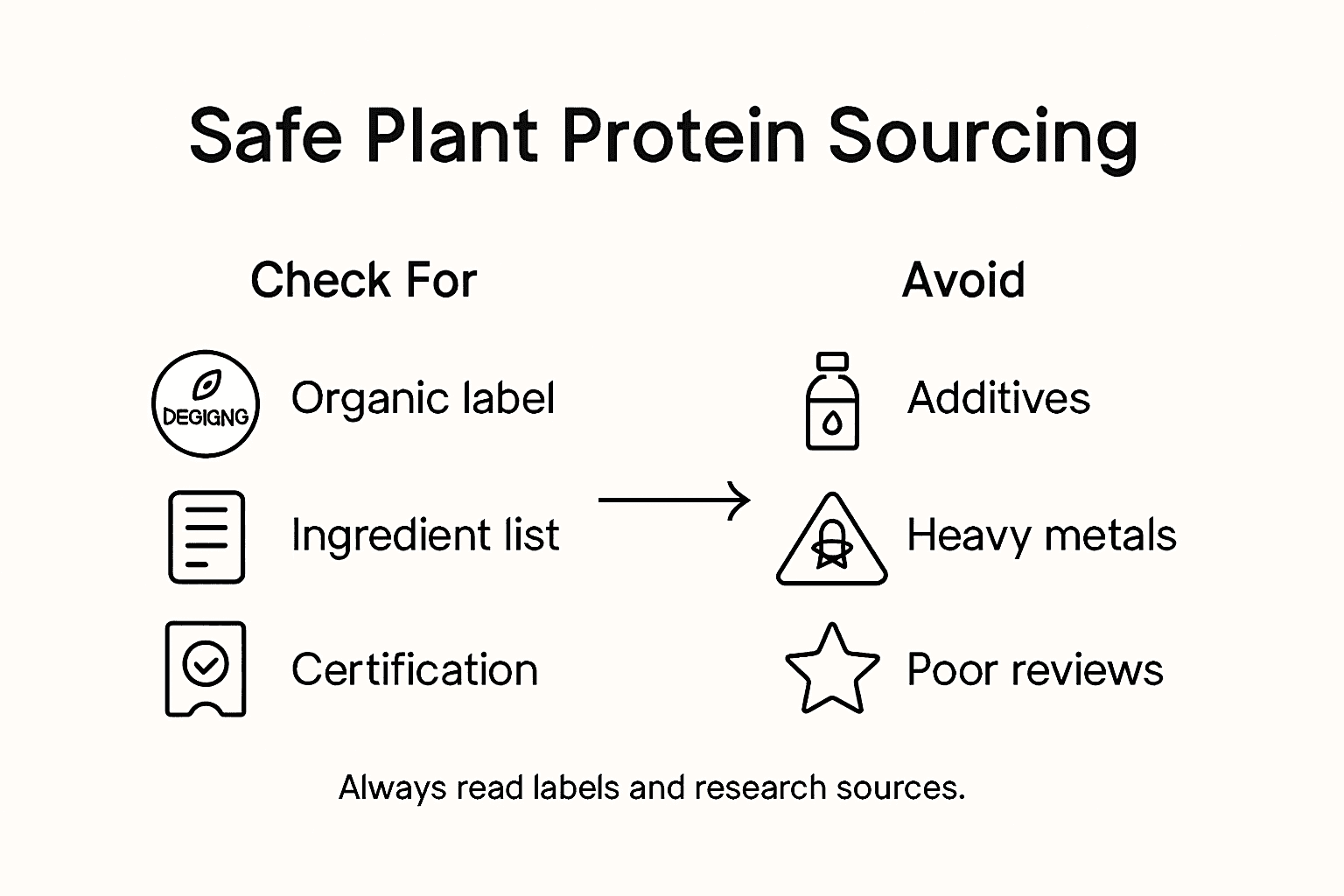
Pro Nutrition Tip: Investigate product origins by checking certification labels, reviewing independent testing reports, and selecting proteins from reputable sources that prioritise nutritional transparency and minimal processing.
Common Pitfalls When Choosing Plant Protein
Navigating the world of plant proteins requires a discerning approach, as many individuals unknowingly encounter significant nutritional challenges. Understanding amino acid profiles and potential anti-nutritional factors is crucial when selecting plant-based protein sources, as not all plant proteins are created equal. Consumers often mistakenly assume that all plant proteins provide comprehensive nutrition, overlooking critical nuances in protein quality and digestibility.
One primary pitfall involves incomplete protein profiles. Many plant proteins lack one or more essential amino acids, making them insufficient as standalone nutritional sources. Pea protein, for instance, might be low in methionine, while rice protein could be deficient in lysine. Intelligent protein combinations become essential: pairing rice with beans, or consuming a variety of protein sources throughout the day, can help create a complete amino acid profile that supports optimal bodily functions.
Processing methods and hidden ingredients represent another significant concern for health-conscious consumers. Heavily processed plant protein supplements often contain artificial sweeteners, unnecessary fillers, and excessive additives that compromise nutritional integrity. Consumers should scrutinise ingredient lists, prioritising minimally processed options with transparent sourcing. Additional red flags include excessive sugar content, artificial flavourings, and protein sources with limited traceability. Understanding extraction techniques, examining third-party testing results, and selecting proteins with minimal ingredient lists can dramatically improve nutritional outcomes.
The following table highlights key strategies and pitfalls in plant-based protein selection:
| Strategy or Pitfall | Impact on Nutrition | Example/Explanation |
|---|---|---|
| Combining proteins | Ensures amino acid completeness | Rice and beans together |
| Minimal processing | Preserves nutrient quality | Opt for whole grains, not isolates |
| Ingredient transparency | Avoids hidden additives | Scrutinise ingredient lists |
| Relying on single source | Risk of amino acid deficiency | Pea protein lacking methionine |
| Fortification | Reduces risk of micronutrient gaps | B12-fortified plant milks |
Pro Nutrition Tip: Rotate protein sources weekly and combine complementary plant proteins to ensure a comprehensive amino acid intake, preventing potential nutritional deficiencies and supporting balanced dietary nutrition.
Unlock the Full Potential of Plant-Based Protein with Granavitalis
Ensuring real nutrition and everyday strength from plant-based proteins means overcoming challenges like incomplete amino acid profiles and hidden additives. This article highlights the importance of combining diverse, nutrient-dense plants to achieve complete nutrition while choosing high-quality sources that honour tradition and purity. At Granavitalis, we understand your goal to fuel your body with clean, transparent, and thoughtfully crafted plant-powered ingredients rooted in ancient grains, nuts, and seeds.
Explore our carefully curated range of Vegan Protein Powders designed to provide balanced amino acid profiles and maximise nutritional diversity.
Make today the day you switch to mindful, nutrient-packed plant protein that supports strength, recovery, and sustained well-being. Visit Granavitalis now to experience purity, performance and purpose in every serving. See how our Metabolic Advantage Pack can further enhance your clean nutrition journey.
Frequently Asked Questions
What are plant-based proteins and their key benefits?
Plant-based proteins are nutritional sources derived from plants such as grains, legumes, nuts, and seeds. They offer essential amino acids while being environmentally sustainable, potentially reducing cholesterol levels and lowering the risk of type 2 diabetes.
How can I ensure I get complete nutrition from a plant-based diet?
To achieve complete nutrition, combine various plant protein sources, such as quinoa with legumes. This strategy addresses amino acid deficiencies and enhances overall nutritional quality by incorporating diverse foods.
What are some common types of plant-based proteins?
Common types of plant-based proteins include soy, lentils, quinoa, chickpeas, hemp seeds, and almonds. Each has unique nutritional profiles, contributing to a more balanced diet when consumed in combination.
What should I consider when sourcing high-quality plant proteins?
When sourcing high-quality plant proteins, look for organic certification, minimal processing, and transparency in farming practices. Additionally, consider third-party testing for contaminants to ensure nutritional integrity.