
How to Increase Protein Vegetarian Diet Naturally for Vitality
Finding vegetarian meals that truly satisfy your energy needs can often feel like a challenge, especially when you want to boost protein without relying on animal products. For many health-conscious adults in the United Kingdom, balancing a plant-based diet with premium protein sources and ancient grains means better support for muscles, metabolism, and long-lasting vitality. Discover how strategic choices and simple swaps can help you create a nourishing, varied diet that delivers complete nutrition and keeps your meals both exciting and wholesome.
Table of Contents
- Step 1: Assess Current Protein Sources
- Step 2: Integrate Ancient Grains and Seeds
- Step 3: Add Premium Plant-Based Proteins
- Step 4: Enhance Meals With Nut Butters
- Step 5: Verify Daily Protein Intake
Quick Summary
| Key Point | Explanation |
|---|---|
| 1. Assess your protein sources | Track your meals for a week to identify current protein intake and sources from vegetarian foods. |
| 2. Incorporate ancient grains | Use ancient grains like quinoa and amaranth to boost protein intake while diversifying nutrition. |
| 3. Add premium plant-based proteins | Include soy products, lentils, and seitan to enhance the overall protein quality in your meals. |
| 4. Use nut butters creatively | Incorporate nut butters into meals and snacks for an easy and delicious way to increase protein levels. |
| 5. Regularly verify protein intake | Monitor daily protein consumption based on individual needs to ensure a balanced vegetarian diet. |
Step 1: Assess Current Protein Sources
Before designing a protein-rich vegetarian diet, understanding your current nutritional intake is crucial. Protein requirements depend on body weight and individual needs, typically averaging around 0.75 grams per kilogram of body weight for most adults.
To effectively assess your current protein sources, begin by tracking a detailed food diary for one week. Note down every meal and snack, paying close attention to protein-rich vegetarian ingredients such as:
- Legumes (lentils, chickpeas, kidney beans)
- Dairy products (if lacto-vegetarian)
- Nuts and seeds
- Whole grains
- Green vegetables
- Soy products (tofu, tempeh)
Calculating Your Protein Intake requires carefully measuring portion sizes and understanding the protein content of different foods. Vegetarian diets can supply ample protein from diverse sources when planned thoughtfully. Consider using a nutrition tracking app to help quantify your current intake accurately.
Aim to consume a variety of protein sources to ensure you receive all essential amino acids throughout the day.
Top tip: Keep a detailed food journal and weigh or measure your protein portions to get an accurate understanding of your current nutritional intake.
Step 2: Integrate Ancient Grains and Seeds
Ancient grains offer remarkable nutritional benefits for vegetarians seeking to boost protein and overall dietary quality. These nutrient-dense grains like quinoa, amaranth, millet, and spelt provide a powerful alternative to conventional grain options, delivering essential proteins, minerals, and sustained energy.
To effectively incorporate ancient grains into your diet, consider the following strategies:
- Diversify Your Grain Selection: Mix different ancient grains to create nutritional variety
- Experiment with Cooking Methods: Roast, boil, or steam grains to enhance flavour
- Combine with Protein-Rich Seeds: Add chia, hemp, or flax seeds for extra nutrition
- Replace Traditional Grains: Substitute quinoa for rice or couscous in meals
Protein Enhancement becomes straightforward when ancient grains are slowly absorbed, providing steady energy. Each grain offers unique nutritional profiles, ensuring your vegetarian diet remains balanced and nourishing.
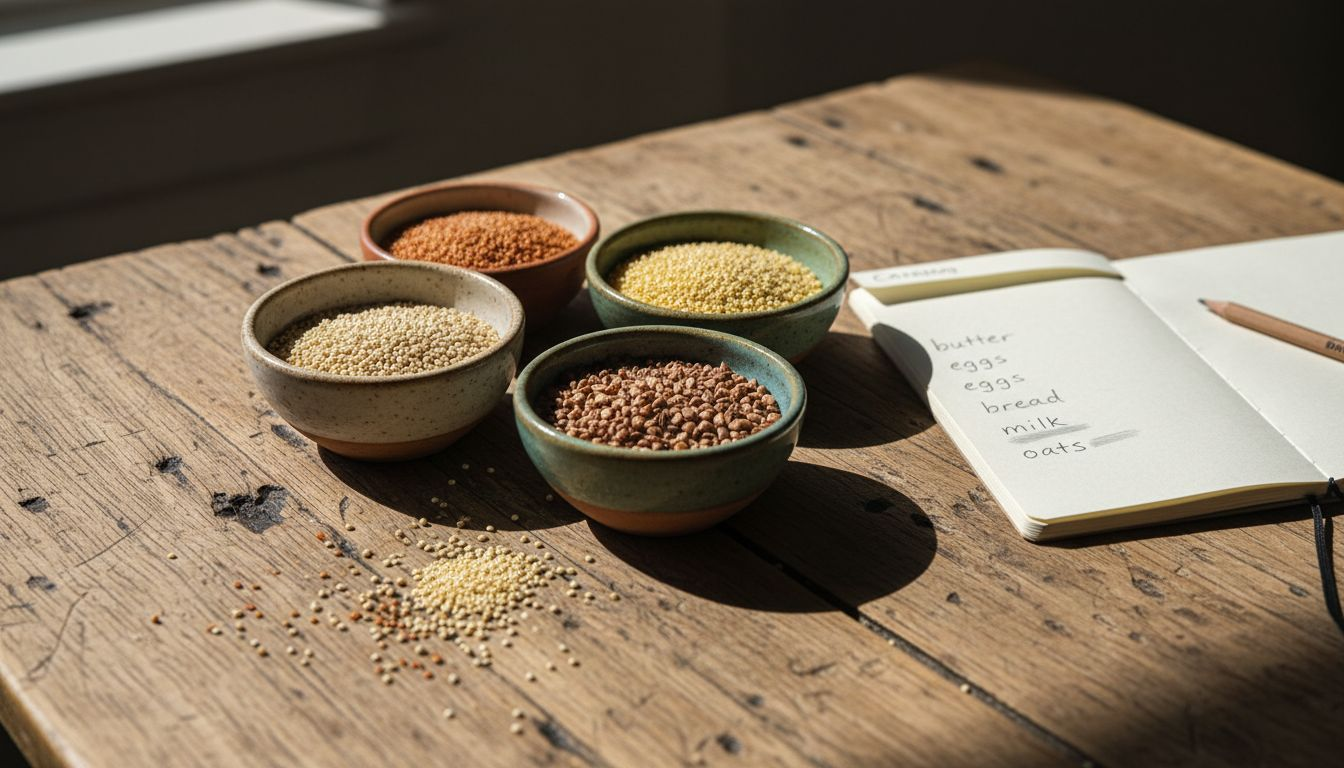
Here is a quick comparison of popular ancient grains for vegetarians:
| Grain | Protein per 100g | Key Nutrients | Notable Benefits |
|---|---|---|---|
| Quinoa | 4.4g | Iron, magnesium, fibre | Complete protein source |
| Amaranth | 3.8g | Calcium, lysine, fibre | Gluten-free, high in lysine |
| Millet | 3.5g | Magnesium, phosphorus | Easily digested, low allergy |
| Spelt | 5.5g | Iron, manganese, zinc | Higher protein than wheat |
Ancient grains maintain their natural nutrients, offering a wholesome alternative to refined grains.
Pro tip: Start by introducing one new ancient grain per week to gradually expand your nutritional palette and prevent dietary monotony.
Step 3: Add Premium Plant-Based Proteins
Premium plant-based proteins offer exceptional nutritional benefits for vegetarians seeking to enhance their dietary protein intake. These nutrient-dense foods provide essential amino acids and versatile options for creating balanced, protein-rich meals.
To effectively incorporate premium plant proteins into your diet, focus on these key sources:
- Soy-Based Proteins: Tofu, tempeh, and edamame
- Legume Powerhouses: Lentils, chickpeas, and beans
- Seitan: A wheat-based protein with high protein content
- Nutritional Yeast: Adds protein and vitamin B12 to meals
- Protein-Rich Nuts: Almonds, pistachios, and cashews
Protein Combination is crucial for vegetarians. Diverse plant protein sources ensure complete amino acid profiles, preventing potential nutritional gaps and supporting overall health. Experiment with different protein sources to keep your meals interesting and nutritionally balanced.
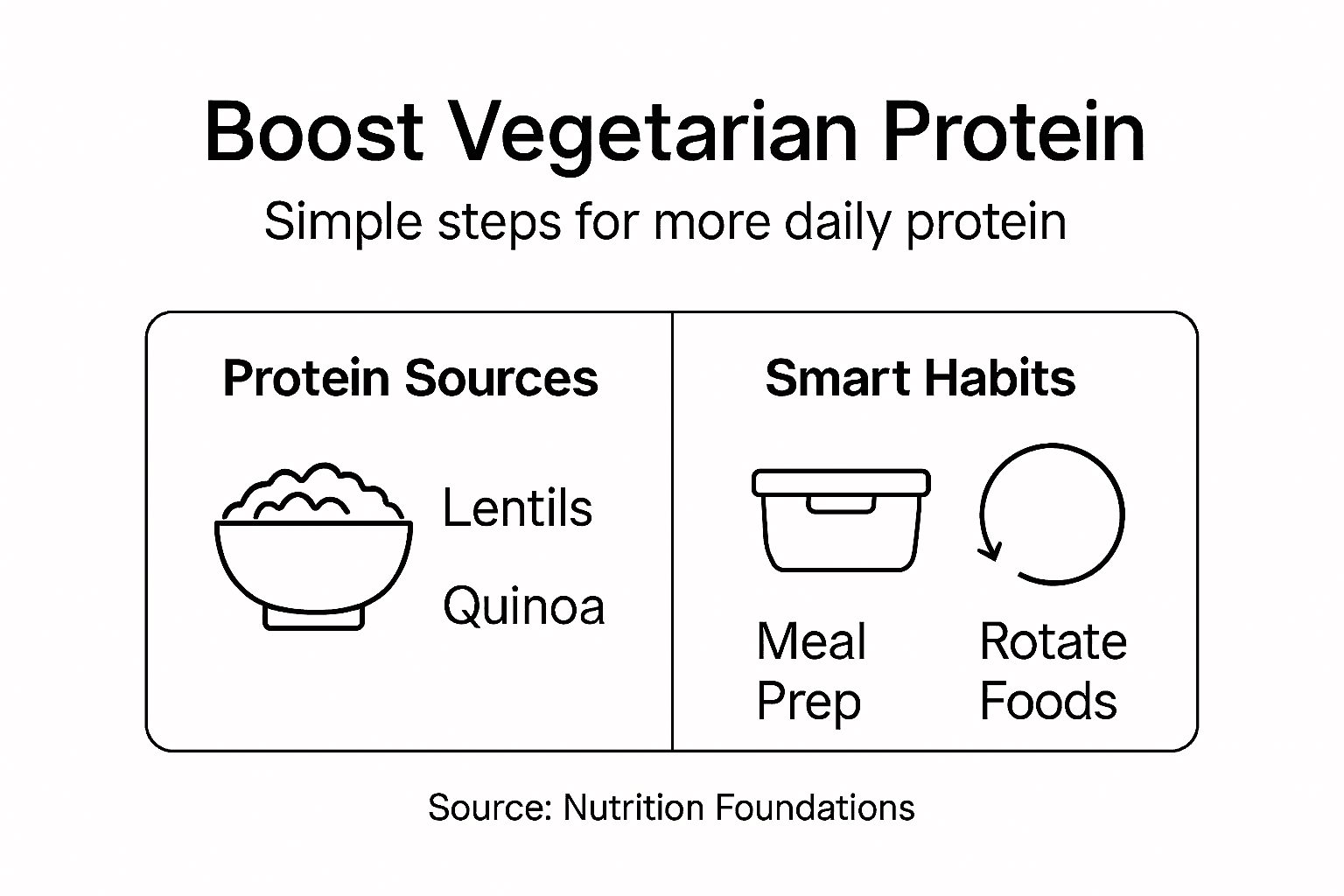
The following table summarises the key features of common premium plant-based proteins:
| Protein Source | Typical Protein per 100g | Additional Nutritional Value |
|---|---|---|
| Tofu | 8g | Contains calcium, iron |
| Tempeh | 19g | Rich in probiotics, low in carbs |
| Seitan | 25g | High in selenium, low fat |
| Edamame | 11g | High in folate, vitamin K |
| Nutritional Yeast | 50g | Provides B12 (fortified), low sodium |
| Almonds | 21g | Good source of vitamin E, magnesium |
Strategically mixing plant proteins throughout the day maximises nutritional absorption and dietary variety.
Pro tip: Rotate your protein sources weekly to prevent dietary boredom and ensure a comprehensive range of nutrients.
Step 4: Enhance Meals with Nut Butters
Nut butters are nutrient-dense spreads packed with protein and essential nutrients that can dramatically elevate the nutritional profile of vegetarian meals. These versatile spreads offer an effortless way to increase protein intake while delivering healthy fats and vital minerals.
To incorporate nut butters effectively into your diet, consider these innovative strategies:
- Breakfast Boosters: Spread on wholegrain toast or mix into porridge
- Smoothie Enhancers: Blend a tablespoon into morning smoothies
- Sauce and Dressing Base: Create rich, protein-packed sauces for vegetables
- Baking Ingredient: Use as a protein-rich substitute for traditional fats
- Snack Dips: Pair with fresh fruits or vegetable sticks
Nutritional Diversity becomes simple when selecting nut butters without added sugars and focusing on varieties like almond, peanut, and walnut. Each type offers unique nutritional benefits, ensuring your diet remains interesting and wholesome.
Rotating different nut butters ensures a broad spectrum of nutrients and prevents dietary monotony.
Pro tip: Store nut butters in a cool, dark place and stir thoroughly before use to distribute natural oils evenly.
Step 5: Verify Daily Protein Intake
Protein requirements vary based on individual factors like body weight, age, and activity level, making precise tracking essential for vegetarian nutrition. Understanding your specific protein needs helps ensure optimal health and dietary balance.
To effectively verify your daily protein intake, follow these strategic steps:
- Calculate Base Requirement: Multiply body weight (kg) by 0.75-1.4 grams
- Use Nutrition Tracking Apps: Log meals and measure protein content
- Consult a Nutritional Professional: Get personalised dietary guidance
- Review Protein Sources: Assess diversity of protein-rich foods
- Monitor Energy Levels: Track physical performance and recovery
Protein Intake Strategies become more nuanced when considering individual activity and aging requirements. Plant-based diets can successfully meet protein needs with careful planning and diversified nutrition.
Regular protein intake monitoring ensures nutritional adequacy and supports long-term vitality.
Pro tip: Invest in a digital food scale and nutrition tracking app to simplify precise protein measurement.
Unlock Natural Protein Power for Lasting Vitality
Struggling to increase protein intake on a vegetarian diet can feel overwhelming. This article highlights common challenges like sourcing complete plant proteins and exploring nutrient-dense ancient grains. If your goal is to build strength, maintain energy, and enhance recovery naturally, embracing wholefood nutrition is crucial. Granavitalis offers thoughtfully crafted options rooted in tradition including Vegan Protein Powders that provide pure, clean plant-protein sources designed for modern vitality.
Experience the difference of nutrition that honours the past and fuels today. Explore premium plant-based protein blends, ancient grain flours, and nutrient-rich nut butters that complement your vegetarian lifestyle. Visit Granavitalis now to discover how simple dietary enhancements can support your wellbeing and sustained energy. Take action today and start your journey towards natural, balanced protein intake for life.
Frequently Asked Questions
How can I assess my current protein intake on a vegetarian diet?
To assess your current protein intake, track a detailed food diary for one week, noting every meal and snack. Focus on protein-rich vegetarian ingredients to get a comprehensive picture of your nutrition.
What are the best plant-based sources of protein for vegetarians?
Key plant-based sources of protein for vegetarians include legumes such as lentils and chickpeas, soy products like tofu and tempeh, and nuts and seeds. Experiment with incorporating a variety of these sources into your daily meals to ensure a balanced protein intake.
How can I easily integrate ancient grains into my vegetarian diet?
To incorporate ancient grains, start by replacing traditional grains with options like quinoa or millet in your meals. Aim to mix different ancient grains each week to diversify your nutrition and enhance meal variety.
What are premium plant-based proteins I can include in my meals?
Premium plant-based proteins include soy-based products, legumes, seitan, and nutritional yeast. Focus on incorporating these foods into your meals to boost protein levels and enhance your diet.
How can nut butters enhance my vegetarian diet?
Nut butters can significantly increase your protein intake while providing healthy fats. Use them as breakfast spreads or mix them into smoothies to make your meals more nutrient-dense.
How do I calculate my required daily protein intake as a vegetarian?
To calculate your daily protein requirement, multiply your body weight in kilograms by 0.75 to 1.4 grams. This will give you a target range to aim for daily to meet your nutritional needs.
Recommended
- Good Protein for Vegetarians: Building Strength – Granavitalis
- 6 Effective Ways to Get Protein as a Vegetarian – Granavitalis
- 7 Best Vegetarian Foods with High Protein Content Naturally – Granavitalis
- Top 10 Vegan Sources of Protein for Your Diet – Granavitalis
- Understanding What is Vegan Protein and Its Importance – MyGymSupplements