
How to Combine Ancient Grains Naturally for Vitality
More british households are exploring the world of ancient grains, yet nearly 60 percent remain unsure how to combine them for real nutritional benefit. Choosing and preparing these grains can set a solid foundation for balanced meals, supporting everything from steady energy to stronger digestion. By understanding how to select, pair, and cook ancient grains with nuts, seeds, and plant proteins, you can transform everyday nutrition and make each dish count for your health.
Table of Contents
- Step 1: Select Complementary Ancient Grains For Balance
- Step 2: Prepare Grains For Enhanced Digestion And Nutrition
- Step 3: Combine Grains With Nuts, Seeds And Plant Proteins
- Step 4: Cook Mixtures To Achieve Ideal Texture And Taste
- Step 5: Test Final Blend For Nutritional Completeness
Quick Summary
| Key Point | Explanation |
|---|---|
| 1. Select diverse ancient grains | Combine grains like quinoa and amaranth for a broad range of nutrients and protein profiles that support overall wellness. |
| 2. Prepare grains properly | Techniques like soaking reduce anti-nutrients and enhance digestibility, allowing for better absorption of vital nutrients. |
| 3. Combine with proteins | Pair ancient grains with nuts, seeds, or plant proteins to ensure complete amino acid profiles and boost nutritional value. |
| 4. Cook correctly for texture | Understand the unique cooking needs of each grain; adjust water ratios and cooking times for optimal taste and nutrition. |
| 5. Evaluate nutritional completeness | Assess your grain mixtures for essential nutrients to confirm they support your specific health needs and dietary goals. |
Step 1: Select complementary ancient grains for balance
Crafting a balanced nutritional profile requires thoughtful selection of ancient grains that work harmoniously together. Your goal is to combine grains that offer diverse nutritional benefits while creating complementary protein and micronutrient profiles. Understanding ancient grains becomes crucial in making intelligent selections that support your wellness goals.
To achieve optimal nutritional synergy, focus on pairing grains with different strengths. For instance, quinoa provides complete proteins and all essential amino acids, while amaranth offers high levels of calcium and iron. Combining these creates a more comprehensive nutrient package. Consider mixing grains like teff (rich in vitamin B) with millet (high in magnesium) to develop a robust nutritional foundation. The 7 essential examples of balanced nutrition highlight how strategic grain selection can transform your dietary approach.
Warning: Always introduce new grains gradually and observe how your body responds. Some individuals might experience digestive sensitivity when first incorporating diverse ancient grains into their diet. Start with small quantities and progressively increase portion sizes to support your digestive system’s adaptation.
Step 2: Prepare grains for enhanced digestion and nutrition
Preparing ancient grains requires thoughtful techniques that unlock their nutritional potential and improve digestibility. Your primary objective is to transform raw grains into easily absorbed nutrients by implementing strategic preparation methods that minimise anti nutrients and maximise nutritional benefits. Understanding ancient grains and gut health becomes critical in developing effective preparation strategies.
Traditional preparation methods like soaking play a pivotal role in grain preparation. By soaking whole grains in warm water with a small amount of acidic medium like apple cider vinegar or lemon juice for 8 to 12 hours, you can significantly reduce phytic acid content. Phytic acid naturally prevents mineral absorption, so this technique helps neutralise enzyme inhibitors and makes nutrients more bioavailable. Rinse the grains thoroughly after soaking and consider sprouting or fermenting for additional nutritional benefits. This process not only enhances digestibility but also reduces potential digestive discomfort associated with consuming whole grains.
Warning: Always monitor your bodys response when introducing newly prepared grains. Some individuals might experience temporary digestive adjustments as their system adapts to these nutrient dense foods. Start with small quantities and gradually increase portion sizes to support optimal digestive adaptation.
Step 3: Combine grains with nuts, seeds and plant proteins
Combining ancient grains with complementary proteins creates a powerful nutritional foundation that supports your bodys vitality and energy requirements. Your goal is to strategically blend different protein sources that work synergistically to provide complete amino acid profiles and essential nutrients. High protein plant based diets offer excellent guidance for developing balanced nutritional combinations.
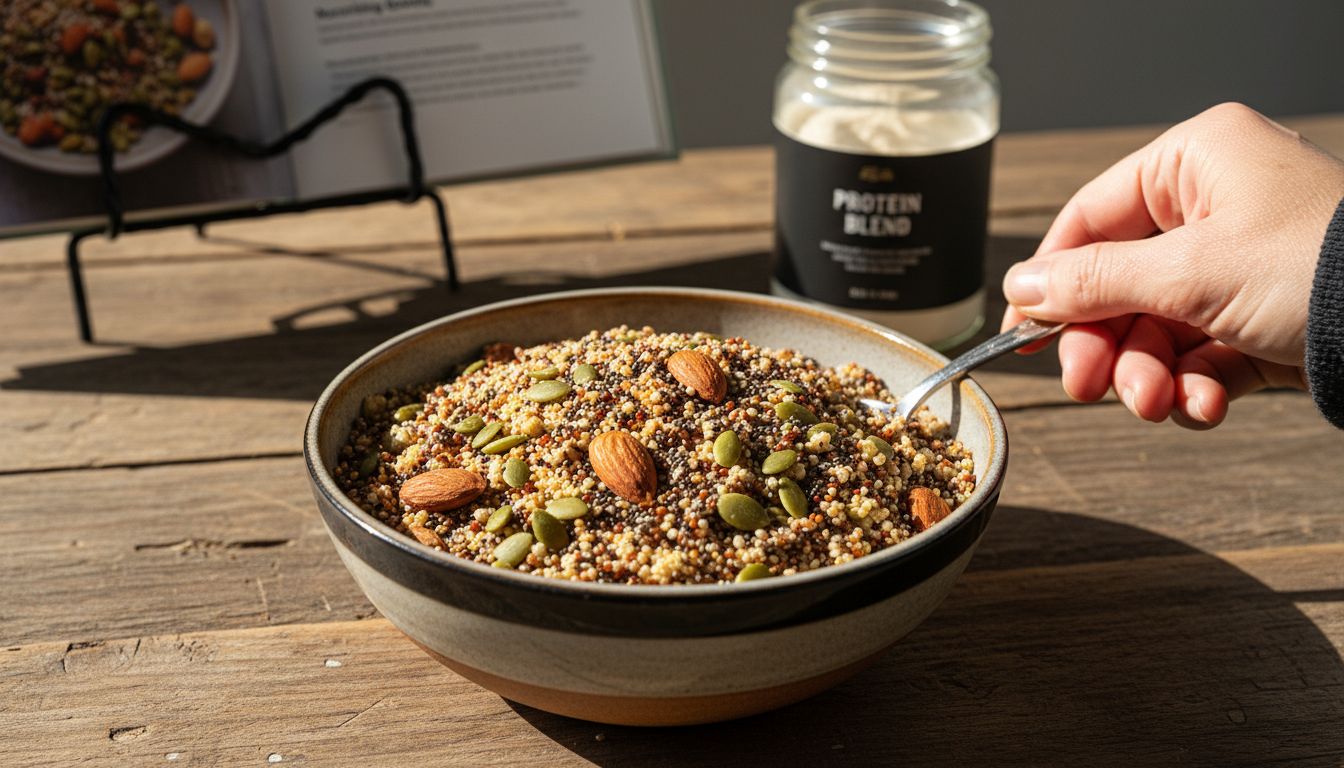
Start by mixing quinoa with almonds or chia seeds to enhance protein absorption and provide a full spectrum of amino acids. Amaranth pairs beautifully with pumpkin seeds, creating a nutrient dense blend rich in magnesium, zinc, and complete proteins. Consider adding plant protein powders like pea or hemp protein to your grain mixtures for an additional protein boost. Experiment with combinations such as millet with sunflower seeds or teff with ground flaxseeds to create diverse and nutritionally robust meals that support sustained energy and muscle recovery.
Warning: Individual nutritional needs vary widely. Monitor your bodys response when introducing new protein combinations and adjust quantities based on your personal energy levels and digestive comfort. Gradual introduction allows your system to adapt and helps identify optimal nutritional ratios for your unique metabolic requirements.
Step 4: Cook mixtures to achieve ideal texture and taste
Mastering the art of cooking ancient grain mixtures requires understanding the unique cooking characteristics of each grain and protein combination. Your objective is to create harmonious textures and flavours that transform simple ingredients into delectable nutritional powerhouses. Cooking whole grains precisely becomes essential for achieving optimal culinary results.
Begin by selecting appropriate liquid ratios and cooking times for different grains. Quinoa typically requires a 2:1 water to grain ratio and cooks in approximately 15 minutes, while amaranth needs slightly more water and a longer cooking time of around 20 minutes. For mixed grain preparations, start with the grain that requires the longest cooking time and gradually introduce quicker cooking grains. Use methods like absorption cooking or gentle simmering to maintain nutrient integrity. Experiment with aromatic additions such as fresh herbs, garlic, or a splash of vegetable broth to enhance flavour profiles and create more complex and satisfying grain mixtures.
Warning: Each grain behaves differently when cooked. Pay close attention to water absorption rates and adjust cooking techniques accordingly. Some grains like millet can quickly become mushy if overcooked, while others like teff require precise water measurements to achieve the perfect consistency. Always taste and adjust your cooking method to ensure each grain maintains its unique texture and nutritional value.
Step 5: Test final blend for nutritional completeness
Validating the nutritional profile of your ancient grain mixtures requires a strategic approach that goes beyond simple ingredient selection. Your primary goal is to ensure that each combination delivers a comprehensive range of essential nutrients that support holistic wellness. Understanding the health benefits of ancient grains provides crucial insights into creating nutritionally balanced blends.
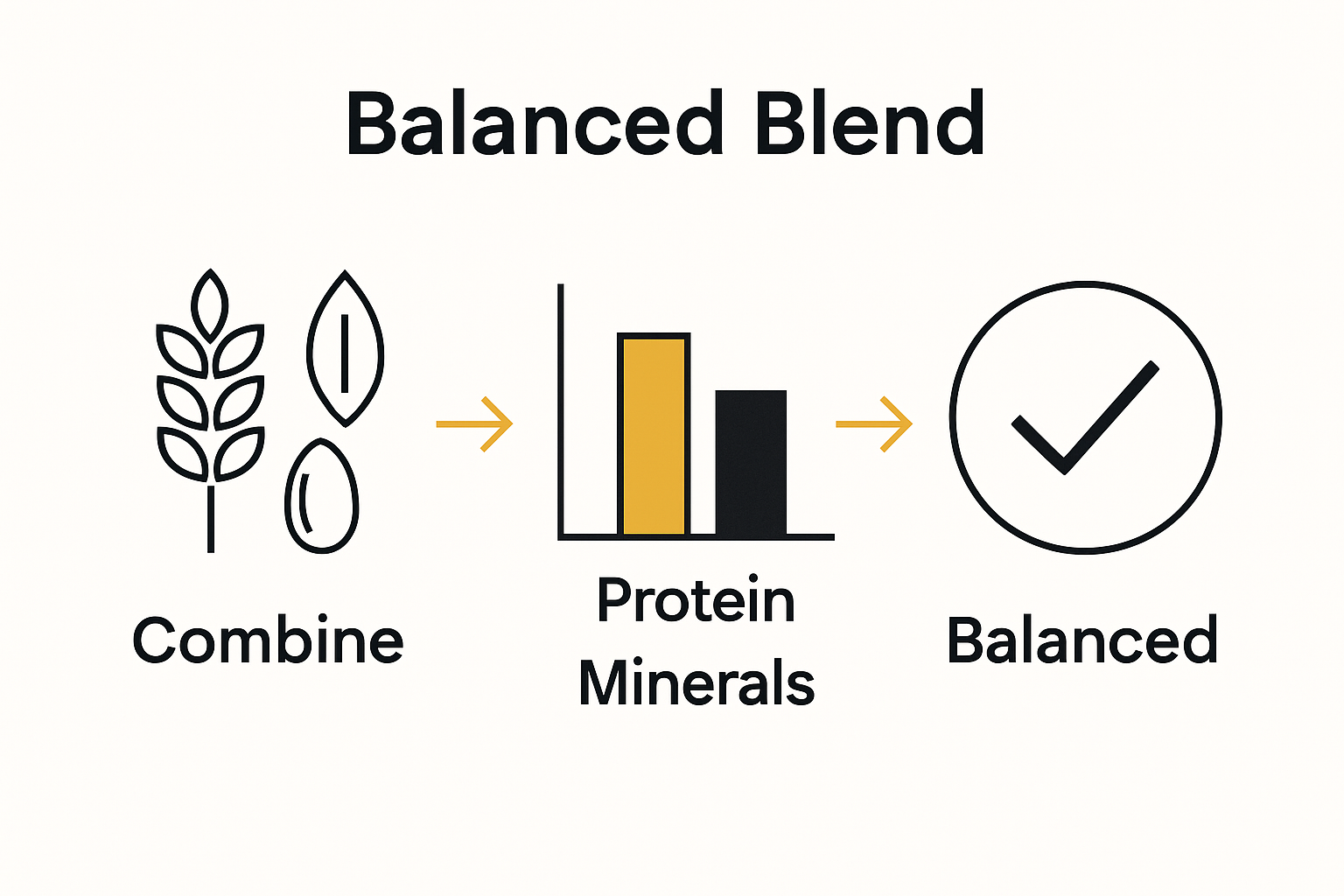
Evaluate your grain mixture across multiple nutritional dimensions by examining protein quality, mineral content, and amino acid diversity. Focus on creating combinations that provide complete proteins by pairing grains with complementary amino acid profiles. For instance, blend quinoa with amaranth to create a protein profile that contains all nine essential amino acids. Consider tracking key nutrients such as magnesium, zinc, iron, and B vitamins to confirm your mixture offers a robust nutritional foundation. Utilise tools like nutritional tracking apps or consult with a nutritionist to perform detailed macronutrient and micronutrient assessments of your specific grain combinations.
Warning: Nutritional needs vary significantly between individuals. While your carefully crafted grain blend may offer impressive nutritional potential, personal metabolism, dietary restrictions, and health conditions can influence how your body processes these nutrients. Regular monitoring and potential professional guidance will help you fine tune your approach to achieve optimal nutritional balance.
Unlock the Power of Natural Ancient Grain Combinations for Your Well-being
Balancing ancient grains for vitality can feel overwhelming when trying to find the right blends for digestion, nutrition and flavour. You want to combine grains, nuts and seeds in ways that honour traditional preparation while meeting modern energy and recovery needs. Key challenges include reducing anti-nutrients, achieving complete protein profiles and mastering cooking techniques for optimal texture — all vital for building a truly nourishing foundation.
Discover how Granavitalis helps you overcome these challenges with our carefully sourced Grains – Granavitalis and Gluten Free Flours – Granavitalis that support your journey to holistic nutrition rooted in time and powered for today.

Explore our range of pure, high-performance wholefoods specifically selected for clean digestion and nutrient completeness. Take the next step to honour your body with foods crafted for real strength, energy and balance. Visit Granavitalis now and fuel your future by embracing the powerful legacy of ancient grains.
Frequently Asked Questions
How do I select complementary ancient grains for balance in my diet?
Combining different ancient grains helps create a balanced nutritional profile. Focus on pairing grains with diverse strengths, such as mixing quinoa for its complete proteins with amaranth for its high calcium and iron content. Start by incorporating one or two complementary grains into your meals.
What preparation techniques enhance the digestion and nutritional value of ancient grains?
Soaking ancient grains before cooking is crucial for improving digestibility and nutrient absorption. Soak them in warm water with a small amount of an acidic medium for 8 to 12 hours to reduce phytic acid content. Rinse thoroughly before cooking to maximise the nutritional benefits.
How can I combine ancient grains with nuts and seeds for better nutrition?
Mixing ancient grains with nuts and seeds creates a robust protein profile that enhances nutritional value. For example, combine quinoa with almonds or chia seeds for a complete amino acid spectrum. Experiment with various pairings to find combinations that suit your taste and nutritional needs.
What cooking methods should I use for different ancient grain mixtures?
Each ancient grain has unique cooking requirements, so it’s important to understand their characteristics. Start by cooking grains that require the longest time first, then add quicker-cooking grains. Use gentle simmering or absorption methods to preserve nutrients and prevent overcooking.
How can I test my ancient grain blends for nutritional completeness?
Evaluate your grain mixtures by checking their protein quality and mineral content to ensure they meet your nutritional needs. Aim to combine grains that provide complete proteins, such as quinoa and amaranth together. Monitor key nutrients, and consider using tracking methods to assess your grain combinations.
What should I do if I experience digestive issues after combining ancient grains?
Start by gradually introducing new grains into your diet to allow your digestive system to adjust. If discomfort occurs, reduce portion sizes or take a break from those grains. Consult a healthcare professional if issues persist, as they can provide tailored advice for your dietary needs.