
Ancient Grains in Europe: Nutritional Impact Today
Chasing a balanced, plant-based diet can often mean searching for options that go beyond the usual choices found in British supermarkets. Ancient grains have quietly thrived throughout European history, surviving with their original nutritional integrity largely untouched by modern farming. For anyone in the United Kingdom who values nutrient density, exploring these time-tested grains unlocks a richer, more varied source of wellness support linked to both tradition and modern fitness needs.
Table of Contents
- Ancient Grains Defined And Their European Roots
- Key Ancient Grain Varieties Grown In Europe
- Nutritional Benefits For Modern Lifestyles
- Comparing Ancient Grains With Modern Cereals
- Choosing, Preparing And Sourcing Ancient Grains
Key Takeaways
| Point | Details |
|---|---|
| Ancient Grains Offer Nutritional Advantages | Higher protein content, enhanced dietary fibre, and rich micronutrients contribute to modern health objectives. |
| Unique Characteristics of Ancient Grains | Varieties like Spelt, Emmer, and Einkorn provide distinct flavours and are often better tolerated by individuals with wheat sensitivities. |
| Sustainable Agricultural Practices | Ancient grains require fewer agricultural inputs and support long-term resilience, making them a viable alternative to modern cereals. |
| Preparation is Key | Proper cooking techniques and sourcing from speciality retailers can maximise the culinary potential of ancient grains in a modern diet. |
Ancient Grains Defined and Their European Roots
Ancient grains represent a fascinating category of agricultural treasures that have remained remarkably unchanged over millennia. Unlike modern hybridised cereals, these grains have preserved their original genetic structures, offering a direct nutritional link to our agricultural heritage. Archaeological evidence from European landscapes reveals these grains were pivotal in early human civilisations, playing crucial roles in dietary and cultural development.
In the European context, ancient grains encompass a diverse range of wheat varieties and cereal types, including:
- Spelt: A hardy wheat variety with robust nutritional profile
- Einkorn: One of the earliest domesticated wheat species
- Emmer: A primitive wheat type with rich mineral content
- Khorasan wheat (Kamut): An ancient wheat known for its distinctive flavour
- Millet: A versatile grain cultivated across multiple European regions
- Barley: A staple grain with deep historical roots
Physiological differences between these ancient grains and modern wheat varieties are significant. Comparative research on root systems and genetic traits demonstrates how centuries of agricultural practices have shaped these grains’ unique characteristics. These grains developed in low-input agricultural systems, creating resilient plant structures that differ markedly from contemporary commercial wheat.
To better understand the distinguishing characteristics of ancient grains, consider the following comparison of key European varieties:
| Grain Variety | Native Region | Distinct Flavour Profile | Nutritional Highlight |
|---|---|---|---|
| Spelt | Germany, Italy | Nutty, mild | High protein, fibre-rich |
| Emmer | Central Europe | Earthy, robust | Rich mineral content |
| Einkorn | Southeast Europe | Delicate, slightly sweet | Elevated antioxidant levels |
| Khorasan wheat | Mediterranean | Complex, buttery | Notable for zinc and selenium |
| Millet | Eastern Europe | Mild, fluffy | Good source of magnesium |
| Barley | Northern Europe | Sweet, malty | High beta-glucan fibre |
Pro tip: When exploring ancient grains, start by incorporating small quantities into your diet to appreciate their distinct nutritional profiles and understand how they differ from standard wheat products.
Key Ancient Grain Varieties Grown in Europe
Europe boasts a remarkable diversity of ancient grain varieties that have sustained agricultural traditions for centuries. Main ancient wheat species cultivated across European regions include several distinctive wheat types that offer unique nutritional and culinary characteristics. These grains represent more than just agricultural products; they are living connections to Europe’s rich agricultural heritage.
The primary ancient wheat varieties found throughout European landscapes include:
- Spelt: A robust wheat variety particularly prevalent in Germany and Italy
- Emmer: An early domesticated wheat with significant historical importance
- Khorasan wheat (Kamut): Known for its distinctive flavour profile
- Einkorn: One of the oldest domesticated wheat species in European agriculture
Beyond wheat, European regions cultivate a diverse range of ancient grains that contribute to local food cultures. Distinctive regional wheat varieties demonstrate remarkable agricultural diversity, including:
- Farro della Garfagnana in Italy
- Mavragani from Greece
- Franconian spelt in Germany
- Blé meunier d’Apt in France
These ancient grain varieties are not merely agricultural curiosities but represent important alternatives to modern commercial wheat. They typically require fewer inputs, demonstrate greater resilience, and offer unique nutritional profiles that differ significantly from standardised wheat varieties. Their continued cultivation reflects both cultural preservation and a growing interest in sustainable, heritage agricultural practices.
Pro tip: Experiment with different ancient grain varieties in your cooking to discover their unique textures and flavour nuances, starting with small quantities to appreciate their distinctive characteristics.
Nutritional Benefits for Modern Lifestyles
In today’s fast-paced world, ancient grains emerge as nutritional powerhouses perfectly aligned with contemporary health objectives. Bioactive compounds in ancient grains demonstrate significant health-promoting properties, offering a natural approach to wellness that goes beyond basic nutrition.
The key nutritional advantages of ancient grains for modern lifestyles include:
- Higher protein content compared to refined grains
- Enhanced dietary fiber supporting digestive health
-
Rich micronutrient profile, including:
- Magnesium
- Iron
- Zinc
- Lower glycemic index for better blood sugar regulation
- Natural antioxidant compounds that combat cellular stress
Nutritional research highlights ancient grains as superior dietary choices for managing chronic health conditions. These grains offer comprehensive benefits that address contemporary health challenges such as cardiovascular disease, metabolic syndrome, and obesity. Their complex nutritional structure provides sustained energy, supports immune function, and helps maintain stable blood sugar levels—critical considerations for individuals managing demanding modern lifestyles.
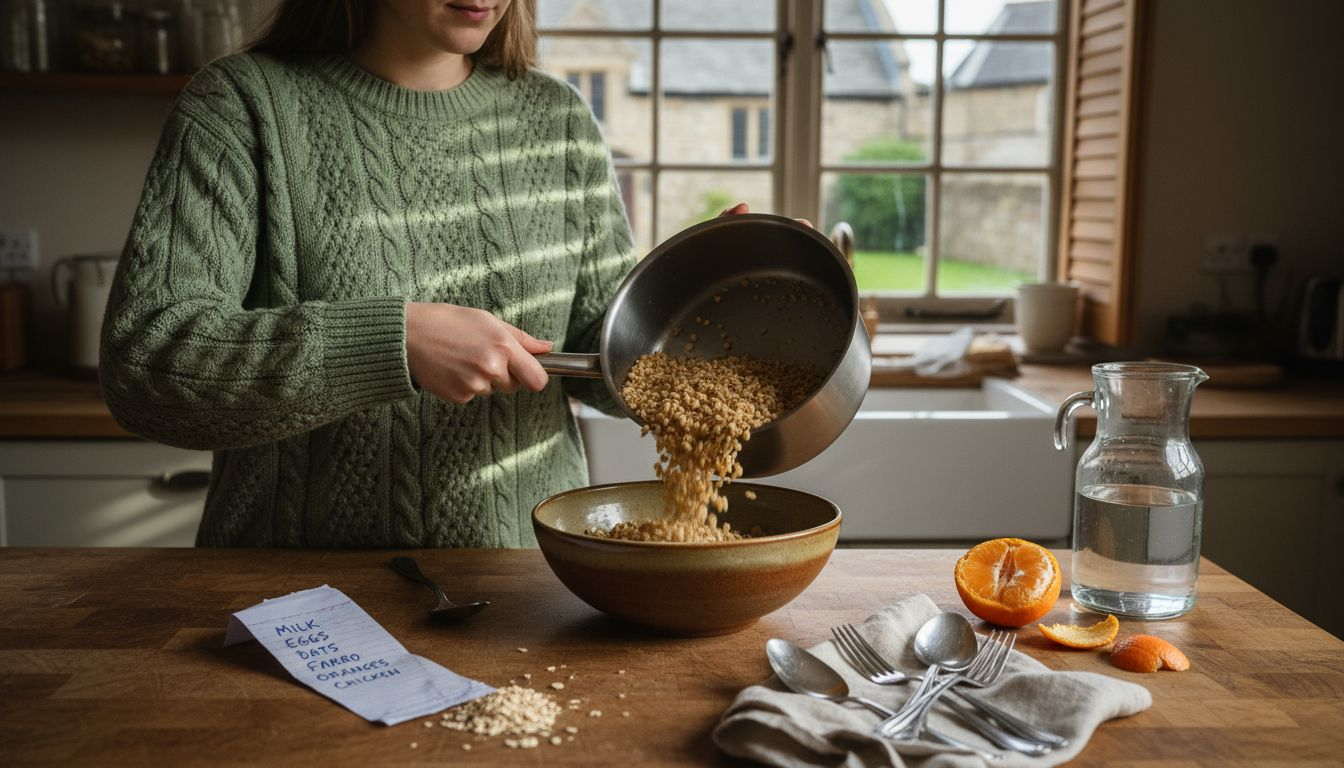
Moreover, ancient grains represent more than just a nutritional alternative; they embody a holistic approach to eating that prioritises whole-food nutrition. By incorporating these grains, individuals can access a natural, minimally processed food source that supports long-term health and wellness goals.
Pro tip: Gradually introduce ancient grains into your diet by replacing one refined grain serving per week with a nutrient-dense ancient grain alternative.
Comparing Ancient Grains With Modern Cereals
Comparative research on wheat varieties reveals fundamental differences between ancient and modern grains that extend far beyond simple nutritional metrics. While modern wheat breeding has prioritised yield and industrial processing capabilities, ancient grains represent a more nutritionally complex alternative with significant health implications.
Key distinctions between ancient and modern grains include:
-
Nutritional Density
- Ancient grains: Higher protein content
- Modern grains: Lower micronutrient levels
-
Processing
- Ancient grains: Minimally processed
- Modern grains: Extensively refined
-
Bioactive Compounds
- Ancient grains: More antioxidants and polyphenols
- Modern grains: Reduced phytonutrient profile
Interestingly, scientific comparisons highlight significant nutritional variations that challenge conventional understanding of grain nutrition. For instance, ancient wheat varieties like emmer and einkorn contain higher levels of protein, minerals, and beneficial compounds compared to their modern counterparts. Modern wheat breeding has systematically prioritised characteristics like yield and baking performance, often at the expense of nutritional integrity.
The implications extend beyond simple nutritional differences. Some individuals with wheat sensitivities report better tolerance for ancient grain varieties, suggesting potential physiological advantages that merit further investigation. This emerging research underscores the value of maintaining diverse grain varieties in our dietary landscape.
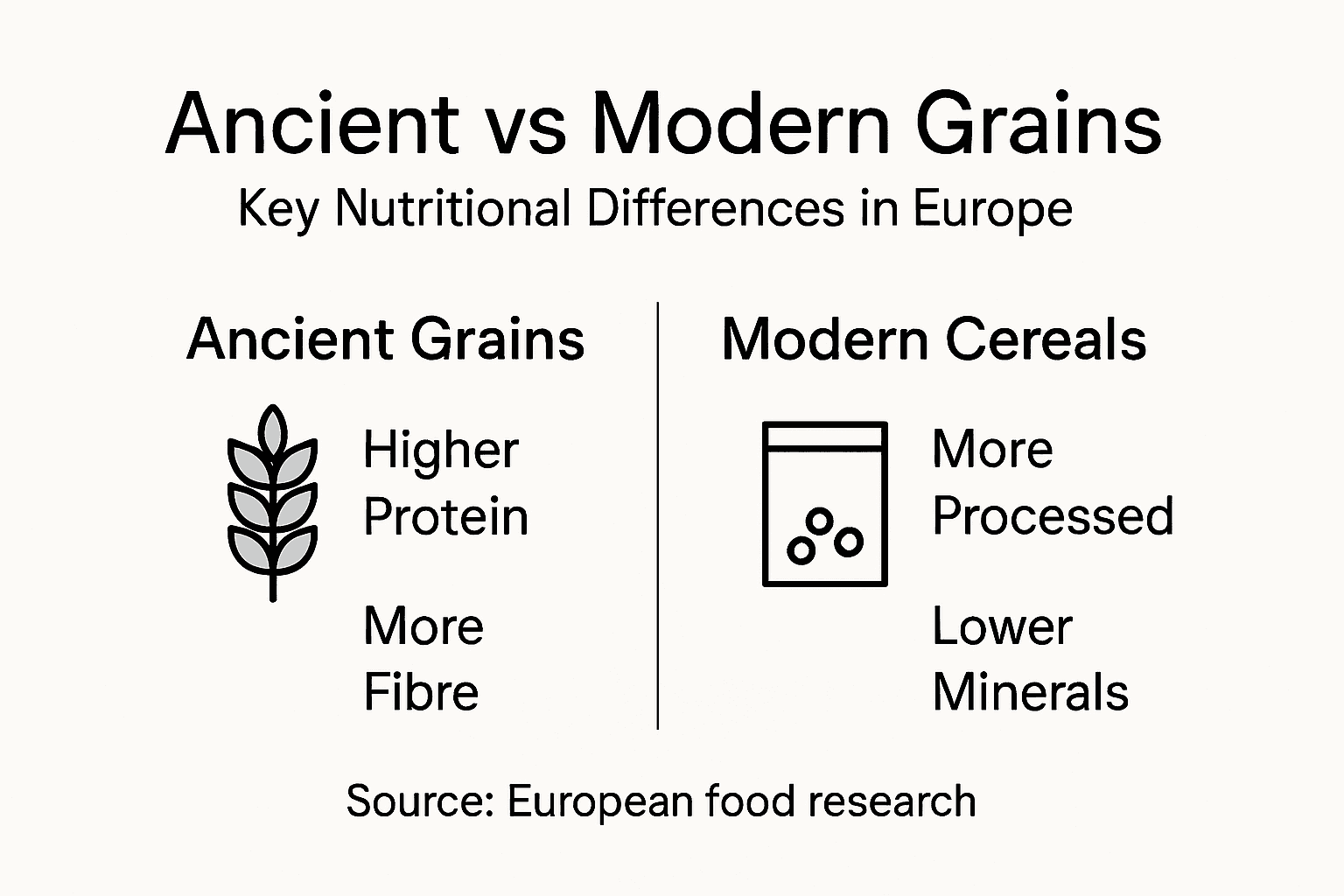
The table below summarises how ancient grains differ from modern cereals in ways that impact nutritional outcomes and culinary uses:
| Attribute | Ancient Grains | Modern Cereals | Everyday Impact |
|---|---|---|---|
| Protein Content | Generally higher | Lower, variable | Supports muscle maintenance |
| Processing Level | Minimal, wholegrain | Highly refined | Retains vitamins and minerals |
| Tolerance for Allergies | Often better tolerated | Can trigger sensitivities | Expands dietary choices |
| Culinary Versatility | Suitable for rustic breads | Favour baking precision | Enables diverse traditional dishes |
Pro tip: Experiment with different ancient grain varieties, rotating them into your diet to experience their unique nutritional profiles and potential health benefits.
Choosing, Preparing and Sourcing Ancient Grains
Sourcing authentic ancient grains requires understanding their unique characteristics and culinary potential. In the United Kingdom, speciality food retailers and health food stores have become excellent resources for discovering these nutritionally rich grain varieties, offering consumers direct access to high-quality ancient grain options.
When selecting ancient grains, consider the following key factors:
-
Variety Selection
- Spelt: Nutty flavour, versatile cooking profile
- Einkorn: Delicate taste, rich in nutrients
- Millet: Light, fluffy texture
- Buckwheat: Robust, earthy flavour
- Quinoa: Complete protein source
Preparation Techniques are crucial for maximising the nutritional and culinary potential of ancient grains. Most varieties require specific cooking approaches:
- Rinse grains thoroughly to remove any residual dust or debris
- Soak certain grains (like quinoa) to reduce cooking time
- Use appropriate liquid-to-grain ratios
- Cook using boiling methods
- Allow grains to rest after cooking for optimal texture
Storage and batch preparation can significantly simplify incorporating these grains into daily meals. Cooked ancient grains can be safely stored in the refrigerator for up to five days, enabling meal preparation and easy integration into various recipes.
Pro tip: Start your ancient grain journey by purchasing small quantities of 2-3 different varieties and experimenting with their unique cooking techniques and flavour profiles.
Discover the Power of Ancient Grains for Your Modern Lifestyle
The article reveals how ancient grains carry unmatched nutritional benefits and resilient qualities that modern cereals often lack. If you seek to support your health goals with authentic, nutrient-dense foods rich in protein, fibre and antioxidants you are not alone. The challenge lies in finding genuine, minimally processed ancient grains that align with the values of purity and performance discussed here.
At Granavitalis we share your commitment to honouring tradition while fuelling today’s demands. Explore our carefully curated Grains – Granavitalis collection featuring heritage varieties perfect for balanced energy and digestive health.
Act now to elevate your nutrition with ancient grains you can trust. Whether you are experimenting with different flours from our All Flours – Granavitalis range or looking for gluten-free ancient options at Gluten Free Flours – Granavitalis Granavitalis offers expertly sourced selections to empower your daily meals. Start your journey towards true wholefood vitality at granavitalis.com and fuel the future by honouring the past.
Frequently Asked Questions
What are ancient grains?
Ancient grains are staple grains that have remained largely unchanged over thousands of years. They include varieties like spelt, einkorn, emmer, Khorasan wheat, millet, and barley, offering a connection to our agricultural heritage.
How do ancient grains differ from modern cereals?
Ancient grains typically have higher protein content, are minimally processed, and retain more nutrients compared to modern cereals, which often undergo extensive refinement and breeding for yield at the expense of nutritional integrity.
What are the health benefits of incorporating ancient grains into my diet?
Ancient grains provide numerous health benefits, including higher protein levels, enhanced dietary fibre, a rich micronutrient profile, a lower glycemic index, and natural antioxidants that support overall health and wellness.
How should I prepare ancient grains for cooking?
Preparation techniques can vary by grain; generally, rinse the grains, soak them if necessary, use the appropriate liquid-to-grain ratio, cook by boiling, and allow them to rest after cooking for the best texture.
Recommended
- Understanding Ancient Grains Explained for Better Health – Granavitalis
- Ancient Grains and Modern Wellness Explained – Granavitalis
- Sustainability of Ancient Grains – Real Benefits Today – Granavitalis
- What Is Ancient Grain? Complete Guide for the UK – Granavitalis
- History of Gluten – Impact on Modern Lifestyles – naturessoulshop