
What Is Organic Ancient Grain – Real Nutrition Matters
Finding real, wholesome ingredients for a vegan or wholefood diet can feel like navigating a maze of mixed messages and trendy claims. For health-focused adults across the United Kingdom, organic ancient grains offer a genuine route to authentic nutrition, blending rich tradition with modern wellness values. By exploring the unique properties of grains like Einkorn, Emmer, and Spelt, you will discover not just diverse flavours but also a thoughtful approach to eating that celebrates sustainability and supports a balanced lifestyle.
Table of Contents
- Defining Organic Ancient Grain And Common Myths
- Types Of Ancient Grains And Their Distinctions
- Uk Organic Standards And Certification Explained
- Nutritional Benefits For Vegan And Wholefood Diets
- Organic Ancient Grains Versus Modern Grains
- Choosing, Using, And Storing Ancient Grains
Key Takeaways
| Point | Details |
|---|---|
| Understanding Ancient Grains | Organic ancient grains are traditional cereals that retain their original genetic structures and offer unique nutritional benefits compared to modern varieties. |
| Nutritional Variability | Not all ancient grains are nutritionally superior; their benefits depend on specific types, growing conditions, and individual dietary needs. |
| Certification Standards | UK organic certification ensures rigorous standards in organic farming, emphasising sustainability and minimal chemical intervention. |
| Preparation and Storage | Proper selection, preparation, and storage of ancient grains are crucial for maximising their nutritional potential and culinary versatility. |
Defining Organic Ancient Grain and Common Myths
Organic ancient grains represent a fascinating intersection of traditional agriculture and modern nutritional science. These unique cereals are defined as minimally modified grain varieties that have remained largely unchanged from their original genetic structure, tracing back to early agricultural civilisations. Ancient cereals research indicates these grains are typically hulled species that predate modern high-input agricultural practices.
The term “ancient grain” encompasses a diverse range of cereals including Einkorn, Emmer, Spelt, Khorasan wheat, Millet, and Teff. Unlike contemporary wheat varieties developed through intensive selective breeding, these grains maintain closer genetic proximity to their original wild ancestors. This genetic preservation offers several unique characteristics:
- Lower gluten content
- Higher nutrient density
- Enhanced adaptability to organic farming conditions
- Greater resistance to environmental stressors
- More sustainable agricultural practices
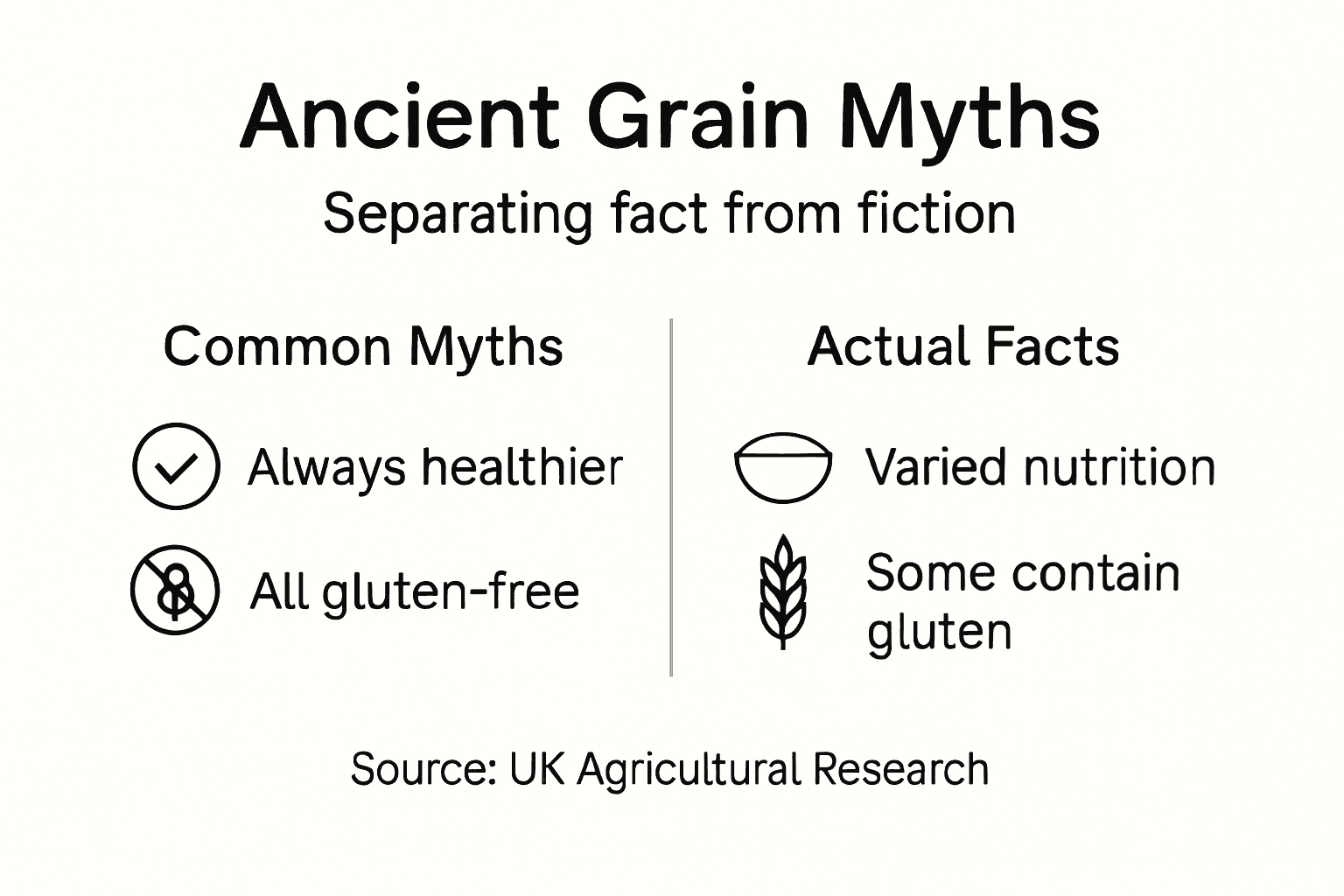
Contrary to popular belief, ancient grains are not automatically superior in nutrition. While they offer distinct nutritional profiles, scientific consensus suggests their benefits depend on specific variety, growing conditions, and individual dietary needs. Ancient grains research highlights that marketing claims about miraculous health properties require careful scientific scrutiny.
Common myths surrounding organic ancient grains often oversimplify their nutritional value. These misconceptions include assumptions that all ancient grains are automatically healthier, gluten-free, or more digestible than modern varieties. In reality, nutritional content varies significantly between different grain types and individual specimens.
Pro tip: When exploring ancient grains, prioritise understanding individual grain characteristics rather than accepting blanket nutritional claims.
Types of Ancient Grains and Their Distinctions
Historical grain research reveals a fascinating world of diverse ancient grains that extend far beyond conventional wheat varieties. These unique cereals represent a rich tapestry of nutritional diversity, encompassing true grains and pseudocereals with distinctive genetic profiles and culinary characteristics.
The primary categories of ancient grains include:
-
Wheat Varieties:
- Einkorn: The oldest known wheat species
- Emmer: An early domesticated wheat
- Spelt: A more complex, nutrient-dense wheat variant
- Khorasan wheat: Known commercially as Kamut
-
Pseudocereals:
- Quinoa: High-protein South American grain
- Amaranth: Nutrient-rich with complete protein profile
- Buckwheat: Despite its name, not a true wheat
-
Other Ancient Grains:
- Millet: Small-seeded grass grains
- Teff: Tiny grain originating in Ethiopia
- Barley: Traditional grain with robust nutritional profile
UK agricultural research highlights significant variations in these grains’ characteristics. Unlike modern wheat, ancient grains typically feature lower gluten content, more complex nutritional profiles, and greater genetic stability. These differences stem from minimal human intervention, preserving their original genetic structures.

Nutritional distinctions among ancient grains are profound. While some grains like quinoa offer complete protein profiles, others like spelt provide unique mineral compositions. The diversity means no single grain can be universally deemed superior - each offers distinct benefits depending on individual dietary requirements and health goals.
Here is a quick comparison of common ancient grains and their key attributes:
| Grain Type | Notable Nutrient | Usual Texture | Typical Culinary Use |
|---|---|---|---|
| Einkorn | Rich in lutein | Mild, nutty, chewy | Porridge, rustic bread |
| Emmer | High in fibre | Slightly firm | Salads, wholegrain pasta |
| Spelt | High in iron | Slightly sweet | Sourdough bread, biscuits |
| Khorasan | High in selenium | Buttery, springy | Pilafs, salad base |
| Millet | Rich in magnesium | Fluffy or creamy | Porridge, flatbreads |
| Teff | Iron and calcium | Fine, earthy | Injera, porridge, baking |
| Quinoa | Complete protein | Fluffy, delicate | Salads, grain bowls |
| Amaranth | High in lysine | Slightly sticky | Porridge, energy bars |
| Buckwheat | Rutin antioxidant | Soft, nutty | Pancakes, soba noodles |
| Barley | Beta-glucans | Chewy, hearty | Soups, stews, risotto |
Pro tip: Experiment with different ancient grains to discover unique flavour profiles and nutritional benefits tailored to your specific dietary needs.
UK Organic Standards and Certification Explained
Organic production standards in the United Kingdom represent a comprehensive framework designed to ensure the integrity and quality of organic agricultural products. These rigorous standards apply across all devolved UK nations, creating a unified approach to organic certification that protects both consumers and producers.
The key requirements for organic certification in the UK encompass several critical areas:
-
Production Principles:
- Minimal chemical intervention
- Sustainable farming practices
- Natural ecosystem preservation
- Strict animal welfare guidelines
-
Certification Process:
- Mandatory registration with approved organic control bodies
- Annual farm and production site inspections
- Detailed record-keeping and traceability
- Compliance with national organic standards
-
Labelling Requirements:
- Clear organic percentage declaration
- Approved certification logo usage
- Transparent ingredient sourcing
- Provenance information
UK government documentation emphasises that organic certification is not merely a label, but a comprehensive commitment to sustainable agricultural practices. Producers must demonstrate a holistic approach to farming that goes beyond simple production methods, incorporating environmental stewardship, animal welfare, and ecological balance.
The certification process involves rigorous scrutiny of farming practices, including soil management, crop rotation, seed selection, and processing methods. Organic grain producers must prove they have maintained organic standards throughout their entire production cycle, from seed selection to final processing, ensuring consumers receive genuinely organic products.
Below is a summary of differences between UK organic and conventional grain certification:
| Requirement Area | UK Organic Certification | Conventional Farming |
|---|---|---|
| Chemical Inputs | Prohibited, strict limits | Regular artificial inputs |
| Soil Management | Focus on long-term health | Short-term productivity |
| Annual Inspections | Mandatory, in-depth | Not required |
| Traceability | Full documentation at all stages | Varies, often limited |
| Label Transparency | Certification logo and provenance needed | Rarely specified |
Pro tip: Always request detailed certification documentation when purchasing organic grains to verify their authentic organic status and production standards.
Nutritional Benefits for Vegan and Wholefood Diets
Scientific research on ancient grains reveals extraordinary nutritional profiles that make them exceptional for vegan and wholefood dietary approaches. These grains offer a remarkable combination of high-quality proteins, complex dietary fibres, essential micronutrients, and powerful bioactive compounds that support comprehensive nutritional needs.
Key nutritional benefits for plant-based diets include:
-
Protein Quality:
- Complete amino acid profiles
- Higher protein digestibility
- Comparable protein content to animal sources
- Lower environmental impact
-
Micronutrient Density:
- Rich in magnesium
- Significant iron content
- High zinc availability
- Enhanced B-vitamin complex
-
Functional Health Compounds:
- Powerful antioxidants
- Natural anti-inflammatory agents
- Blood sugar regulation support
- Cardiovascular health promotion
Organic cereal research underscores that ancient grains provide substantially more than basic nutrition. These nutrient-dense foods offer substantial metabolic advantages, with potential protective effects against chronic diseases frequently associated with modern dietary patterns.
Unlike processed alternatives, ancient grains retain their natural complexity, providing sustained energy release and supporting gut health through their intricate fibre structures. Their minimal processing ensures maximum nutrient retention, making them an ideal foundation for individuals seeking wholefood nutrition that supports long-term wellness and metabolic balance.
Pro tip: Incorporate a diverse range of ancient grains into your diet to maximise nutritional variety and support comprehensive plant-based nutrition.
Organic Ancient Grains Versus Modern Grains
Agricultural research comparing wheat varieties reveals profound differences between ancient and modern grain cultivation approaches. Unlike contemporary high-yield agricultural systems, ancient grains represent a genetic lineage that has remained substantially unaltered, offering unique agricultural and nutritional characteristics that challenge conventional grain production paradigms.
Key distinctions between organic ancient and modern grains include:
-
Genetic Characteristics:
- Minimal selective breeding
- Higher genetic diversity
- More complex chromosomal structures
- Greater environmental adaptability
-
Agricultural Performance:
- Lower chemical dependency
- Enhanced resilience to marginal environments
- More sustainable farming practices
- Reduced environmental impact
-
Nutritional Composition:
- More stable protein profiles
- Higher micronutrient retention
- Lower gluten complexity
- Greater enzymatic diversity
Scientific analysis of grain composition challenges simplistic narratives about nutritional superiority. While ancient grains offer distinct advantages, they are not universally superior to modern varieties. The nutritional value depends on specific cultivation methods, processing techniques, and individual grain varieties.
Modern wheat breeding has dramatically transformed grain characteristics, focusing on yield, disease resistance, and industrial processing requirements. Ancient grains, conversely, retain closer connections to their original genetic structures, offering more nuanced nutritional profiles that reflect traditional agricultural practices and ecological interactions.
Pro tip: Diversify your grain consumption by exploring multiple ancient and modern varieties to maximise nutritional benefits and understand their unique characteristics.
Choosing, Using, and Storing Ancient Grains
UK grain research reveals that selecting and handling ancient grains requires specialised knowledge beyond typical grocery shopping. These unique grains demand careful consideration in procurement, preparation, and storage to maximise their nutritional potential and culinary versatility.
When choosing ancient grains, consider these critical factors:
-
Selection Criteria:
- Organic certification status
- Harvest date and origin
- Whole grain versus processed options
- Specific dietary requirements
-
Preparation Techniques:
- Soaking methods
- Grinding approaches
- Cooking time adjustments
- Flour conversion ratios
-
Storage Recommendations:
- Cool, dark storage environments
- Airtight containers
- Moisture control
- Rotation of stock
Proper storage is crucial for maintaining the integrity of ancient grains. Unlike modern processed grains, these nutritionally dense varieties are more susceptible to environmental degradation and require meticulous handling to preserve their complex nutritional profiles.
Heritage grain cultivation experts emphasise the importance of understanding each grain’s unique characteristics. Different ancient grains like quinoa, amaranth, and spelt have distinct cooking requirements, absorption rates, and flavour profiles that demand tailored preparation techniques.
Pro tip: Invest in small quantities initially and experiment with different preparation methods to discover each ancient grain’s optimal cooking approach.
Discover the Power of Organic Ancient Grains with Granavitalis
If you are searching for authentic nutrition rooted in tradition and adapted for modern wellness, exploring the unique qualities of organic ancient grains is essential. This article revealed how grains like Einkorn, Emmer, and Spelt have superior nutrient density, natural resilience, and compatibility with wholefood and vegan diets. Yet selecting truly organic and nutrient-rich grains can be challenging without trustworthy sources and proper knowledge.
At Granavitalis we offer a thoughtfully curated selection of ancient grains that honour their heritage and deliver real nutrition. Our Grains – Granavitalis collection features authentic varieties minimally processed to preserve their natural goodness. Perfect for anyone committed to pure wholefood strength and mindful eating, our products meet stringent organic standards to fuel your body and mind with clarity and purpose.
Experience the difference that genuine organic ancient grains make in your everyday meals. Visit Granavitalis now to explore our range, including gluten-free options in Gluten Free Flours – Granavitalis and versatile baking essentials in All Flours – Granavitalis. Start your journey to real food vitality today by choosing grains that are as authentic as your wellness goals.
Frequently Asked Questions
What are organic ancient grains?
Organic ancient grains are minimally modified grain varieties that have remained largely unchanged from their original genetic structure, originating from early agricultural civilisations. They include cereals like Einkorn, Emmer, Spelt, Khorasan wheat, Millet, and Teff.
What are the nutritional benefits of ancient grains compared to modern grains?
Ancient grains often have lower gluten content, higher protein digestibility, and an increased density of essential nutrients. They also maintain a more complex nutritional profile due to minimal human intervention in their breeding, which provides unique health benefits that can support various dietary needs.
How should I store ancient grains to maintain their freshness?
Ancient grains should be stored in a cool, dark environment in airtight containers to prevent moisture degradation. It is important to rotate your stock regularly to ensure the freshest grains are used first.
Are all ancient grains gluten-free?
No, not all ancient grains are gluten-free. While some grains like Quinoa and Amaranth are gluten-free, others such as Einkorn, Emmer, and Spelt contain gluten and may not be suitable for individuals with gluten intolerance or coeliac disease.