
Plant-Based Protein Explained: Benefits and Vitality
Many British adults are rethinking where their protein comes from as interest in plant-based nutrition grows. If you want to improve wellness, support muscle recovery, and prioritise health through wholefoods, plant-based proteins offer a powerful path forward. With options such as beans, lentils, nuts, and soya, you can enjoy naturally diverse, nutrient-rich protein sources that deliver all-round benefits while fitting seamlessly into a traditional British diet.
Table of Contents
- What Is Plant-Based Protein? Key Principles
- Major UK Sources and Their Nutritional Value
- Amino Acid Profiles and Protein Quality
- Fitness, Recovery, and Daily Life Applications
- Plant Versus Animal Protein: Key Differences
- Sustainability, Safety, and Practical Tips
Key Takeaways
| Point | Details |
|---|---|
| Nutritional Benefits of Plant-Based Proteins | Plant-based proteins offer essential amino acids and are lower in saturated fat, contributing to better digestive health and reduced chronic disease risk. |
| Strategic Combining for Complete Proteins | Combining different plant protein sources can create complete amino acid profiles, ensuring adequate protein intake. |
| Environmental Sustainability | Adopting plant-based proteins significantly lowers greenhouse gas emissions and resource consumption, promoting ecological health. |
| Fitness and Recovery Support | Plant-based proteins effectively support muscle synthesis and recovery, making them suitable for active individuals. |
What Is Plant-Based Protein? Key Principles
Plant-based protein represents an alternative nutritional approach to meeting human protein requirements through non-animal food sources. Unlike traditional animal-derived proteins, these nutrient-rich options originate from diverse botanical sources including legumes, grains, nuts, and seeds.
At its core, plant-based protein is about extracting protein from whole food sources that naturally contain amino acid profiles essential for human health. Diverse protein sources from whole plant foods offer remarkable nutritional benefits beyond basic protein intake.
Key characteristics of plant-based proteins include:
- Varied protein sources including beans, lentils, quinoa, and tempeh
- Lower saturated fat content compared to animal proteins
- Higher fibre content supporting digestive health
- Potentially lower environmental impact
- Rich in additional micronutrients like vitamins and minerals
Scientific research indicates that well-planned plant protein diets can effectively support muscle synthesis and overall physical performance. This challenges traditional assumptions about protein quality and highlights the nutritional potential of plant-based nutrition.
Most plant proteins are considered ‘incomplete’ proteins, meaning they do not contain all nine essential amino acids in optimal proportions. However, strategic combination of different plant protein sources can create complete amino acid profiles. For instance, combining rice and beans produces a protein source with a comprehensive amino acid spectrum.
Pro tip: Diversify your protein sources by rotating between different plant proteins like quinoa, tempeh, lentils, and chickpeas to ensure comprehensive nutritional intake.
Major UK Sources and Their Nutritional Value
Plant-based protein sources in the United Kingdom are diverse and nutrient-rich, offering an excellent alternative to traditional animal proteins. National diet and nutrition surveys demonstrate a growing trend towards incorporating more plant-based proteins into British diets.
Primary plant-based protein sources commonly found in UK diets include:
- Legumes: Beans, lentils, and chickpeas
- Soya products: Tofu, tempeh, and edamame
- Nuts and seeds: Almonds, chia seeds, hemp seeds
- Grains: Quinoa, brown rice, oats
- Meat alternatives: Mycoprotein (Quorn), seitan
Recommended protein sources offer more than just protein. Each category provides unique nutritional benefits, with legumes delivering high fibre content, nuts supplying essential fatty acids, and grains contributing complex carbohydrates and additional micronutrients.
Nutritional profiles vary significantly across different plant protein sources. For instance, quinoa stands out as a complete protein containing all nine essential amino acids, while combining rice and beans can create a comprehensive protein profile. Soya products like tofu provide robust protein content with minimal saturated fat, making them an attractive option for health-conscious individuals.
The nutritional density of plant proteins extends beyond basic protein content. Many sources are rich in vitamins, minerals, and antioxidants, offering holistic nutritional support that goes well beyond protein synthesis. This makes plant-based proteins not just a dietary alternative, but a potentially superior nutritional strategy.

To highlight the nutritional variety, here is a summary table of major UK plant-based protein sources and their distinct benefits:
| Protein Source | Primary Benefit | Unique Nutritional Feature |
|---|---|---|
| Legumes (beans, lentils) | High dietary fibre | Rich in iron and folate |
| Soya products (tofu, tempeh) | Low saturated fat | Complete amino acid profile |
| Nuts and seeds | Healthy fats | Source of vitamin E and zinc |
| Grains (quinoa, oats) | Complex carbohydrates | Some are complete proteins |
| Meat alternatives (Quorn, seitan) | High protein content | Often fortified with B vitamins |
Pro tip: Rotate between different plant protein sources weekly to ensure a comprehensive amino acid intake and maximise nutritional diversity.
Amino Acid Profiles and Protein Quality
Amino acids are the fundamental building blocks of protein, with nine considered essential because the human body cannot synthesise them independently. Plant-based protein amino acid composition varies significantly, presenting unique challenges and opportunities for nutritional planning.
Key characteristics of plant protein amino acid profiles include:
- Some sources provide complete protein (all nine essential amino acids)
- Certain plant proteins require strategic combination
- Bioavailability differs from animal protein sources
- Protein quality depends on individual amino acid ratios
- Complementary protein strategies can optimise nutritional intake
Government nutritional assessments highlight that not all plant proteins are nutritionally equivalent. Soya and quinoa stand out as complete proteins, containing all essential amino acids in proportions comparable to animal proteins.
Strategic protein combining becomes crucial for individuals relying primarily on plant-based sources. Combining proteins like rice and beans creates a complementary amino acid profile, ensuring the body receives all essential amino acids. This approach transforms potentially incomplete proteins into nutritionally robust options.
Nutritional science continues to challenge traditional assumptions about protein quality. Modern research demonstrates that well-planned plant-based diets can provide equivalent or even superior protein nutrition compared to animal-based alternatives, with additional benefits of lower saturated fat and higher micronutrient content.
Pro tip: Combine different plant protein sources in meals, such as rice with beans or hummus with whole grain bread, to create complete protein profiles.
Fitness, Recovery, and Daily Life Applications
Plant-based proteins play a crucial role in supporting physical performance, muscle recovery, and overall daily wellness. Research demonstrates remarkable effectiveness in muscle maintenance and strength development across various fitness contexts.
Key applications for plant-based protein in fitness and daily life include:
- Supporting muscle protein synthesis
- Enhancing post-workout recovery
- Providing sustained energy throughout the day
- Reducing inflammation
- Supporting immune system function
- Promoting lean muscle development
Protein intake recommendations suggest consuming approximately 0.75g of protein per kilogram of body weight daily, with active individuals requiring higher quantities. Plant proteins from sources like lentils, nuts, seeds, and soya can effectively meet these nutritional demands.
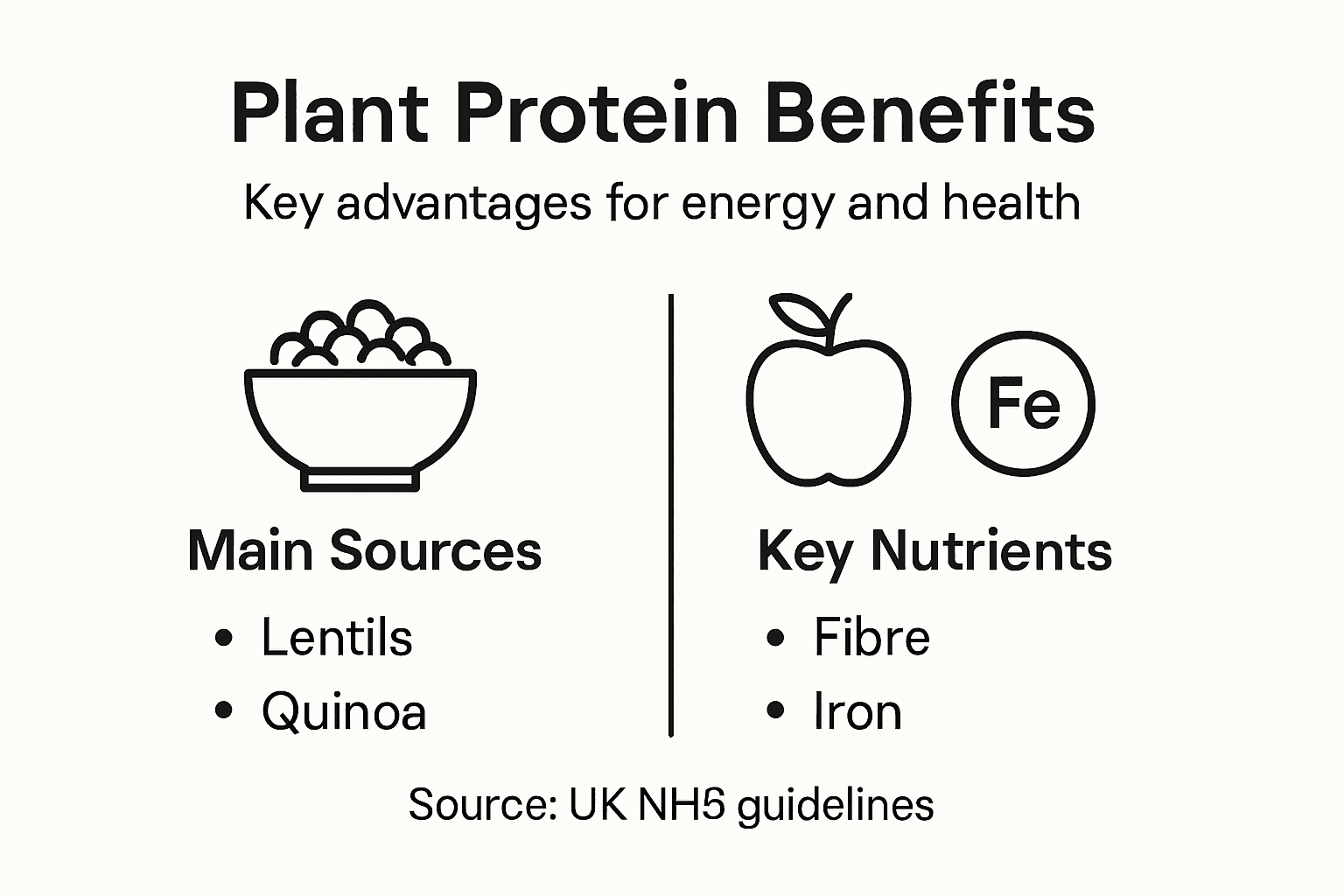
Strategic protein consumption becomes critical for optimal performance. Consuming protein within 60 minutes post-exercise maximises muscle repair and growth, with plant-based sources offering comparable benefits to animal proteins. The diverse amino acid profiles of plant proteins, when consumed thoughtfully, can support muscle recovery and maintenance equally effectively as traditional protein sources.
Modern nutritional science challenges conventional assumptions about protein quality. Plant-based diets can provide comprehensive nutritional support, offering additional benefits like lower saturated fat content, higher micronutrient density, and reduced environmental impact compared to animal-protein alternatives.
Pro tip: Time your plant protein intake within 60 minutes after exercise and combine multiple protein sources to ensure complete amino acid coverage.
Plant Versus Animal Protein: Key Differences
Protein sources represent a critical nutritional consideration for health-conscious individuals, with distinct characteristics differentiating plant and animal protein profiles. Nutritional research reveals nuanced insights into the comparative benefits of these protein categories.
Key comparative characteristics include:
- Amino acid completeness
- Micronutrient density
- Fat and calorie content
- Digestibility
- Environmental sustainability
- Phytochemical presence
- Potential health implications
Plant-based protein sources like soy, quinoa, and mycoprotein offer comprehensive nutritional profiles comparable to animal proteins. While traditional understanding suggested plant proteins were incomplete, modern nutritional science demonstrates that strategic combination and diverse sourcing can provide equivalent protein quality.
Animal proteins typically provide more immediately bioavailable amino acids and contain higher concentrations of certain micronutrients like vitamin B12, iron, and zinc. Conversely, plant proteins offer additional benefits including higher fibre content, lower saturated fat, and beneficial phytochemicals that support overall metabolic health and potentially reduce chronic disease risks.
Nutritional complexity means no single protein source is universally superior. Individual dietary needs, health goals, and personal values play significant roles in determining optimal protein choices. The emerging nutritional consensus suggests that well-planned plant-based diets can provide equivalent or potentially superior nutritional outcomes compared to traditional animal protein-centred approaches.
For clarity, the following table compares plant-based and animal proteins across key nutritional factors:
| Nutritional Factor | Plant-Based Protein | Animal-Based Protein |
|---|---|---|
| Amino acid profile | Often incomplete, combine sources | Naturally complete in most cases |
| Fibre content | High, supports digestion | Low, minimal impact on fibre intake |
| Saturated fat | Lower, heart-friendly | Higher, may increase cholesterol |
| Environmental impact | Reduced emissions, sustainable | Larger carbon footprint, resource heavy |
Pro tip: Diversify your protein sources and combine different plant proteins to ensure comprehensive amino acid intake and maximise nutritional benefits.
Sustainability, Safety, and Practical Tips
Plant-based protein consumption represents more than a dietary choice—it’s an environmental and health strategy with far-reaching implications. Environmental research demonstrates significant benefits of shifting towards plant protein sources.
Key sustainability considerations include:
- Reduced greenhouse gas emissions
- Significantly lower water consumption
- Decreased land use requirements
- Lower agricultural carbon footprint
- Minimal processing of whole food protein sources
- Support for regenerative agricultural practices
- Preservation of biodiversity
Whole plant food choices provide the most substantial health and environmental advantages. Minimally processed options like legumes, grains, and nuts offer superior nutritional profiles compared to ultra-processed meat alternatives, supporting both personal and planetary wellness.
Safety considerations remain paramount when transitioning to plant-based proteins. Consumers should prioritise diverse protein sources, ensure comprehensive nutrient intake, and remain attentive to potential nutritional gaps. Strategic planning involves understanding individual nutritional requirements, potential supplement needs, and maintaining a balanced, varied diet.
The intersection of personal health and environmental sustainability makes plant-based protein an increasingly compelling nutritional approach. By making informed choices, individuals can simultaneously support their own well-being and contribute to broader ecological conservation efforts.
Pro tip: Select minimally processed, whole plant protein sources and rotate between different options to ensure comprehensive nutritional coverage and maximise environmental benefits.
Elevate Your Plant-Based Protein Journey with Granavitalis
Navigating the complex world of plant-based proteins can feel overwhelming with all the talk about amino acid profiles, nutritional completeness and sustainable choices. If your goal is to embrace a diet that supports full vitality, muscle recovery and clean energy, then finding pure, thoughtfully crafted protein sources is key. Granavitalis specialises in providing premium, wholefood vegan options that align perfectly with your desire for nutrient-dense, natural ingredients rooted in ancient tradition.
Discover how our Vegan Protein Powders – Granavitalis offer a superior plant-protein solution designed for optimal performance and daily wellness.
Take control of your nutrition and honour your body with proteins that combine purity, purpose and potency. Visit Granavitalis now to explore our range and experience fuel for today inspired by the wisdom of the past. For an all-round approach to strength, recovery and metabolic support, check out our Metabolic Advantage Pack – Granavitalis to boost your complete wellbeing naturally.
Frequently Asked Questions
What are the benefits of plant-based protein?
Plant-based protein offers several benefits, including lower saturated fat content, higher fibre intake, and a rich supply of essential micronutrients. Additionally, plant proteins can contribute to reduced environmental impact compared to animal proteins.
How can I combine different plant proteins to ensure a complete amino acid profile?
To achieve a complete amino acid profile, combine various plant proteins strategicaly. For instance, pairing rice and beans or hummus with whole grain bread creates complementary amino acid profiles, ensuring you receive all essential amino acids.
Can a plant-based diet provide enough protein for athletes?
Yes, a well-planned plant-based diet can effectively support protein needs for athletes. Sources such as lentils, nuts, seeds, and soy contain sufficient protein to aid muscle maintenance and recovery when consumed in adequate amounts.
What are the major sources of plant-based protein and their nutritional values?
Major sources of plant-based protein include legumes (beans, lentils, chickpeas), soya products (tofu, tempeh), nuts and seeds, grains (quinoa, brown rice), and meat alternatives (mycoprotein, seitan). Each offers unique nutritional benefits, such as high fibre, healthy fats, and essential vitamins and minerals.
Recommended
- Top 10 Vegan Sources of Protein for Your Diet – Granavitalis
- Role of Protein in Vegan Diets: Vitality and Daily Wellness – Granavitalis
- Vegan Protein Explained: Nutrition, Sources, Benefits – Granavitalis
- 7 Vegan Meals High in Protein for a Healthy Diet – Granavitalis
- Black Seed Oil: Perks For Men Overhyped? - Womanedit.com