
Foods High in Protein and Fibre: Everyday Wellness
Many people find themselves searching for foods that not only satisfy hunger after a workout but also deliver lasting benefits for both body and mind. Focusing on protein and fibre can make a dramatic difference in recovery, energy, and overall wellness. Ancient grains like quinoa, spelt, and millet provide a unique combination of these nutrients, recognised in United Kingdom Government diet advice for supporting heart health, muscle repair, and digestive balance.
Table of Contents
- Protein And Fibre: The Nutritional Foundation
- Types Of Foods Rich In Protein And Fibre
- Ancient Grains And Their Modern Benefits
- Nuts, Seeds, And Plant-Based Protein
- Practical Ways To Boost Your Intake
- Common Pitfalls And Smart Choices
Key Takeaways
| Point | Details |
|---|---|
| Importance of Protein and Fibre | Protein and fibre are essential macronutrients that support health and prevent chronic diseases. Incorporating diverse sources is vital for optimal nutrition. |
| Diverse Food Sources | A variety of protein and fibre sources should be included in meals to maximise their health benefits, promoting muscle repair and digestive health. |
| Ancient Grains Benefits | Ancient grains like quinoa and spelt provide comprehensive nutrition superior to processed grains, supporting long-term health and wellness. |
| Smart Dietary Choices | Focus on whole food sources rather than supplements to meet daily fibre and protein needs, aiming for a balanced and diverse diet. |
Protein And Fibre: The Nutritional Foundation
Protein and fibre form the fundamental building blocks of nutrition, essential for maintaining optimal health and supporting bodily functions. Dietary recommendations underscore their critical role in preventing chronic diseases and promoting overall wellness.
Protein acts as a crucial macronutrient responsible for tissue growth, muscle repair, and maintenance of critical bodily structures. Every cell in the human body requires protein for structural integrity and functional performance. Plant and animal sources both provide essential amino acids that enable protein synthesis, supporting everything from immune function to hormone production.
Dietary fibre, a specialised carbohydrate found exclusively in plant-based foods, plays an equally significant role in maintaining digestive health and metabolic balance. Nutrition research demonstrates that high-fibre diets can reduce risks of cardiovascular disease, regulate blood sugar levels, and support healthy weight management. The combination of protein and fibre creates a powerful nutritional foundation that helps individuals maintain energy, support muscle recovery, and promote long-term wellness.
Pro Tip: Aim to include a diverse range of protein and fibre sources in your diet, such as legumes, whole grains, lean meats, and fresh vegetables, to maximise nutritional benefits and support overall health.
Types Of Foods Rich In Protein And Fibre
Protein-rich foods come from diverse sources spanning both animal and plant kingdoms. Animal-based proteins include chicken breast, lean beef, fish, eggs, and dairy products, which provide complete protein profiles with all essential amino acids. Plant-based alternatives offer equally impressive nutritional credentials, featuring legumes like lentils and chickpeas, tofu, nuts, and whole grains.
For dietary fibre, plant-based foods reign supreme. Fibre sources predominantly include fruits, vegetables, pulses, nuts, seeds, and wholegrains. Each category brings unique nutritional benefits: fruits offer soluble fibre that supports heart health, vegetables provide diverse micronutrients, while wholegrains deliver sustained energy and complex carbohydrates. Legumes stand out as exceptional dual-purpose foods, delivering both high protein content and substantial dietary fibre.
Balancing protein and fibre intake requires strategic food selection. Ideal combinations might include quinoa with roasted vegetables, lentil salads with mixed seeds, or Greek yoghurt topped with nuts and berries. These meal combinations ensure comprehensive nutrition, supporting muscle maintenance, digestive health, and sustained energy release throughout the day.
Pro Tip: Aim to include at least three different protein and fibre sources in each main meal to maximise nutritional diversity and support overall metabolic function.
Below is a quick reference highlighting the health impacts of common protein and fibre sources:
| Food Group | Protein Benefit | Fibre Benefit |
|---|---|---|
| Legumes | Protein for muscle repair | High soluble fibre supports heart health |
| Wholegrains | Sustained energy and protein | Insoluble fibre aids digestion |
| Nuts & Seeds | Complete amino acids, healthy fats | Fibre controls blood sugar |
| Dairy/Eggs | Complete protein, bone support | Contains little to no fibre |
| Vegetables | Some plant protein | Diverse fibre, fuels gut health |
Ancient Grains And Their Modern Benefits
Ancient grains represent nutritional powerhouses that have sustained human populations for thousands of years. These remarkable wholegrains, including quinoa, spelt, amaranth, millet, and teff, have remained genetically unchanged, preserving their original nutritional integrity and offering remarkable health benefits that modern processed grains cannot match.

The nutritional profile of ancient grains is truly extraordinary. Unlike refined grains, these wholegrains contain all parts of the grain kernel - the fibre-rich bran, nutrient-dense germ, and starchy endosperm. Grain health benefits include providing complete proteins, essential minerals, and significant quantities of dietary fibre. Research demonstrates their potential to reduce inflammation, support cardiovascular health, regulate blood sugar levels, and potentially lower risks of chronic diseases such as type 2 diabetes and certain cancers.
Modern dietary approaches are increasingly recognising the value of these nutrient-dense grains. Amaranth offers complete protein with all essential amino acids, quinoa provides exceptional mineral content, while sorghum and millet deliver impressive antioxidant profiles. These grains can be seamlessly integrated into contemporary diets through creative cooking methods - from breakfast porridges and salad additions to innovative baking and grain bowl preparations.
Pro Tip: Experiment with rotating different ancient grains in your weekly meal plan to maximise nutritional diversity and prevent dietary monotony.
Here is a summary of key ancient grains and their unique nutritional contributions:
| Ancient Grain | Protein Quality | Fibre Content | Unique Nutritional Highlight |
|---|---|---|---|
| Quinoa | Complete protein | High | Rich in magnesium and iron |
| Amaranth | All essential amino acids | Moderate | Naturally gluten-free |
| Millet | Good plant protein | High | Rich in antioxidants |
| Spelt | High-quality protein | Moderate | Contains B vitamins |
| Teff | Quality protein | Very high | Excellent source of calcium |
Nuts, Seeds, And Plant-Based Protein
Nuts and seeds represent nutritional powerhouses that deliver exceptional protein, healthy fats, and essential micronutrients. A single 30-gram handful can provide approximately 7 grams of protein, alongside heart-protective unsaturated fats, vitamins, and minerals that support overall metabolic function.
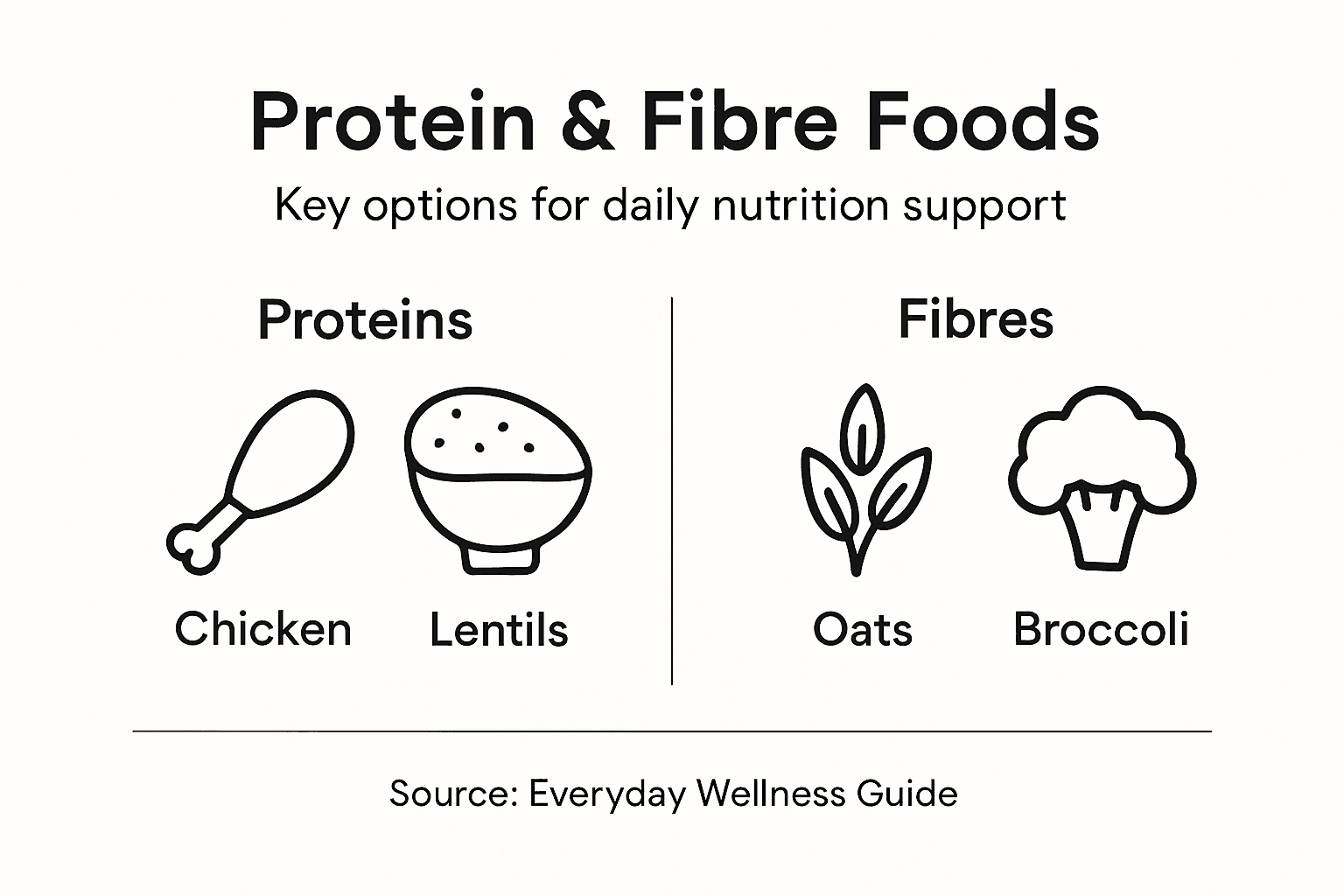
Plant-based protein sources encompass a diverse range of foods including legumes, pulses, nuts, seeds, and soy products. Almonds, peanuts, sunflower seeds, chickpeas, lentils, and tofu offer complete protein profiles with additional benefits like dietary fibre, antioxidants, and sustained energy release. These foods not only support individual health but also contribute to environmental sustainability by reducing reliance on animal protein sources.
Strategic incorporation of plant-based proteins involves understanding their unique nutritional characteristics. Peanuts and almonds provide healthy monounsaturated fats, chia and flax seeds deliver omega-3 fatty acids, while hemp seeds offer a remarkable complete protein profile. Combining different plant proteins throughout the day ensures a comprehensive amino acid intake, supporting muscle maintenance, metabolic health, and overall nutritional balance.
Pro Tip: Create protein-rich plant-based snack mixes by combining different nuts, seeds, and legumes to maximise nutritional diversity and maintain steady energy levels.
Practical Ways To Boost Your Intake
Fibre and protein intake strategies can transform everyday meals from mundane to nutritionally powerful. Simple dietary swaps like choosing wholegrain bread instead of white, incorporating brown rice over refined varieties, and adding legumes to soups and stews can significantly enhance nutritional value without compromising taste or convenience.
Breakfast presents an ideal opportunity for nutritional enhancement. Starting the day with wholegrain cereals, porridge topped with nuts and seeds, or eggs with vegetables ensures a protein and fibre-rich foundation. Lunch and dinner can be optimised by introducing legumes like lentils and chickpeas, selecting wholewheat pasta, and increasing vegetable portions to create balanced, nutrient-dense meals that support sustained energy and metabolic health.
Snacking represents another critical strategy for boosting nutritional intake. Instead of processed alternatives, opt for nuts, seeds, fresh fruits, and dried fruit combinations that provide concentrated nutrients. Meal preparation techniques like batch cooking pulses, pre-chopping vegetables, and creating versatile grain and legume salads can make healthy eating more accessible and enjoyable, turning nutritional goals into sustainable lifestyle choices.
Pro Tip: Prepare weekly meal prep containers with a mix of wholegrain, legumes, and varied protein sources to ensure consistent nutritional intake and reduce last-minute dietary compromises.
Common Pitfalls And Smart Choices
Dietary intake strategies reveal multiple potential pitfalls in nutrition planning. Common mistakes include relying on processed foods marketed as high-protein or high-fibre, following extreme low-carbohydrate diets, and misunderstanding nutritional balance. These approaches often compromise long-term health by providing incomplete or imbalanced nutrient profiles.
Nutritional wisdom demands a holistic approach to protein and fibre consumption. Avoid falling into supplement traps or ‘fibre-maxxing’ by prioritising whole food sources. Smart nutritional choices focus on consuming diverse, minimally processed foods that naturally contain both protein and fibre. This means selecting wholegrains, legumes, fruits, vegetables, nuts, and seeds over isolated nutrients or processed alternatives.
Quantitative awareness is crucial in preventing nutritional missteps. The recommended daily fibre intake ranges between 25-40 grams, with 7-13 grams of soluble fibre. Individuals should aim to achieve this through varied, natural food sources rather than relying on supplements or processed products. Understanding portion sizes, nutrient density, and the importance of dietary variety can transform nutritional challenges into sustainable, health-supporting eating habits.
Pro Tip: Create a weekly meal plan that incorporates at least five different whole food protein and fibre sources to ensure nutritional diversity and prevent dietary monotony.
Strengthen Your Wellness with Protein and Fibre Power
The challenge of balancing high-quality protein and fibre to support everyday wellness is real. With the article highlighting the importance of diverse sources like legumes, wholegrains and ancient grains for muscle repair and digestive health, it is clear that nourishing your body requires more than just routine meals. You want nutrient-dense foods rooted in tradition that fuel your energy, recovery and long-term vitality without compromise. At Granavitalis, we understand these goals and the pain points they bring including avoiding processed shortcuts and achieving true nutritional clarity.
Discover our specially crafted Vegan Protein Powders that deliver clean plant-based proteins perfect for muscle maintenance and sustained energy. Each product embraces the powerful combination of protein and fibre from ancient grains, premium nuts and seeds, providing a foundation for smart, mindful eating.
Elevate your nutrition now with Granavitalis. Explore our wholefood vitality range at Granavitalis and fuel your body the way nature intended. Your journey to real-food strength and balanced wellness starts here.
Frequently Asked Questions
What are some good sources of protein and fibre?
Protein and fibre can be found in a variety of foods. Excellent sources of protein include chicken breast, lean beef, fish, eggs, dairy products, legumes (like lentils and chickpeas), tofu, nuts, and whole grains. For fibre, focus on fruits, vegetables, pulses, nuts, seeds, and whole grains.
How can I combine protein and fibre in my meals?
You can create balanced meals that include both protein and fibre by combining foods such as quinoa with roasted vegetables, lentil salads mixed with seeds, or Greek yoghurt topped with nuts and berries. Each of these combinations ensures you receive comprehensive nutrition.
What are ancient grains and why are they beneficial?
Ancient grains, such as quinoa, spelt, amaranth, millet, and teff, are whole grains that have remained genetically unchanged and are rich in nutrients. They provide complete proteins, essential minerals, and high dietary fibre, which can help reduce inflammation and support heart health.
How can I boost my protein and fibre intake easily?
You can increase your protein and fibre intake by making simple dietary swaps, such as choosing wholegrain bread over white, adding legumes to soups, or incorporating more fruits and vegetables into your meals. Breakfast options like wholegrain cereals or porridge with nuts can provide a nutritious start to your day.