
Creatine Health Benefits: Complete Guide for 2025
More than 40 percent of british adults who exercise regularly have either tried or considered using creatine supplements for better performance. This widely discussed compound is not only a favourite in gyms across the country but also a topic of interest for anyone aiming to boost both physical strength and cognitive function. Understanding how creatine works, where it comes from, and its effects on the body can help you make informed choices about your health and fitness goals.
Table of Contents
- What Is Creatine And How It Works
- Creatine Types And Dietary Sources Compared
- Scientifically Proven Benefits For Body And Mind
- Risks, Safety And Legal Status In The UK
- Creatine For Vegans And Plant-Based Diets
Key Takeaways
| Point | Details |
|---|---|
| Creatine Functionality | Creatine significantly boosts rapid energy regeneration in muscle cells, particularly valuable during high-intensity exercises. |
| Benefits Beyond Muscle | Supplementing with creatine not only enhances physical performance but also supports cognitive functions and brain health. |
| Dietary Sources and Needs | Vegetarians and vegans may require creatine supplements due to limited natural intake from plant-based diets. |
| Safety Profile | Creatine is generally safe for healthy adults; however, individuals with pre-existing conditions should consult a healthcare professional before use. |
What Is Creatine And How It Works
Creatine is a naturally occurring organic compound crucial for cellular energy production and muscle performance. According to aru.ac.uk, it is produced by the body and found in protein-rich foods like red meat and seafood, playing a vital role in cell regulation and energy metabolism.
At its core, creatine functions as a rapid energy regeneration mechanism within muscle cells. Healthline explains that creatine helps produce adenosine triphosphate (ATP), the primary energy carrier in cellular systems. When you engage in high-intensity physical activities, creatine stored in muscle tissues becomes instrumental in providing quick, powerful energy bursts.
Key features of creatine include:
- Supports rapid ATP regeneration
- Enhances muscle energy storage
- Improves strength and exercise performance
- Naturally produced in the human body
By supplementing with creatine, individuals can potentially increase their muscle creatine stores, leading to improved muscular strength, power output, and overall exercise capacity. The compound works by helping muscles quickly access and utilise energy during intense physical activities, making it particularly beneficial for athletes, fitness enthusiasts, and those engaged in strength training programmes.
Creatine Types And Dietary Sources Compared
Creatine supplements exist in multiple forms, each with unique characteristics and absorption profiles. According to aesan.gob.es, the primary types include creatine monohydrate, hydrochloride, pyruvate, dicitrate, and citrate, with monohydrate being the most prevalent and containing the highest creatine content at 87.9%.
Dietary sources play a significant role in creatine intake. Healthline highlights that natural food sources provide approximately 1-2 grams of creatine per pound of meat. Specific protein sources vary in their creatine concentration:
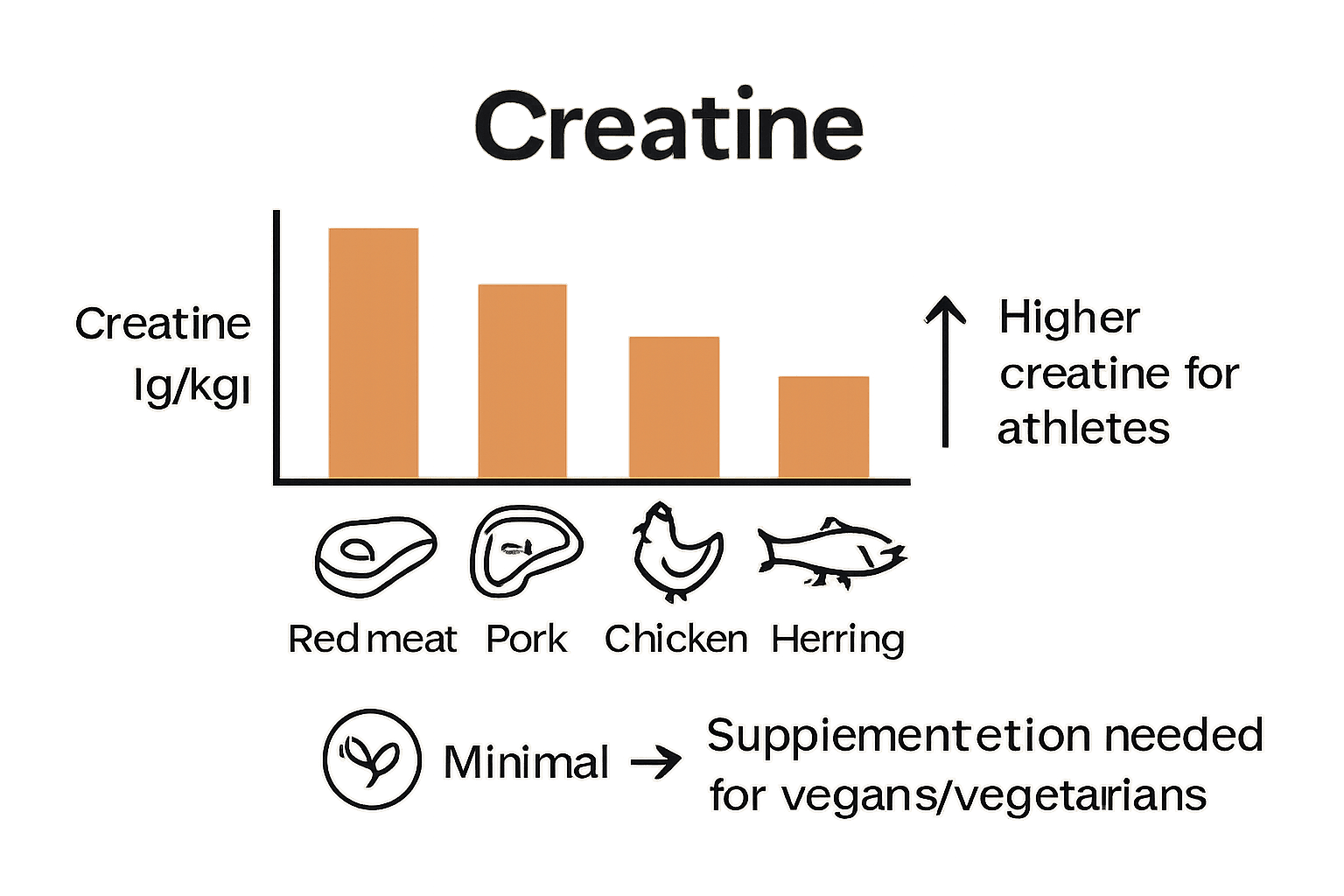
- Red meat: 4.5 g/kg
- Pork: 5 g/kg
- Chicken: 3.4 g/kg
- Herring: 6.5-10 g/kg
Interestingly, plant-based diets contain minimal to no creatine, which means vegetarians and vegans might have lower natural creatine stores. This nutritional gap can be addressed through targeted supplementation, ensuring individuals maintain optimal muscle energy production and performance regardless of dietary preferences.
Scientifically Proven Benefits For Body And Mind
Creatine supplementation offers remarkable benefits that extend far beyond muscle performance, impacting both physical and cognitive functions. Healthline reveals compelling evidence demonstrating its potential to enhance strength, power, and high-intensity exercise performance while simultaneously supporting brain function and neurological health.
At the physiological level, creatine plays a crucial role in energy metabolism and muscle recovery. According to aru.ac.uk, the supplement can boost workout performance by increasing ATP availability, leading to improved strength and endurance. This mechanism helps athletes and fitness enthusiasts push through mental and physical barriers during intense training sessions.
Key scientifically proven benefits include:
- Enhanced muscle strength and power output
- Improved high-intensity exercise performance
- Potential neurological protection
- Reduced mental fatigue during repetitive tasks
- Support for short-term memory and cognitive function
Moreover, emerging research suggests creatine’s potential in supporting cognitive health. Some studies indicate it might aid in treating neurological conditions, improve short-term memory, and potentially enhance overall brain function. These neurological benefits make creatine an intriguing supplement not just for athletes, but for individuals seeking comprehensive mental and physical wellness.
Risks, Safety And Legal Status In The UK
Creatine supplementation is widely recognised as a safe nutritional intervention with extensive scientific research backing its usage. The Guardian confirms that in healthy adults, creatine is considered safe for long-term use and remains one of the most comprehensively studied dietary supplements available in the marketplace.
According to aru.ac.uk, the supplement is generally well-tolerated, with research supporting safe consumption up to 30 grams per day for extended periods. However, potential minor side effects may include:
- Mild stomach discomfort
- Occasional bloating
- Potential muscle cramps
- Temporary water retention
Important safety considerations include consulting a general practitioner before beginning supplementation, particularly for individuals with pre-existing kidney conditions or underlying health concerns. The UK regulatory framework ensures dietary supplements undergo rigorous quality control, providing consumers with reassurance about product safety and standardisation. While creatine is legal and widely available, responsible usage and professional medical guidance remain crucial for optimal health outcomes.
Creatine For Vegans And Plant-Based Diets
Plant-based diets present unique nutritional challenges when it comes to creatine intake. Healthline highlights that vegetarians and vegans typically have significantly lower creatine stores due to the absence of meat and seafood in their dietary patterns, making supplementation particularly important for maintaining optimal physiological function.
According to aru.ac.uk, plant-based foods contain minimal creatine, which means individuals following vegan nutrition strategies must strategically approach their supplementation. This nutritional gap can be effectively addressed through targeted creatine supplementation, helping to support muscle function and overall metabolic health.
Key considerations for vegans considering creatine supplementation include:
- Supplementation can help compensate for dietary limitations
- Supports muscle function and energy metabolism
- Potentially improves exercise performance
- Aids cognitive function
- Provides a critical nutrient absent in plant-based diets
For those exploring plant-based nutrition strategies, understanding creatine’s role becomes crucial. While whole food sources remain limited, supplementation offers a scientifically-backed approach to maintaining optimal creatine levels. Choosing a vegan-friendly supplement ensures that individuals can support their physical and cognitive performance without compromising their dietary principles.
 When selecting a supplement, look for pure, synthetic creatine monohydrate, which is typically produced through laboratory processes and contains no animal-derived ingredients. Check out our guide on vegan protein sources for additional nutritional insights.
Unlock Your Full Potential With Real Nutrition
Creatine offers powerful benefits for strength, energy and cognitive focus that can transform both body and mind. Yet, achieving true vitality requires more than one supplement. The challenge many face is maintaining nutrient-dense, wholefood foundations that support lasting performance and recovery alongside creatine’s rapid muscle energy support. If you seek clean, transparent nutrition rooted in tradition and crafted for today’s active lifestyle, you deserve a solution that nourishes every part of your wellness journey.

At Granavitalis, we provide nutrient-rich ancient grains, premium nuts and plant proteins designed to build strength and sustain energy naturally. Our products complement creatine’s benefits by delivering the essential building blocks your body and mind need for balanced, long-term health. Act now to fuel your performance, sharpen your focus and recover sustainably with clean, whole foods that honour heritage and power your day. Explore our collection at Granavitalis and start creating a solid nutritional foundation alongside your creatine strategy.
Frequently Asked Questions
What is creatine and how does it work?
Creatine is a naturally occurring compound that plays a crucial role in energy production in muscle cells. It helps produce adenosine triphosphate (ATP), which provides quick energy during high-intensity activities, enhancing strength and performance.
What are the different types of creatine supplements?
The primary types of creatine supplements include creatine monohydrate, creatine hydrochloride, creatine pyruvate, and creatine citrate. Creatine monohydrate is the most common and well-researched type, known for its high creatine content and effectiveness.
What are the benefits of creatine supplementation for the brain?
Creatine supplementation may support cognitive health by reducing mental fatigue, improving short-term memory, and potentially offering neurological protection, in addition to its well-known benefits for muscle performance.
Is creatine safe to use long-term?
Creatine is generally considered safe for long-term use in healthy adults, with studies showing it can be consumed safely at doses up to 30 grams per day. However, individuals with pre-existing health conditions should consult a healthcare professional before starting supplementation.
Recommended
- The Health Project Creatine 250g – Granavitalis
- 7 Best Plant Based Protein Supplements for Health – Granavitalis
- High Protein Breakfast: Complete Guide to Lasting Energy – Granavitalis
- 💪 Ancient Grains: The Forgotten Powerhouses for Building Muscle and St – Granavitalis
- Benefits of Coenzyme Q10 for Skin ৹ 8 Stunning Beauty Benefits You’ll – Claribelskincare.com