
Ancient Grain Porridge: Nutritional Power for Today
Many health-conscious adults crave a hearty, protein-rich breakfast that also connects them to time-honoured culinary traditions. For British porridge lovers, ancient grains offer much more than old-fashioned flavour. Archaeological evidence shows that ancient porridge was a sophisticated, carefully prepared meal, not the bland mush often imagined, with Neolithic Britons mixing whole grains, milk, and even meat into nourishing bowls. Uncovering what truly defines ancient grain porridge helps you make informed choices that link nutrition and heritage in every spoonful.
Table of Contents
- Ancient Grain Porridge Defined And Debunked
- Types Of Ancient Grains For Porridge
- Nutritional Profile And Key Benefits
- Traditional And Modern Preparation Methods
- Potential Health Risks And Misconceptions
- Comparing Ancient Grains To Modern Alternatives
Key Takeaways
| Point | Details |
|---|---|
| Ancient Porridge Significance | Ancient grain porridge is a sophisticated dish rooted in early culinary traditions, offering substantial nutritional benefits. |
| Nutritional Superiority | Ancient grains provide higher protein, fibre, and essential minerals compared to modern processed grains. |
| Preparation Techniques Matter | Traditional methods, such as stone grinding and slow cooking, help maintain the nutritional integrity and authentic flavours of ancient grains. |
| Individual Considerations | Understanding personal dietary needs is crucial, as not all ancient grains are gluten-free and individual responses may vary. |
Ancient grain porridge defined and debunked
Porridge is far more than a humble breakfast dish - it’s a nutritional time machine connecting modern diners with our earliest culinary traditions. Archaeological evidence reveals that ancient porridge was a sophisticated, carefully prepared meal, not the simplistic fare many assume. Neolithic research from Britain demonstrates that our ancestors crafted complex cereal-based dishes often incorporating milk or meat.
What exactly defines an ancient grain porridge? Unlike modern processed cereals, ancient grain porridges were made from unmodified, heritage grains that maintained their original genetic structure. These grains - such as einkorn, emmer wheat, and ancient varieties of barley - offer nutritional profiles substantially different from today’s industrialised crops.
Key characteristics of authentic ancient grain porridge include:
- Whole, unprocessed grains ground using traditional stone methods
- Minimal processing that preserves natural nutrient profiles
- Preparation techniques mimicking traditional cooking methods
- Incorporation of complementary ingredients like nuts, seeds, or animal proteins
Danish archaeological findings further challenge modern assumptions, revealing that grinding stones were primarily used for creating porridges rather than bread. This suggests porridge was not just a meal, but a fundamental nutritional strategy for early European populations.
Pro tip: When preparing ancient grain porridge, choose minimally processed, heritage grain varieties and cook slowly to preserve nutritional integrity.
Types of ancient grains for porridge
Ancient grains offer a remarkable diversity of nutritional profiles and culinary possibilities for modern porridge enthusiasts. Archaeologists highlight millets as pivotal grains used across Europe and Asia, demonstrating the rich historical significance of these nutrient-dense cereals. These heritage grains represent far more than simple food sources - they are living connections to our agricultural ancestry.
Some of the most notable ancient grains perfect for creating nutritious porridges include:
- Einkorn: The oldest known wheat variety, with a rich, nutty flavour and higher protein content
- Emmer: A robust wheat variety with exceptional mineral profiles
- Spelt: Known for its digestibility and complex carbohydrate structure
- Barley: A versatile grain with significant historical importance
- Millet: Drought-resistant and packed with essential micronutrients
Scottish research on ancient cereals reveals that while these grains typically produce lower yields compared to modern varieties, they offer unique nutritional advantages. Each grain brings distinctive characteristics - from protein content to mineral compositions - making them exceptional choices for creating wholesome, traditional porridges.
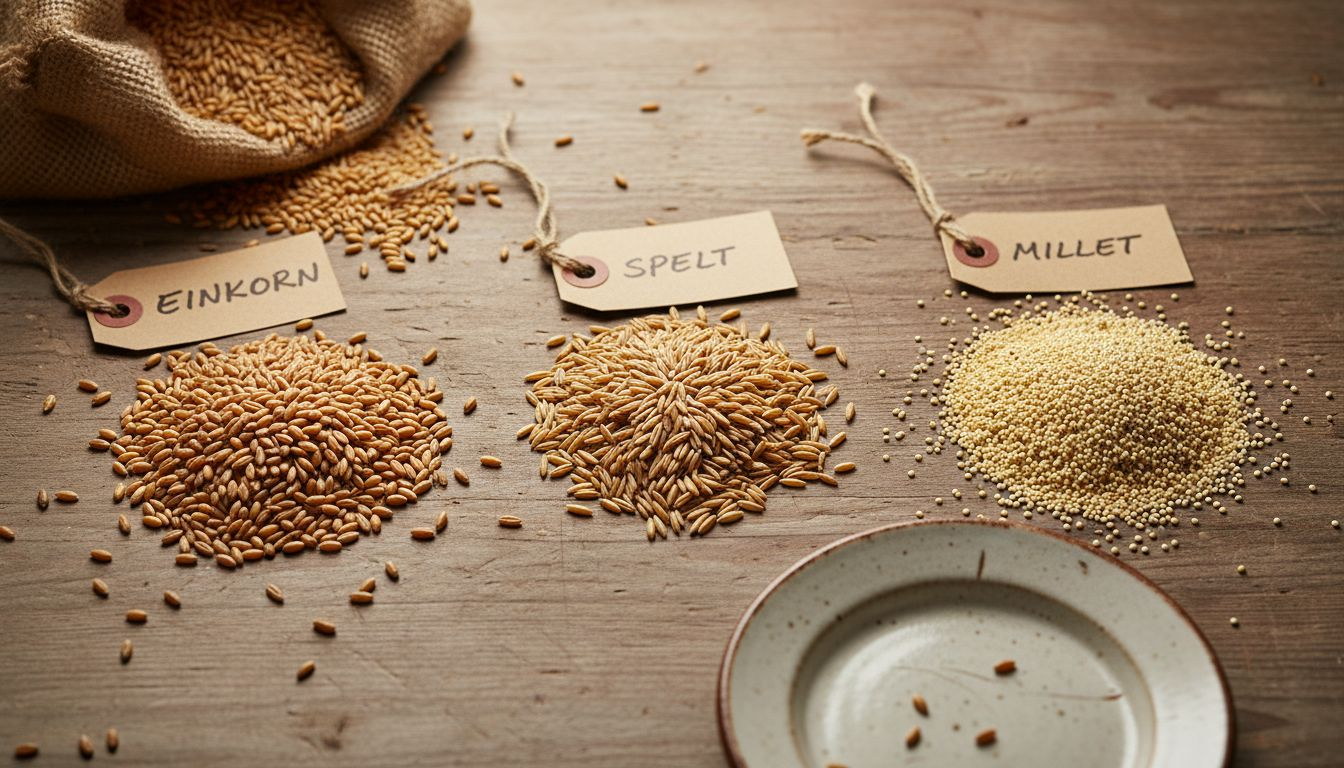
Traditional preparation methods are crucial when working with these heritage grains. Stone grinding, slow cooking, and minimal processing help preserve their intrinsic nutritional value and maintain the authentic flavour profiles that have sustained human populations for millennia.
Here is a comparison of notable ancient grains and their unique attributes:
| Grain Type | Notable Nutritional Benefit | Culinary Characteristic |
|---|---|---|
| Einkorn | High protein and antioxidants | Distinct nutty flavour |
| Emmer | Rich in minerals, especially iron | Dense, robust texture |
| Spelt | Easily digested carbohydrates | Mild, slightly sweet taste |
| Barley | High beta-glucan for heart health | Creamy consistency in porridge |
| Millet | Abundant micronutrients | Light, fluffy porridge result |
Pro tip: Experiment with mixing different ancient grains to create complex, nutrient-rich porridge blends that honour traditional culinary practices.
Nutritional profile and key benefits
Ancient grains represent a nutritional powerhouse that goes far beyond typical modern processed cereals. Research on ancient grain nutrients reveals a remarkable spectrum of health-promoting compounds that support holistic well-being. These heritage grains deliver sustained energy through complex nutritional profiles that modern industrial grains simply cannot match.
The key nutritional benefits of ancient grain porridges include:
- High-quality protein: More complete amino acid profiles compared to refined grains
- Complex carbohydrates: Slow-release energy that maintains stable blood sugar
- Essential minerals: Significantly higher concentrations of magnesium, zinc, and iron
- Dietary fiber: Supporting digestive health and metabolic function
- Antioxidant compounds: Natural protection against cellular oxidative stress
British Heart Foundation research highlights the specific cardiovascular benefits of wholegrain porridges, particularly emphasising the role of beta-glucan in cholesterol management. This soluble fiber works effectively to reduce harmful cholesterol levels, potentially decreasing heart disease risk.
Unlike modern, heavily processed grains stripped of nutritional value, ancient grains maintain their intrinsic nutrient density through minimal processing. Their whole-food structure ensures that vitamins, minerals, and beneficial compounds remain intact, providing a more comprehensive nutritional package that supports long-term health and metabolic resilience.
Pro tip: Select minimally processed, stone-ground ancient grain varieties to maximise nutritional absorption and preserve the grain’s natural nutrient profile.
Traditional and modern preparation methods
Archaeological research on Neolithic cooking practices reveals that ancient porridge preparation was far more sophisticated than many imagine. Our ancestors carefully selected cooking vessels and ingredients, demonstrating intentional culinary techniques that prioritised nutrition and flavour long before modern cooking methods emerged.
Traditional preparation methods for ancient grain porridge typically involved:
- Stone grinding: Using hand-operated grinding stones to create fresh, coarse grain flour
- Slow cooking: Preparing grains in ceramic or clay pots over low, consistent heat
- Liquid integration: Incorporating milk, water, or occasionally meat to enhance nutritional density
- Natural fermentation: Allowing grains to partially ferment, improving digestibility
- Seasonal ingredient mixing: Combining grains with locally available nuts, seeds, or dried fruits
Modern preparation techniques have both advantages and limitations compared to traditional methods. While contemporary kitchen tools offer convenience, they often strip away nutritional complexity through excessive processing. Advanced electric cookers, high-speed blenders, and industrial milling can compromise the intrinsic nutritional integrity of ancient grains.
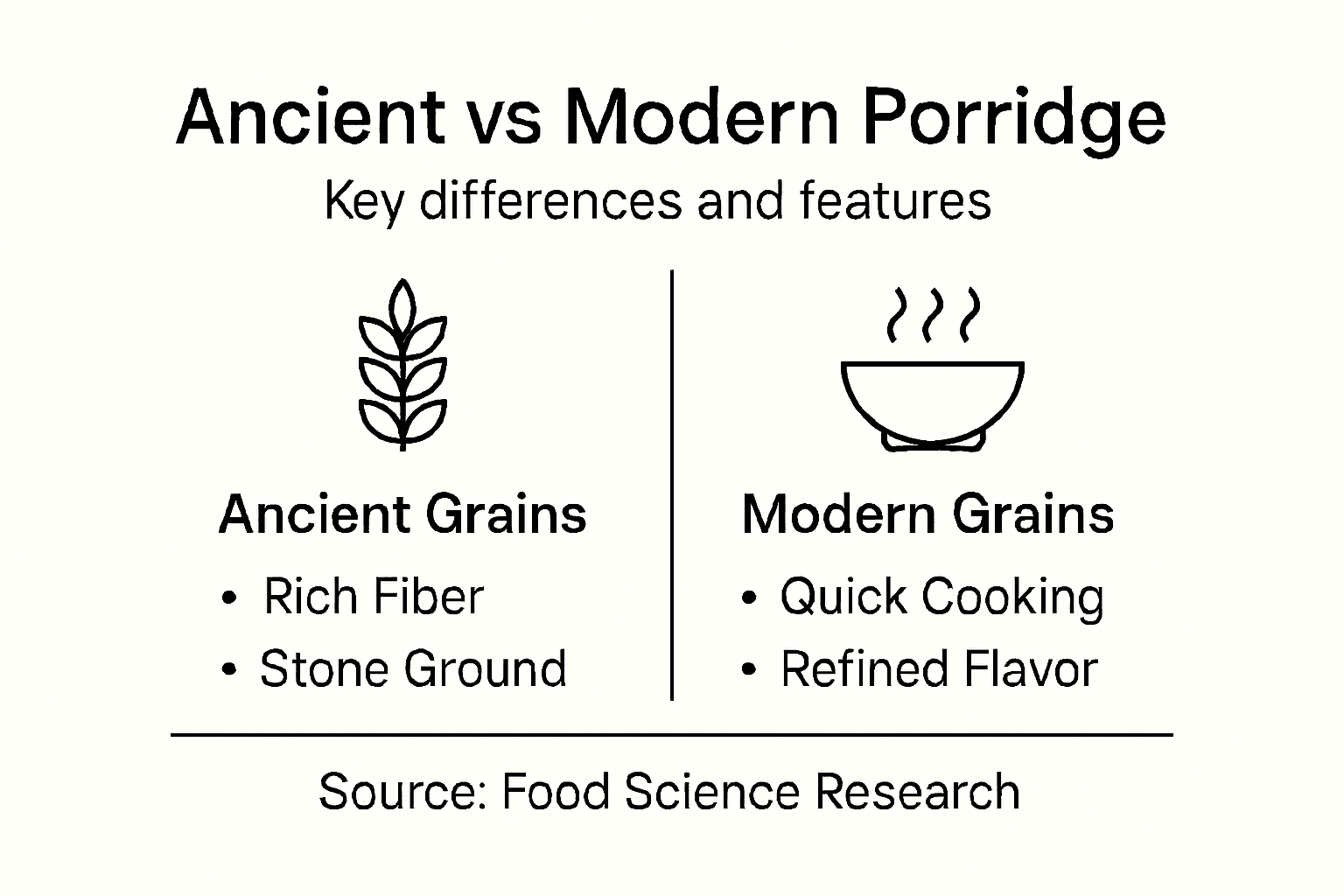
The key is finding a balance between traditional wisdom and modern efficiency. By adopting gentle cooking techniques that respect the grain’s natural structure, home cooks can create porridges that honour centuries-old nutritional traditions while meeting contemporary dietary needs.
The following table contrasts traditional and modern porridge preparation approaches:
| Aspect | Traditional Methods | Modern Methods |
|---|---|---|
| Grain Processing | Stone grinding, whole grains | Industrial milling, refined |
| Cooking Technique | Slow, low-heat simmering | Rapid, high-heat appliances |
| Nutrient Retention | Preserves vitamins and minerals | Potential nutrient loss |
| Flavour Profile | Rich, authentic, earthy | Often blander or uniform |
Pro tip: Use low-heat, slow-cooking methods and minimally processed grains to preserve maximum nutritional value and authentic flavour profiles.
Potential health risks and misconceptions
Popular dietary narratives about ancient grains often misrepresent the historical role of grains in human nutrition. Contrary to some modern diet trends, archaeological evidence demonstrates that starchy grains were a fundamental component of early human diets, not a nutritional afterthought as some contemporary health movements suggest.
Key misconceptions about ancient grain consumption include:
- Gluten sensitivity: Not all ancient grains are automatically gluten-free
- Nutritional superiority: Ancient grains are beneficial but not miraculous
- Digestibility: Individual responses to ancient grains vary significantly
- Historical diet myths: Oversimplified assumptions about prehistoric eating patterns
- Processing impact: Preparation method matters more than grain type alone
Research on ancient grain characteristics highlights important considerations for individuals with specific dietary requirements. Some ancient grains contain gluten proteins that can trigger sensitivities, making it crucial for consumers to understand their personal health needs before wholesale dietary changes.
Critical thinking is essential when approaching ancient grain nutrition. While these grains offer remarkable benefits, they are not universal panaceas. Individual metabolic responses, potential allergens, and specific health conditions must be carefully considered when incorporating ancient grains into one’s diet.
Pro tip: Consult a nutritionist or dietitian to understand how ancient grains might interact with your unique health profile and dietary requirements.
Comparing ancient grains to modern alternatives
Research on ancient cereal production reveals a complex landscape of agricultural evolution. Modern wheat varieties have been systematically bred for maximum yield, while ancient grains represent a more nuanced approach to crop cultivation that prioritises nutritional complexity over pure productivity.
Key differences between ancient and modern grains include:
- Genetic Diversity: Ancient grains maintain more varied genetic structures
- Nutritional Profile: Higher mineral and protein content in heritage varieties
- Environmental Adaptability: Better resilience in challenging growing conditions
- Processing Requirements: Less industrial manipulation needed
- Flavour Complexity: More distinctive, robust taste profiles
Archaeological studies of grain resilience demonstrate that ancient grains like millets offer remarkable advantages over contemporary cereals. These grains require fewer agricultural inputs, demonstrate superior climate adaptability, and potentially represent more sustainable food production models for future agricultural challenges.
The contemporary renaissance of ancient grains isn’t merely a dietary trend but a profound reconnection with agricultural heritage. By choosing heritage grain varieties, consumers support biodiversity, traditional farming practices, and nutritional diversity that industrial agriculture has gradually eroded.
Pro tip: When selecting grains, prioritise varieties that balance nutritional density, flavour complexity, and sustainable agricultural practices.
Rediscover Ancient Grain Nourishment for Modern Wellness
The article highlights how embracing authentic ancient grain porridges can restore a vital connection to nutrient-dense foods that modern processed grains no longer offer. If you value wholefood vitality, sustained energy, and rich flavours rooted in tradition you deserve to experience the purity of heritage grains that preserve their natural profiles through minimal processing. Whether you seek grains that support balanced blood sugar or unique nutritional blends that honour old-world preparation, Granavitalis offers a carefully curated selection to empower your daily meals.
Explore our premium range of Grains – Granavitalis that includes minimally processed ancient varieties such as einkorn, emmer and millet.
Fuel your wellbeing with ingredients that respect ancient wisdom and modern performance. Visit Granavitalis today and discover our All Flours – Granavitalis and Gluten Free Flours – Granavitalis to create nutrient-rich porridges that support strength, recovery and smart energy. Start your journey now with real foods that harness past traditions to power your present.
Frequently Asked Questions
What defines ancient grain porridge?
Ancient grain porridge is made from unmodified heritage grains that maintain their original genetic structure, such as einkorn, emmer wheat, and ancient barley. It is typically less processed than modern cereals to preserve nutritional integrity.
What are the health benefits of consuming ancient grain porridge?
Ancient grain porridge offers high-quality protein, complex carbohydrates for sustained energy, essential minerals like magnesium and iron, dietary fibre for digestive health, and antioxidant compounds that protect against oxidative stress.
How should ancient grain porridge be prepared for maximum nutrition?
For optimal nutrition, ancient grain porridge should be prepared using traditional methods, such as stone grinding and slow cooking. This helps to preserve the grains’ intrinsic nutritional value and rich flavour profiles.
Are ancient grains gluten-free?
Not all ancient grains are gluten-free. Grains like einkorn and emmer contain gluten proteins, so individuals with gluten sensitivities should consult health professionals before including them in their diets.
Recommended
- Complete Guide to Nutrient-Rich Porridge – Granavitalis
- 7 Nutritious Breakfast Ideas for Strong Mornings – Granavitalis
- 7 High-Protein Porridge Grains to Power Your Morning – Granavitalis
- Complete Guide to Protein-Packed Porridge – Granavitalis
- 7 Healthy Snack Alternatives You Need to Try – Spaceman
- Gluten-Free Baking - The Vanilla Valley